Find the Best Grease Trap Cleaning Companies for Your Business
No obligation • Fast responses • Nationwide coverage

Why you can trust Restaurant Waste Disposal
Restaurant Waste Disposal is a leading U.S. resource for comparing restaurant composting, food-waste recycling, grease trap cleaning, and used cooking oil collection services. Our editorial team researches providers, checks credentials, and organizes unbiased information so operators can make informed decisions. Companies cannot pay to change ratings or placement.
Search providers near you
Top Grease Trap Cleaning Companies in Deerfield Beach, Florida Ranked
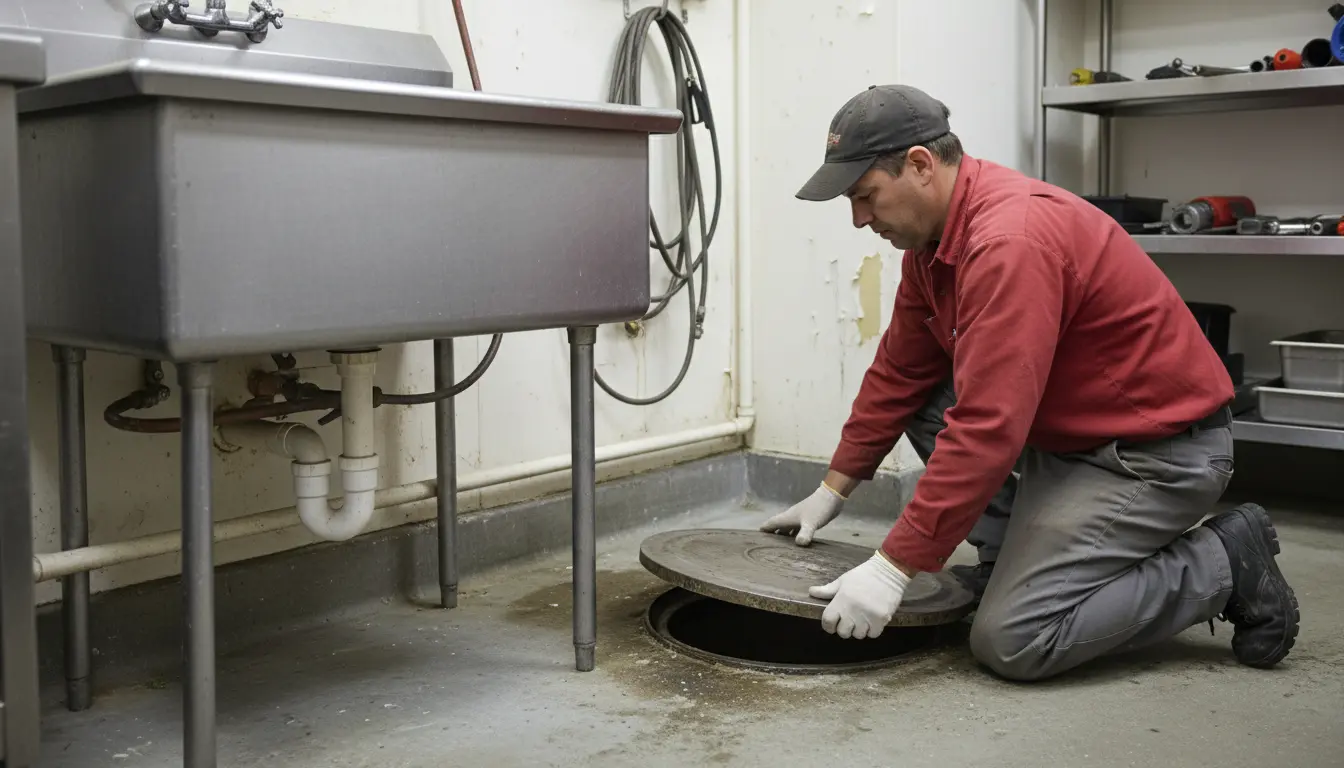
For any restaurant or food service establishment in Deerfield Beach, managing fats, oils, and grease (FOG) is a critical operational and legal responsibility. Effective grease trap and interceptor maintenance is not just about preventing clogs; it's a mandatory compliance issue governed by Florida Department of Environmental Protection (FDEP) and Broward County regulations. These rules are designed to protect the local sewer infrastructure and waterways from blockages and pollution, with strict requirements for cleaning frequency, documentation, and waste disposal. Non-compliance can lead to significant fines and operational disruptions, making a proactive and informed approach to grease trap service essential for every kitchen manager and business owner in the area.
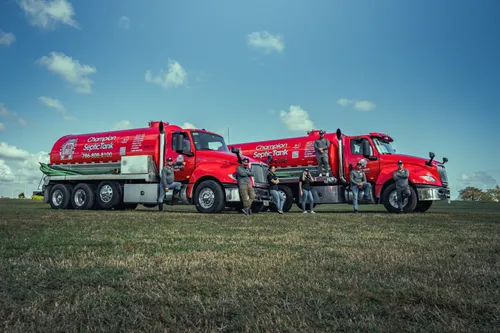
Champion Septic Tank - Grease Trap Storm Drain Lift Station
4000 Hollywood Blvd suite 555-s, Hollywood, FL 33021
Champion Septic Tank - Grease Trap Storm Drain Lift Station is a licensed and insured septic service provider based in Miami, FL. They offer a wide range of services including septic tank pumping, cleaning, drain field installation and replacement, grease trap cleaning, storm drain maintenance, and lift station pumping. Serving residential and commercial clients across Miami-Dade, Broward, and Palm Beach counties, they specialize in hydrojetting and advanced sewer camera inspections to ensure thorough cleaning and system diagnostics. With over 10 years of experience, Champion Septic Tank is known for its comprehensive septic system care and 24/7 emergency service availability.
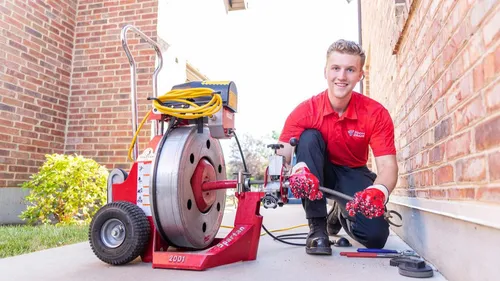
Zoom Drain
20815 NE 16th Ave Unit B44, Miami, FL 33179
Zoom Drain is a specialist in drain and sewer cleaning, inspection, and repair based in Miami, FL. They serve residential, commercial, and food service clients in Miami and surrounding areas, offering services such as grease trap maintenance and hydro jetting. The company uses advanced tools like video camera inspections and provides tailored maintenance plans for property managers and contractors. Zoom Drain operates 24/7 to address emergency drain and sewer issues promptly.
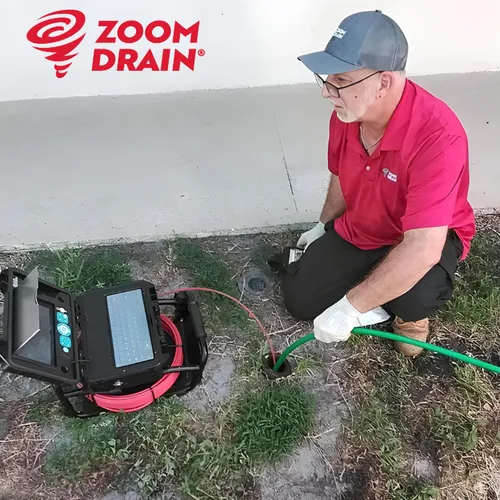
Zoom Drain
12075 NW 40th St Unit 3, Coral Springs, FL 33065
Zoom Drain is a drain and sewer service provider based in Fort Lauderdale, FL, serving Coral Springs, Boca Raton, and other areas throughout Broward County. They specialize in residential and commercial drain cleaning, sewer inspections, and repairs, including grease trap maintenance for the food and hospitality sector. Using advanced equipment and techniques, Zoom Drain offers focused and efficient solutions to keep wastewater systems running smoothly. The company supports property managers, contractors, and homeowners with tailored maintenance plans and a referral program. Zoom Drain is recognized for its knowledgeable technicians and fast response times.
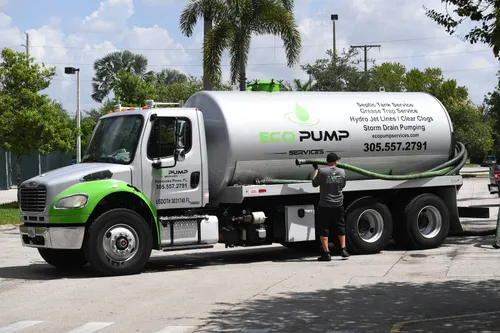
Eco Pump Services
15757 Pines Blvd Suite 315, Pembroke Pines, FL 33027
Eco Pump Services provides grease trap cleaning, septic tank pumping, storm drain cleaning, and sewer line hydro jetting in Miami, FL, and surrounding areas including Broward and West Palm Beach. They serve both residential and commercial clients, offering routine maintenance and emergency services with specialized equipment. With over 25 years of experience, Eco Pump Services is licensed and insured to handle grease trap pumping, cleaning, inspections, and repairs, ensuring compliance with government standards.
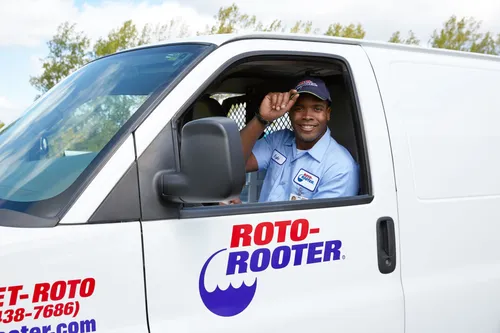
Roto-Rooter Plumbing & Water Cleanup
100 S Dixie Hwy #204, West Palm Beach, FL 33401
Roto-Rooter Plumbing & Water Cleanup provides comprehensive plumbing services in West Palm Beach, FL, serving both residential and commercial clients. Their offerings include drain cleaning, sewer line repair and replacement, water heater installation and repair, grease trap cleaning, floodwater cleanup, and mold remediation. The company is equipped with advanced tools such as video camera inspections and hydro-jetting to address complex plumbing issues. Roto-Rooter operates 24/7, providing emergency plumbing services year-round to quickly respond to urgent needs. They serve multiple communities in the surrounding counties, including Broward and Palm Beach. Roto-Rooter is fully licensed and insured, with a strong local presence and a reputation for timely emergency response.
Understanding Local Grease Trap Regulations
In Deerfield Beach, your establishment's compliance is dictated by a combination of state and county mandates. Florida law, specifically Chapter 403 of the Florida Statutes, requires all food service establishments to install and maintain grease traps or interceptors 1. Broward County enforces additional local ordinances that detail the specifics of maintenance and record-keeping 2. The core principle is preventing FOG from entering the public sewer system, where it can solidify, cause blockages, and lead to costly sanitary sewer overflows (SSOs).
Key regulatory bodies include the FDEP and Broward County's Environmental Protection and Growth Management Department. These agencies conduct periodic inspections to ensure restaurants are adhering to the rules, which focus on three main areas: proper equipment installation, timely maintenance, and meticulous documentation of all grease waste handling. Understanding these requirements is the first step in avoiding violations.
The 25% Rule and Mandatory Cleaning Frequency
A cornerstone of local compliance is the "25% rule." Broward County regulations mandate that grease interceptors must be cleaned when the combined FOG and solids accumulation reaches 25% of the trap's liquid depth 3. To enforce this, kitchen staff are required to perform weekly visual checks of the interceptor, often using a simple measuring device, to monitor the FOG level.
Even if the 25% threshold isn't met, cleaning is required at a minimum frequency. The standard maximum interval between cleanings is every 90 days (approximately three months). However, this is a maximum interval. For high-volume kitchens or establishments with smaller, under-sink grease traps, service may be needed as often as every 30 days 4. The actual frequency for your Deerfield Beach restaurant depends entirely on your FOG production, which is influenced by your menu, volume of business, and the size of your interceptor.
Documentation and the Service Manifest System
Proper paperwork is as important as the physical cleaning. Every time a grease trap is serviced, the licensed hauler must provide a detailed Service Manifest (also called a waste tracking document). This manifest is a legal record that includes:
- The generator's (your restaurant's) name and address.
- The hauler's license information.
- The date and volume of waste removed.
- The disposal facility's permit number where the grease was taken.
You are required to keep these manifests on-site for a minimum of three years. During an inspection, regulators will ask to see your file of manifests as proof of consistent, compliant service. Failure to produce these records can result in fines just as severe as those for an overflowing trap.
The Critical Role of Licensed Grease Haulers
You cannot simply have any maintenance person pump out your grease trap. Florida and Broward County regulations stipulate that grease waste must be removed and transported only by a licensed hauler to a permitted treatment or recycling facility 5. Using an unlicensed service for disposal is illegal and can result in major penalties for your business, as you remain responsible for the proper "cradle-to-grave" handling of your waste 6.
Licensed haulers are registered with the state and county, carry appropriate insurance, and dispose of the collected FOG at facilities designed to process it, such as biodiesel plants or wastewater treatment centers 7. Always verify a provider's licensing before hiring them for grease trap cleaning in Deerfield Beach.
Find the perfect grease trap cleaning companies for your needs
Get personalized recommendations and expert advice
Costs Associated with Grease Trap Service
Budgeting for grease trap maintenance is a predictable operational cost. Prices vary based on the size and location of your trap (indoor vs. outdoor), its accessibility, and the volume of waste. Based on industry data for the South Florida region, here are typical cost ranges for Deerfield Beach restaurants:
- Routine Pumping of Standard Interceptors: For most commercial kitchens, a standard pumping service typically costs between $250 and $400 per service visit.
- Small Indoor or Under-Sink Grease Traps: Cleaning smaller units can range from $175 to $475, often depending on the labor involved in accessing them.
- Emergency or After-Hours Service: If a trap overflows or causes a backup requiring immediate attention, expect costs to rise significantly, often between $800 and $1,200 or more 8 9.
- Annual Regulatory Fees: Broward County charges an annual grease waste certificate fee, which can be approximately $120 per year for your establishment.
Investing in regular, scheduled service is far more economical than facing emergency repairs, fines, or potential shutdowns due to non-compliance.
Best Practices for Deerfield Beach Restaurants
Beyond scheduling cleanings, proactive management can extend service intervals, reduce costs, and ensure smooth inspections.
- Right-Size Your Equipment: Ensure your grease interceptor is correctly sized for your kitchen's output. An undersized trap will require excessively frequent cleaning, while an oversized one may not function efficiently.
- Implement Kitchen Best Practices: Train staff to scrape food scraps into trash or compost bins (not sinks) and to use sink baskets to catch solids. Minimizing the amount of FOG and solids entering the drain is the first line of defense.
- Maintain a Consistent Schedule: Work with your licensed hauler to establish a cleaning schedule based on your weekly monitoring logs. Don't wait for the 90-day mark if your checks show the 25% level is reached sooner.
- Organize Your Compliance Binder: Keep all service manifests, hauler licenses, and inspection reports in a single, easily accessible location. Digital copies are also a good backup.
- Partner with a Knowledgeable Provider: Choose a local, licensed grease trap service familiar with Deerfield Beach and Broward County's specific inspection protocols and documentation requirements. They can often provide valuable guidance during routine service.
Consequences of Non-Compliance
Ignoring grease trap regulations carries serious financial and operational risks. Broward County can levy fines for violations, which typically range from $250 to $1,000 per offense, and can be issued for infractions like missing manifests, illegal dumping, or an over-full interceptor 10 11. In severe cases of repeat violations or environmental damage, the FDEP can pursue more substantial penalties.
Furthermore, a severely clogged sewer line caused by FOG can lead to backups in your own establishment or neighboring businesses, resulting in expensive plumbing emergencies, health code violations, and potential business interruption. The cost of compliance through regular cleaning is minimal compared to the risks of neglect.
Frequently asked questions
Sources
Footnotes
-
The 2025 Florida Statutes - Online Sunshine - https://www.leg.state.fl.us/Statutes/index.cfm?App_mode=Display_Statute&Search_String=&URL=0400-0499/0403/Sections/0403.0741.html ↩
-
Grease Disposal Regulations in South Florida: Expert Insights - https://www.greaseprosrecycling.com/grease-disposal-regulations-fl/ ↩
-
How to Clean a Grease Trap (and How Often You Should) - https://greaseconnections.com/how-to-clean-a-grease-trap-and-how-often-you-should/ ↩
-
Restaurant Grease Trap Cleaning FAQs - Mahoney Environmental - https://www.mahoneyes.com/restaurant-grease-trap-cleaning-faqs/ ↩
-
Professional Grease Trap Service & Cleaning | South Florida - https://plumbingexperts.com/grease-trap-cleaning/ ↩
-
Grease Waste | Florida Department of Environmental Protection - https://floridadep.gov/waste/permitting-compliance-assistance/content/grease-waste ↩
-
Restaurant Grease Recycling Florida: Best Practices & Compliance - https://www.greaseprosrecycling.com/restaurant-grease-recycling-florida/ ↩
-
Ultimate Grease Trap Pumping Cost Guide: Essential Money-Saving ... - https://www.texwaywastewater.com/grease-trap-pumping-cost/ ↩
-
Restaurant Grease Trap & Interceptor Cleaning Cost - https://greasemanagement.org/pricing.html ↩
-
Florida Grease Compliance | 90-Day Rule & County Fees - https://greaseconnections.com/resources/compliance/fl/ ↩
-
Grease Trap Regulations and Compliance: What You Need to Know - https://www.texwaywastewater.com/grease-trap-regulations-and-compliance/ ↩