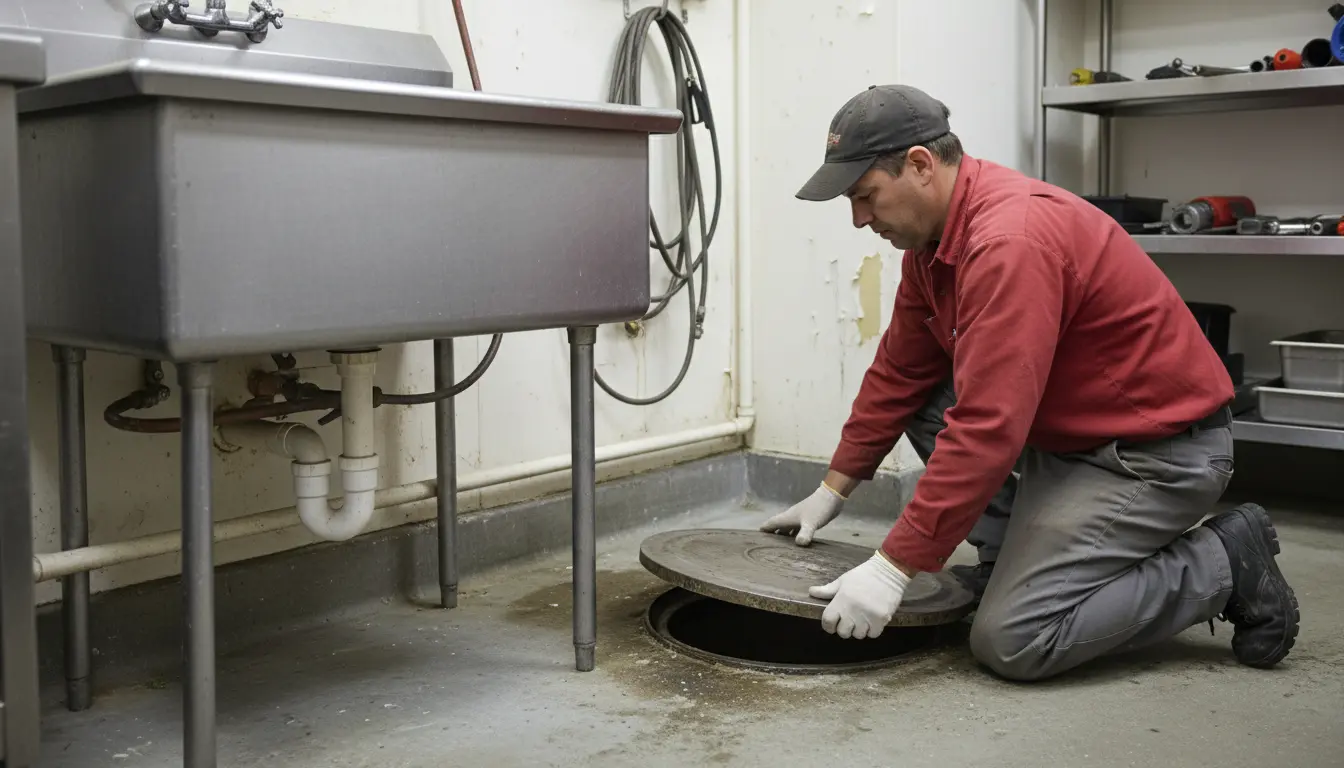
Find the Best Grease Trap Cleaning Companies for Your Business
No obligation • Fast responses • Nationwide coverage

Why you can trust Restaurant Waste Disposal
Restaurant Waste Disposal is a leading U.S. resource for comparing restaurant composting, food-waste recycling, grease trap cleaning, and used cooking oil collection services. Our editorial team researches providers, checks credentials, and organizes unbiased information so operators can make informed decisions. Companies cannot pay to change ratings or placement.
Search providers near you
Top Grease Trap Cleaning Companies in Coconut Creek, Florida Ranked
For restaurant owners and food service operators in Coconut Creek, maintaining a clean and compliant grease trap is a critical, non-negotiable part of daily operations. These systems, also known as grease interceptors, are your first line of defense against costly sewer blockages and environmental violations. Strict local and state regulations mandate regular servicing by licensed professionals, with detailed record-keeping to prove compliance. This guide outlines everything you need to know about grease interceptor maintenance, from Broward County's specific rules to service costs and best practices for avoiding fines.
Proper grease trap maintenance isn't just about following the law; it's about protecting your business. A clogged or overflowing interceptor can lead to severe plumbing backups, unpleasant odors, and disruptive-and expensive-emergency cleanups. More importantly, failing to adhere to Florida's Department of Environmental Protection (DEP) and local codes can result in significant penalties, including fines and potential loss of operating licenses. By understanding the requirements and partnering with a reliable service provider, you ensure your kitchen runs smoothly and remains in good standing with inspectors.

Champion Septic Tank - Grease Trap Storm Drain Lift Station
405 E 41st St Unit 1D, Hialeah, FL 33013
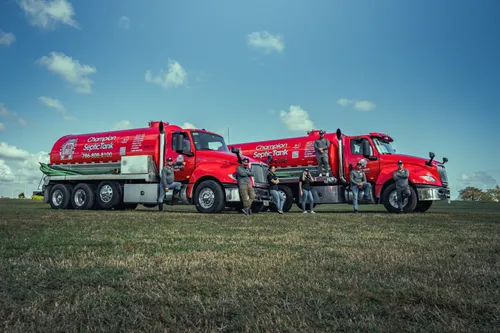
Champion Septic Tank - Grease Trap Storm Drain Lift Station provides comprehensive septic and grease trap services in Miami, FL. Serving residential and commercial clients across Miami-Dade, Broward, and Palm Beach counties, they specialize in grease trap cleaning, septic tank pumping and cleaning, drain field installation and replacement, storm drain cleaning, and lift station pumping. Their licensed team uses advanced equipment such as high-pressure hydro jetting and vacuum trucks to ensure thorough cleaning and maintenance. With over 10 years of experience, Champion Septic Tank offers 24/7 emergency services, including same-day response for urgent septic and grease trap issues, supporting restaurants, commercial kitchens, and homeowners throughout the region.
Champion Septic Tank - Grease Trap Storm Drain Lift Station
4000 Hollywood Blvd suite 555-s, Hollywood, FL 33021
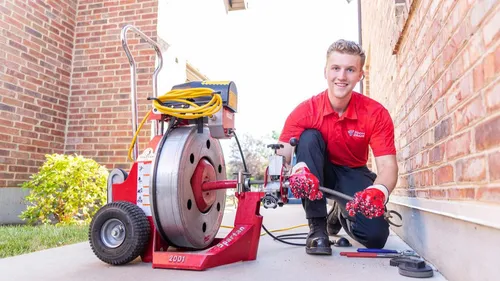
Champion Septic Tank - Grease Trap Storm Drain Lift Station is a licensed and insured septic service provider based in Miami, FL. They offer a wide range of services including septic tank pumping, cleaning, drain field installation and replacement, grease trap cleaning, storm drain maintenance, and lift station pumping. Serving residential and commercial clients across Miami-Dade, Broward, and Palm Beach counties, they specialize in hydrojetting and advanced sewer camera inspections to ensure thorough cleaning and system diagnostics. With over 10 years of experience, Champion Septic Tank is known for its comprehensive septic system care and 24/7 emergency service availability.
Zoom Drain
20815 NE 16th Ave Unit B44, Miami, FL 33179
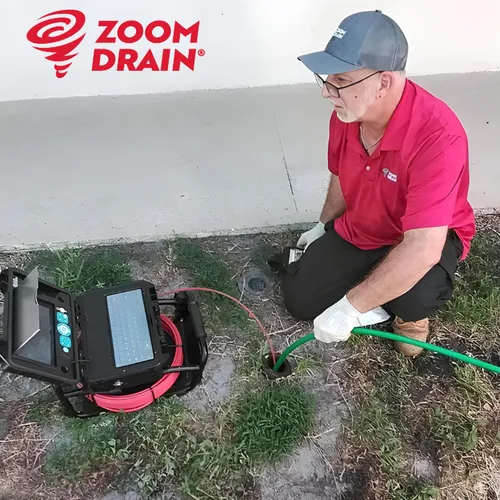
Zoom Drain is a specialist in drain and sewer cleaning, inspection, and repair based in Miami, FL. They serve residential, commercial, and food service clients in Miami and surrounding areas, offering services such as grease trap maintenance and hydro jetting. The company uses advanced tools like video camera inspections and provides tailored maintenance plans for property managers and contractors. Zoom Drain operates 24/7 to address emergency drain and sewer issues promptly.
Zoom Drain
12075 NW 40th St Unit 3, Coral Springs, FL 33065
Zoom Drain is a drain and sewer service provider based in Fort Lauderdale, FL, serving Coral Springs, Boca Raton, and other areas throughout Broward County. They specialize in residential and commercial drain cleaning, sewer inspections, and repairs, including grease trap maintenance for the food and hospitality sector. Using advanced equipment and techniques, Zoom Drain offers focused and efficient solutions to keep wastewater systems running smoothly. The company supports property managers, contractors, and homeowners with tailored maintenance plans and a referral program. Zoom Drain is recognized for its knowledgeable technicians and fast response times.
All-Star Pump Outs - Septic Tanks Grease Traps Storm Drains Lift Stations
3325 W Okeechobee Rd, Hialeah, FL 33012
All-Star Pump Outs - Septic Tanks Grease Traps Storm Drains Lift Stations provides septic system services, grease trap cleaning, storm drain maintenance, lift station servicing, and drainfield installations in Miami, FL. The company offers hydro jet cleaning and septic system replacements, ensuring thorough and precise work with clear communication in English or Spanish. Customers appreciate their responsiveness and professionalism, including same-day service for urgent needs. All-Star Pump Outs is known for detailed explanations and honest work, serving both residential and commercial clients.
Understanding Grease Trap Regulations in Broward County
Coconut Creek restaurants fall under a layered regulatory framework that includes Florida state law, Broward County ordinances, and municipal codes. The primary goal is to prevent Fats, Oils, and Grease (FOG) from entering the public sewer system, where it can solidify and cause major blockages, leading to sanitary sewer overflows (SSOs).
The Florida DEP sets the statewide standard, requiring that grease waste from commercial kitchens be properly collected and disposed of at permitted facilities 1. Local governments, including Broward County and the City of Coconut Creek, enforce these rules and often add specific requirements for inspection and maintenance frequency. For instance, many jurisdictions in South Florida mandate that grease traps be pumped at a minimum of every 90 days, or more frequently if the accumulated FOG reaches 25% of the unit's capacity 2 3. Smaller under-sink grease traps, common in many kitchens, typically require even more frequent service, often on a monthly schedule 4.
Key Compliance Requirements for Restaurant Owners
Staying compliant involves more than just scheduling a pump-out. Florida law and local codes require a documented chain of custody for all grease waste. Here are the critical components:
- Use a Licensed Hauler: You must contract with a licensed grease waste hauler permitted by the Florida DEP. These professionals are authorized to transport and dispose of FOG at approved treatment or recycling facilities.
- Maintain Service Manifests: For every service visit, your hauler is required to complete a detailed Service Manifest. This document tracks the waste from your business to its final disposal site, including volumes, dates, and hauler/license information. You must obtain and keep a copy of this manifest.
- Keep Detailed Records: Restaurants are required to maintain on-site records of all grease interceptor cleaning and maintenance for a minimum period, often three years. These records, including the manifests and service invoices, must be available for review during unannounced inspections by county or state officials 5.
- Adhere to Installation Standards: New installations or replacements must comply with the Florida Building Code, which specifies proper sizing, location (typically accessible and below ground), and approved interceptor types to ensure effective operation.
The Cost of Grease Trap Cleaning Services
Investing in regular, professional grease interceptor maintenance is a predictable operating cost that pales in comparison to the expense of non-compliance or an emergency backup. Pricing in Coconut Creek is not one-size-fits-all; it depends on several factors:
- Trap Size and Type: A small, indoor under-sink grease trap costs significantly less to service than a large, outdoor concrete interceptor.
- Frequency of Service: Scheduled, recurring service (e.g., monthly or quarterly) often comes at a lower per-visit cost compared to a one-time emergency cleaning.
- Level of Accumulation: A heavily impacted or neglected trap that requires more labor and time to clean will cost more.
Based on industry averages for the region, you can expect the following price ranges 6 7 8 9:
- Indoor / Small Grease Traps: For recurring scheduled service, costs typically range from $125 to $180 per cleaning. A one-time or emergency cleaning for the same unit may cost between $190 and $240.
- Outdoor / Large Grease Interceptors: Servicing a large interceptor generally ranges from $225 to $315 or more per service visit.
These costs cover the pumping, cleaning, and proper disposal of the FOG. When evaluating providers, ensure the quoted price includes the completion of the required service manifest.
Find the perfect grease trap cleaning companies for your needs
Get personalized recommendations and expert advice
Consequences of Non-Compliance
Ignoring grease trap regulations is a high-risk gamble for any food service business. Enforcement is active, with both the Florida DEP and local county inspectors conducting checks on businesses and haulers 10. The consequences of failing an inspection or being caught with poor records can be severe:
- Substantial Fines: Violations can result in immediate fines from both county and state authorities. These fines can escalate for repeat offenses.
- Operational Disruption: In severe cases, a business may be forced to cease operations until the grease interceptor is brought into compliance and all fines are paid.
- Sewer Backup and Property Damage: The most direct consequence of poor maintenance is a clogged sewer line, which can lead to raw sewage backing up into your kitchen or restaurant floor. The cleanup and repair costs from such an event can be astronomical.
- License and Permit Issues: Chronic non-compliance can jeopardize your business operating license and other permits.
- Environmental Penalties: Illegal dumping of grease waste, or using an unlicensed hauler who dumps illegally, can lead to major environmental fines and legal action 11.
Best Practices for Grease Management
Beyond scheduling regular pump-outs, proactive in-house practices can extend the life of your grease interceptor, reduce service frequency, and minimize risks.
- Train Kitchen Staff: Ensure all employees understand what should and should not go down the drain. Scrape food scraps into trash or compost bins before washing. Never pour liquid grease, oil, or shortening down any sink.
- Use Collection Containers: Provide clearly labeled containers for collecting cooled fryer oil and other liquid fats. This waste should be collected separately by your used cooking oil service, not washed into the grease trap.
- Schedule Regular Maintenance: Don't wait for a problem. Establish a recurring service schedule with your licensed hauler based on your trap's size and volume of business. Mark these dates on your calendar and keep all appointments.
- Organize Your Records: Create a dedicated file or digital folder for all grease-related documents: service contracts, invoices, and every service manifest. This makes preparation for an inspection quick and stress-free.
By integrating these practices into your daily routine, you transform grease trap compliance from a regulatory chore into a standard part of your kitchen's operational excellence.
Frequently asked questions
Sources
Footnotes
-
Grease Waste | Florida Department of Environmental Protection - https://floridadep.gov/waste/permitting-compliance-assistance/content/grease-waste ↩
-
Grease Disposal Regulations in South Florida: Expert Insights - https://www.greaseprosrecycling.com/grease-disposal-regulations-fl/ ↩
-
Florida Grease Compliance | 90-Day Rule & County Fees - https://greaseconnections.com/resources/compliance/fl/ ↩
-
Florida Grease Trap Regulations Concern Commercial ... - https://replaceyourgarbagedisposal.com/grease-trap/florida-grease-trap-regulations-concern-commercial-kitchen-owners/ ↩
-
§ 111.34 GREASE TRAPS. - https://codelibrary.amlegal.com/codes/weston/latest/weston_fl/0-0-0-4242 ↩
-
How Much Does a Proper Grease Trap Cleaning Cost? - https://hulseyenvironmental.com/how-much-does-a-proper-grease-trap-cleaning-partner-cost/ ↩
-
Grease Trap Cleaning Prices | Guide on the Industry Average - https://grease-cycle.com/grease-trap-pumping-cost/ ↩
-
How Much Does It Cost to Clean Your Grease Trap? - https://www.aquaprosolutions.com/resources/how-much-does-it-cost-to-clean-your-grease-trap/ ↩
-
How Much Does It Cost To Clean A Grease Trap? - https://www.greasecollection.com/blog/how-much-does-it-cost-to-clean-a-grease-trap/ ↩
-
Grease Traps for Restaurants: The Essential Guide - https://therestaurantwarehouse.com/blogs/restaurant-equipment/grease-trap-for-restaurant-guide ↩
-
Grease Trap Regulations and Compliance: What You Need to Know - https://www.texwaywastewater.com/grease-trap-regulations-and-compliance/ ↩