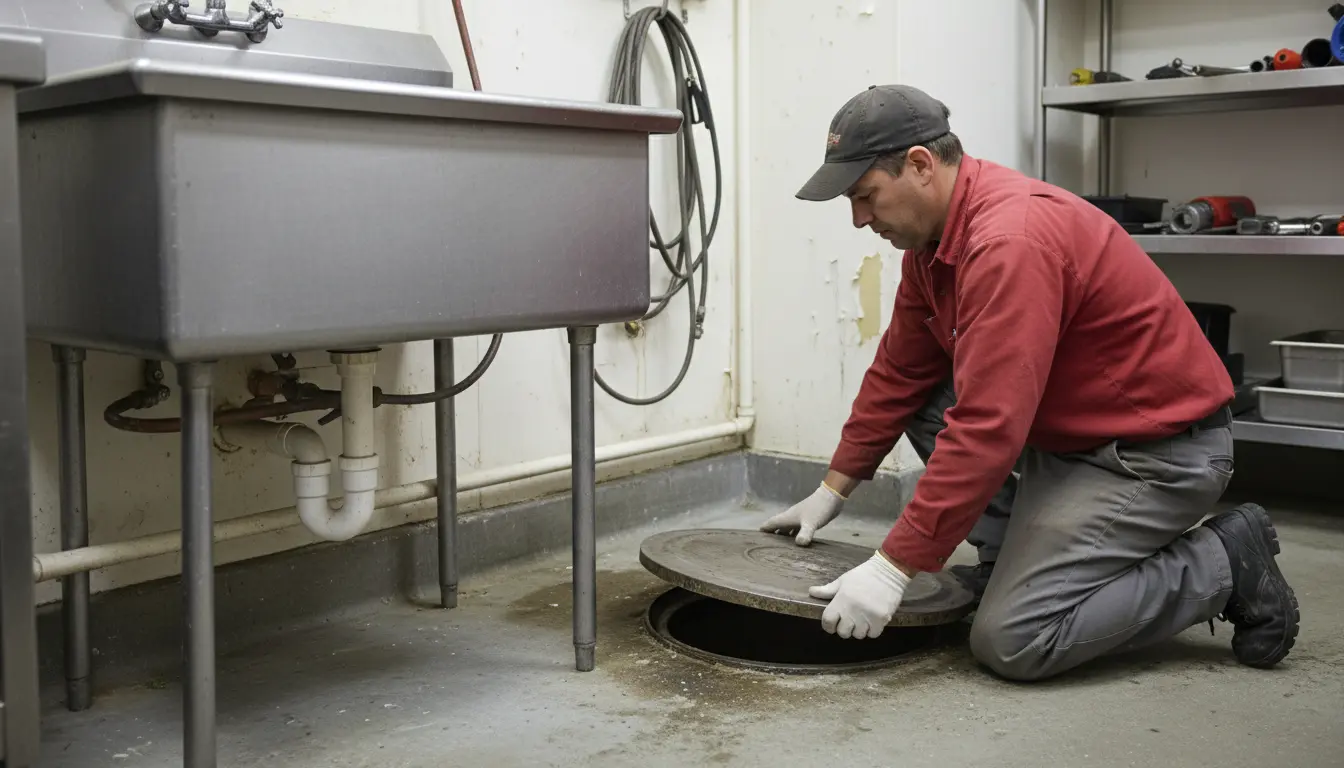
Find the Best Grease Trap Cleaning Companies for Your Business
No obligation • Fast responses • Nationwide coverage

Why you can trust Restaurant Waste Disposal
Restaurant Waste Disposal is a leading U.S. resource for comparing restaurant composting, food-waste recycling, grease trap cleaning, and used cooking oil collection services. Our editorial team researches providers, checks credentials, and organizes unbiased information so operators can make informed decisions. Companies cannot pay to change ratings or placement.
Search providers near you
Top Grease Trap Cleaning Companies in Clermont, Florida Ranked
For restaurant owners and food service operators in Clermont, maintaining a clean and compliant grease interceptor is a critical, non-negotiable part of daily operations. These systems are mandated by local and state regulations to prevent fats, oils, and grease (FOG) from entering the municipal sewer system, where they can cause costly blockages and environmental damage. Regular grease trap maintenance is not just about avoiding fines; it's essential for the smooth running of your kitchen, preventing backups, and ensuring you pass unannounced inspections by the City of Clermont's Public Works or Wastewater Department. Understanding the specific requirements for cleaning schedules, capacity, and documentation will keep your business in good standing and protect Lake County's wastewater infrastructure.
Lapin Services
3031 40th St, Orlando, FL 32839
Lapin Services is a licensed and insured company based in Orlando, FL, offering septic, plumbing, and sewer services. They serve a wide area across Central Florida, including Orlando and many surrounding communities. Their capabilities include grease trap cleaning, vactor sewer cleaning, lift station inspections, and wastewater treatment plant cleaning. The company employs trained technicians and uses specialized equipment to handle these services.
Roto-Rooter Plumbing & Water Cleanup
1404 Gemini Blvd, Orlando, FL 32837
Roto-Rooter Plumbing & Water Cleanup provides a wide range of plumbing and water cleanup services in Orlando, FL, serving both residential and commercial customers. Their offerings include sewer and drain cleaning, grease trap pumping and cleaning, water heater repair and installation, floodwater cleanup, mold remediation, and emergency plumbing services. The company is equipped with advanced tools such as hydro-jetting equipment for thorough drain cleaning and offers 24/7 emergency service to address urgent plumbing issues. Roto-Rooter serves multiple communities in and around Orlando, including areas in Orange, Seminole, Brevard, and Osceola counties.
Above All Environmental Inc
Orlando, FL
Above All Environmental Inc is a licensed and insured company based in Orlando, FL, specializing in septic tank maintenance and grease trap pumping. With over 15 years of experience, they provide a range of services including septic tank pump outs, drain field and lift station cleaning, pump repair, and stormwater management. Their skilled team handles both routine maintenance and emergency repairs, aiming to support long-term customer relationships.
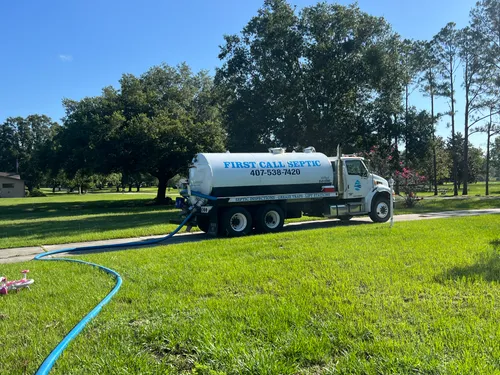
First Call Septic
300 N Ronald Reagan Blvd #311, Longwood, FL 32750
First Call Septic provides comprehensive septic tank services in Orlando, FL, including pumping, inspections, repairs, and new system installations for homes and businesses. They also offer grease trap cleaning, lift station services, drain field repair and installation, line jetting, and emergency septic services with 24/7 availability. With years of experience serving Central Florida, First Call Septic uses modern equipment and proven techniques to address the unique challenges of the local climate and soil.
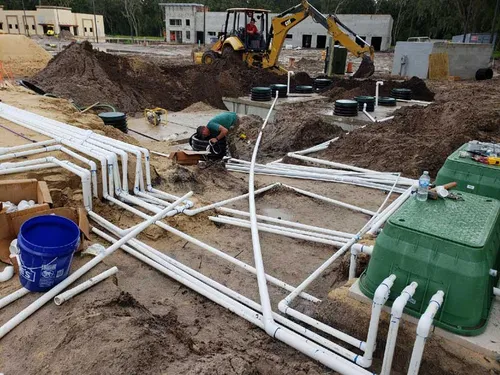
Advanced Septic Services, Inc.
14300 East Side St, Groveland, FL 34736
Advanced Septic Services, Inc. provides septic system maintenance and grease trap cleaning in Apopka, FL, and throughout Lake County. They offer a range of services including septic tank pump outs, drain field repair and installation, septic system inspections, and grease trap maintenance for residential, commercial, and municipal clients. Established in 1999, the company uses advanced technology and equipment to deliver comprehensive septic solutions. They also serve restaurants and communities with storm water clarification and sewer collection system services.
Understanding Local Grease Interceptor Regulations
Clermont restaurants must adhere to regulations set by both the State of Florida Department of Environmental Protection (DEP) and local municipal codes, which are typically enforced by the City of Clermont Public Works/Wastewater Department. The core rule is that any facility involved in food preparation must have a properly sized and functioning grease trap or interceptor. These devices are designed to capture FOG before wastewater leaves your property. Local codes often specify design requirements, including necessary flow rates (e.g., 20-50 gallons per minute), the inclusion of flow control devices, proper air intake, and watertight construction 1 2. A common prohibition is connecting garbage disposals directly to a grease interceptor, as this can overwhelm the system with solids and reduce its effectiveness 1.
Mandatory Cleaning Schedules and the "25% Rule"
One of the most critical aspects of compliance is adhering to a strict cleaning schedule. The universal benchmark, enforced by inspectors, is the "25% rule." Your grease interceptor must be pumped out and cleaned when the combined volume of FOG and settled solids reaches 25% of the unit's total capacity 3 4. For many high-volume kitchens, this threshold can be reached quickly. As a result, regulations often stipulate cleaning at a minimum frequency-such as every 30 days-or when the 25% level is reached, whichever comes first 4. Relying on a "set it and forget it" monthly schedule can be risky; a busy period could fill your trap faster, leaving you in violation. Proactive, frequent checking of your interceptor's condition is the best practice.
What Inspectors Look For During a Visit
Inspections by city or county officials can be unannounced, so consistent maintenance is key. When an inspector arrives, they will check several specific items to determine your compliance status:
- FOG and Solids Level: The primary check is measuring the accumulation of grease and solids against the trap's total capacity, enforcing the 25% rule.
- Physical Condition: Inspectors will ensure the interceptor lid is securely closed and in good repair, with no cracks or leaks. They will also check that the inlet and outlet tees are clear and functioning.
- Maintenance Logs: You are required to maintain detailed service records. Inspectors will ask for logs that include the date of each pump-out, the name of the service provider, the volume of waste removed, and the disposal manifest number. The absence of these records is itself a violation.
- Overall Cleanliness and Accessibility: The area around the interceptor must be clean and clear of debris to allow for safe and easy service and inspection.
Consequences of Non-Compliance
Failing to maintain your grease interceptor properly can lead to significant penalties for your Clermont restaurant. Enforcement actions typically begin with a Notice of Violation (NOV) but can escalate quickly 5. Potential consequences include:
- Substantial Fines: Monetary penalties can be levied for each violation and may accumulate for each day the issue remains unresolved.
- Permit Actions: Your wastewater discharge permit could be suspended or revoked, which can legally halt your restaurant's operations.
- Operational Shutdown: In severe cases, or for repeated violations, the city can issue a stop-work order, effectively closing your business until the problem is corrected and all fines are paid.
- Cleanup Costs: If a grease blockage causes a sewer overflow or damage to public infrastructure, your business may be held financially responsible for the cleanup and repair costs.
Service Expectations and Cost Considerations
When you hire a professional for grease trap pumping in Clermont, you should expect a thorough service. A reputable provider will completely evacuate all contents-FOG, wastewater, and solids-power-wash or steam-clean the interior of the interceptor, and inspect all components for damage. They will also provide you with a detailed service report and manifest, which is your proof of compliance for inspectors.
The cost for this essential service varies. For a standard hydromechanical grease interceptor (HGI) commonly used by restaurants, you can expect to pay between $200 and $500+ per pump-out, depending on the size of the unit, its location, and the amount of waste removed 6. Additional charges may apply for emergency service, excessive FOG buildup, or if the trap has been severely neglected. While this is an operational expense, it is far more economical than the fines and business disruption caused by non-compliance.
Find the perfect grease trap cleaning companies for your needs
Get personalized recommendations and expert advice
Maintaining Your Records and Proactive Best Practices
Beyond the physical cleaning, administrative diligence is your best defense. Create a dedicated logbook or digital file for all grease interceptor maintenance. After every service, file the paperwork provided by your service company. It's also wise to perform your own visual check of the trap weekly, especially during periods of high kitchen output. Train your kitchen staff on proper FOG disposal practices-like scraping plates into trash bins before washing and using sink baskets to catch solids-to minimize the load on your interceptor and extend the time between necessary pump-outs.
Navigating Specific Code Questions
Municipal codes can be detailed. For the exact chapter and section governing grease interceptors in Clermont, the definitive source is the City of Clermont Public Works or Wastewater Department 7. They can provide you with the specific local ordinances that apply to your business address, including any requirements for permits, installation standards for new construction or renovations, and approved methods for grease waste hauling and disposal. Proactively reaching out to them for clarification demonstrates a commitment to compliance and can help you avoid misunderstandings.
Frequently asked questions
Sources
Footnotes
-
Grease Traps - UpCodes - https://up.codes/s/grease-traps ↩ ↩2
-
Section 1003 - Interceptors and Separators | Wildwood Florida - https://www.wildwood-fl.gov/waste-water/page/section-1003-interceptors-and-separators ↩
-
Grease Waste | Florida Department of Environmental Protection - https://floridadep.gov/waste/permitting-compliance-assistance/content/grease-waste ↩
-
HYDROMECHANICAL GREASE INTERCEPTOR (HGI ... - https://www.spokanecounty.gov/DocumentCenter/View/51138/Hydromechanical-Grease-Interceptor-HGI-Maintenance---English?bidId= ↩ ↩2
-
Grease Trap Inspection - InterNACHI® - https://www.nachi.org/grease-trap-inspection.htm ↩
-
Restaurant Grease Trap Cleaning FAQs - Mahoney Environmental - https://www.mahoneyes.com/restaurant-grease-trap-cleaning-faqs/ ↩
-
Grease Trap Hazards - OSHA - https://www.osha.gov/sites/default/files/publications/OSHA3986.pdf ↩