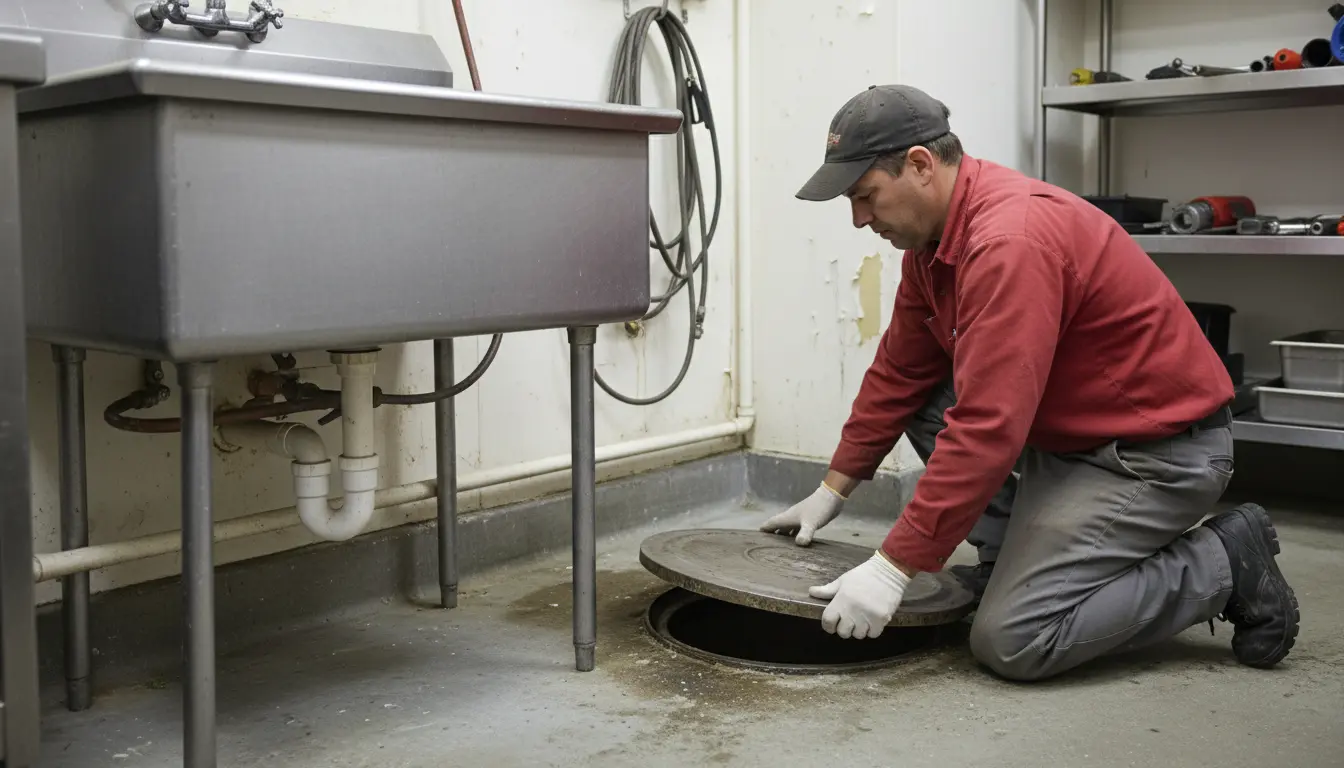
Find the Best Grease Trap Cleaning Companies for Your Business
No obligation • Fast responses • Nationwide coverage

Why you can trust Restaurant Waste Disposal
Restaurant Waste Disposal is a leading U.S. resource for comparing restaurant composting, food-waste recycling, grease trap cleaning, and used cooking oil collection services. Our editorial team researches providers, checks credentials, and organizes unbiased information so operators can make informed decisions. Companies cannot pay to change ratings or placement.
Search providers near you
Top Grease Trap Cleaning Companies in Bonita Springs, Florida Ranked
For any restaurant or food service establishment in Bonita Springs, managing fats, oils, and grease (FOG) is not just a matter of kitchen maintenance-it's a strict legal requirement. Operating under the oversight of Lee County Utilities and Bonita Springs Utilities (BSU), local businesses must adhere to a detailed set of regulations for grease interceptor installation, servicing, and record-keeping. These rules are designed to protect the city's sewer infrastructure from costly blockages and environmental damage. Compliance involves regular pumping by licensed haulers, meticulous documentation, and preparedness for periodic inspections. Understanding and proactively managing your grease trap service is essential for smooth operations and avoiding significant fines or licensing issues.
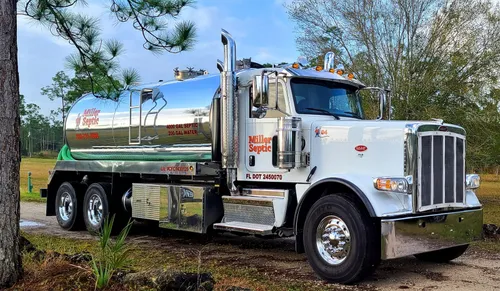
Miller Septic
5020 Bayline Dr, North Fort Myers, FL 33917
Miller Septic is a certified provider of residential and commercial septic services based in Cape Coral, FL. They serve all of Southwest Florida, including Fort Myers, Lehigh, and Port Charlotte. Their services include pumping, cleaning, inspections, repairs, and installations of septic systems, as well as grease trap pumping and cleaning. They also offer full jetting and line cleaning. Miller Septic provides 24/7 service to accommodate urgent needs.
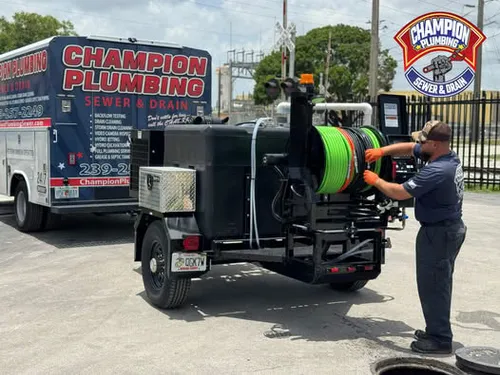
Champion Plumbing Sewer & Drain LLC
931 NE 7th St Suite B, Cape Coral, FL 33909
Champion Plumbing Sewer & Drain LLC is a veteran and family-owned plumbing company based in Cape Coral, FL, serving Lee, Charlotte, Collier, Hendry, and Sarasota counties. They provide a wide range of services including general plumbing, grease trap cleaning, hydro jetting, video inspections, septic tank maintenance, backflow testing, lift station services, stormwater management, sewer and drain cleaning, and hydro excavation. With over 50 years of combined experience, their licensed plumbers use advanced tools like high-resolution cameras and hydro jetting equipment to diagnose and address plumbing issues effectively. Champion Plumbing Sewer & Drain offers 24/7 availability for emergencies, ensuring prompt response at any time.
Roto-Rooter Plumbing & Drain Services
268 Professional Pl, North Fort Myers, FL 33903
Roto-Rooter Plumbing & Drain Services provides comprehensive plumbing solutions in Cape Coral, FL, and surrounding areas. They serve both residential and commercial clients with a wide range of services including grease trap cleaning, sewer and drain cleaning, water heater repair and installation, and emergency flood and water damage cleanup. Their commercial capabilities include high-pressure water jetting (hydro-jetting) and grease trap maintenance, supporting businesses such as restaurants and industrial facilities. With 24/7 emergency availability, Roto-Rooter addresses urgent plumbing issues like burst pipes and sewer backups promptly. The company is fully licensed and insured, offering advanced inspection and trenchless sewer repair technologies to minimize disruption.
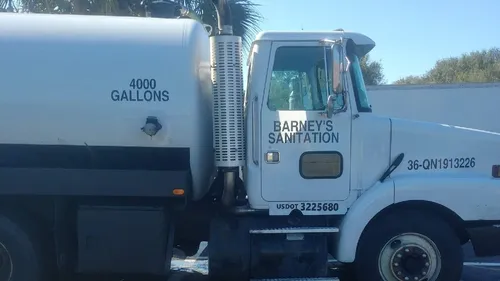
Barney's Sanitation LLC.
Cape Coral, FL
Barney's Sanitation LLC. provides grease trap cleaning services in Cape Coral, FL. The company handles routine maintenance and emergency situations related to septic systems and grease traps. Customers have noted helpful advice provided during after-hours calls to manage issues until regular service is available.
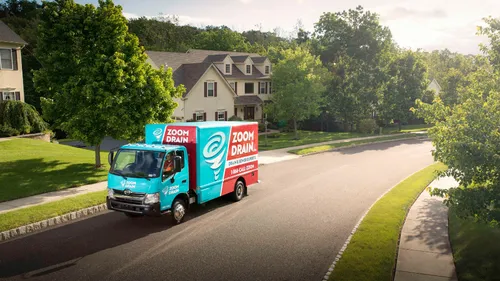
Zoom Drain Southwest Florida
17030 Alico Commerce Ct #313, Fort Myers, FL 33967
Zoom Drain Southwest Florida is a drain and sewer service provider based in Cape Coral, FL. They offer residential and commercial drain cleaning, sewer repair, and maintenance services throughout Southwest Florida, including Fort Myers and surrounding areas. The company specializes in grease trap maintenance and uses advanced tools to address complex sewer and drain issues. Backed by over 20 years of experience and a national brand, Zoom Drain serves property managers, contractors, and homeowners with tailored solutions. Their team includes certified technicians trained to handle a range of plumbing needs, and they provide routine maintenance plans and a contractor referral program.
Understanding Local Grease Interceptor Regulations
In Bonita Springs, FOG management is governed by a combination of state and local ordinances. The foundational rule is Lee County Ordinance 14-24, which mandates that all food service establishments install and maintain approved grease traps or interceptors. This local law works in conjunction with the Florida Building Code and is enforced to prevent sewer overflows. The Bonita Springs Utilities (BSU) FOG Program provides specific oversight, requiring evaluations for new facilities and re-evaluations for any significant changes in your kitchen's operation or volume 1. Non-compliance isn't taken lightly; violations discovered during inspections can lead to substantial fines and even jeopardize your business license.
The Critical 25% Rule and Pumping Frequency
A cornerstone of local maintenance requirements is the "25% Rule." You are legally obligated to have your grease interceptor cleaned when the combined accumulation of fats, oils, grease, and solids reaches 25% of the liquid depth of the trap 2. Waiting until the trap is fuller can lead to reduced efficiency and increase the risk of grease escaping into the sewer lines.
For most Bonita Springs restaurants, this rule translates into a consistent pumping schedule:
- Internal Grease Traps (smaller units under sinks): Typically require service every 30 days due to their smaller capacity.
- External Grease Interceptors (larger in-ground tanks): Often follow a 90-day (quarterly) schedule, though high-volume establishments may need monthly or bi-monthly service to stay ahead of the 25% threshold 3.
Establishing a routine, preventative maintenance schedule with a licensed provider is the most effective way to ensure you never violate this rule.
Required Documentation and Inspection Readiness
Proper record-keeping is as important as the cleaning itself. You must maintain detailed service records for a minimum of three years. Each time your interceptor is serviced, the licensed hauler should provide you with a manifest or service report. This document is crucial and should include:
- Date of service
- Business name and address
- Volume of waste removed
- Hauler's license information
- Disposal facility destination
Lee County Utilities (LCU) conducts periodic, unannounced inspections to verify compliance 4. During an inspection, you will be asked to present your maintenance records. Failure to produce these manifests can result in a violation. Keeping an organized, easily accessible log of all grease trap maintenance activities is your best defense during an inspection.
Find the perfect grease trap cleaning companies for your needs
Get personalized recommendations and expert advice
The Cost of Compliance and Service in Bonita Springs
Budgeting for grease trap maintenance involves both routine service costs and mandated utility fees. Investing in regular preventative cleaning is almost always more cost-effective than dealing with an emergency or a violation.
Preventative Maintenance Costs: For standard, scheduled cleaning of an external interceptor, restaurants in the Bonita Springs area can expect costs in the range of $175 to $250 or more per service 5 6. The final price depends on factors like the size of the interceptor (e.g., 500-gallon vs. 1,500-gallon), its accessibility, and the service provider.
Additional Cost Factors:
- Small Under-Sink Traps: Cleaning a smaller internal trap may range from $75 to $150 per service 7.
- Neglected or Emergency Service: If a trap is severely clogged or requires emergency attention outside the normal schedule, costs can increase significantly due to the extra labor and equipment required.
- Monthly Utility Fees: In addition to service costs, Lee County adds a monthly FOG control fee to your utility bill. As outlined in Ordinance 14-24, this fee is currently $1.20 per grease trap 8. This fee funds the inspection and enforcement program.
Choosing a Licensed Grease Hauler Service
Selecting the right service provider is a key business decision. A reputable, licensed hauler will not only perform the cleaning but also help ensure your documentation is in order for inspections.
What to Look For:
- Proper Licensing: Ensure the company is licensed to collect and transport grease waste in Florida, with oversight from the Florida Department of Environmental Protection (FDEP).
- Local Knowledge: A provider familiar with Bonita Springs Utilities and Lee County ordinances will understand the specific inspection requirements and documentation standards.
- Transparent Practices: They should provide clear, detailed manifests after each service and be willing to discuss your optimal pumping schedule based on your kitchen's output.
- Proper Disposal: Confirm that the collected grease is taken to a permitted recycling or disposal facility, as required by law 9.
By partnering with a knowledgeable provider, you transform grease trap maintenance from a regulatory burden into a streamlined part of your operational routine, safeguarding your business from preventable disruptions and expenses.
Frequently asked questions
Sources
Footnotes
-
FATS, OILS, & GREASE (FOG) SPECIFICATIONS & DETAILS ... - https://www.bsu.us/wp-content/uploads/2016/09/2016-BSU-Fats-oils-grease-FOG-Specifications.pdf ↩
-
Grease Waste | Florida Department of Environmental Protection - https://floridadep.gov/waste/permitting-compliance-assistance/content/grease-waste ↩
-
Florida Grease Trap Regulations Concern Commercial ... - https://replaceyourgarbagedisposal.com/grease-trap/florida-grease-trap-regulations-concern-commercial-kitchen-owners/ ↩
-
F.O.G. Program (Fats, Oils, Grease) - https://www.leegov.com/utilities/customer-resource-center/fog-program ↩
-
Ultimate Bonita Springs Grease Trap Maintenance Guide - Shyft - https://www.myshyft.com/blog/grease-trap-cleaning-bonita-springs-florida/ ↩
-
The Cost To Clean A Grease Trap For Restaurants - https://thegreasecompany.com/blog/greasetrapcleaningcost/ ↩
-
How Much Does It Cost To Clean A Grease Trap? - https://www.greasecollection.com/blog/how-much-does-it-cost-to-clean-a-grease-trap/ ↩
-
ordinance no. 14-24 - Lee County Southwest Florida - https://www.leegov.com/bocc/Ordinances/14-24.pdf ↩
-
How to Clean a Grease Trap (and How Often You Should) - https://greaseconnections.com/how-to-clean-a-grease-trap-and-how-often-you-should/ ↩