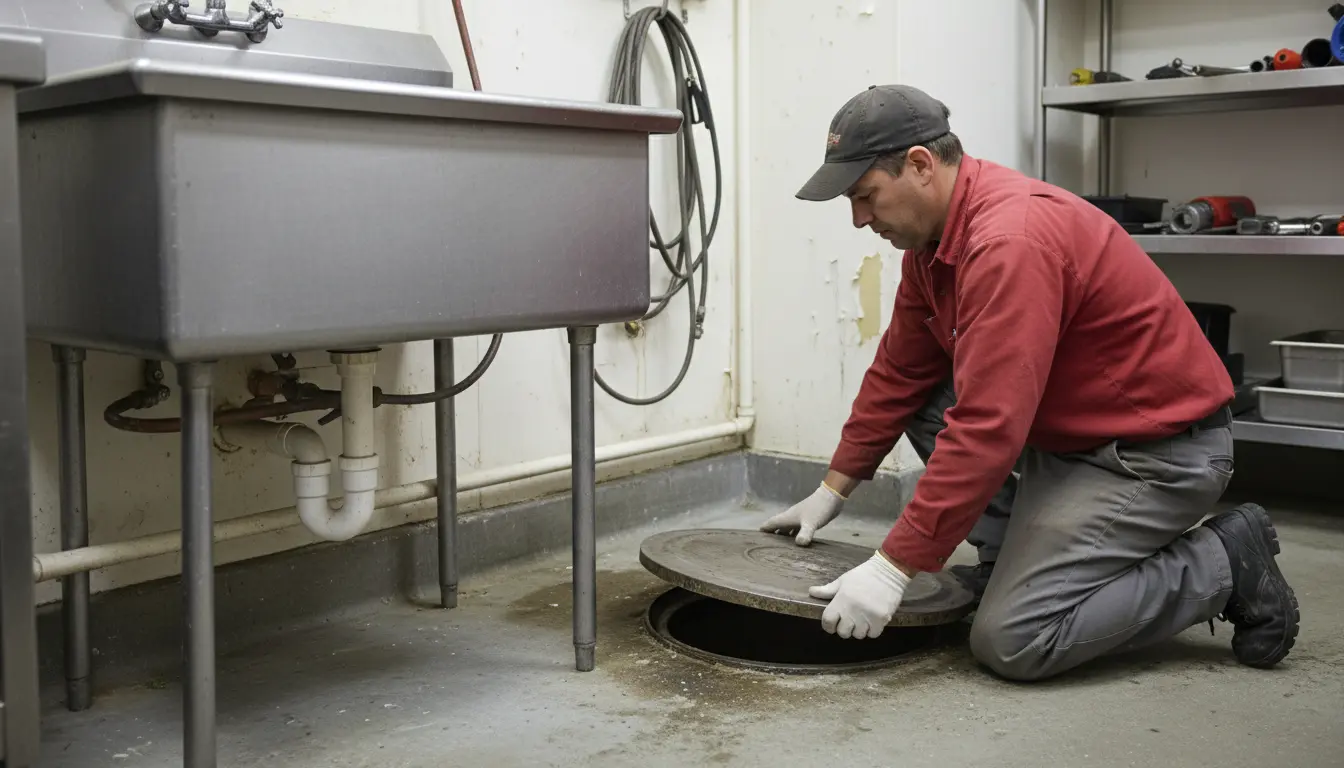
Find the Best Grease Trap Cleaning Companies for Your Business
No obligation • Fast responses • Nationwide coverage

Why you can trust Restaurant Waste Disposal
Restaurant Waste Disposal is a leading U.S. resource for comparing restaurant composting, food-waste recycling, grease trap cleaning, and used cooking oil collection services. Our editorial team researches providers, checks credentials, and organizes unbiased information so operators can make informed decisions. Companies cannot pay to change ratings or placement.
Search providers near you
Top Grease Trap Cleaning Companies in Wake Forest, North Carolina Ranked
For any restaurant, food truck, or commercial kitchen in Wake Forest, proper grease interceptor maintenance is far more than a routine chore-it's a critical regulatory and operational necessity. Managing fats, oils, and grease (FOG) effectively protects your plumbing, ensures compliance with state and local codes, and prevents costly environmental issues. This guide provides Wake Forest food service operators with a clear understanding of the rules, best practices, and practical steps for maintaining a compliant and efficient grease management system.
The regulatory landscape for grease trap and interceptor cleaning in North Carolina involves multiple layers, from the state plumbing code to local utility requirements. At its core, the goal is to prevent FOG from entering the public sewer system, where it can cause blockages, overflows, and significant damage to infrastructure. Non-compliance isn't just a minor oversight; it can lead to substantial fines, service interruptions, and damage to your business's reputation. Proactive, documented maintenance is the key to smooth operations.
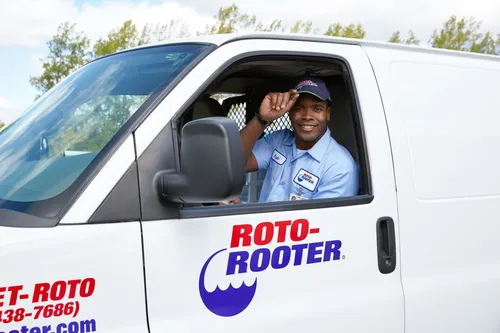
Roto-Rooter Plumbing & Water Cleanup
331 W Main St #307, Durham, NC 27701
Roto-Rooter Plumbing & Water Cleanup provides comprehensive plumbing services in Raleigh, NC, including residential and commercial plumbing, drain cleaning, sewer line repair, and grease trap maintenance. Their team handles emergency plumbing repairs and floodwater cleanup with 24/7 availability. They offer specialized capabilities such as hydro-jetting and trenchless sewer line repair to address a wide range of plumbing issues efficiently. Serving the Raleigh area, Roto-Rooter is experienced in managing plumbing systems for homes and businesses, ensuring compliance with local codes and environmental considerations.
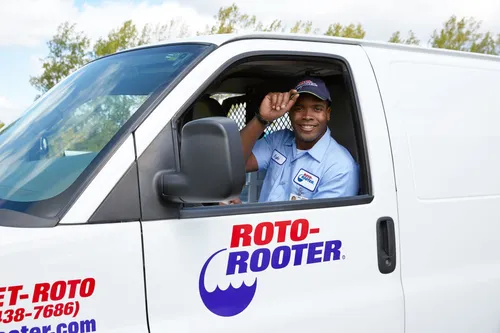
Roto-Rooter Plumbing & Water Cleanup
744 E Chatham St Ste I, Cary, NC 27511
Roto-Rooter Plumbing & Water Cleanup provides commercial plumbing services in Raleigh, NC, including grease trap pumping and cleaning, sewer line excavation, and high-pressure water jetting. They serve a variety of commercial facilities such as restaurants, research centers, and bioscience labs. The company offers 24/7 emergency plumbing services to address urgent issues like sewer backups and water heater repairs. Their capabilities include video camera inspections and trenchless sewer line repairs to minimize disruption. Roto-Rooter is fully licensed and insured, serving the Cary metro area with a comprehensive range of plumbing solutions.
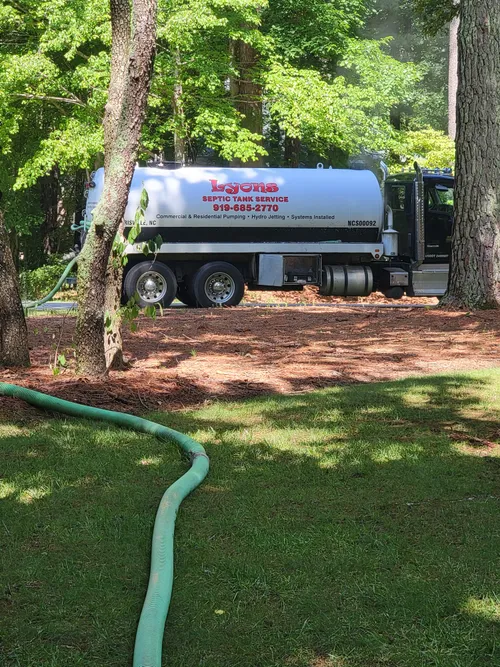
Lyons Septic Tank Service
804 Church St, Morrisville, NC 27560
Lyons Septic Tank Service is a licensed and insured company based near Raleigh, NC, offering septic tank cleaning, grease trap cleaning, and liquid waste hauling. Serving the Greater Triangle area since 1981, they provide services for both residential and commercial clients. Their team uses modern equipment to ensure thorough cleaning and compliance with regulations. With over 40 years of experience, Lyons Septic Tank Service has handled more than 5,000 septic systems and offers emergency response services.
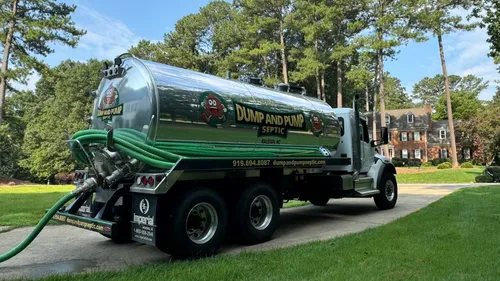
Dump & Pump Septic
515 S New Hope Rd, Raleigh, NC 27610
Dump & Pump Septic is a grease trap cleaning company located in Raleigh, NC. They provide grease trap cleaning services to customers in the Raleigh area.
Bailey's Septic Tank Service
1211 N Raleigh Blvd, Raleigh, NC 27610
Bailey's Septic Tank Service is a licensed and certified company based in Raleigh, NC, offering septic system services to Wake, Franklin, Johnston County, and nearby areas. They provide septic tank cleaning and pumping, repairs, installations, and grease trap cleaning for residential, commercial, and government clients. With years of industry experience, their technicians deliver knowledgeable service and state-of-the-art septic solutions.
Understanding North Carolina and Wake Forest Regulations
Compliance begins with knowing the rules. In Wake Forest, your grease management practices must align with regulations from the state down to the local level.
State Plumbing Code Requirements: The North Carolina State Building Code: Plumbing Code mandates the installation of grease interceptors or automatic grease removal devices for all fixtures that discharge FOG in food preparation and clean-up areas1. This applies to restaurants, hotels, cafeterias, and similar establishments. The code sets the standard for what you must have installed.
North Carolina Department of Environmental Quality (NCDEQ) Rules: The NCDEQ regulates the disposal of grease trap waste, classified as "septage." State law (G.S. 130A-291.1) requires that this material be collected and transported only by a licensed hauler permitted by the state. Proper disposal typically involves land application at permitted sites or treatment at authorized facilities. Using an unlicensed service for pumping or disposal is a violation of state law.
Local Wake Forest & Utility Oversight: While the Town of Wake Forest may reference state codes, the specific enforcement of pumping frequency and inspection often falls under the authority of the local water and sewer utility. Utilities establish policies to protect their collection systems. Common local rules include:
- Mandating regular pumping on a set schedule (e.g., every 30, 60, or 90 days).
- Prohibiting the "backflushing" or washing of grease interceptor solids back into the sewer line.
- Requiring that interceptors be readily accessible for inspection and servicing.
- Mandating that businesses keep detailed maintenance records on-site for review.
Determining Your Grease Trap Pumping Frequency
How often should you schedule grease interceptor pumping? There is no one-size-fits-all answer, as it depends on your volume of FOG production, the size of your interceptor, and your specific local requirements. However, general guidelines can help you establish a baseline.
- High-Volume Kitchens: Establishments like busy full-service restaurants or large cafeterias typically need service every 1 to 3 months.
- Medium-Volume Operations: Casual dining spots, bakeries, or pubs may require pumping every 3 to 6 months.
- Low-Volume Establishments: Coffee shops, pizza take-outs, or seasonal operations might extend service to every 6 to 12 months2 3.
The most reliable method is to have your interceptor inspected regularly. A common rule enforced by many municipalities is that a trap must be pumped when the combined FOG and solids layer reaches 25% of the liquid depth-meaning the trap is 75% full of water4. Waiting until it's completely full or overflowing is a violation and an operational emergency. Regular visual checks by your staff for slow drains, odors, or visible grease buildup can serve as early warning signs5.
Costs for Grease Interceptor Service in Wake Forest
The cost for professional grease trap pumping and cleaning varies based on several factors. Understanding these can help you budget effectively and avoid unexpected expenses.
Scheduled Maintenance Costs: For a routine, scheduled service on a standard-sized grease interceptor common for many restaurants, you can expect costs to range from $175 to $400 per service6 7. Many service providers offer discounted rates or more predictable pricing if you sign a recurring service contract, which also helps ensure you never miss a required pumping date.
Factors Influencing Price:
- Interceptor Size and Location: Larger traps or those in difficult-to-access locations (e.g., indoors, under equipment, in tight basements) will cost more.
- Condition and Neglect: A well-maintained trap is quicker to service. Traps that have been neglected, leading to hardened grease and excessive solids, require more labor and time, increasing the cost.
- Emergency Service: Requiring a pump-out outside of normal business hours or due to a blockage/overflow constitutes an emergency call, which can cost $800 to $1,200 or more8.
Investing in regular scheduled maintenance is almost always far less expensive than paying for emergency repairs, fines, or the business interruption caused by a sewer backup.
Find the perfect grease trap cleaning companies for your needs
Get personalized recommendations and expert advice
A Step-by-Step Guide to Compliant Grease Management
Staying compliant involves more than just calling a pumper. Follow this checklist to ensure you meet all regulatory and operational requirements.
- Hire a Licensed Hauler: This is your first and most critical step. Verify that the service provider you choose holds a valid permit from the NCDEQ under G.S. 130A-291.1 for the collection and transportation of grease septage9. A reputable company will be able to provide proof of licensing.
- Demand Complete Cleaning: When service is performed, ensure the provider removes all contents-water, FOG, food solids, and sludge-from the interceptor. The unit should be left empty and clean. Confirm they do not engage in "backflushing," which is illegal and merely pushes problems downstream10.
- Document Everything: Upon completion of service, you should receive a detailed manifest or receipt from the hauler. This document is your proof of compliance. File it immediately in a dedicated logbook or folder on-site. Your records should include the date, the company name, the volume of waste removed, and the disposal facility used 11.
- Conduct Regular Visual Inspections: Assign a staff member to periodically check the interceptor. Look for signs it's nearing capacity or any foul odors emanating from the area. This proactive step can help you schedule service before it becomes an urgent problem.
- Know Your Local Ordinance: Contact the Town of Wake Forest Public Works Department or your local water/sewer utility directly. Ask for a copy of their specific grease control policy or ordinance to confirm any mandated pumping frequencies, inspection schedules, or reporting requirements unique to the area12.
Consequences of Non-Compliance
Ignoring grease interceptor maintenance carries significant risks. Enforcement typically involves inspections by local utility or health department officials. If you are found to be non-compliant-whether due to missed pump-outs, lack of documentation, evidence of backflushing, or an overflow-you may face:
- Substantial Fines: Monetary penalties can be levied for each violation.
- Operational Shutdown: In severe cases, a health department or utility can order your business to cease operations until the grease management system is brought into compliance.
- Sewer Service Surcharges or Termination: The utility may impose additional fees on your sewer bill or, in extreme repeat cases, terminate sewer service to your property.
- Costly Repairs: Chronic FOG discharge can clog your own building's plumbing and the public sewer line, leading to backups and expensive emergency plumbing repairs.
Best Practices for Reducing FOG in Your Interceptor
While regular pumping is mandatory, you can extend the time between services and improve system efficiency by minimizing the amount of FOG that enters your drains.
- Scrape, Don't Rinse: Train kitchen staff to scrape all food scraps, grease, and oil from plates, pots, and pans into a dedicated waste bin before washing.
- Use Grease Collection Containers: Collect used fryer oil and pan drippings in sealed containers for pickup by a licensed used cooking oil recycler.
- Install and Maintain Kitchen Grease Filters: Use strainers in sink drains to catch solids, and ensure any under-sink grease filters are cleaned regularly.
- Educate Your Team: Ongoing training for all kitchen and dishwashing staff on proper FOG disposal is essential for creating a culture of compliance.
Frequently asked questions
Sources
Footnotes
-
2018 North Carolina State Building Code: Plumbing Code - CHAPTER 10 TRAPS, INTERCEPTORS AND SEPARATORS - 1003.3.1 Grease interceptors and automatic grease removal devices required. - https://codes.iccsafe.org/s/NCPC2018/chapter-10-traps-interceptors-and-separators/NCPC2018-Ch10-Sec1003.3.1 ↩
-
Grease Trap Pumping Services for NC Restaurants | Full Circle Environmental - https://www.fullcircleenv.com/services/grease-trap-pumping/ ↩
-
Grease Trap Cleaning Frequency North Carolina by Municipality - https://grease-cycle.com/grease-pumping-frequency-north-carolina/ ↩
-
Div 02535 - Grease and Oil Control - https://www.owasa.org/app/uploads/2019/12/grease-oil-control-2015-01-29.pdf ↩
-
Essential Raleigh Grease Trap Cleaning Guide For Facilities ... - https://www.myshyft.com/blog/grease-trap-cleaning-raleigh-north-carolina/ ↩
-
Ultimate Grease Trap Pumping Cost Guide: Essential Money-Saving ... - https://www.texwaywastewater.com/grease-trap-pumping-cost/ ↩
-
Grease Trap Cleaning Prices | Guide on the Industry Average - https://grease-cycle.com/grease-trap-pumping-cost/ ↩
-
The Cost To Clean A Grease Trap For Restaurants - https://thegreasecompany.com/blog/greasetrapcleaningcost/ ↩
-
Restaurant Grease Management In North Carolina - https://www.deq.nc.gov/waste-management/dwm/sw/composting-and-land-application/restaurant-grease-management-north-carolina-3/download ↩
-
§ 21-315 GREASE TRAPS/INTERCEPTORS. - https://codelibrary.amlegal.com/codes/maidennc/latest/maiden_nc/0-0-0-4868 ↩
-
Complying with Grease Trap Codes: 5 Essential Tips | Business Name - https://www.unitedsewerservice.com/complying-with-local-regulations-and-codes-for-grease-trap-maintenance/ ↩
-
Grease Control Policy - NC Pretreatment Consortium - https://ncpretreatment.com/wp-content/uploads/2019/07/2019-Grease-Policy-New-Logo.pdf ↩