
Find the Best Grease Trap Cleaning Companies for Your Business
No obligation • Fast responses • Nationwide coverage

Why you can trust Restaurant Waste Disposal
Restaurant Waste Disposal is a leading U.S. resource for comparing restaurant composting, food-waste recycling, grease trap cleaning, and used cooking oil collection services. Our editorial team researches providers, checks credentials, and organizes unbiased information so operators can make informed decisions. Companies cannot pay to change ratings or placement.
Search providers near you
Top Grease Trap Cleaning Companies in Raleigh, North Carolina Ranked
For any restaurant, food truck, or commercial kitchen in Raleigh, managing fats, oils, and grease (FOG) is a critical operational and legal responsibility. Proper grease trap and interceptor maintenance is not just about preventing clogs and foul odors in your own establishment; it's a key component of protecting the city's sewer infrastructure from costly blockages and environmental damage. Raleigh, like municipalities across North Carolina, enforces specific regulations on grease trap pumping frequency, record-keeping, and service provider qualifications. Non-compliance can lead to significant fines and emergency repair costs. This guide outlines the essential practices, local requirements, and cost considerations for effective grease management in the City of Oaks.
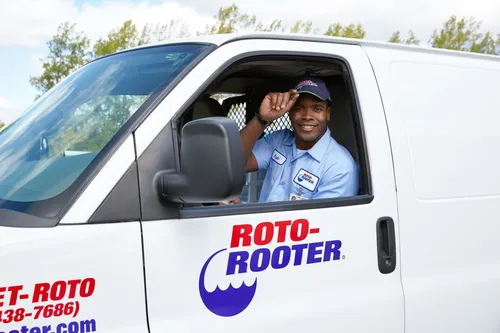
Roto-Rooter Plumbing & Water Cleanup
331 W Main St #307, Durham, NC 27701
Roto-Rooter Plumbing & Water Cleanup provides comprehensive plumbing services in Raleigh, NC, including residential and commercial plumbing, drain cleaning, sewer line repair, and grease trap maintenance. Their team handles emergency plumbing repairs and floodwater cleanup with 24/7 availability. They offer specialized capabilities such as hydro-jetting and trenchless sewer line repair to address a wide range of plumbing issues efficiently. Serving the Raleigh area, Roto-Rooter is experienced in managing plumbing systems for homes and businesses, ensuring compliance with local codes and environmental considerations.
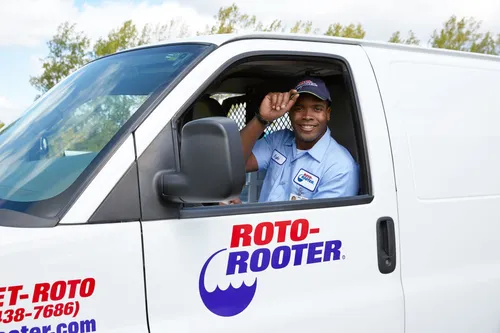
Roto-Rooter Plumbing & Water Cleanup
744 E Chatham St Ste I, Cary, NC 27511
Roto-Rooter Plumbing & Water Cleanup provides commercial plumbing services in Raleigh, NC, including grease trap pumping and cleaning, sewer line excavation, and high-pressure water jetting. They serve a variety of commercial facilities such as restaurants, research centers, and bioscience labs. The company offers 24/7 emergency plumbing services to address urgent issues like sewer backups and water heater repairs. Their capabilities include video camera inspections and trenchless sewer line repairs to minimize disruption. Roto-Rooter is fully licensed and insured, serving the Cary metro area with a comprehensive range of plumbing solutions.
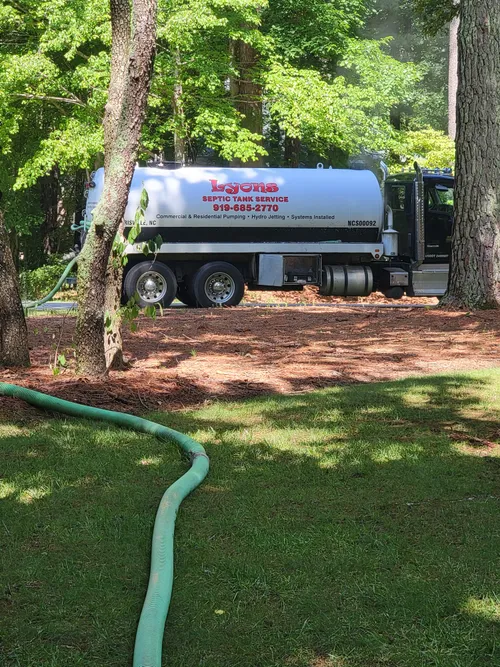
Lyons Septic Tank Service
804 Church St, Morrisville, NC 27560
Lyons Septic Tank Service is a licensed and insured company based near Raleigh, NC, offering septic tank cleaning, grease trap cleaning, and liquid waste hauling. Serving the Greater Triangle area since 1981, they provide services for both residential and commercial clients. Their team uses modern equipment to ensure thorough cleaning and compliance with regulations. With over 40 years of experience, Lyons Septic Tank Service has handled more than 5,000 septic systems and offers emergency response services.
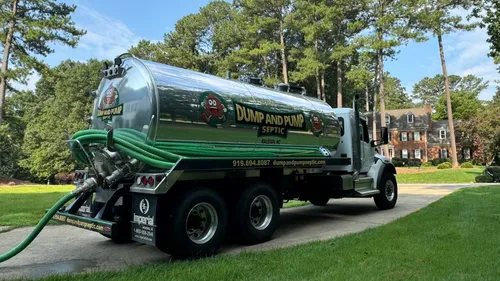
Dump & Pump Septic
515 S New Hope Rd, Raleigh, NC 27610
Dump & Pump Septic is a grease trap cleaning company located in Raleigh, NC. They provide grease trap cleaning services to customers in the Raleigh area.
Bailey's Septic Tank Service
1211 N Raleigh Blvd, Raleigh, NC 27610
Bailey's Septic Tank Service is a licensed and certified company based in Raleigh, NC, offering septic system services to Wake, Franklin, Johnston County, and nearby areas. They provide septic tank cleaning and pumping, repairs, installations, and grease trap cleaning for residential, commercial, and government clients. With years of industry experience, their technicians deliver knowledgeable service and state-of-the-art septic solutions.
Understanding Raleigh's Grease Trap Regulations
Compliance begins with knowing the rules. In Raleigh, grease interceptor maintenance is governed by a combination of city ordinances and state environmental codes. The primary trigger for required pumping is when accumulated solids and FOG reach 25% of the trap's total volume1 2. While the specific frequency isn't a one-size-fits-all city mandate, this 25% rule typically translates to a cleaning schedule of every 30 to 90 days, depending entirely on your kitchen's volume and type of food service 3.
A critical regulation is that all pumping and cleaning must be performed by a permitted septage management company licensed by the state. These licensed providers ensure that the collected waste is disposed of or recycled in accordance with state (15A NCAC 13B) and federal regulations (40 CFR 257.3-6 / 503 Subpart D)4 5. Furthermore, you are required to maintain detailed records of every service-including dates, volumes pumped, and the hauler's information-for a minimum of three years for potential inspection.
The High Cost of Non-Compliance: Fines and Penalties
Ignoring these regulations is a costly mistake. Enforcement is taken seriously to protect public sewer systems. Violations can result in direct fines from the city. For instance, paperwork violations, such as failing to maintain or provide service records, can lead to fines around $1506. More severe penalties for inadequate pumping or maintenance that leads to a sewer line issue can incur fines of $500 or more6. Beyond city fines, if your establishment is found to be the source of a sewer blockage, the municipality can pass the significant cleanup and repair costs directly back to your business. Proactive, documented maintenance is your best defense against these financial penalties.
Scheduling and Frequency: Finding Your Rhythm
How often should you schedule grease interceptor service? The answer hinges on your specific operation. A high-volume barbecue restaurant or a busy downtown diner will fill its trap much faster than a low-turnover cafe. Indoor, under-sink grease traps typically require more frequent attention-often every 30 to 60 days7. Larger, outdoor grease interceptors may be on a 60- to 90-day schedule.
The most reliable method is to start with a conservative schedule (e.g., monthly) recommended by your licensed service provider. They can assess your trap size and grease production after a few cycles and recommend the optimal frequency to stay safely below the 25% threshold. Never wait for obvious signs of trouble, like slow-draining sinks or unpleasant odors, as this indicates an overdue trap and an imminent risk of backup or violation8.
Cost Breakdown: Scheduled Maintenance vs. Emergency Service
Budgeting for grease trap cleaning is a fundamental part of restaurant operations. Costs are directly tied to the nature of the service. For regular, scheduled pumping and cleaning, Raleigh-area restaurants can expect to pay an average of $250 to $400 per service. This price can vary based on the size of your interceptor, its accessibility, and whether you are on a recurring service contract.
Find the perfect grease trap cleaning companies for your needs
Get personalized recommendations and expert advice
In stark contrast, emergency service is exponentially more expensive. A call for an urgent pump-out due to a full trap or a backup can easily cost $800 to $1,200 or more9 10. This premium reflects the immediate response, potential after-hours service, and the higher likelihood of dealing with a severe clog or cleanup. Investing in a preventative maintenance schedule is the most effective way to avoid these emergency fees and the operational disruption they cause.
Best Practices for Proactive Grease Management
Beyond hiring the right provider, there are several steps you can take to improve efficiency and compliance:
- Establish a Preventative Schedule: Work with your permitted hauler to set a recurring service date based on your needs. Mark it on the calendar and treat it as non-negotiable.
- Conduct Weekly Visual Checks: Train staff to quickly look for obvious signs of grease buildup or scum layer thickness in accessible traps. Early awareness can prevent problems.
- Meticulous Documentation: Keep a dedicated logbook or digital folder for every service ticket, waste manifest, and invoice. This is your proof of compliance.
- Educate Kitchen Staff: Proper kitchen practices are the first line of defense. Scrape plates thoroughly, avoid pouring grease down drains, and use drain screens to catch solids.
The Role of Professional Grease Trap Services
A qualified, licensed grease trap service does more than just pump out waste. They handle the complex logistics of transporting and disposing of FOG in an environmentally compliant manner, often recycling it into biofuels11. They provide the necessary documentation for your records, can advise on optimizing your maintenance schedule, and help you navigate local regulations. Choosing a reputable provider is an investment in your restaurant's smooth operation and regulatory standing.
Frequently asked questions
Sources
Footnotes
-
§ 21-315 GREASE TRAPS/INTERCEPTORS. - https://codelibrary.amlegal.com/codes/maidennc/latest/maiden_nc/0-0-0-4868 ↩
-
Essential Raleigh Grease Trap Cleaning Guide For Facilities ... - Shyft - https://www.myshyft.com/blog/grease-trap-cleaning-raleigh-north-carolina/ ↩
-
Grease Trap Cleaning Frequency North Carolina by Municipality - https://grease-cycle.com/grease-pumping-frequency-north-carolina/ ↩
-
How to Clean a Grease Trap (and How Often You Should) - https://greaseconnections.com/how-to-clean-a-grease-trap-and-how-often-you-should/ ↩
-
Grease Trap Regulations and Compliance: What You Need to Know - https://www.texwaywastewater.com/grease-trap-regulations-and-compliance/ ↩
-
Considerations in Establishing a Municipal Oil and Grease ... - https://oakboro.com/PDF/MUNICIPAL%20FOG%20PROGRAMS.pdf ↩ ↩2
-
15a ncac 18e .0803 grease tank capacity requirements - http://reports.oah.state.nc.us/ncac/title%2015a%20-%20environmental%20quality/chapter%2018%20-%20environmental%20health/subchapter%20e/15a%20ncac%2018e%20.0803.pdf ↩
-
Restaurant Grease Trap Maintenance: Best Practices & Step- ... - Boh - https://boh.ai/blog-article/restaurant-grease-trap-maintenance-a-complete-guide-for-kitchen-efficiency ↩
-
Ultimate Grease Trap Pumping Cost Guide: Essential Money-Saving ... - https://www.texwaywastewater.com/grease-trap-pumping-cost/ ↩
-
Grease Trap Cleaning Prices | Guide on the Industry Average - https://grease-cycle.com/grease-trap-pumping-cost/ ↩
-
Restaurant Grease Management In North Carolina - https://www.deq.nc.gov/waste-management/dwm/sw/composting-and-land-application/restaurant-grease-management-north-carolina-3/download ↩