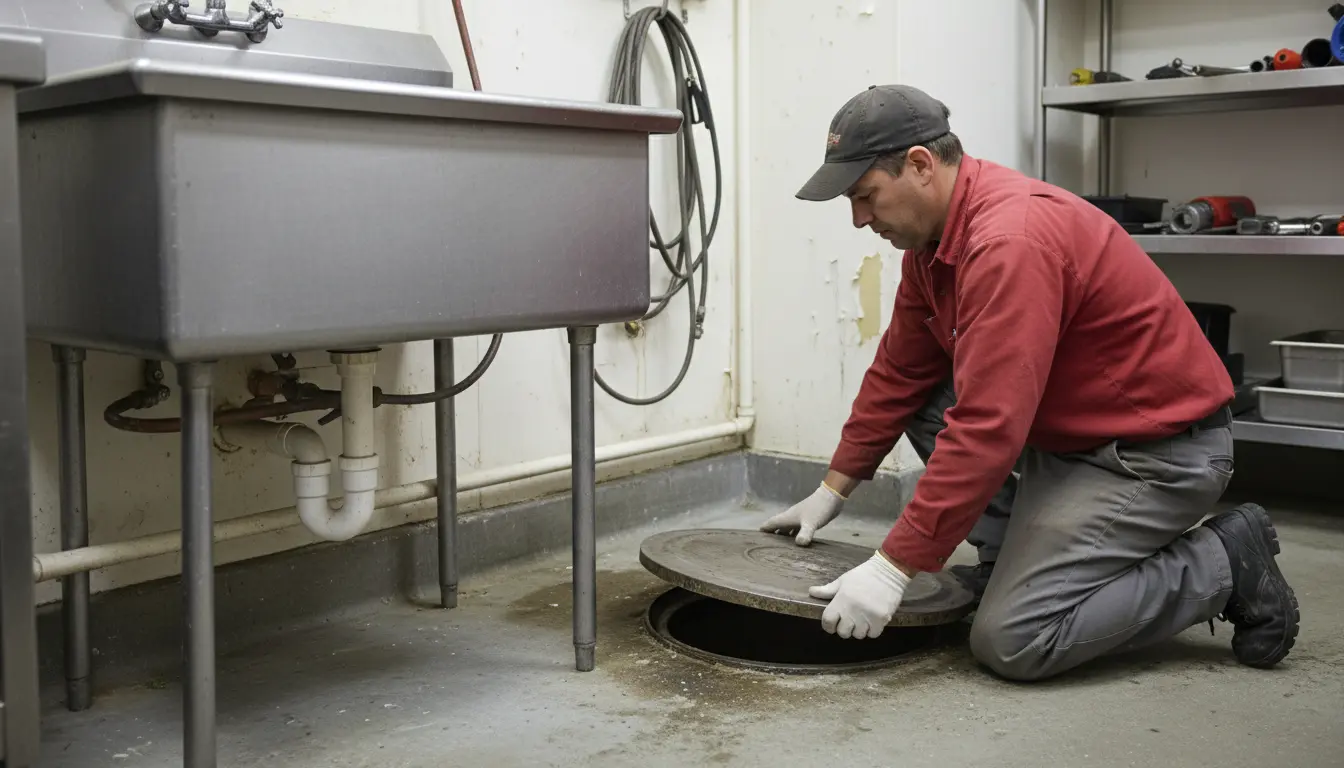
Find the Best Grease Trap Cleaning Companies for Your Business
No obligation • Fast responses • Nationwide coverage

Why you can trust Restaurant Waste Disposal
Restaurant Waste Disposal is a leading U.S. resource for comparing restaurant composting, food-waste recycling, grease trap cleaning, and used cooking oil collection services. Our editorial team researches providers, checks credentials, and organizes unbiased information so operators can make informed decisions. Companies cannot pay to change ratings or placement.
Search providers near you
Top Grease Trap Cleaning Companies in Wilmington, North Carolina Ranked
For any restaurant or food service establishment in Wilmington, managing fats, oils, and grease (FOG) is a critical operational and regulatory responsibility. Proper grease trap and interceptor maintenance is not just about preventing clogs and odors in your kitchen; it's a legal requirement enforced by the Cape Fear Public Utility Authority (CFPUA) and the North Carolina Department of Environmental Quality (NCDEQ) to protect the local sewer system and coastal waterways. Failure to adhere to strict cleaning schedules and record-keeping can lead to severe fines and operational disruptions. This guide outlines the essential requirements, best practices, and local considerations for effective grease management in Wilmington.
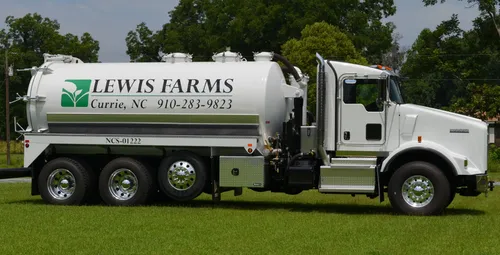
Lewis Farms & Liquid Waste - Wilmington
Wilmington, NC
Lewis Farms & Liquid Waste - Wilmington provides grease trap cleaning and septic system services in Wilmington, NC. They serve residential and commercial clients, handling liquid waste removal and septic pumping with full licensing and insurance. The company has been rated highly in Wilmington for over 10 years and offers 24/7 emergency septic service to address urgent needs at any time. Their team is experienced in servicing thousands of septic systems and responding to emergency calls across southeastern North Carolina.
WM - Wilmington Hauling
Wilmington, NC
WM - Wilmington Hauling provides grease trap cleaning services in Wilmington, NC. They offer regular grease trap pumping and handle pickup of bags or boxes that do not fit in containers. Customers have noted their reliability and professionalism in managing grease trap maintenance.
Understanding Local Codes and Requirements
In Wilmington, the CFPUA sets the standard for grease control. Local ordinances mandate the installation and maintenance of grease interceptors for any facility that discharges grease-laden waste from food preparation areas 1 2. These rules are designed to prevent FOG from entering the public sewer system, where it can solidify, cause blockages, and lead to costly sanitary sewer overflows.
Key prohibited practices in Wilmington include:
- Introducing grease from garbage disposals into grease traps.
- Allowing outdoor grease storage bins to become unsecured or leak.
- Failing to maintain detailed service records for inspections.
For specific questions about local codes, the CFPUA is the primary point of contact. Their regulations work in conjunction with the North Carolina State Plumbing Code, which provides the technical specifications for interceptor installation and capacity.
Determining Your Pumping Frequency
How often you need grease interceptor service is not a one-size-fits-all schedule; it depends on your establishment's volume, menu, and trap size. State guidelines generally require service by a licensed pumper at intervals not exceeding 30 days, though many municipalities approve plans based on actual need.
Common frequency benchmarks for Wilmington restaurants include:
- Monthly Service: Typically for high-volume restaurants, those with heavy frying operations, or establishments with smaller-capacity traps.
- Quarterly Service: May be acceptable for lower-volume cafes or establishments with large-capacity interceptors.
- Volume-Based Trigger: The most reliable method is to clean the trap when it reaches 75% of its capacity. Signs like slow-draining sinks or foul odors are clear indicators that service is overdue 3 4.
A licensed service provider can help you analyze your waste stream and recommend a compliant, cost-effective pumping schedule tailored to your business.
Navigating Inspections and Enforcement
Regulatory compliance is actively monitored. Both the CFPUA and the NCDEQ have the authority to inspect your facility's grease management practices. These inspections are not merely about whether the trap has been pumped, but also about verifying proper documentation.
You must maintain a detailed log that includes:
- Dates of service.
- Name and license number of the pumping company.
- Volume of grease and solids removed.
- Disposal location (the pumper must haul waste to a licensed facility).
- Photographic evidence of the trap before and after pumping is also highly recommended 5 6.
Penalties for non-compliance can be significant, including substantial fines for violations that contribute to sewer line blockages or environmental harm 7 8. Proactive, documented maintenance is your best defense.
Cost Considerations for Service
The cost of grease trap pumping in Wilmington varies based on several factors. On average, restaurants can expect to pay between $264 and $380 per service, though prices can range from as low as $90 to over $650 depending on the specifics of the job 9 10.
Primary factors influencing price are:
- Trap Size and Location: A standard 1000-1500 gallon interceptor might cost between $225 and $315 to pump. Smaller under-sink traps cost less, while larger or hard-to-access interceptors cost more.
- Service Plan: Contracting for regular scheduled service (e.g., monthly or quarterly) often provides a more predictable and sometimes discounted rate compared to one-time emergency calls.
- Volume of Waste: The amount of grease and solids removed can affect the final price.
Find the perfect grease trap cleaning companies for your needs
Get personalized recommendations and expert advice
Choosing a Licensed Service Provider
Not all waste haulers are qualified for grease interceptor service. It is imperative to hire a pumper licensed by the state of North Carolina. A reputable provider will do more than just pump out the trap; they will be a partner in your compliance efforts.
When evaluating providers, ensure they:
- Hold current state licensing for grease waste hauling and disposal.
- Provide comprehensive, detailed service reports after every visit that you can use for your inspection logs.
- Dispose of collected FOG at a licensed recycling or treatment facility, not a landfill.
- Can offer guidance on optimizing your schedule and identifying potential issues before they become violations.
Establishing a relationship with a knowledgeable local service provider is one of the most important steps you can take to simplify grease management.
Proactive Best Practices for Restaurant Owners
Beyond scheduled pumping, daily kitchen practices significantly impact your grease trap's efficiency and lifespan. Implementing these steps can reduce service frequency and minimize risks:
- Scrape, Don't Rinse: Thoroughly scrape food scraps from plates, pots, and pans into the trash before washing.
- Use Strainers: Place strainers in all sink drains to catch solid materials.
- Educate Staff: Train every kitchen employee on proper FOG disposal practices. Make it part of your onboarding process.
- Monitor for Warning Signs: Be alert to slow drainage, gurgling sounds from drains, or unpleasant odors, as these are early signs your trap needs attention.
By integrating these habits into your daily routine, you take control of your grease management, protect your plumbing, and demonstrate a commitment to regulatory compliance and environmental stewardship in the Wilmington community.
Frequently asked questions
Sources
Footnotes
-
Improper practices can pollute our waterways and result in costly ... - https://www.wilmingtonnc.gov/files/assets/city/v/1/services/stormwater/regulations/restaurant-poster.pdf ↩
-
2018 North Carolina State Building Code: Plumbing Code - https://codes.iccsafe.org/s/NCPC2018/chapter-10-traps-interceptors-and-separators/NCPC2018-Ch10-Sec1003.3.1 ↩
-
Grease Trap Pumping Services for NC Restaurants | Full Circle Environmental - https://www.fullcircleenv.com/services/grease-trap-pumping/ ↩
-
Grease Trap Cleaning Frequency North Carolina by Municipality - https://grease-cycle.com/grease-pumping-frequency-north-carolina/ ↩
-
The Ultimate Guide to Restaurant Grease Trap Cleaning: Smart Solutions for Commercial Kitchens - Mokher Plumbing - https://mokherplumbing.com/ultimate-guide-restaurant-grease-trap-cleaning/ ↩
-
Grease Control Policy - NC Pretreatment Consortium - https://ncpretreatment.com/wp-content/uploads/2019/07/2019-Grease-Policy-New-Logo.pdf ↩
-
Restaurant Grease Management In North Carolina - https://www.deq.nc.gov/waste-management/dwm/sw/composting-and-land-application/restaurant-grease-management-north-carolina-3/download ↩
-
Georgia Grease Ordinance: All County Fees & Deadlines - https://greaseconnections.com/georgia-grease-ordinance-fees-deadlines/ ↩
-
Grease Trap in Wilmington, NC - Costs 11 / 2025 - Homeyou - https://www.homeyou.com/nc/grease-trap-wilmington-costs ↩
-
Grease Trap Cleaning Prices | Guide on the Industry Average - https://grease-cycle.com/grease-trap-pumping-cost/ ↩