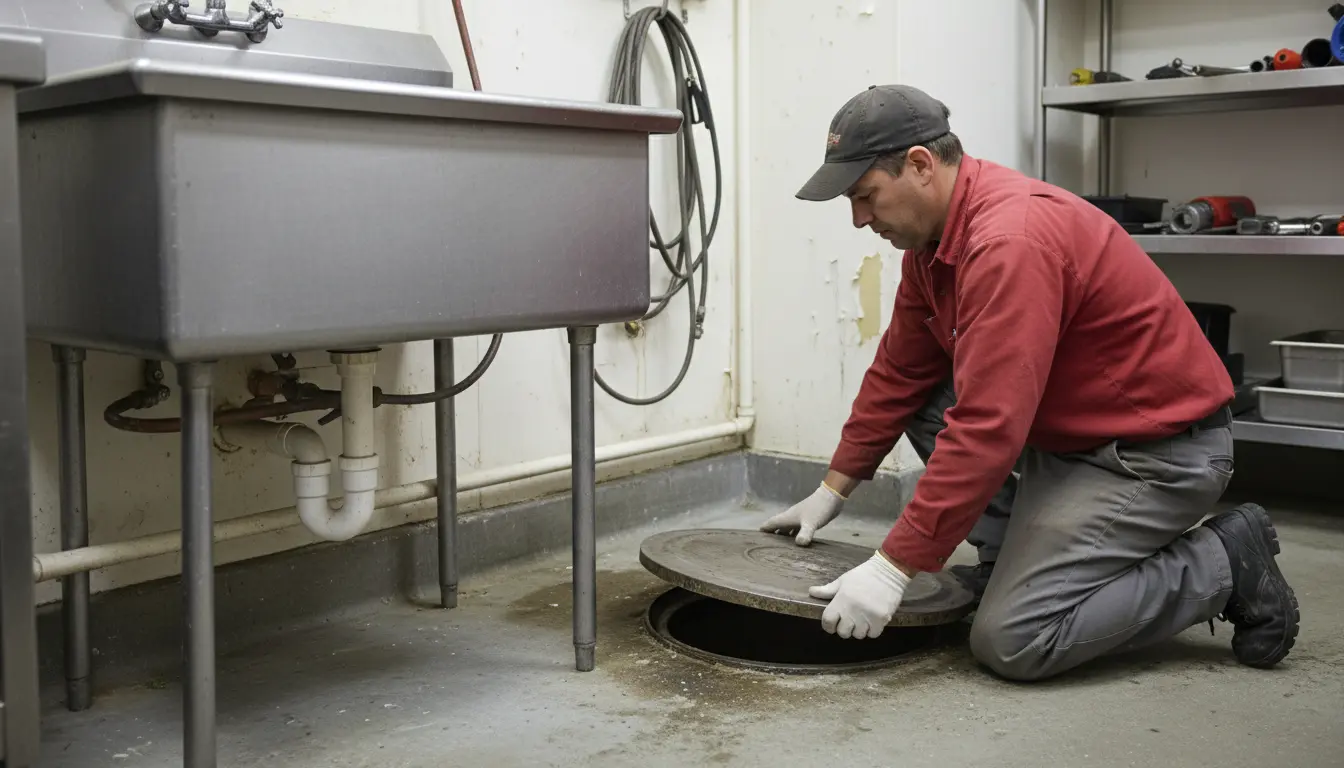
Find the Best Grease Trap Cleaning Companies for Your Business
No obligation • Fast responses • Nationwide coverage

Why you can trust Restaurant Waste Disposal
Restaurant Waste Disposal is a leading U.S. resource for comparing restaurant composting, food-waste recycling, grease trap cleaning, and used cooking oil collection services. Our editorial team researches providers, checks credentials, and organizes unbiased information so operators can make informed decisions. Companies cannot pay to change ratings or placement.
Search providers near you
Best Grease Trap Cleaning Companies in North Carolina Ranked
For restaurant owners and food service operators in North Carolina, managing fats, oils, and grease (FOG) is a critical operational and regulatory task. Proper grease trap and interceptor maintenance is not just about preventing clogs; it's a legal requirement enforced by local municipalities to protect the public sewer system. The rules are not one-size-fits-all, as each city or county in North Carolina sets its own specific standards for cleaning frequency, capacity limits, and permitting. Staying compliant means understanding your local code, maintaining meticulous records, and partnering with a reliable service provider to avoid costly backups, fines, and emergency repairs.
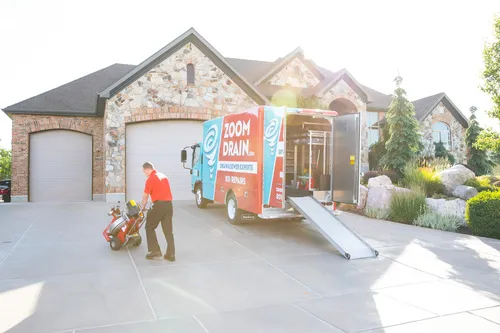
Zoom Drain
114 Eastbend Ct Ste 2, Mooresville, NC 28117
Zoom Drain is a drain and sewer service provider based in Concord, NC, serving the Lake Norman area including Mooresville and surrounding communities. They offer residential and commercial drain cleaning, grease trap maintenance, and sewer line repair. A key capability is their hydro jetting service, which uses high-pressure water jets to clear tough clogs like tree roots, grease, and mineral buildup without chemicals. Established in 1995, Zoom Drain has over 25 years of experience in the industry. They also provide 24/7 emergency drain cleaning services for urgent plumbing needs.
Roto-Rooter Plumbing & Water Cleanup
331 W Main St #307, Durham, NC 27701
Roto-Rooter Plumbing & Water Cleanup provides comprehensive plumbing services in Raleigh, NC, including residential and commercial plumbing, drain cleaning, sewer line repair, and grease trap maintenance. Their team handles emergency plumbing repairs and floodwater cleanup with 24/7 availability. They offer specialized capabilities such as hydro-jetting and trenchless sewer line repair to address a wide range of plumbing issues efficiently. Serving the Raleigh area, Roto-Rooter is experienced in managing plumbing systems for homes and businesses, ensuring compliance with local codes and environmental considerations.

Stanley, A Wind River Company
Charlotte, NC
Stanley, A Wind River Company, offers grease trap cleaning and environmental plumbing services in Charlotte, NC. As part of the Wind River Environmental network, they provide septic pumping, lift station maintenance, and commercial plumbing solutions using advanced technology and extensive resources. Their services focus on maintaining efficient waste and water systems to meet environmental regulations and prevent costly breakdowns.
Roto-Rooter Plumbing & Water Cleanup
363 Church St N Ste 260-I, Concord, NC 28025
Roto-Rooter Plumbing & Water Cleanup provides comprehensive plumbing and water cleanup services in Charlotte, NC, and surrounding areas. Their experienced technicians handle residential and commercial plumbing needs, including sewer and drain cleaning, water heater repair and installation, grease trap cleaning, floodwater cleanup, mold remediation, and sewer line excavation. The company is knowledgeable about local plumbing codes and environmental factors affecting the region's plumbing systems. Roto-Rooter offers 24/7 emergency plumbing services to address urgent issues like burst pipes and sewer backups promptly. They also provide specialized capabilities such as hydro-jetting for drain cleaning and trenchless sewer line repair methods. Serving Concord and nearby communities, Roto-Rooter is a trusted provider with a strong focus on reliable and efficient plumbing solutions.
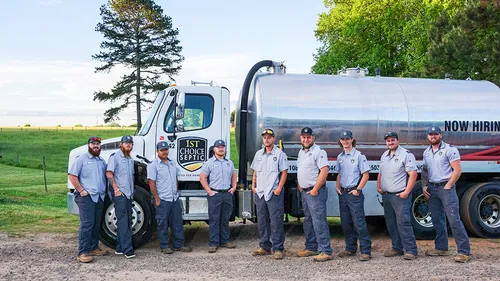
1st Choice Service, a Wind River Environmental Company
Charlotte, NC
1st Choice Service, a Wind River Environmental Company, provides grease trap cleaning and environmental plumbing services in Charlotte, NC. As part of the Wind River Environmental network, the company offers access to advanced technology and extensive resources to support septic, grease, and drain cleaning needs. Their services include grease trap cleaning, lift station maintenance, and septic pumping, all aimed at maintaining efficient plumbing systems and compliance with environmental regulations. The company emphasizes regular maintenance to prevent blockages, system failures, and environmental contamination.
Understanding Local FOG Control Programs
In North Carolina, grease trap regulations are primarily managed at the municipal level through local FOG (Fats, Oils, and Grease) control programs. There is no single, overarching state law that dictates cleaning schedules for every business. Instead, cities like Charlotte, Raleigh, Durham, and counties like Wake establish their own ordinances based on the needs of their wastewater treatment infrastructure.
These local programs are designed to prevent sewer blockages and overflows, which can lead to environmental damage, public health risks, and expensive repairs for the municipality. As a business owner, your first step is to identify which local public works or environmental health department has authority over your location. They can provide your specific requirements, necessary permit applications, and approved waste hauler lists. 1
Key Regulatory Requirements Across North Carolina
While specifics vary, several common themes emerge from local FOG ordinances across the state. Understanding these core requirements will help you build a compliant maintenance plan.
The 25% Rule and Cleaning Triggers
A prevalent standard in many North Carolina jurisdictions, including Charlotte and Raleigh, is the "25% rule." This requires that a grease trap or interceptor be cleaned when the combined volume of FOG and settled solids reaches 25% of the unit's total liquid capacity. 2 Some areas may set this limit higher, but 25% is a widely adopted benchmark to ensure the unit functions effectively.
Beyond this volume-based trigger, cleaning may also be mandated by:
- Elapsed Time: Mandatory minimum cleaning frequencies (e.g., every 30, 60, or 90 days).
- Effluent Concentration: Limits on the amount of FOG (in milligrams per liter) allowed in the water exiting the trap, often tested during inspections. For example, Durham may require action if FOG exceeds 250 mg/L.
- Visual Inspection: An inspector's determination that the unit is not functioning properly.
Mandated Cleaning Frequencies
Your required service interval depends on your business's classification (often based on size and type) and the specific local code. 3
- High-Volume & Large Establishments: Busy restaurants, cafeterias, and food processors typically face the strictest schedules, often requiring grease trap pumping every 30 days.
- Medium-Volume Establishments: Many standard restaurants fall into a category requiring service every 60 to 90 days.
- Lower-Volume or Specific Facilities: Some municipalities, like Salisbury, tier their requirements. A Level I food service establishment might have a 120-day schedule, while a Level II establishment needs service every 90 days. 4
- Large Outdoor Grease Interceptors: These larger units for big facilities may have a longer allowable interval, such as 90 days, but must still adhere to the 25% rule. 5
Permitting and Record-Keeping
Most municipalities require food service establishments to obtain a wastewater discharge permit specifically for their grease control device. 6 This permit outlines your obligations.
A non-negotiable part of compliance is maintaining detailed records. You must keep on file a maintenance manifest or receipt for every service visit, signed by the hauler. This document should include the date, the company's information, the volume of waste removed, and the disposal location. Inspectors will ask to see these records to verify compliance. 7 8
Prohibited Practices
Local codes universally prohibit certain actions to protect the sewer lines. These typically include: 9
- Dumping liquid grease, oils, or melted fat down any drain.
- Using emulsifiers, enzymes, or "grease digester" chemicals that liquefy FOG and allow it to pass into the sewer lines (unless specifically allowed by the local authority).
- Disposing of food scraps via sink garbage disposals without proper pretreatment.
Find the perfect grease trap cleaning companies for your needs
Get personalized recommendations and expert advice
Cost of Grease Trap Services in North Carolina
The cost for grease interceptor maintenance in North Carolina varies based on the size of the trap, its location, and the service type. Understanding these costs helps in budgeting and can illustrate the value of regular maintenance over emergency service.
- Standard Pump-Out Service: For a routine cleaning of a standard indoor or smaller outdoor trap, restaurants can expect to pay between $250 and $400 per service.
- Large Outdoor Interceptor Cleaning: Servicing a large, in-ground concrete interceptor is more labor- and equipment-intensive, with costs typically ranging from $325 to over $1,000 per visit.
- Emergency Service: A clogged or overflowing trap that requires immediate, after-hours attention is significantly more expensive. Emergency pump-out and cleaning can cost between $800 and $1,200 or more. 10 11
Investing in regular, scheduled maintenance at the lower end of this scale is the most cost-effective strategy, preventing the high price of emergencies and potential fines for non-compliance or sewer spills.
Best Practices for Grease Trap Management
Beyond scheduling regular pump-outs, operators can take proactive steps to improve efficiency and extend time between services.
- Train Kitchen Staff: Ensure all employees scrape food scraps into trash bins, wipe greasy pans with paper towels before washing, and never pour grease down drains. 12
- Use Pre-Sink Strainers: Install and regularly empty strainer baskets in all sink drains to catch solids.
- Monitor Trap Performance: Visually check the baffles and water level in accessible traps between professional services.
- Maintain a Service Log: Keep a dedicated binder or digital folder for all permits, service manifests, and any correspondence with inspectors.
- Know Your Local Code: Bookmark your city's FOG program website and contact information. Regulations can be updated, and staying informed is your responsibility.
Consequences of Non-Compliance
Failing to adhere to local grease trap ordinances can lead to serious consequences for a food service business:
- Fines and Penalties: Municipalities can levy significant fines for each violation or each day a violation persists.
- Permit Suspension: In severe cases, your wastewater discharge permit can be suspended or revoked, which can legally force a business to close until the issue is resolved.
- Sewer Backup and Property Damage: A neglected trap will eventually fail, causing raw sewage to back up into your kitchen-a catastrophic event that is expensive to remediate and may force temporary closure.
- Increased Service Costs: Severe blockages or overflows require emergency service, which is far more expensive than routine maintenance.
Frequently asked questions
Sources
Footnotes
-
How often should I pump my grease trap? | Greasecycle - https://grease-cycle.com/how-often-should-i-pump-my-grease-trap/ ↩
-
Charlotte Grease Trap Cleaning: Essential Facilities Maintenance ... - https://www.myshyft.com/blog/grease-trap-cleaning-charlotte-north-carolina/ ↩
-
§ 52.060 REGULATION OF GREASE INTERCEPTORS AND ... - https://codelibrary.amlegal.com/codes/swansboro/latest/swansboro_nc/0-0-0-2129 ↩
-
Fat, Oil, Grease and Wax (FOG) Control Program - Salisbury, NC - https://salisburync.gov/LinkClick.aspx?fileticket=2Wl7WBXzGrU%3D&tabid=495&portalid=0&mid=1837&forcedownload=true ↩
-
Grease Trap Cleaning Frequency North Carolina by Municipality - https://grease-cycle.com/grease-pumping-frequency-north-carolina/ ↩
-
Grease Trap Policy - Franklin, NC - https://www.franklinnc.com/pdf/planning/fog%20policy-07102017151031.pdf ↩
-
Grease Trap Pumping Services for NC Restaurants - Full Circle Septic - https://www.fullcircleenv.com/services/grease-trap-pumping/ ↩
-
Grease Trap Policy - City of Charlotte - https://www.charlottenc.gov/files/sharedassets/cltwater/v/1/documents/developmentprojects/customer-assistance/flow-free/grease-trap-policy.pdf ↩
-
Grease Trap Fact Sheet - City of Goldsboro - https://www.goldsboronc.gov/wp-content/uploads/filebase/inspections/Grease_trap_fact_sheet.pdf ↩
-
Ultimate Grease Trap Pumping Cost Guide: Essential Money-Saving ... - https://www.texwaywastewater.com/grease-trap-pumping-cost/ ↩
-
Grease Trap Pumping Cost vs. Grease Trap Maintenance Cost - https://www.stateindustrial.com/video/cost-comparison-pumping-v-chemicals-to-maintain-a-grease-trap/ ↩
-
City of Durham's Guide to Grease Reduction - https://www.durhamnc.gov/DocumentCenter/View/3528/Commercial-Guide-Restaurants-PDF ↩