Find the Best Grease Trap Cleaning Companies for Your Business
No obligation • Fast responses • Nationwide coverage

Why you can trust Restaurant Waste Disposal
Restaurant Waste Disposal is a leading U.S. resource for comparing restaurant composting, food-waste recycling, grease trap cleaning, and used cooking oil collection services. Our editorial team researches providers, checks credentials, and organizes unbiased information so operators can make informed decisions. Companies cannot pay to change ratings or placement.
Search providers near you
Top Grease Trap Cleaning Companies in Durham, North Carolina Ranked
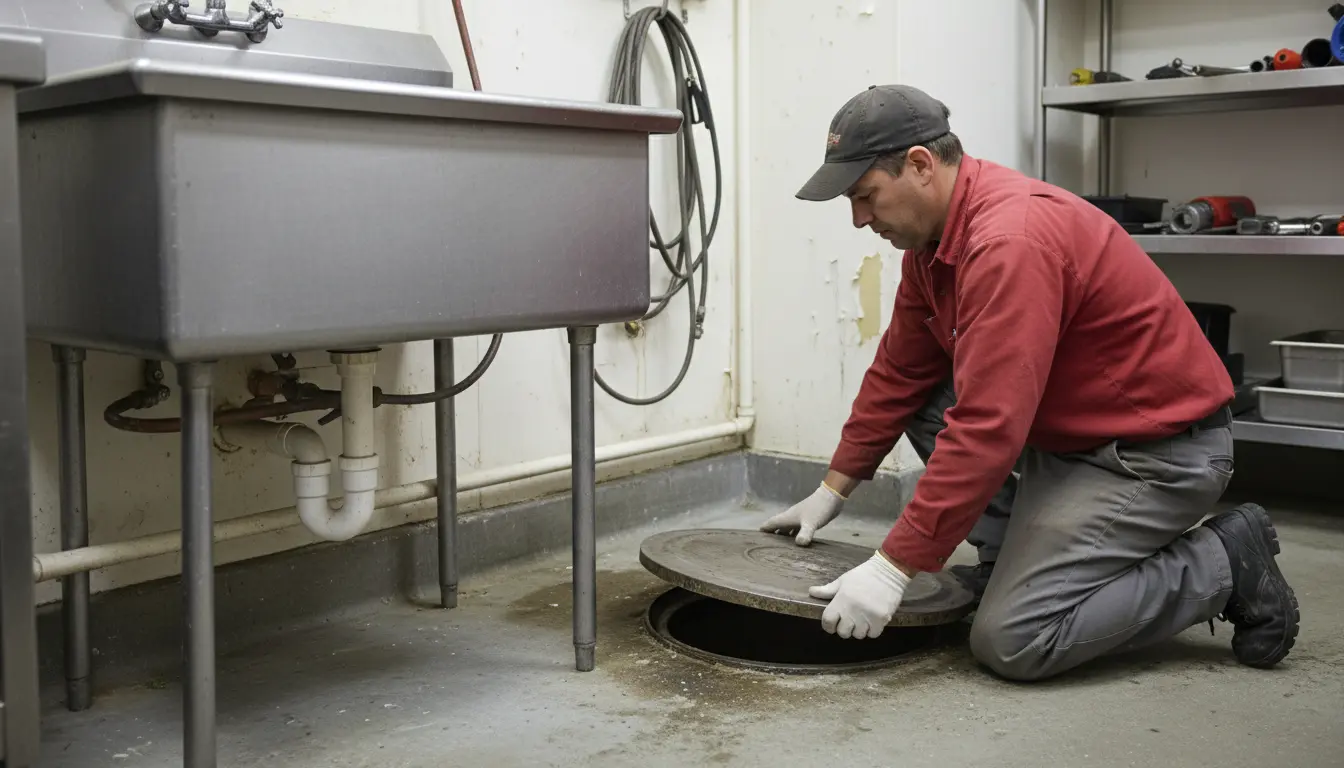
For any restaurant or food service establishment in Durham, effective grease trap cleaning is not just a maintenance task-it's a critical regulatory requirement. The City of Durham and Durham County enforce strict limits on fats, oils, and grease (FOG) discharged into the public sewer system to prevent costly and disruptive blockages. Proactive and documented maintenance of your grease interceptor is the key to avoiding fines, ensuring smooth kitchen operations, and protecting the local wastewater infrastructure. This guide outlines the specific local codes, recommended service frequencies, and practical insights for managing this essential aspect of your business.
Roto-Rooter Plumbing & Water Cleanup
331 W Main St #307, Durham, NC 27701
Roto-Rooter Plumbing & Water Cleanup provides comprehensive plumbing services in Raleigh, NC, including residential and commercial plumbing, drain cleaning, sewer line repair, and grease trap maintenance. Their team handles emergency plumbing repairs and floodwater cleanup with 24/7 availability. They offer specialized capabilities such as hydro-jetting and trenchless sewer line repair to address a wide range of plumbing issues efficiently. Serving the Raleigh area, Roto-Rooter is experienced in managing plumbing systems for homes and businesses, ensuring compliance with local codes and environmental considerations.
Roto-Rooter Plumbing & Water Cleanup
4 NE Court Square Unit E, Graham, NC 27253
Roto-Rooter Plumbing & Water Cleanup provides comprehensive plumbing and water cleanup services in Greensboro, NC. They serve both residential and commercial clients with a wide range of solutions including drain cleaning, sewer line repairs, water heater installation and repair, grease trap maintenance, and emergency flood services. The company uses advanced tools such as video camera inspections and hydro-jetting to diagnose and resolve plumbing issues efficiently. Roto-Rooter offers 24/7 emergency plumbing services to address urgent problems anytime throughout the year. They have a strong presence in the local community and serve multiple nearby counties.
Roto-Rooter Plumbing & Water Cleanup
744 E Chatham St Ste I, Cary, NC 27511
Roto-Rooter Plumbing & Water Cleanup provides commercial plumbing services in Raleigh, NC, including grease trap pumping and cleaning, sewer line excavation, and high-pressure water jetting. They serve a variety of commercial facilities such as restaurants, research centers, and bioscience labs. The company offers 24/7 emergency plumbing services to address urgent issues like sewer backups and water heater repairs. Their capabilities include video camera inspections and trenchless sewer line repairs to minimize disruption. Roto-Rooter is fully licensed and insured, serving the Cary metro area with a comprehensive range of plumbing solutions.
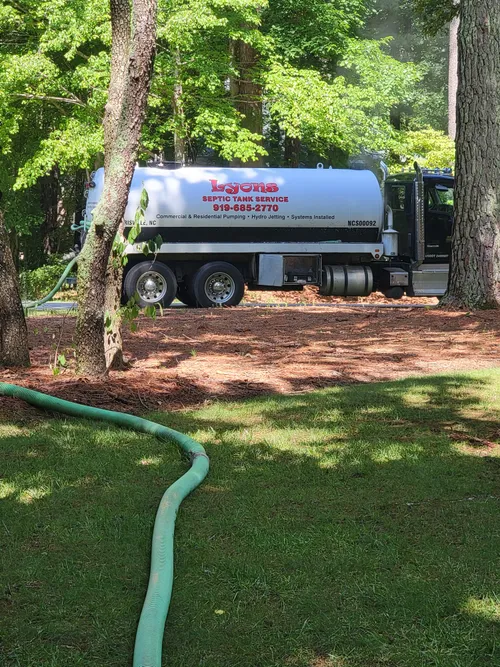
Lyons Septic Tank Service
804 Church St, Morrisville, NC 27560
Lyons Septic Tank Service is a licensed and insured company based near Raleigh, NC, offering septic tank cleaning, grease trap cleaning, and liquid waste hauling. Serving the Greater Triangle area since 1981, they provide services for both residential and commercial clients. Their team uses modern equipment to ensure thorough cleaning and compliance with regulations. With over 40 years of experience, Lyons Septic Tank Service has handled more than 5,000 septic systems and offers emergency response services.
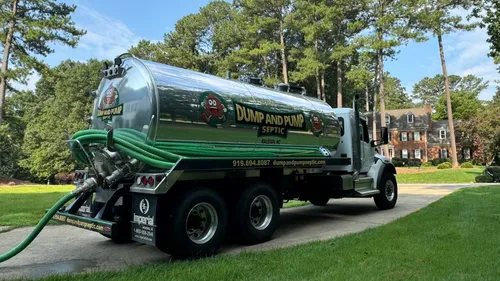
Dump & Pump Septic
515 S New Hope Rd, Raleigh, NC 27610
Dump & Pump Septic is a grease trap cleaning company located in Raleigh, NC. They provide grease trap cleaning services to customers in the Raleigh area.
Understanding Durham County's FOG Regulations
Durham County's Sewer Use Ordinance sets clear and enforceable standards for commercial grease management. The cornerstone of this regulation is a discharge limit of 200 milligrams per liter (mg/L) for fats, oils, and grease 1. Any establishment that introduces FOG into the wastewater system is mandated to install and maintain an approved grease trap or interceptor. For new constructions, a 1,000-gallon interceptor is often the standard starting point, but specific sizing must be calculated based on your menu, seating capacity, and water usage as detailed in the Durham County construction details (DUCO-017) 2. Furthermore, the county requires the installation of a monitoring manhole downstream of the interceptor, allowing inspectors to sample effluent and verify compliance 1 2.
Determining Your Grease Interceptor Pumping Schedule
A one-size-fits-all cleaning schedule doesn't exist; frequency depends on your trap's size, location, and volume of business. The universal rule is that pumping must occur often enough to maintain the 200 mg/L FOG limit, with monthly service being the absolute minimum baseline 3. Many providers recommend following the "25% rule": a grease interceptor should be pumped before accumulated grease and solids reach 25% of its total liquid capacity to prevent FOG from escaping into the sewer line 4.
- Small Indoor Grease Traps (30-200 gallons): Commonly found under sinks or in kitchen prep areas, these smaller units fill up quickly and typically require professional pumping every 30 to 60 days.
- Large Outdoor Grease Interceptors (500+ gallons): These in-ground systems have greater capacity but still require regular attention. A common service interval is every 60 to 90 days, though high-volume kitchens may need monthly service to stay compliant 5.
The only way to establish a reliable schedule is through consistent service and observation. A reputable service provider can help you track accumulation rates and adjust the frequency as needed.
The Enforcement Landscape: Inspections and Consequences
Local authorities actively monitor compliance to protect the sewer system. Inspections can be routine or triggered by sewer line issues, complaints, or suspiciously high FOG readings at municipal treatment facilities. During an inspection, officials will check for proper maintenance records, the physical condition of the interceptor, and may take samples from the monitoring manhole.
Failure to maintain your grease control device can lead to significant consequences:
- Fines and Penalties: Violations of the sewer use ordinance can result in substantial financial penalties.
- Sewer Backups: A clogged interceptor can cause backups in your own facility or the public sewer main, leading to operational shutdowns, health hazards, and liability.
- Health Code Violations: Sewage backups inevitably attract the attention of health inspectors, compounding your compliance issues 6.
Maintaining detailed service records, including waste manifests from your pumping provider, is your primary proof of due diligence and is crucial during any inspection 7.
Find the perfect grease trap cleaning companies for your needs
Get personalized recommendations and expert advice
Cost Considerations for Grease Trap Service in Durham
The cost for grease interceptor pumping in Durham varies significantly based on the size of your unit, its accessibility, and whether you engage a provider for a one-time emergency service or a scheduled maintenance contract.
- Small to Medium Indoor Traps: For a standard under-sink or in-kitchen unit (1-300 gallons), a single pumping service can range from approximately $125 to $475. Contracted, regular service often costs less per visit than a one-off emergency call 8 9.
- Large Outdoor Interceptors: Pumping a substantial in-ground interceptor is a more complex operation involving larger equipment. Costs for these services are higher and are most often structured within a comprehensive service contract.
While price is a factor, the value lies in consistent, reliable service that keeps you compliant and prevents far more expensive problems like fines, backups, and interrupted business.
Best Practices for Proactive Grease Management
Beyond scheduling regular pump-outs, kitchen staff training is your first line of defense. Implementing simple best practices can dramatically reduce the load on your interceptor and extend time between services.
- Scrape, Don't Rinse: Food solids should be scraped into compost or trash bins before warewashing.
- Use Strainers: Install and clean sink strainers to catch food particles.
- Never Pour Grease Down the Drain: Collect warm cooking oils and fats in dedicated containers for recycling or proper disposal.
- Pre-Rinse with Cold Water: Using cold water to rinse dishes helps solidify grease so it is caught by the trap, rather than being emulsified and flushed through by hot water.
- Maintain a Service Log: Keep a dedicated logbook on-site to record every pumping service, including the date, company name, and the volume of waste removed. This log is invaluable for tracking patterns and proving compliance.
Partnering with a knowledgeable local service provider is essential. They understand Durham's specific codes, can help you navigate inspection requirements, and provide the documentation you need to demonstrate responsible management 10.
Frequently asked questions
Sources
Footnotes
-
Fats, Oils, and Grease (FOG) - Durham County Government - https://dconc.gov/Engineering-and-Environmental-Services/Utilities/Compliance/Fats-Oils-and-Grease ↩ ↩2
-
DUCO-017---Grease-Trap-Requirements.pdf - https://dconc.gov/Engineering-and-Environmental1/Documents/Utilities/Durham-County-Sanitary-Sewer-Construction-Details/DUCO-017---Grease-Trap-Requirements.pdf ↩ ↩2
-
City of Durham's Guide to Grease Reduction - https://www.durhamnc.gov/DocumentCenter/View/3528/Commercial-Guide-Restaurants-PDF ↩
-
How to Clean a Grease Trap (and How Often You Should) - https://greaseconnections.com/how-to-clean-a-grease-trap-and-how-often-you-should/ ↩
-
Grease Trap Cleaning Frequency North Carolina by Municipality - https://grease-cycle.com/grease-pumping-frequency-north-carolina/ ↩
-
How to Handle Grease Trap Maintenance for Commercial Kitchens - https://southendcommercialplumbing.com/how-to-handle-grease-trap-maintenance-for-commercial-kitchens-charlotte-nc/ ↩
-
Restaurant Grease Management In North Carolina - https://www.deq.nc.gov/waste-management/dwm/sw/composting-and-land-application/restaurant-grease-management-north-carolina-3/download ↩
-
Grease Trap Cleaning Prices | Guide on the Industry Average - https://grease-cycle.com/grease-trap-pumping-cost/ ↩
-
How Much Does a Proper Grease Trap Cleaning Cost? - https://hulseyenvironmental.com/how-much-does-a-proper-grease-trap-cleaning-partner-cost/ ↩
-
Grease Trap Cleaning Service in Durham, NC | WRE - https://www.wrenvironmental.com/durham-nc/business-commercial/grease-trap-cleaning/ ↩