Find the Best Grease Trap Cleaning Companies for Your Business
No obligation • Fast responses • Nationwide coverage

Why you can trust Restaurant Waste Disposal
Restaurant Waste Disposal is a leading U.S. resource for comparing restaurant composting, food-waste recycling, grease trap cleaning, and used cooking oil collection services. Our editorial team researches providers, checks credentials, and organizes unbiased information so operators can make informed decisions. Companies cannot pay to change ratings or placement.
Search providers near you
Top Grease Trap Cleaning Companies in Greenville, North Carolina Ranked
For restaurant owners and food service operators in Greenville, maintaining a clean and compliant grease trap is a critical, non-negotiable part of daily operations. Proper grease interceptor maintenance protects your plumbing, ensures you meet local and state environmental regulations, and helps safeguard the city's sewer infrastructure from costly blockages and overflows. In Pitt County, adherence to specific cleaning schedules, documentation requirements, and proper waste disposal practices is enforced to prevent sewer system issues and avoid significant fines. This guide outlines the essential knowledge for managing your establishment's fats, oils, and grease (FOG) in compliance with North Carolina and Greenville-area standards.
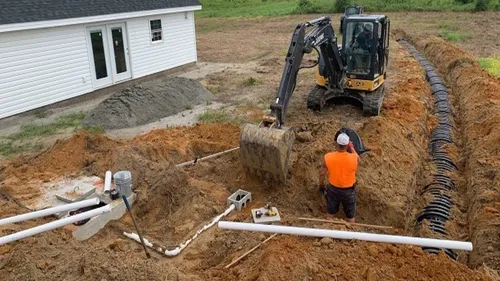
Boswell & Son Septic Tank Services
6101 Nobles Pond Rd, Rocky Mount, NC 27801
Boswell & Son Septic Tank Services in Rocky Mount, NC, offers comprehensive residential and commercial septic system solutions. Their services include septic tank installation, repairs, inspections, grease trap cleaning, line jetting, and new construction installation. With over 72 years of experience since 1948, this family-run business serves the Eastern Carolina area, providing certified, licensed, and insured septic services. They focus on honest recommendations and respect for customers' property and time.
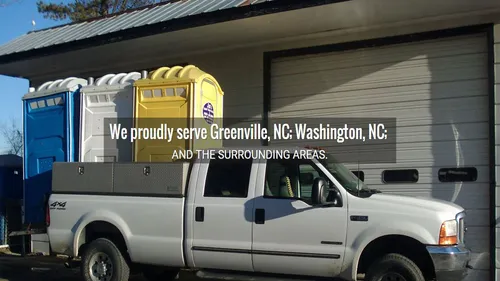
Jim's Liquid Waste Hauling LLC
Greenville, NC
Jim's Liquid Waste Hauling LLC is a family-owned business based in Greenville, NC, providing septic tank services, grease trap cleaning, and portable toilet rentals. Serving Greenville and surrounding areas including Farmville, Ayden, and Kinston, the company offers residential and commercial liquid waste solutions. They specialize in septic tank cleaning, pumping, inspection, repair, and grease trap service for restaurants. Established in 1988, Jim's Liquid Waste Hauling has over three decades of experience in managing septic and waste systems across Eastern North Carolina.
Understanding Local and State FOG Regulations
Grease management in North Carolina is governed by a combination of state guidelines from the North Carolina Department of Environmental Quality (NCDEQ) and local municipal codes. While Greenville may have its own specific ordinances, it generally follows the framework established by the state and regional pretreatment programs. The primary goal of these regulations is to prevent FOG from entering the public sewer system, where it can cool, solidify, and create severe blockages leading to sanitary sewer overflows (SSOs)-a serious environmental and public health concern.
Key regulatory pillars include:
- Licensed Hauler Requirement: All grease trap and interceptor waste must be pumped and transported by a licensed hauler permitted by the NCDEQ. These professionals are authorized to dispose of the collected grease at approved facilities, such as rendering plants or wastewater treatment facilities, in accordance with state law (e.g., 15A NCAC 13B.0838).
- Proper Accessibility: Your grease interceptor must be easily accessible for inspection, cleaning, and sampling by both your service provider and city inspectors. This typically means having direct surface access to all chambers, free from obstructions 1.
- Prohibited Practices: Regulations commonly forbid practices like "backflushing" grease trap contents into the sewer line and discharging waste from garbage grinders into the interceptor, as these can compromise its effectiveness and lead to violations 2.
Determining Your Grease Interceptor Pumping Schedule
One of the most common questions from restaurant managers is, "How often does my grease trap need to be cleaned?" The answer isn't one-size-fits-all; it depends on your specific equipment and volume of business.
State and Local Frequency Guidelines: The NCDEQ provides a baseline guideline: grease interceptors should be pumped out at a minimum frequency of every 90 days, or more often if the accumulated grease and solids reach 25% of the unit's capacity 3 4. However, local enforcement may require more frequent service. Some North Carolina municipalities mandate cleaning when the trap is 25% full or on a strict 30-day cycle for high-volume establishments 5 6. The safest course is to consult with your service provider and the City of Greenville Public Works or Utilities Department to confirm local expectations 7.
Factors Influencing Your Cleaning Cycle:
- Establishment Type & Volume: A high-turnover buffet or a busy fried chicken restaurant will generate FOG much faster than a low-volume coffee shop. High-flow kitchens often require service every 1 to 3 months, while lower-volume operations may extend to 6-12 months between pump-outs.
- Interceptor Size and Design: The gallon capacity of your grease trap directly impacts how long it can operate effectively before needing service.
- Operational Signs: Don't wait for a scheduled pump-out if you notice warning signs. Foul odors emanating from drains, consistently slow-draining sinks, or backups are clear indicators that your interceptor is full and requires immediate attention.
Find the perfect grease trap cleaning companies for your needs
Get personalized recommendations and expert advice
Compliance, Documentation, and Enforcement
Staying compliant goes beyond just scheduling regular pump-outs. Maintaining meticulous records is your best defense in the event of an inspection.
The Importance of Record-Keeping: You are required to keep detailed logs of all grease interceptor maintenance. This includes service reports and waste manifests provided by your licensed hauler. These documents should detail the date of service, the volume of waste removed, the hauler's permit number, and the disposal destination. Inspectors from the city or the NC Pretreatment Consortium can request these records during routine or complaint-driven inspections 8.
Consequences of Non-Compliance: Failing to properly maintain your grease control device can lead to serious repercussions. Enforcement actions can include substantial fines, orders to cease operations until the issue is resolved, and liability for the costs of environmental cleanup if a sewer overflow occurs 9. Proactive maintenance is far less costly than reactive penalties and business interruption.
Cost Considerations for Grease Trap Services
Budgeting for grease trap maintenance is a necessary operational expense. In the Greenville area, costs can vary based on several factors. For a standard, larger-capacity grease interceptor (e.g., 1000-1500 gallons), a single pump-out service typically ranges from $200 to $400 or more 10.
Variables that affect price include:
- Interceptor Volume and Location: Larger traps cost more to pump. Traps that are difficult to access (e.g., indoors, in a tight alley) may also incur higher charges.
- Service Frequency & Contracts: Many providers offer discounted rates if you sign up for a regular service contract, which also helps ensure you never miss a compliance deadline.
- Hauler Pricing: It's wise to get quotes from several licensed haulers serving Pitt County. Annually, restaurants can expect to spend anywhere from $2,000 to over $5,000 on grease trap maintenance, depending entirely on their required service frequency and trap size 11.
Best Practices for Greenville Restaurant Owners
- Know Your Local Ordinance: Start by contacting the City of Greenville Public Works Department to obtain a copy of the local grease control ordinance. Clarify any specific rules regarding inspection schedules, reporting, and approved hauler lists.
- Partner with a Reputable, Licensed Hauler: Choose a service provider familiar with Greenville and NCDEQ regulations. They should be able to advise you on an appropriate pumping schedule and provide all necessary compliance documentation upon each service 12.
- Train Your Staff: Educate kitchen staff on best practices to minimize FOG entering the drain. This includes scraping plates into trash bins, using sink strainers, and avoiding pouring grease down any drain.
- Maintain an Impeccable Log: Keep a dedicated binder or digital folder for all grease-related service records and manifests. This demonstrates due diligence and simplifies the inspection process.
- Schedule a "Full Cleanout": Ensure your service contract specifies a "full cleanout" or "total evacuation," not just a skim. The hauler should remove all contents-grease, solids, and water-to restore the trap to full capacity and efficiency, which is often a regulatory requirement 13.
Frequently asked questions
Sources
Footnotes
-
Div 02535 - Grease and Oil Control - https://www.owasa.org/app/uploads/2019/12/grease-oil-control-2015-01-29.pdf ↩
-
§ 21-315 GREASE TRAPS/INTERCEPTORS. - https://codelibrary.amlegal.com/codes/maidennc/latest/maiden_nc/0-0-0-4868 ↩
-
Grease Trap Cleaning Frequency North Carolina by Municipality - https://grease-cycle.com/grease-pumping-frequency-north-carolina/ ↩
-
North Carolina Kitchen Grease and Cooking Oil Services for ... - https://grease-cycle.com/north-carolina/ ↩
-
§ 51.018 GREASE TRAP PROGRAM. - https://codelibrary.amlegal.com/codes/goldsboro/latest/goldsboro_nc/0-0-0-2046801565 ↩
-
Grease Trap Pumping Services for NC Restaurants | Full Circle Environmental - https://www.fullcircleenv.com/services/grease-trap-pumping/ ↩
-
Grease Trap Cleaning | Jim's Liquid Waste Hauling LLC | Greenville ... - https://www.jimsliquidwaste.com/grease-traps ↩
-
Grease Control Policy - NC Pretreatment Consortium - https://ncpretreatment.com/wp-content/uploads/2019/07/2019-Grease-Policy-New-Logo.pdf ↩
-
Complying with Grease Trap Codes: 5 Essential Tips - https://www.unitedsewerservice.com/complying-with-local-regulations-and-codes-for-grease-trap-maintenance/ ↩
-
Grease Trap Regulations and Compliance: What You Need to ... - https://www.texwaywastewater.com/grease-trap-regulations-and-compliance/ ↩
-
Grease Trap Cleaning Prices | Guide on the Industry Average - https://grease-cycle.com/grease-trap-pumping-cost/ ↩
-
Restaurant Grease Management In North Carolina - https://www.deq.nc.gov/waste-management/dwm/sw/composting-and-land-application/restaurant-grease-management-north-carolina-3/download ↩
-
§ 110-174. Grease traps and interceptors., Division 3. FOOD SERVICE FACILITY FATS, OIL AND GREASE MANAGEMENT, Article IV. COUNTY SEWER SYSTEM, Chapter 110. UTILITIES, Code of Ordinances - http://pascocounty.elaws.us/code/coor_ch110_artiv_div3_sec110-174 ↩