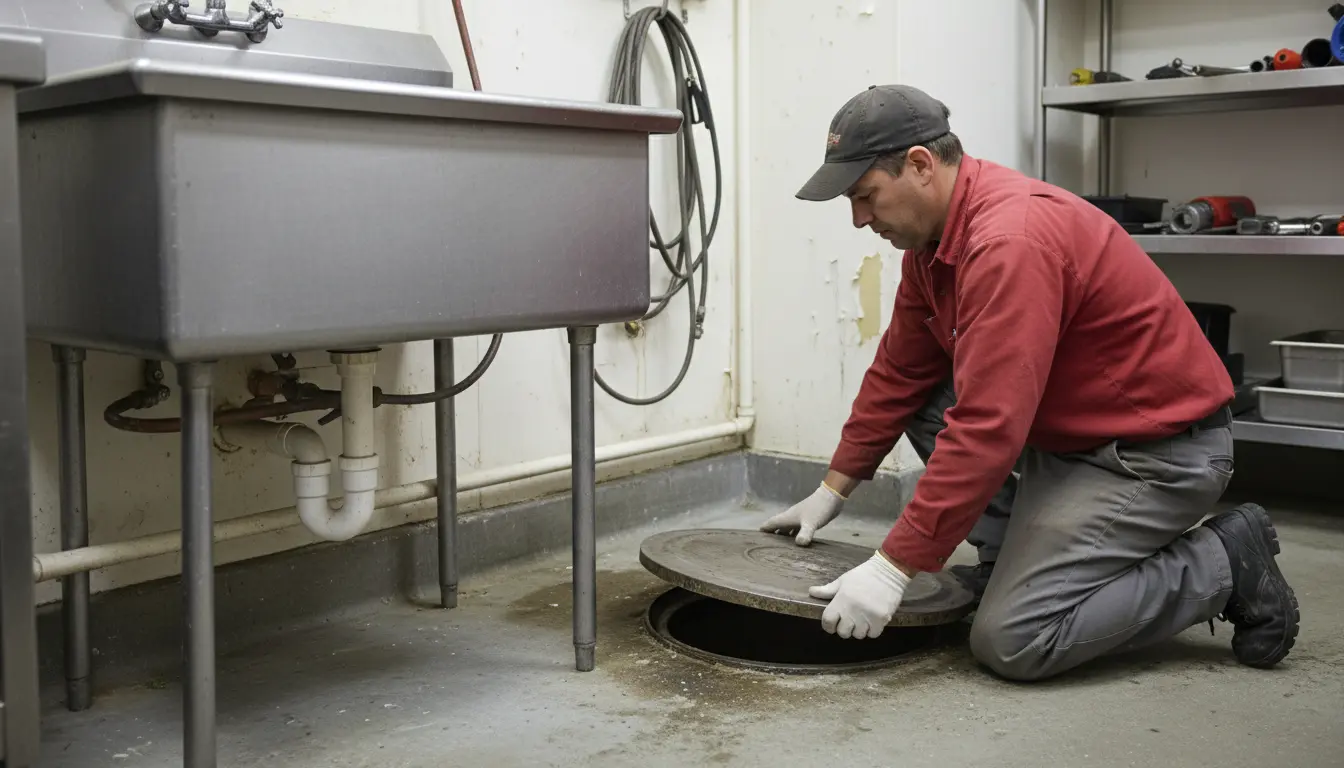
Find the Best Grease Trap Cleaning Companies for Your Business
No obligation • Fast responses • Nationwide coverage

Why you can trust Restaurant Waste Disposal
Restaurant Waste Disposal is a leading U.S. resource for comparing restaurant composting, food-waste recycling, grease trap cleaning, and used cooking oil collection services. Our editorial team researches providers, checks credentials, and organizes unbiased information so operators can make informed decisions. Companies cannot pay to change ratings or placement.
Search providers near you
Top Grease Trap Cleaning Companies in Charlotte, North Carolina Ranked
For any restaurant, food truck, or commercial kitchen in Charlotte, managing fats, oils, and grease (FOG) is a critical operational and regulatory responsibility. Proper grease trap and grease interceptor maintenance is not just about preventing clogs and foul odors; it's a mandatory requirement enforced by Charlotte Water (CLTWater) to protect the city's sewer infrastructure. Failing to adhere to the city's strict grease control policy can lead to severe plumbing backups, environmental harm, and significant financial penalties. This guide outlines the essential practices, regulations, and cost considerations for effective grease trap servicing in the Queen City, ensuring your establishment remains compliant and runs smoothly.
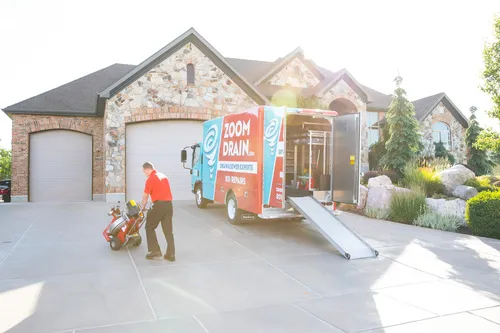
Zoom Drain
114 Eastbend Ct Ste 2, Mooresville, NC 28117
Zoom Drain is a drain and sewer service provider based in Concord, NC, serving the Lake Norman area including Mooresville and surrounding communities. They offer residential and commercial drain cleaning, grease trap maintenance, and sewer line repair. A key capability is their hydro jetting service, which uses high-pressure water jets to clear tough clogs like tree roots, grease, and mineral buildup without chemicals. Established in 1995, Zoom Drain has over 25 years of experience in the industry. They also provide 24/7 emergency drain cleaning services for urgent plumbing needs.

Stanley, A Wind River Company
Charlotte, NC
Stanley, A Wind River Company, offers grease trap cleaning and environmental plumbing services in Charlotte, NC. As part of the Wind River Environmental network, they provide septic pumping, lift station maintenance, and commercial plumbing solutions using advanced technology and extensive resources. Their services focus on maintaining efficient waste and water systems to meet environmental regulations and prevent costly breakdowns.
Roto-Rooter Plumbing & Water Cleanup
363 Church St N Ste 260-I, Concord, NC 28025
Roto-Rooter Plumbing & Water Cleanup provides comprehensive plumbing and water cleanup services in Charlotte, NC, and surrounding areas. Their experienced technicians handle residential and commercial plumbing needs, including sewer and drain cleaning, water heater repair and installation, grease trap cleaning, floodwater cleanup, mold remediation, and sewer line excavation. The company is knowledgeable about local plumbing codes and environmental factors affecting the region's plumbing systems. Roto-Rooter offers 24/7 emergency plumbing services to address urgent issues like burst pipes and sewer backups promptly. They also provide specialized capabilities such as hydro-jetting for drain cleaning and trenchless sewer line repair methods. Serving Concord and nearby communities, Roto-Rooter is a trusted provider with a strong focus on reliable and efficient plumbing solutions.
1st Choice Service, a Wind River Environmental Company
Charlotte, NC
1st Choice Service, a Wind River Environmental Company, provides grease trap cleaning and environmental plumbing services in Charlotte, NC. As part of the Wind River Environmental network, the company offers access to advanced technology and extensive resources to support septic, grease, and drain cleaning needs. Their services include grease trap cleaning, lift station maintenance, and septic pumping, all aimed at maintaining efficient plumbing systems and compliance with environmental regulations. The company emphasizes regular maintenance to prevent blockages, system failures, and environmental contamination.
Greenway Waste Solutions
5600 Lakeview Rd, Charlotte, NC 28269
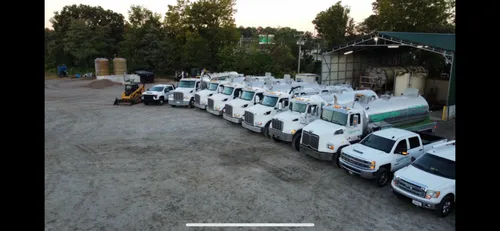
Greenway Waste Solutions is a family-owned company based in Charlotte, NC, specializing in grease trap pumping, septic tank cleaning, and drain cleaning services for restaurants and food service establishments. They operate a state-of-the-art processing facility where grease and food waste are separated and converted into compost, supporting sustainability efforts. The company has over 20 years of industry experience and is certified to haul grease and septic waste in North and South Carolina. Greenway offers 24/7 customer support and serves Charlotte and surrounding areas including Belmont, Concord, and Rock Hill.
Understanding Charlotte's Grease Control Policy
Charlotte Water has established a comprehensive Grease Control Policy to prevent sewer blockages and overflows, which are often caused by improperly managed FOG from food service establishments (FSEs). The cornerstone of this policy is the requirement that all FOG-handling equipment must be serviced exclusively by a CLTWater-approved grease handling company. You cannot simply hire any plumber or waste hauler; the provider must be on the city's approved list to ensure they follow proper disposal and reporting protocols.
The policy mandates that grease traps and interceptors be pumped out completely. This means removing 100% of the contents: all floating grease, wastewater, and settled solids 1 2. Practices like decanting (pumping out liquid and returning solids) or backflushing are strictly forbidden, as they do not constitute a proper cleaning and can lead to immediate compliance issues 3 4. Maintaining detailed service records from your approved hauler is crucial, as you may be required to submit these documents to CLTWater upon request, demonstrating your ongoing compliance 1 3.
Determining Your Service Frequency
How often you need grease trap pumping in Charlotte is not a one-size-fits-all schedule; it depends primarily on the volume of FOG your kitchen produces and the size of your trap. However, CLTWater provides clear guidelines. For standard indoor grease traps, monthly service (every 30 days) is a common baseline, especially for medium to high-volume kitchens.
- High-Volume Kitchens: Busy restaurants, cafeterias, or establishments with significant fryer use may require service every 1 to 3 months to prevent overflows and maintain efficiency.
- Lower-Volume Establishments: Smaller cafes or businesses with minimal grease production might extend service intervals to every 6 to 12 months, but this must be validated through regular inspection.
- The 25% Rule: A good operational rule is to schedule service before the combined FOG and solids accumulate to fill more than 25% of the trap's capacity. Waiting longer drastically reduces the trap's effectiveness and increases the risk of a clog downstream 5.
The most reliable way to set a schedule is to work with your approved service provider. They can assess your specific operation, trap size, and accumulation rate to recommend a compliant and cost-effective maintenance plan.
The Compliance and Inspection Process
Enforcement of the grease control policy is managed by CLTWater. While routine inspections of every establishment are not constant, the city employs a compliance system based on reporting and potential audits. Your first line of defense is using an approved hauler, as their service reports serve as your primary compliance documentation 6.
FSEs are also responsible for conducting their own regular visual inspections of grease interceptors. If you observe any issues like improper servicing, damage to the unit, or signs of a bypass, you are required to report these non-compliance items directly to CLTWater. This proactive self-policing is part of the city's strategy. Enforcement actions typically follow reports of problems or sewer blockages traced to an establishment, which can result in warnings, fines, and mandated corrective actions.
Find the perfect grease trap cleaning companies for your needs
Get personalized recommendations and expert advice
Recognizing Signs You Need Immediate Service
Don't wait for your scheduled pump-out if you notice warning signs. Addressing issues immediately can prevent a minor problem from becoming a major, expensive violation.
- Slow Drains: If sinks, especially in prep or dishwashing areas, are draining slower than usual, it's often the first sign of grease buildup in your lines.
- Foul Odors: Persistent sewer or rotten egg smells emanating from drains or near the grease trap location indicate decomposing waste and grease, signaling a full or failing trap.
- Gurgling Sounds: Strange gurgling noises from drains when water is running suggest air is trapped in the lines due to a blockage.
- Sewage Backups: This is the most severe warning sign. Any backup of wastewater inside your facility is a serious health hazard, a clear violation, and requires an emergency service call.
If you experience any of these issues, contact your CLTWater-approved grease trap cleaning provider immediately for an inspection and emergency pumping if necessary.
Cost of Grease Trap Cleaning in Charlotte
The price for professional grease interceptor pumping in Charlotte varies based on several factors, but investing in regular maintenance is consistently cheaper than dealing with an emergency or a fine.
- Small Indoor Traps: Compact units under 100 gallons, common in smaller kitchens, typically cost between $100 and $250 per service.
- Large Outdoor Interceptors: Larger in-ground concrete tanks, often 1,000 gallons or more, require more labor and equipment. Service for these units generally ranges from $250 to over $500 per pump-out 7.
- Key Cost Factors: The final price is influenced by the trap's accessibility, the volume of grease and solids to be removed, and any required repairs to the lid or baffles.
- The Value of a Maintenance Plan: Perhaps the most important cost insight is the difference between scheduled and emergency service. A preventative maintenance visit might cost $250-$400. In contrast, an emergency call-out for a severe clog or backup can easily cost $800 to $1,200 or more, not including potential fines from the city or lost revenue from business interruption 8 9. A scheduled plan with an approved provider is a strategic financial decision that saves thousands annually.
Choosing a Service Provider
Selecting the right partner is critical for compliance and peace of mind. Always verify that the company is on the current CLTWater-approved list. Beyond that, look for providers with experience serving Charlotte restaurants, who offer clear documentation of their service (including waste manifests showing proper disposal), and who are willing to help you establish an optimal schedule. A reputable provider will not just pump and leave; they should inspect the system, note any potential issues, and offer advice on best practices for grease handling in your kitchen to extend time between services.
Frequently asked questions
Sources
Footnotes
-
Grease Trap Pumping Services for NC Restaurants - Full Circle Environmental ↩
-
Grease Trap Restaurant: The Essential Guide - The Restaurant Warehouse ↩
-
Charlotte Grease Trap Cleaning: Essential Facilities ... - Shyft ↩
-
Grease Trap Cleaning Prices | Guide on the Industry Average - Grease Cycle ↩
-
Ultimate Grease Trap Pumping Cost Guide: Essential Money-Saving ... - Texway ↩