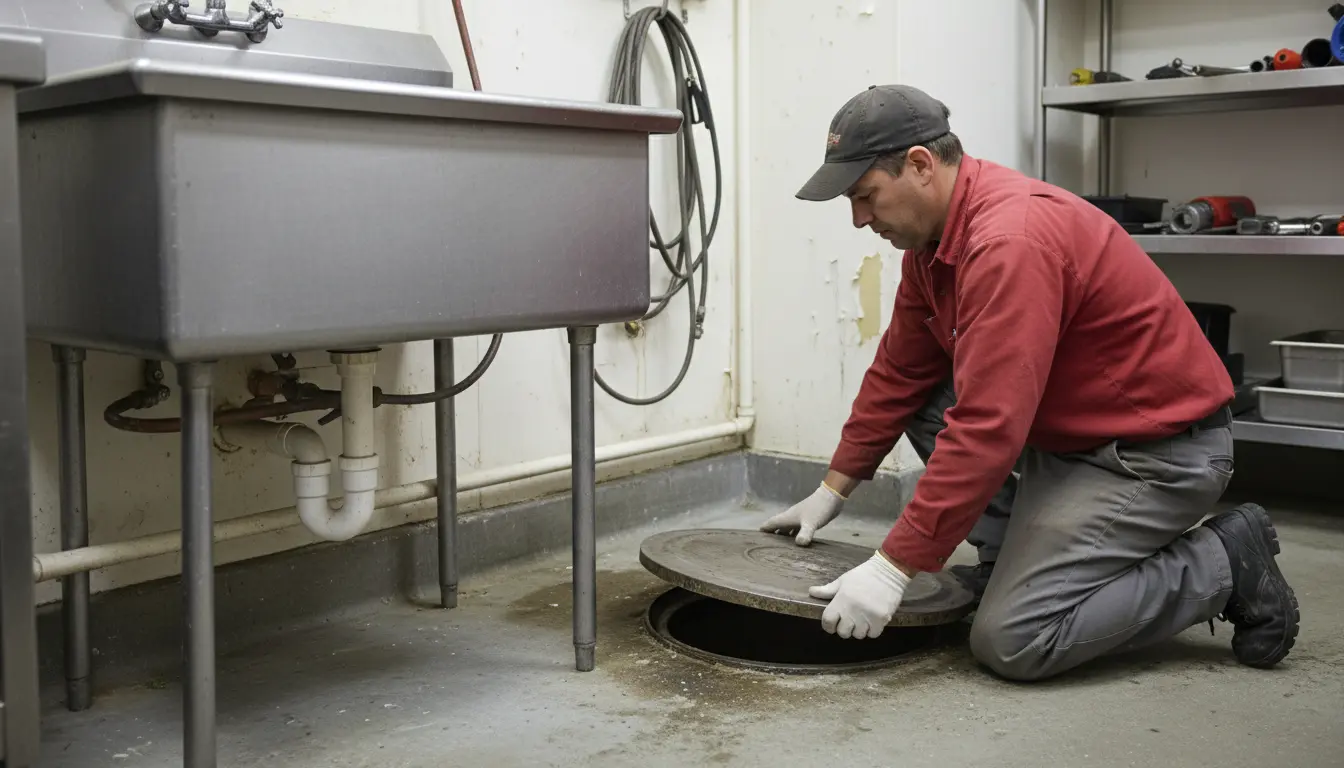
Find the Best Grease Trap Cleaning Companies for Your Business
No obligation • Fast responses • Nationwide coverage

Why you can trust Restaurant Waste Disposal
Restaurant Waste Disposal is a leading U.S. resource for comparing restaurant composting, food-waste recycling, grease trap cleaning, and used cooking oil collection services. Our editorial team researches providers, checks credentials, and organizes unbiased information so operators can make informed decisions. Companies cannot pay to change ratings or placement.
Search providers near you
Top Grease Trap Cleaning Companies in Fayetteville, North Carolina Ranked
For any food service establishment in Fayetteville, from bustling downtown eateries to cozy neighborhood cafes, proper grease interceptor maintenance is a critical operational and legal responsibility. The city's Public Works Commission (PWC) enforces specific regulations under its Sewer Use Ordinance to prevent costly and disruptive sewer blockages, making a reliable and compliant cleaning schedule essential. This guide outlines the local requirements, best practices for maintenance, and key considerations for managing your establishment's grease control program effectively.
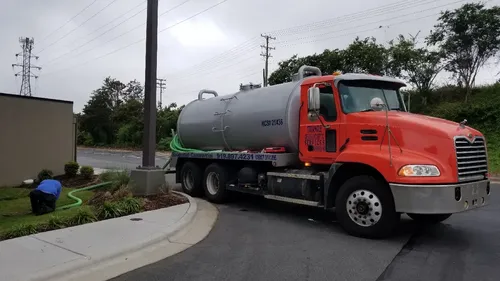
Understanding Fayetteville PWC Regulations
Compliance in Fayetteville starts with understanding the local rules. The Fayetteville Public Works Commission (PWC) mandates that all grease trap pumping must be performed by a PWC-permitted hauler. These haulers are licensed by the city to ensure proper disposal and record-keeping. The cornerstone of the local ordinance is a required pumping frequency of every 60 days for most establishments, though this can be adjusted based on actual need and volume.
It is crucial to maintain detailed records of every service. The PWC requires businesses to keep these cleaning and pumping records on-site for a minimum of three years and to make them available for inspection upon request. Failure to comply with these regulations can result in significant fines and even the disruption of sewer service, making diligent adherence a top priority for restaurant owners and managers.
State Guidelines and Local Enforcement
While the North Carolina Department of Environmental Quality (NCDEQ) provides a statewide framework-often citing a requirement to pump traps within 30 days or when they are 75% full-local municipal rules like Fayetteville's are typically more stringent and take precedence 1. Enforcement is handled directly by the Fayetteville PWC, which conducts inspections and audits service records to ensure compliance 2.
If your establishment believes the standard 60-day schedule is unnecessarily frequent for your specific operation, you do have an option. The PWC allows for the submission of a variance request. By providing data such as waste volume and trap monitoring logs, you can petition for a modified, less-frequent pumping schedule that still protects the sewer system 3.
Determining Your Optimal Cleaning Frequency
The mandated 60-day rule is a baseline, but the ideal frequency for your grease interceptor service depends on your unique operation. High-volume kitchens, such as those in large restaurants or cafeterias, will likely need monthly or bi-monthly service to stay ahead of accumulation. Lower-volume operations, like some bakeries or coffee shops, may find that quarterly or semi-annual cleaning is sufficient, especially if supported by a variance.
A widely recommended best practice is to clean your trap before it becomes 25% full of fats, oils, and grease (FOG) and solids 4 5. This guideline helps prevent the grease from hardening and becoming more difficult to remove, and it ensures the trap continues to function efficiently. Waiting until the trap is nearly full significantly increases the risk of a clog or backup.
The Importance of Proactive Monitoring
Relying solely on the calendar is not enough. Kitchen managers should perform weekly visual checks of their grease interceptors. Look at the grease and solid levels compared to the water. Consistent monitoring allows you to identify issues early, adjust service schedules proactively, and provide valuable data if you need to request a variance from the PWC. This hands-on approach is your first line of defense against emergencies.
Find the perfect grease trap cleaning companies for your needs
Get personalized recommendations and expert advice
What to Expect from Professional Service
When you hire a PWC-permitted grease trap cleaning service in Fayetteville, they will handle the heavy lifting. A professional service will pump out all the contents-FOG, solids, and wastewater-from your interceptor. They should also perform a thorough cleaning of the interior walls, baffles, and components to remove caked-on grease. Finally, they will refill the trap with clean water to the proper level to restore its functionality. Always verify that your provider is on the PWC's approved list and provides you with a detailed service report for your records.
Cost Factors for Grease Interceptor Pumping
Costs for grease trap pumping in Fayetteville vary based primarily on the size and location of your interceptor. A small, indoor grease trap might cost under $100 per service, while pumping a large, underground exterior interceptor (often 1000-1500 gallons) can range from $225 to $315 or more per visit 6 7. Many service providers offer contract or service plan options, which can provide cost predictability and ensure you never miss a required service date.
Building a Compliant Maintenance Routine
Beyond scheduling regular pump-outs, a complete maintenance program involves several key steps:
- Document Meticulously: Keep every service ticket, invoice, and log sheet in an organized, accessible file for at least three years 8 9.
- Inspect Equipment: During weekly checks, also ensure the trap's cover, baffles, and vents are in good condition and secure 10.
- Train Your Staff: Educate kitchen staff on best practices for minimizing grease discharge, such as scraping plates and using sink baskets.
- Service Promptly: Never delay a scheduled cleaning. If your visual checks indicate the trap is filling faster than usual, call your service provider early to prevent a problem.
Adopting this comprehensive approach to grease management not only keeps you in compliance with Fayetteville PWC regulations but also protects your business from the operational nightmares and reputational damage of a sewer backup.
Frequently asked questions
Sources
Footnotes
-
Grease Trap Cleaning Frequency North Carolina by Municipality - https://grease-cycle.com/grease-pumping-frequency-north-carolina/ ↩
-
Complying with Grease Trap Codes: 5 Essential Tips | Business Name - https://www.unitedsewerservice.com/complying-with-local-regulations-and-codes-for-grease-trap-maintenance/ ↩
-
Restaurant Grease Management In North Carolina - https://www.deq.nc.gov/waste-management/dwm/sw/composting-and-land-application/restaurant-grease-management-north-carolina-3/download ↩
-
North Carolina Kitchen Grease and Cooking Oil Services for ... - https://grease-cycle.com/north-carolina/ ↩
-
How to Clean a Grease Trap (and How Often You Should) - https://greaseconnections.com/how-to-clean-a-grease-trap-and-how-often-you-should/ ↩
-
Grease Trap Cleaning Prices | Guide on the Industry Average - https://grease-cycle.com/grease-trap-pumping-cost/ ↩
-
Grease Trap Cleaning How-To Guide for Commercial Kitchens (Free Posters) - https://www.fooddocs.com/food-safety-templates/grease-trap-cleaning ↩
-
Commercial Grease Trap Sewer Use Ordinance | FAYPWC.COM - https://www.faypwc.com/commercial-grease-trap-suo/ ↩
-
Commercial Grease Trap | FAYPWC.COM - https://www.faypwc.com/commercial-grease-trap/ ↩
-
Grease Control Policy - NC Pretreatment Consortium - https://ncpretreatment.com/wp-content/uploads/2019/07/2019-Grease-Policy-New-Logo.pdf ↩