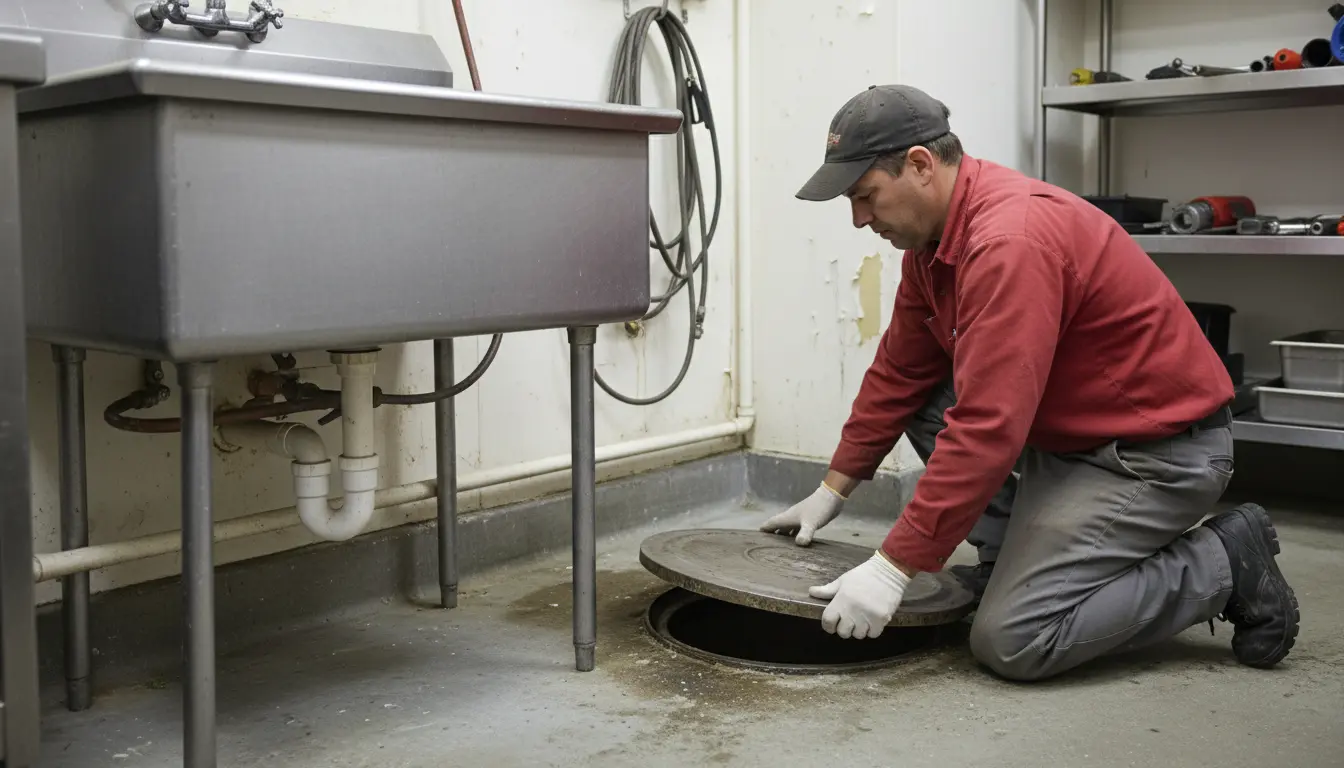
Find the Best Grease Trap Cleaning Companies for Your Business
No obligation • Fast responses • Nationwide coverage

Why you can trust Restaurant Waste Disposal
Restaurant Waste Disposal is a leading U.S. resource for comparing restaurant composting, food-waste recycling, grease trap cleaning, and used cooking oil collection services. Our editorial team researches providers, checks credentials, and organizes unbiased information so operators can make informed decisions. Companies cannot pay to change ratings or placement.
Search providers near you
Top Grease Trap Cleaning Companies in Cary, North Carolina Ranked
For any food service establishment in Cary, from bustling downtown restaurants to school cafeterias, managing fats, oils, and grease (FOG) is not just a maintenance task-it's a legal requirement. The Town of Cary enforces a strict FOG Control Program under its Sewer Use Ordinance to protect the municipal sewer system from blockages and costly overflows. This means every restaurant must have a town-approved grease interceptor (commonly called a grease trap) and adhere to a regular schedule for grease interceptor cleaning and maintenance. Failure to comply can lead to enforcement actions, including fines, making a reliable and consistent cleaning service a critical partner for your business's smooth operation and compliance.
Proper grease management starts with understanding local mandates. Cary's Pretreatment Division requires a plan review for all new installations to ensure proper sizing and location. Once installed, the interceptor must be cleaned at a frequency that prevents FOG from escaping into the sewer lines; for most kitchens in Cary, this means professional pumping every 1 to 3 months, though high-volume establishments may require more frequent service. It is strictly prohibited to use hot water, concentrated detergents, or acidic solutions in an attempt to dissolve grease, as these practices can damage the interceptor and harm the sewer system. The town conducts installation inspections and compliance checks, and restaurants are required to maintain detailed records of every cleaning. Falsifying these maintenance logs is itself a violation of the ordinance.
Roto-Rooter Plumbing & Water Cleanup
331 W Main St #307, Durham, NC 27701
Roto-Rooter Plumbing & Water Cleanup provides comprehensive plumbing services in Raleigh, NC, including residential and commercial plumbing, drain cleaning, sewer line repair, and grease trap maintenance. Their team handles emergency plumbing repairs and floodwater cleanup with 24/7 availability. They offer specialized capabilities such as hydro-jetting and trenchless sewer line repair to address a wide range of plumbing issues efficiently. Serving the Raleigh area, Roto-Rooter is experienced in managing plumbing systems for homes and businesses, ensuring compliance with local codes and environmental considerations.
Roto-Rooter Plumbing & Water Cleanup
744 E Chatham St Ste I, Cary, NC 27511
Roto-Rooter Plumbing & Water Cleanup provides commercial plumbing services in Raleigh, NC, including grease trap pumping and cleaning, sewer line excavation, and high-pressure water jetting. They serve a variety of commercial facilities such as restaurants, research centers, and bioscience labs. The company offers 24/7 emergency plumbing services to address urgent issues like sewer backups and water heater repairs. Their capabilities include video camera inspections and trenchless sewer line repairs to minimize disruption. Roto-Rooter is fully licensed and insured, serving the Cary metro area with a comprehensive range of plumbing solutions.
Lyons Septic Tank Service
804 Church St, Morrisville, NC 27560
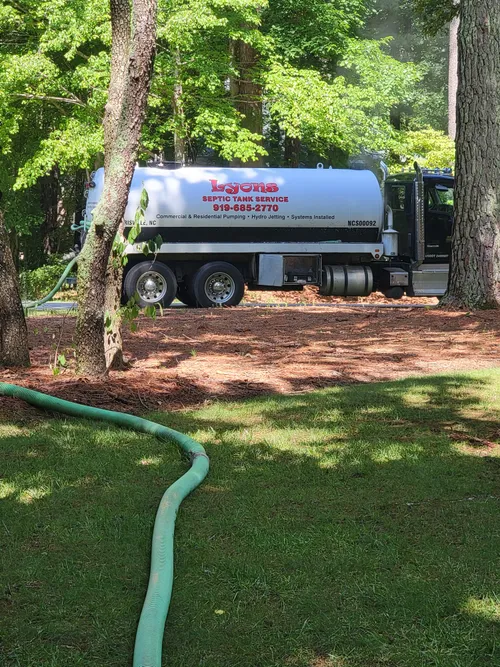
Lyons Septic Tank Service is a licensed and insured company based near Raleigh, NC, offering septic tank cleaning, grease trap cleaning, and liquid waste hauling. Serving the Greater Triangle area since 1981, they provide services for both residential and commercial clients. Their team uses modern equipment to ensure thorough cleaning and compliance with regulations. With over 40 years of experience, Lyons Septic Tank Service has handled more than 5,000 septic systems and offers emergency response services.
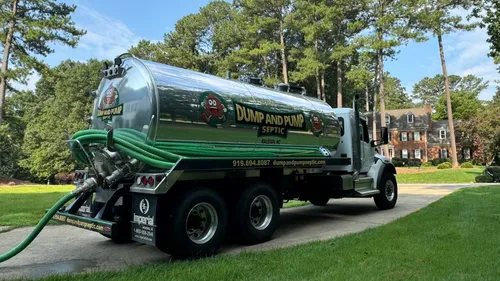
Dump & Pump Septic
515 S New Hope Rd, Raleigh, NC 27610
Dump & Pump Septic is a grease trap cleaning company located in Raleigh, NC. They provide grease trap cleaning services to customers in the Raleigh area.
Bailey's Septic Tank Service
1211 N Raleigh Blvd, Raleigh, NC 27610
Bailey's Septic Tank Service is a licensed and certified company based in Raleigh, NC, offering septic system services to Wake, Franklin, Johnston County, and nearby areas. They provide septic tank cleaning and pumping, repairs, installations, and grease trap cleaning for residential, commercial, and government clients. With years of industry experience, their technicians deliver knowledgeable service and state-of-the-art septic solutions.
Understanding Cary's FOG Control Ordinance
Cary's regulatory framework is designed to prevent sewer backups and environmental issues. The core rules are outlined in Section 36-183 of the town's code and apply to all food service establishments (FSEs). Key provisions include:
- Mandatory Interceptors: Any establishment that prepares or serves food must install and maintain an approved grease interceptor 1.
- Prohibited Discharges: Direct discharge of FOG into drains is banned. Furthermore, practices that compromise interceptor efficiency, like using emulsifying agents (certain soaps and detergents) or pouring hot water down the drain, are also prohibited 2.
- Record Keeping: Establishments must keep a log of all grease interceptor maintenance, including dates, volumes of waste removed, and the service provider's information. These records must be available for town inspection upon request.
The Importance of Regular Maintenance and Pumping
Skipping or delaying grease trap service is a high-risk decision. Accumulated grease and solids can cause immediate problems like slow-draining sinks and foul odors in your kitchen. More seriously, when FOG escapes into the public sewer, it cools and hardens, creating massive blockages that can lead to sewage overflows into streets, waterways, and even back-ups into other businesses or homes. These incidents are costly to remediate and can result in significant fines from the town for the responsible establishment.
Regular pumping removes the accumulated FOG and food solids, restoring the interceptor's capacity and efficiency. A well-maintained trap also helps control odors and pest issues within your facility. The frequency is not arbitrary; it's based on the interceptor's size, the volume of food you prepare, and the type of cooking you do. A licensed service provider can help you determine the optimal schedule to stay ahead of compliance issues 3 4.
What to Expect from Professional Grease Interceptor Service
Hiring a professional for grease trap pumping and cleaning ensures the job is done thoroughly and in accordance with Cary's regulations. A proper service visit involves:
- Complete Evacuation: Pumping out all liquid and solid contents from the interceptor, including the FOG layer (scum), wastewater (effluent), and settled solids (sludge).
- Interior Cleaning: High-pressure washing or manual scraping of the trap's interior walls and baffles to remove clinging grease and debris.
- Inspection: A visual check of the interceptor's condition, including the inlet and outlet tees, baffles, and lid seals for any damage or wear.
- Proper Disposal: Transporting the collected grease waste to an approved facility, such as a rendering plant or anaerobic digester, for recycling or disposal, as required by state guidelines.
- Documentation: Providing you with a detailed service report, which is essential for your compliance records. This should include the date, time, gallons pumped, and the hauler's information.
Find the perfect grease trap cleaning companies for your needs
Get personalized recommendations and expert advice
Cost Factors for Grease Trap Cleaning in Cary
The cost for professional grease interceptor maintenance in Cary varies based on several key factors. For a standard, regularly maintained indoor grease trap, you can expect a typical cleaning to range from approximately $175 to $475 or more per service 5. The final price is influenced by:
- Interceptor Size and Type: Larger traps or exterior grease interceptors hold more waste and require more labor and disposal capacity.
- Accessibility: Easily accessible traps in a kitchen mop sink or prep area are less expensive to service than those in tight corners, under equipment, or outdoors.
- Accumulation Level: A trap that has been neglected will require significantly more time and effort to pump and clean thoroughly, often at a higher cost.
- Service Frequency: Establishing a regular, preventive maintenance schedule often results in a lower per-service cost compared to emergency cleanings for a severely clogged unit.
- New Installation Costs: If you are opening a new establishment or need to replace an old interceptor, installation costs can range from $3,500 to $4,500 or higher, depending on size and plumbing complexity 6 7.
Choosing a Service Provider in the Cary Area
Selecting the right partner for your grease management is crucial. Look for a service provider that is fully licensed and insured to operate in North Carolina. They should have a clear understanding of Cary's specific FOG program requirements and be able to guide you on compliance. Ask about their disposal practices to ensure they follow environmentally sound methods, such as recycling used cooking oil and grease trap waste 8. Reliability and clear communication are also vital, as missed appointments can put you at risk of non-compliance. A good provider acts as a consultant, helping you optimize your schedule and avoid potential problems.
Consequences of Non-Compliance
The Town of Cary's Pretreatment Division actively enforces its FOG regulations to protect the sewer infrastructure. Enforcement typically begins with a notice of violation for issues like missed cleanings, inadequate records, or prohibited discharges 9 10. Continued non-compliance can escalate to significant fines. Beyond municipal penalties, a severely neglected grease interceptor can lead to operational shutdowns by health inspectors if it causes unsanitary conditions. The cost of an emergency service call, a potential fine, and reputational damage far outweighs the investment in consistent, preventive maintenance 11 12.
Frequently asked questions
Sources
Footnotes
-
Grease Interceptor Installation Permit Acquisition Process - https://www.carync.gov/services-publications/water-sewer/sewer/pretreatment/fats-oils-and-grease-control/sizing-and-design-requirements/grease-interceptor-installation-permi ↩
-
General Pretreatment Program Plumbing Requirements - Town of Cary - https://www.carync.gov/services-publications/water-sewer/sewer/pretreatment/fats-oils-and-grease-control/sizing-and-design-requirements/general-pretreatment-program-plumbing ↩
-
Grease Trap Cleaning Frequency North Carolina by Municipality - https://grease-cycle.com/grease-pumping-frequency-north-carolina/ ↩
-
Restaurant Grease Trap Cleaning FAQs - Mahoney Environmental - https://www.mahoneyes.com/restaurant-grease-trap-cleaning-faqs/ ↩
-
The Cost To Clean A Grease Trap For Restaurants - https://thegreasecompany.com/blog/greasetrapcleaningcost/ ↩
-
How Much Does a Proper Grease Trap Cleaning Cost? - https://hulseyenvironmental.com/how-much-does-a-proper-grease-trap-cleaning-partner-cost/ ↩
-
OIL AND GREASE LIMITS - TN.gov - https://www.tn.gov/content/dam/tn/environment/water/documents/GuidanceDoc.pdf ↩
-
Restaurant Grease Management In North Carolina - https://www.deq.nc.gov/waste-management/dwm/sw/composting-and-land-application/restaurant-grease-management-north-carolina-3/download ↩
-
Grease Control Policy - NC Pretreatment Consortium - https://ncpretreatment.com/wp-content/uploads/2019/07/2019-Grease-Policy-New-Logo.pdf ↩
-
Fats, Oils and Grease Control - Town of Cary - https://www.carync.gov/services-publications/water-sewer/sewer/pretreatment/fats-oils-and-grease-control ↩
-
Considerations in Establishing a Municipal Oil and Grease Program - https://oakboro.com/PDF/MUNICIPAL%20FOG%20PROGRAMS.pdf ↩
-
Miami-Dade FOG & GDO Compliance Guide for Restaurants 2025 - https://www.greaseprosrecycling.com/miami-dade-fog-and-gdo-compliance/ ↩