Find the Best Grease Trap Cleaning Companies for Your Business
No obligation • Fast responses • Nationwide coverage

Why you can trust Restaurant Waste Disposal
Restaurant Waste Disposal is a leading U.S. resource for comparing restaurant composting, food-waste recycling, grease trap cleaning, and used cooking oil collection services. Our editorial team researches providers, checks credentials, and organizes unbiased information so operators can make informed decisions. Companies cannot pay to change ratings or placement.
Search providers near you
Top Grease Trap Cleaning Companies in Apex, North Carolina Ranked
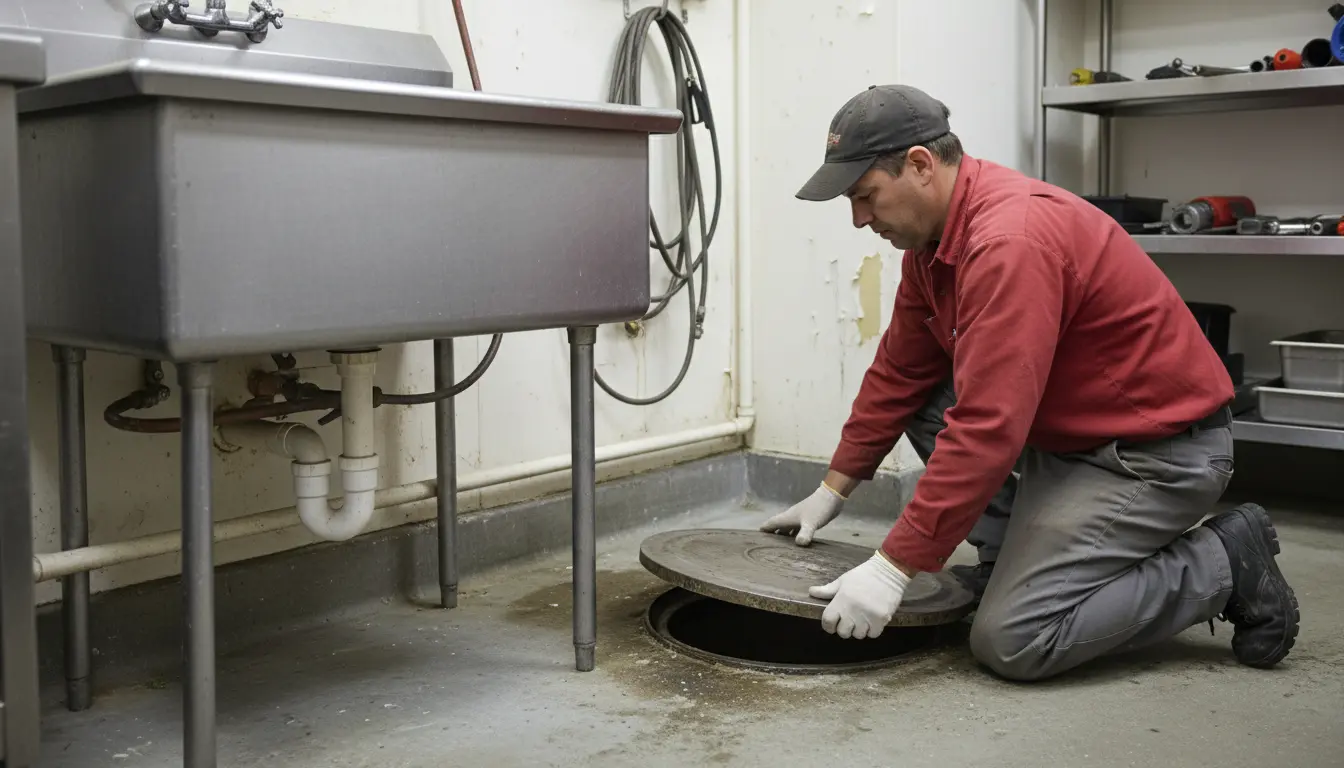
For restaurant owners and food service operators in Apex, maintaining a clean and compliant grease trap is a critical operational responsibility. These systems, also known as grease interceptors, are your first line of defense in preventing fats, oils, and grease (FOG) from entering the municipal sewer lines. Adherence to local and state codes is not optional; it's a mandatory practice enforced by the Town of Apex to protect the community's wastewater infrastructure. Proactive maintenance of your grease interceptor helps you avoid significant fines, prevent disruptive sewer backups, and ensure your business runs smoothly without costly environmental violations.
Roto-Rooter Plumbing & Water Cleanup
331 W Main St #307, Durham, NC 27701
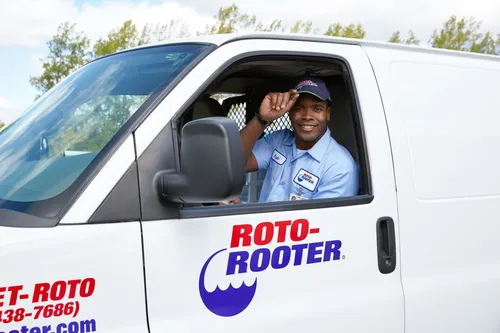
Roto-Rooter Plumbing & Water Cleanup provides comprehensive plumbing services in Raleigh, NC, including residential and commercial plumbing, drain cleaning, sewer line repair, and grease trap maintenance. Their team handles emergency plumbing repairs and floodwater cleanup with 24/7 availability. They offer specialized capabilities such as hydro-jetting and trenchless sewer line repair to address a wide range of plumbing issues efficiently. Serving the Raleigh area, Roto-Rooter is experienced in managing plumbing systems for homes and businesses, ensuring compliance with local codes and environmental considerations.
Roto-Rooter Plumbing & Water Cleanup
744 E Chatham St Ste I, Cary, NC 27511
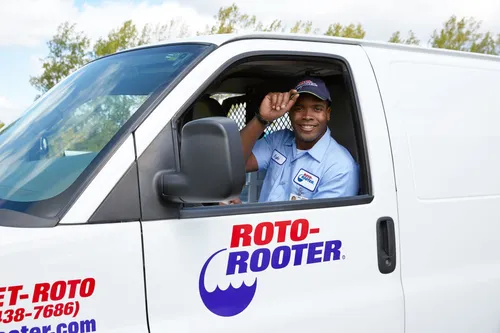
Roto-Rooter Plumbing & Water Cleanup provides commercial plumbing services in Raleigh, NC, including grease trap pumping and cleaning, sewer line excavation, and high-pressure water jetting. They serve a variety of commercial facilities such as restaurants, research centers, and bioscience labs. The company offers 24/7 emergency plumbing services to address urgent issues like sewer backups and water heater repairs. Their capabilities include video camera inspections and trenchless sewer line repairs to minimize disruption. Roto-Rooter is fully licensed and insured, serving the Cary metro area with a comprehensive range of plumbing solutions.
Lyons Septic Tank Service
804 Church St, Morrisville, NC 27560
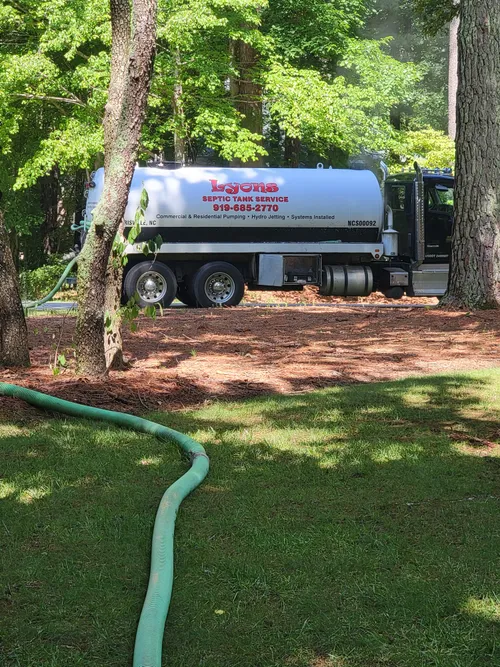
Lyons Septic Tank Service is a licensed and insured company based near Raleigh, NC, offering septic tank cleaning, grease trap cleaning, and liquid waste hauling. Serving the Greater Triangle area since 1981, they provide services for both residential and commercial clients. Their team uses modern equipment to ensure thorough cleaning and compliance with regulations. With over 40 years of experience, Lyons Septic Tank Service has handled more than 5,000 septic systems and offers emergency response services.
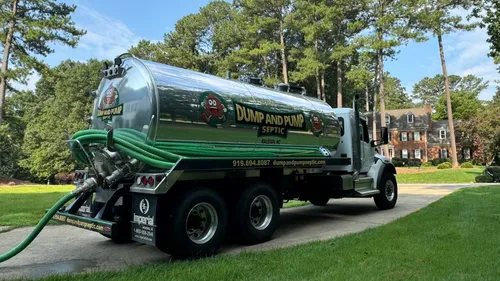
Dump & Pump Septic
515 S New Hope Rd, Raleigh, NC 27610
Dump & Pump Septic is a grease trap cleaning company located in Raleigh, NC. They provide grease trap cleaning services to customers in the Raleigh area.
Bailey's Septic Tank Service
1211 N Raleigh Blvd, Raleigh, NC 27610
Bailey's Septic Tank Service is a licensed and certified company based in Raleigh, NC, offering septic system services to Wake, Franklin, Johnston County, and nearby areas. They provide septic tank cleaning and pumping, repairs, installations, and grease trap cleaning for residential, commercial, and government clients. With years of industry experience, their technicians deliver knowledgeable service and state-of-the-art septic solutions.
Understanding Apex and North Carolina Grease Trap Regulations
The rules governing grease trap maintenance in Apex are rooted in the North Carolina Plumbing Code, with local enforcement managed by the Town of Apex Public Works or Utilities Department. This means your compliance is monitored at the local level, making it essential to understand the specific requirements that apply to your establishment.
The cornerstone of the regulation is the 25% rule: grease interceptors must be pumped and cleaned when the combined FOG and solids accumulate to 25% of the liquid depth, or in other words, when the trap is 75% full 1. While the state code sets this performance standard, the Town of Apex often mandates a specific pumping frequency-typically monthly or quarterly for most food service establishments-to ensure consistent compliance. It is crucial to check with local authorities for your official required schedule.
Key Design and Installation Standards
Proper function begins with proper installation. The NC Plumbing Code specifies that grease interceptors must have adequate flow control, proper air intake, and be constructed in a watertight manner. They also require sufficient clearance for maintenance and inspection. A critical point for kitchen operations is that garbage disposals should not drain into a grease interceptor. The grinding action of a disposal emulsifies fats and solids, allowing them to pass through the trap and directly into the sewer lines, defeating the interceptor's purpose and likely causing a code violation.
The Inspection and Enforcement Process in Apex
Local authorities conduct inspections to ensure compliance with these grease management ordinances. Inspections can be routine, occurring on an annual or biannual basis, or they can be triggered by specific events such as sanitary sewer overflows, blockages, or neighbor complaints.
During an inspection, an official will typically check:
- Cleaning Logs: Documented proof of regular pumping and maintenance by a licensed service provider.
- Trap Condition: Visual inspection for proper lid seals, structural integrity, and signs of bypass or overflow.
- Accumulation Level: Measurement of FOG and solids to verify the trap is not over the 25% accumulation limit.
Non-compliance carries serious consequences. The enforcement process usually begins with a formal warning, followed by escalating fines. In persistent cases, the town can issue a mandatory cleaning order and has the authority to suspend water or sewer service to the non-compliant business until the issue is rectified 2. Keeping detailed service records is your best defense during an inspection.
Cost Factors for Grease Interceptor Service
Investing in regular professional cleaning is far more economical than facing enforcement penalties or emergency repairs. Service costs in the Apex area are not one-size-fits-all; they vary based on several key factors.
- Interceptor Size and Type: Smaller indoor grease traps, common under sinks, generally cost between $100 and $250 per cleaning. Larger outdoor concrete or plastic grease interceptors, which service higher-volume kitchens, range from $200 to over $500 per pumping 3 4 5.
- Service Frequency: Contracts for monthly or bi-monthly service often have a different per-visit rate compared to quarterly or on-call pumping.
- Accessibility and Condition: Traps that are difficult to access, located under equipment, or severely neglected (requiring extra labor or hazardous cleanup) will incur higher charges.
- Service Provider: Prices can vary between licensed waste haulers, so it is wise to obtain detailed quotes.
The final cost is also influenced by proper waste disposal. All pumped grease trap waste must be transported and disposed of in accordance with North Carolina environmental regulations, typically at an approved treatment facility or rendering plant 6.
Find the perfect grease trap cleaning companies for your needs
Get personalized recommendations and expert advice
Best Practices for Proactive Grease Management
Beyond simply scheduling pump-outs, a comprehensive approach to kitchen grease control can extend the time between services and improve overall compliance.
Implement Kitchen Best Practices:
- Scrape, Don't Rinse: Train staff to scrape all food scraps and grease into the trash before washing dishes.
- Use Strainers: Install and maintain sink strainers to catch solid particles.
- Collect Cooking Oil Separately: Never pour used fryer oil down the drain. Use a dedicated collection program for used cooking oil, which is often a separate service from grease trap cleaning.
Maintain Detailed Records: Keep a dedicated logbook or digital file for every service receipt. Note the date, company, volume of waste removed, and the observed condition of the trap. This log is your primary evidence of due diligence during an inspection.
Schedule Regular Maintenance: Don't wait for an alarm or an inspection notice. Work with your service provider to establish a pumping schedule that aligns with Apex's requirements and your kitchen's volume. A proactive schedule prevents the 25% limit from being breached.
The Risks of Neglect: More Than Just a Fine
Failing to maintain your grease interceptor has consequences that ripple beyond a fine from the town. Accumulated FOG can solidify in your own building's plumbing, leading to slow drains, clogs, and unpleasant odors that affect the customer experience. On a larger scale, FOG that escapes into the public sewer system cools and hardens, forming massive "fatbergs" that block sewer mains. These blockages can cause raw sewage to back up into streets, businesses, and even homes, leading to severe environmental health hazards and costly municipal cleanup operations 7. Your diligent maintenance is a direct contribution to Apex's community health and infrastructure integrity.
Choosing a Service Provider in Apex
When selecting a company for grease interceptor pumping, ensure they are fully licensed and insured to handle and transport this type of commercial waste in North Carolina. A reputable provider will not only perform the pumping but can also offer guidance on optimal scheduling, provide detailed service reports for your records, and help you understand local code nuances. They are a partner in your business's compliance and operational efficiency.
Frequently asked questions
Sources
Footnotes
-
Grease Trap Inspection - InterNACHI® - https://www.nachi.org/grease-trap-inspection.htm ↩
-
Grease Trap Pumping Services for NC Restaurants - Full Circle Septic - https://www.fullcircleenv.com/services/grease-trap-pumping/ ↩
-
Grease Trap Cleaning Frequency North Carolina by Municipality - https://grease-cycle.com/grease-pumping-frequency-north-carolina/ ↩
-
Restaurant Grease Trap Cleaning FAQs - Mahoney Environmental - https://www.mahoneyes.com/restaurant-grease-trap-cleaning-faqs/ ↩
-
How Much Does It Cost to Clean Your Grease Trap? - https://www.aquaprosolutions.com/resources/how-much-does-it-cost-to-clean-your-grease-trap/ ↩
-
1003.3 Grease Interceptors - UpCodes - https://up.codes/s/grease-interceptors ↩
-
Grease Trap Service - https://regrease.com/grease-trap-maintenance/ ↩