
Find the Best Grease Trap Cleaning Companies for Your Business
No obligation • Fast responses • Nationwide coverage

Why you can trust Restaurant Waste Disposal
Restaurant Waste Disposal is a leading U.S. resource for comparing restaurant composting, food-waste recycling, grease trap cleaning, and used cooking oil collection services. Our editorial team researches providers, checks credentials, and organizes unbiased information so operators can make informed decisions. Companies cannot pay to change ratings or placement.
Search providers near you
Top Grease Trap Cleaning Companies in Worcester, Massachusetts Ranked
For any restaurant, food truck, or commercial kitchen in Worcester, managing fats, oils, and grease (FOG) is a critical operational and legal responsibility. Proper grease trap cleaning and maintenance is not just about avoiding unpleasant odors or slow drains; it's a mandatory requirement enforced by the City of Worcester's Department of Inspectional Services to protect the public sewer system from costly blockages and environmental damage. Failure to comply can result in significant fines, mandatory system upgrades, and even the potential for business closure. This guide outlines the specific regulations, best practices, and maintenance schedules you need to know to keep your Worcester establishment running smoothly and in full compliance.
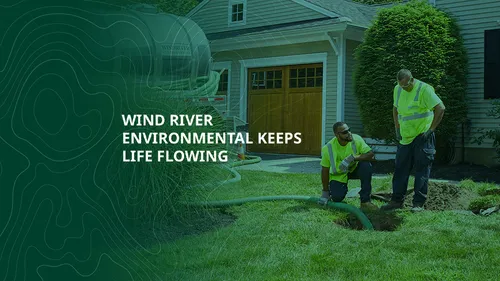
Wind River Environmental
Worcester, MA
Wind River Environmental is a commercial septic and grease trap cleaning company based in Worcester, MA, serving the Eastern Seaboard and surrounding areas. They provide septic tank pumping, grease trap maintenance, full-system replacements, and other wastewater services for residential, commercial, municipal, and industrial clients. The company operates 24/7 to handle emergency septic situations and emphasizes compliance with local environmental regulations. Wind River Environmental is part of a larger network of industry partners, combining local expertise with specialized skills to support businesses of all sizes across various industries.
Chase Harris Septic Services
85 Dudley Rd, Sutton, MA 01590
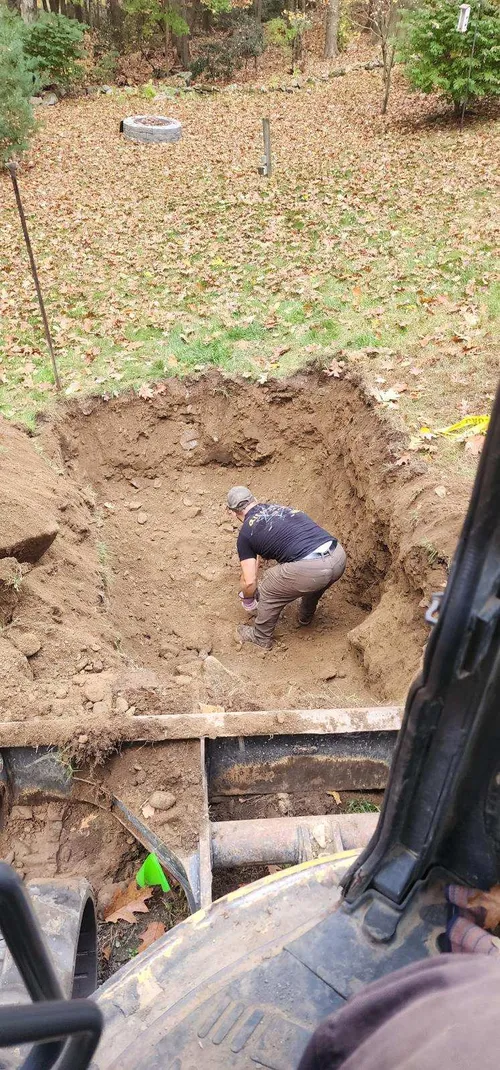
Chase Harris Septic Services is a family-owned business providing septic system solutions in Worcester, MA, and surrounding communities. They offer a range of services including septic pumping, system repairs, installations, Title 5 inspections, grease trap cleaning, portable toilet rentals, excavation, and site preparation. With decades of experience, the company ensures systems meet local codes and regulations, including Title 5 standards. Their team uses advanced equipment and techniques to maintain and repair septic systems efficiently, helping extend system life and prevent costly issues.
Blackstone Septic Service
47 Burbank St, Millbury, MA 01527
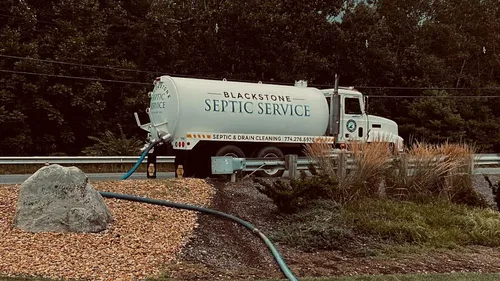
Blackstone Septic Service is a family-owned business serving Worcester, MA, and Central Massachusetts. They offer septic cleaning, grease trap cleaning, septic system maintenance and repair, as well as excavation services including land clearing and bulldozing. With over 75 years of experience, they provide skilled and trained technicians to handle septic and grease trap needs efficiently while maintaining a focus on honesty and transparency.
Mass Drain LLC
Worcester, MA
Mass Drain LLC is a drain cleaning company based in Worcester, MA, serving both commercial and residential clients. They offer a range of services including grease trap cleaning, preventive maintenance, and cleaning of kitchen sinks, tub and bath sinks, rain drains, laundry lines, floor drains, and main lines up to 100 feet. The company is fully insured and provides a warranty on all work.
Rodenhiser Excavating, Septic & Drains and Builders
70 Bartzak Dr, Holliston, MA 01746
Rodenhiser Excavating, Septic & Drains and Builders is a family-owned company based in Framingham, MA, offering a wide range of services including septic pumping, drain cleaning, grease trap pumping, septic design and repair, excavation, and building construction. They serve both residential and commercial clients, providing capabilities such as video pipe inspection and Waterjet℠ leach field cleaning. With over 90 years of experience, the company emphasizes expertise and quality workmanship across its excavation, septic, and building services. They also provide emergency service for urgent water or sewer line repairs.
Understanding Worcester's FOG Program Requirements
The City of Worcester has established a Fats, Oil, and Grease (FOG) program to prevent sewer overflows and infrastructure damage. Central to this program is the proper installation, maintenance, and cleaning of grease interceptors. All food service establishments are required to have a properly sized and easily accessible grease trap or interceptor. The sizing is based on your kitchen's specific output and must meet city specifications to be effective. It is illegal to bypass the trap or use emulsifying chemicals to dissolve grease, as these substances simply pass the problem downstream into the public sewers 1.
Compliance is verified through periodic and sometimes unannounced inspections by city officials. During these inspections, you must be able to present detailed maintenance records. If violations are found, you typically have 90 days to correct the issues before facing escalating penalties. Proactive, professional grease trap maintenance is your best defense against these costly and disruptive enforcement actions.
Mandatory Cleaning Frequency and Inspection Schedules
How often you need to clean your grease interceptor isn't a guess-it's dictated by both capacity and a strict timeline. Worcester regulations require that traps be pumped and cleaned when the combined grease and solids accumulate to 25% of the unit's capacity 2 3. However, even if that threshold isn't met, cleaning is mandatory at least every three months (quarterly) 4 5. Whichever condition comes first-hitting 25% capacity or reaching the 90-day mark-triggers the requirement for service.
In addition to pumping, routine inspection is a key part of compliance. Establishments with smaller, indoor grease traps should perform a visual inspection weekly. For larger, exterior interceptors, a monthly inspection is standard 6. These inspections involve checking the lid, baffles, and interior walls for excessive buildup, ensuring inlet and outlet lines are clear, and verifying that water is draining properly. Keeping the trap accessible and the area around it clean is also part of basic upkeep.
The Critical Importance of Record Keeping
If you don't document it, it didn't happen in the eyes of an inspector. Meticulous record keeping is a non-negotiable pillar of grease trap compliance in Massachusetts 7. You are required to maintain a detailed service log for a minimum of three years, and these logs must be readily available for review during any city inspection.
Your log should include, at a minimum:
- The date of each service.
- The volume of grease and solids removed (in gallons).
- The name and signature of the service technician or employee who performed the work.
- The disposal method and hauler information.
Furthermore, when a licensed hauler pumps your trap, they will provide a manifest or receipt. You must keep these disposal manifests on file as proof that the waste was handled legally by a licensed professional. A well-organized file of these records is your primary evidence of due diligence and compliance.
Professional Service: Licensing, Disposal, and Cost Considerations
Grease trap waste is considered industrial waste and must be disposed of by a licensed hauler at an approved facility. It is illegal to pour it down a drain, into a dumpster, or onto the ground. Reputable grease trap cleaning services in Worcester hold the necessary state and local permits for both transportation and disposal, providing you with the required paperwork.
The cost for professional grease interceptor pumping varies based on several factors. For routine cleaning of a small, indoor trap (typically 30-200 gallons), prices in the Worcester area often range from approximately $125 to $180 8 9. A one-time or emergency pumping of a similar-sized unit may cost between $190 and $240 or more 9 10. Larger, exterior concrete interceptors or units that are difficult to access will cost significantly more due to the equipment and labor involved. Establishing a regular service contract with a licensed provider is almost always more cost-effective than emergency calls and helps ensure you never miss a mandatory cleaning date.
Find the perfect grease trap cleaning companies for your needs
Get personalized recommendations and expert advice
Consequences of Non-Compliance: Fines and Enforcement
The City of Worcester takes FOG violations seriously because the consequences of sewer blockages are severe and public. Enforcement actions are designed to compel compliance and cover the city's costs for addressing problems caused by negligent establishments. Penalties can include 11 12:
- Substantial Fines: Monetary penalties for violations, which can escalate for repeat offenses.
- Mandatory Upgrades: Orders to install larger or additional pretreatment equipment at your expense.
- Operational Shutdown: In severe cases, the city can suspend your sewer discharge permit, effectively forcing you to close until the issue is resolved.
- Cost Recovery: You can be billed for the city's costs to clean a sewer line blockage attributed to your establishment.
Beyond regulatory fines, neglect leads to operational headaches like chronic drain clogs, foul odors that drive away customers, and even sewage backups into your own kitchen. The cost of reactive repairs and lost business far exceeds the predictable expense of regular, professional grease trap maintenance.
Best Practices for Proactive Grease Management
Staying ahead of problems involves more than just scheduling pump-outs. Implementing kitchen-level best practices can significantly reduce the load on your grease interceptor, extend time between services, and improve overall efficiency.
- Scrape, Don't Rinse: Train staff to scrape all food scraps from plates, pots, and pans into trash or compost bins before washing.
- Use Drain Screens: Install and regularly clean screens in all sink drains to catch solid food particles.
- Collect Cooking Oil Separately: Never pour used fryer oil down the drain. Use dedicated containers for collection by a used cooking oil (UCO) recycler.
- Dry Wipe Greasy Pans: Wipe down greasy cookware with a paper towel before washing.
- Post Clear Guidelines: Place simple, visual reminders at all prep and dishwashing stations to reinforce proper practices.
By combining these daily habits with a strict professional cleaning and inspection schedule, you protect your business from unexpected costs and maintain a compliant, hygienic operation.
Frequently asked questions
Sources
Footnotes
-
Commercial Kitchen Grease Trap Guidelines | Boston Water and ... - https://www.bwsc.org/business-customers/programs-guidelines-assistance/commercial-kitchen-grease-trap-guidelines ↩
-
Essential Grease Trap Maintenance Guide For Worcester ... - https://www.myshyft.com/blog/grease-trap-cleaning-worcester-massachusetts/ ↩
-
City of Worcester, MA Fats, Oil, and Grease (FOG) Program - http://www.newea.org/wp-content/uploads/2018/09/CS18_FOcchipinti.pdf ↩
-
Nonresidential Septic System Users - Mass.gov - https://www.mass.gov/guides/nonresidential-septic-system-users ↩
-
Grease Trap Maintenance: How Often Should This Be Scheduled? - https://ace1965.com/2024/07/grease-trap-maintenance-how-often-should-this-be-scheduled/ ↩
-
Grease Trap Cleaning and Maintenance Services - Service Pumping and Drain Co., Inc.™ - https://www.servicepumpingdrain.com/services/grease-trap-maintenance/ ↩
-
Massachusetts Codes and Regulations Regarding Grease Traps - https://foodgreasetrappers.com/2021/03/massachusetts-codes-and-regulations-regarding-grease-traps/ ↩
-
Grease Traps for Restaurants: The Essential Guide - https://therestaurantwarehouse.com/blogs/restaurant-equipment/grease-trap-for-restaurant-guide ↩
-
Grease Trap Cleaning Prices | Guide on the Industry Average - https://grease-cycle.com/grease-trap-pumping-cost/ ↩ ↩2
-
Grease Trap Regulations and Compliance: What You Need to Know - https://www.texwaywastewater.com/grease-trap-regulations-and-compliance/ ↩
-
Massachusetts Restaurant Facing Grease Trap Pumping Fines - https://replaceyourgarbagedisposal.com/grease-trap-pumping/massachusetts-restaurant-facing-fines-over-grease-trap-pumping/ ↩
-
Grease Trap 101: Grease Hauling Permits - http://foodgreasetrappers.com/2016/02/grease-trap-101-grease-hauling-permits/ ↩