Find the Best Grease Trap Cleaning Companies for Your Business
No obligation • Fast responses • Nationwide coverage

Why you can trust Restaurant Waste Disposal
Restaurant Waste Disposal is a leading U.S. resource for comparing restaurant composting, food-waste recycling, grease trap cleaning, and used cooking oil collection services. Our editorial team researches providers, checks credentials, and organizes unbiased information so operators can make informed decisions. Companies cannot pay to change ratings or placement.
Search providers near you
Top Grease Trap Cleaning Companies in Chicopee, Massachusetts Ranked
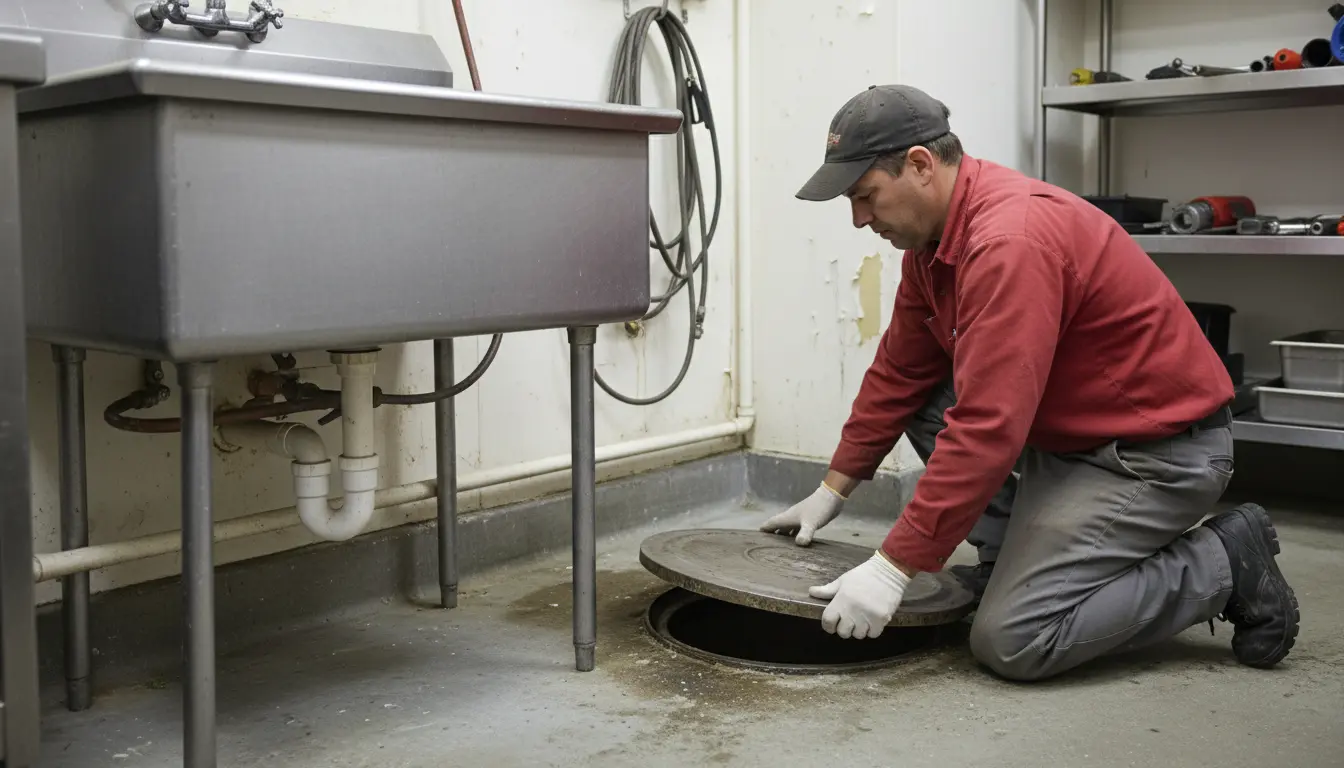
For restaurant owners and food service operators in Chicopee, managing fats, oils, and grease (FOG) is a critical operational and regulatory responsibility. Proper grease interceptor maintenance is not just about preventing clogs; it's a legal requirement enforced by local and state health authorities to protect the city's sewer infrastructure. Compliance involves adhering to strict cleaning schedules, maintaining detailed records, and using properly licensed waste haulers. This guide outlines the essential regulations, best practices, and local considerations for effective grease trap and grease interceptor management in Chicopee.
Skips Wastewater Services
21 Courtney Dr, Ellington, CT 06029
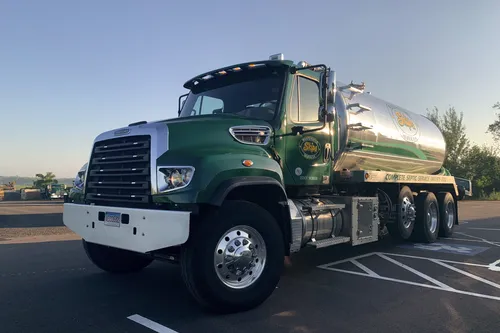
Skips Wastewater Services is a family-owned company providing septic and wastewater solutions in Hartford, CT, and surrounding counties. They offer residential and commercial services including grease trap cleaning, septic tank pumping, inspections, and installations. With a fleet of 11 pump trucks, they handle projects of all sizes and use advanced technology to ensure efficient service. Serving multiple counties in Connecticut, Skips has been delivering septic services for over 60 years. They also provide 24/7 emergency wastewater services to address backups and other urgent issues promptly.
Roto-Rooter Plumbing & Water Cleanup
750 Main St Ste 321, Hartford, CT 06103
Roto-Rooter Plumbing & Water Cleanup offers comprehensive plumbing and water cleanup services in Hartford, CT. They serve both residential and commercial clients, providing solutions such as floodwater cleanup, sewer and drain cleaning, faucet and water heater repairs, grease trap cleaning, and mold remediation. Their commercial services include high-pressure water jetting (hydro-jetting), sewer line excavation, and grease trap maintenance. With a focus on the unique environmental factors of the Hartford area, Roto-Rooter also provides 24/7 emergency plumbing services to address urgent issues like burst pipes and sewer backups. They serve Hartford and surrounding communities including Avon, East Hartford, and West Hartford.
Roto-Rooter Plumbing & Water Cleanup
87 Carando Dr, Springfield, MA 01104
Roto-Rooter Plumbing & Water Cleanup provides comprehensive residential and commercial plumbing services in Springfield, MA. Their offerings include routine and emergency plumbing, sewer and drain cleaning, grease trap cleaning, water heater repair and installation, floodwater cleanup, mold remediation, and sewer line repair using both conventional and trenchless methods. The company is known for its expertise in handling local plumbing challenges such as tree root infiltration and nor'easter flooding. Roto-Rooter has a long-standing presence in the area and offers 24/7 emergency plumbing services to address urgent issues anytime. Serving Springfield and surrounding communities, Roto-Rooter uses advanced tools like hydro-jetting for drain cleaning and provides specialized commercial plumbing services including grease trap maintenance and gas line installation. Their team is equipped to manage complex plumbing systems for various industries, ensuring minimal downtime and effective solutions.

Latour Wilson Septic
185 W State St, Granby, MA 01033
Latour Wilson Septic is a family-owned septic and grease pumping provider serving Chicopee, MA, and surrounding areas including Belchertown, Granby, and Amherst. They offer a wide range of services for residential and commercial septic systems, including installation, repairs, maintenance, and grease trap cleaning. Their technicians use advanced tools to ensure thorough grease trap pumping and septic system care. The company has experienced staff capable of handling all aspects of septic service and provides 24/7 emergency availability.
Dedicated Plumbing & Drain
20 E Newberry Rd, Bloomfield, CT 06002
Dedicated Plumbing & Drain is based in Bloomfield and serves Hartford, CT, along with the rest of Connecticut. They provide a wide range of residential and commercial plumbing services including faucet installation, sewer and drain cleaning, and grease trap maintenance. Their capabilities include hydro jetting to clear blockages and sewer inspection cameras to locate underground plumbing issues. The company offers grease trap pumping with odor control and same-day repair or replacement of parts. Dedicated Plumbing & Drain provides 24-hour emergency service to address urgent plumbing needs.
Understanding Local and State Grease Trap Regulations
In Massachusetts, and specifically in Chicopee, grease trap maintenance is governed by a combination of state codes and local Board of Health (BOH) enforcement. The primary goal is to prevent FOG from entering the public sewer system, where it can solidify, cause blockages, and lead to costly sanitary sewer overflows (SSOs).
The cornerstone of the regulation is the "25% rule" 1. This mandates that grease interceptors must be pumped out and cleaned when the combined FOG and solids accumulate to 25% of the trap's liquid depth. Critically, even if this level is not reached, cleaning is required at a minimum of every 90 days (3 months) 1. This frequency is non-negotiable for most food service establishments and forms the baseline for your maintenance schedule.
Furthermore, Massachusetts requires that all waste haulers who collect grease trap waste hold a valid Offal Hauler license. It is the restaurant's responsibility to verify that their service provider has this state license and proper insurance. Discharging FOG concentrations above 100 mg/L into the sewer is also a violation of typical municipal sewer use ordinances.
The Role of the Chicopee Board of Health
Local enforcement of these FOG control programs falls to the Chicopee Board of Health (BOH). BOH agents conduct inspections of food service facilities to ensure compliance with grease interceptor regulations. Their focus during an inspection typically includes:
- Access to Maintenance Records: You are required to keep detailed service records on a BOH-approved form, readily available in a binder for inspectors.
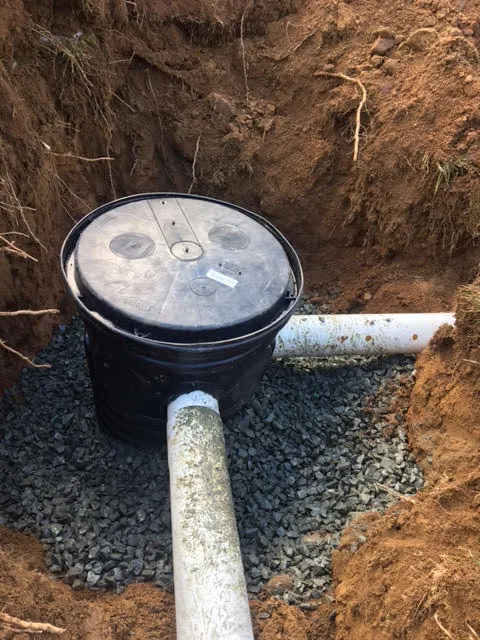
- Trap Accessibility and Condition: The grease interceptor must be easily accessible for service and meet construction standards, such as being set on a proper crushed stone base.
- Visual Inspection: Agents may check the grease trap's interior to assess FOG accumulation and overall condition.
Enforcement usually begins with education and a notice of violation to work with the business owner toward compliance. However, consistent non-compliance or failure to cooperate can lead to fines and other escalated sanctions.
Cost Factors for Grease Interceptor Pumping Services
The cost for professional grease trap cleaning in Chicopee is not a flat fee; it varies based on several key factors. Understanding these can help you budget accurately and evaluate service quotes.
- Trap Size and Location: A small, indoor grease trap under a sink will cost less to service than a large, buried outdoor grease interceptor. For regularly maintained indoor units, prices often range from $175 to $475+ per service 2. Larger outdoor units, such as 1000-1500 gallon interceptors, can range from $225 to $315+ per pump-out, especially when on a scheduled service program 3.
- Level of FOG and Solids Buildup: The single biggest variable is often the amount of material in the trap. A trap pumped on a strict 90-day schedule will be less expensive to clean than one that has been neglected, as the latter requires more labor, time, and disposal costs.
- Service Frequency and Contracts: Many providers offer discounted rates for customers who commit to a regular quarterly maintenance schedule, as it allows for efficient routing and planning.
Find the perfect grease trap cleaning companies for your needs
Get personalized recommendations and expert advice
A Step-by-Step Compliance Checklist for Chicopee Restaurants
Staying compliant requires a proactive approach. Follow this checklist to manage your grease interceptor effectively:
- Verify Local Rules: Contact the Chicopee Board of Health directly to obtain their specific service record forms and confirm any local permit requirements beyond state rules.
- Hire a Licensed Hauler: Before signing a contract, verify that your service provider holds a current Massachusetts Offal Hauler license and has adequate insurance 4.
- Schedule Proactive Maintenance: Mark your calendar for service at least every 90 days. Do not wait for an odor or a slowdown in drainage; adhere to the schedule mandated by the 25%/90-day rule 5.
- Maintain Impeccable Records: After every service, ensure the hauler completes the BOH service form. Keep all receipts and documentation in an organized, accessible logbook or binder 6.
- Implement Preventative Measures: Install and regularly clean kitchen strainers to catch solid food waste before it enters the drain. Training staff on proper FOG disposal (e.g., "no grease down the drain") can significantly reduce the load on your interceptor and extend time between necessary pump-outs 7.
Consequences of Non-Compliance
Failing to maintain your grease interceptor has serious ramifications beyond a potential fine from the BOH. Accumulated FOG can solidify in your own building's plumbing, leading to slow drains, backups, and expensive emergency plumbing repairs. On a municipal level, FOG discharged into sewers is a leading cause of blockages that can result in SSOs, environmental damage, and substantial cleanup costs that ultimately impact the community. Regulatory fines are designed to incentivize proper maintenance and prevent these larger public health and infrastructure issues 8 9 10.
Proper grease management is an integral part of responsible restaurant operation in Chicopee. By understanding the regulations, partnering with a qualified hauler, and maintaining diligent records, you can ensure your business remains in good standing with the Board of Health while protecting your plumbing and the local sewer system.
Frequently asked questions
Sources
Footnotes
-
Grease Trap Regulations - Millis MA | - https://www.millisma.gov/board-health/files/grease-trap-regulations ↩ ↩2
-
How Much Does a Proper Grease Trap Cleaning Cost? - https://hulseyenvironmental.com/how-much-does-a-proper-grease-trap-cleaning-partner-cost/ ↩
-
Grease Trap Cleaning Prices | Guide on the Industry Average - https://grease-cycle.com/grease-trap-pumping-cost/ ↩
-
Grease Trap 101: Grease Hauling Permits - http://foodgreasetrappers.com/2016/02/grease-trap-101-grease-hauling-permits/ ↩
-
Nonresidential Septic System Users - Mass.gov - https://www.mass.gov/guides/nonresidential-septic-system-users ↩
-
Massachusetts Codes and Regulations Regarding Grease Traps - https://foodgreasetrappers.com/2021/03/massachusetts-codes-and-regulations-regarding-grease-traps/ ↩
-
Grease Trap Cleaning and Maintenance Services - Service Pumping and Drain Co., Inc.™ - https://www.servicepumpingdrain.com/services/grease-trap-maintenance/ ↩
-
Massachusetts Restaurant Facing Grease Trap Pumping Fines - https://replaceyourgarbagedisposal.com/grease-trap-pumping/massachusetts-restaurant-facing-fines-over-grease-trap-pumping/ ↩
-
Commercial Kitchen Grease Trap Guidelines - https://www.bwsc.org/sites/default/files/2019-01/commercial_kitchen_grease_trap_guidelines.pdf ↩
-
Grease Traps for Restaurants: The Essential Guide - https://therestaurantwarehouse.com/blogs/restaurant-equipment/grease-trap-for-restaurant-guide ↩