Find the Best Grease Trap Cleaning Companies for Your Business
No obligation • Fast responses • Nationwide coverage

Why you can trust Restaurant Waste Disposal
Restaurant Waste Disposal is a leading U.S. resource for comparing restaurant composting, food-waste recycling, grease trap cleaning, and used cooking oil collection services. Our editorial team researches providers, checks credentials, and organizes unbiased information so operators can make informed decisions. Companies cannot pay to change ratings or placement.
Search providers near you
Top Grease Trap Cleaning Companies in Barnstable, Massachusetts Ranked
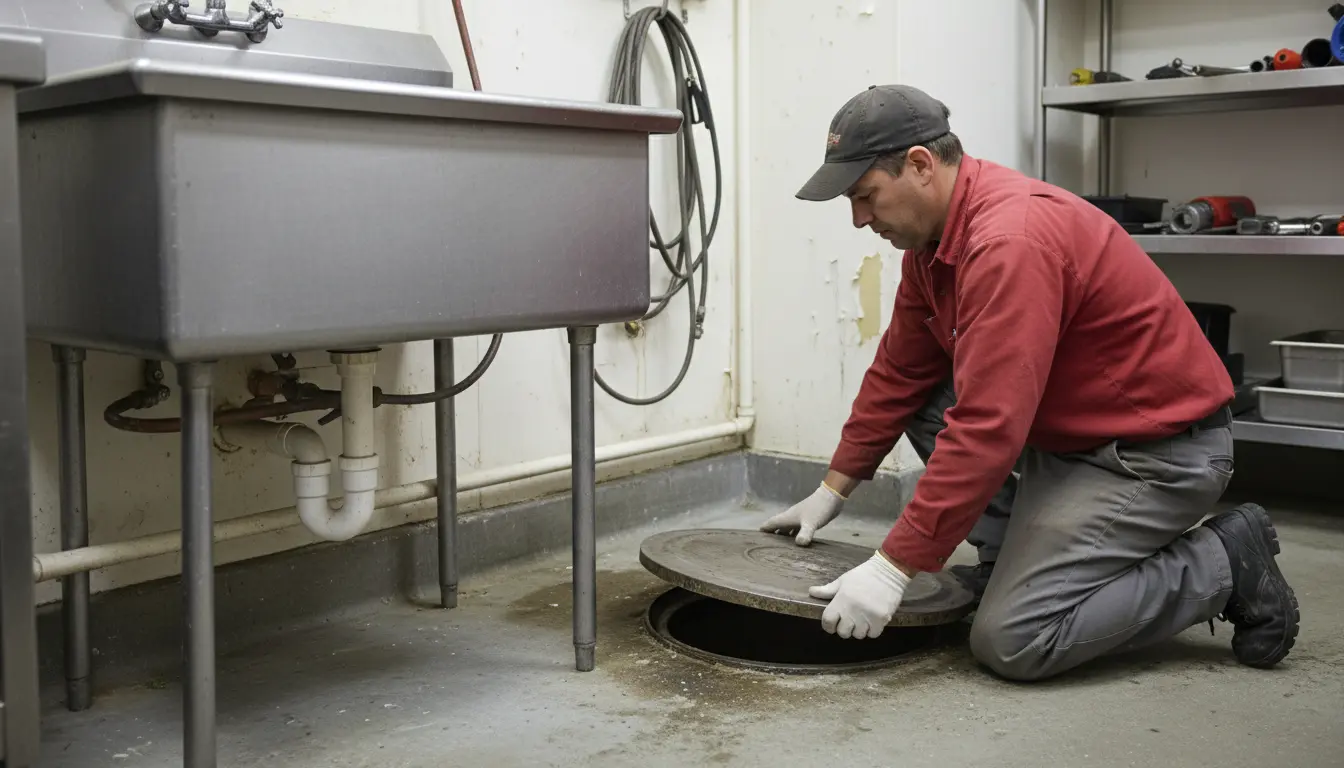
For any restaurant, café, or food service establishment in Barnstable, managing fats, oils, and grease (FOG) is not just a matter of kitchen maintenance-it's a strict regulatory requirement. The Town of Barnstable enforces specific and rigorous codes for grease interceptor installation, capacity, and servicing to protect the local wastewater infrastructure and environment. Non-compliance can lead to severe penalties, including fines and permit suspension. This guide details the essential regulations and best practices for effective grease management, ensuring your business operates smoothly and avoids costly violations.
Proper grease trap maintenance is a critical component of running a food service business on Cape Cod. The local Board of Health views excessive grease as a serious public health and environmental concern. The rules are designed to prevent blockages in the sewer system, which can cause backups, overflows, and expensive repairs for both the business and the municipality. By understanding and adhering to these standards, you not only stay in compliance but also contribute to the community's well-being and the preservation of Barnstable's coastal waters.
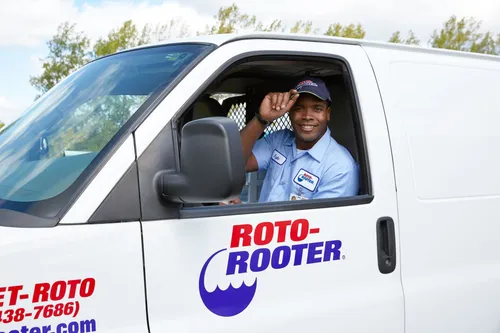
Roto-Rooter Plumbing & Water Cleanup
129 Airport Rd Ste 1, Hyannis, MA 02601
Roto-Rooter Plumbing & Water Cleanup provides a wide range of plumbing services in Barnstable, MA, and the surrounding Cape Cod area. Their offerings include residential and commercial plumbing, sewer and drain cleaning, water heater repair and installation, grease trap maintenance, mold remediation, and emergency flood cleanup. The company is equipped with advanced tools such as high-pressure hydro-jetting and no-dig pipe replacement technology to efficiently address plumbing challenges. Established in 1935, Roto-Rooter has a long history of innovation in plumbing services and offers 24/7 emergency support to handle urgent plumbing issues.
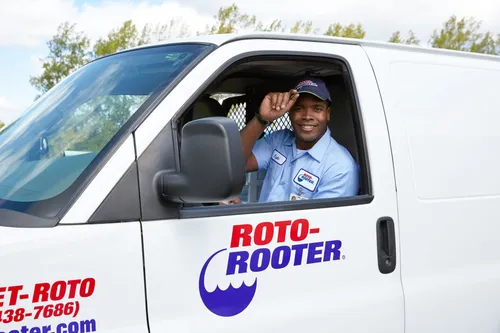
Roto-Rooter Plumbing & Water Cleanup of Plymouth
32 Court St Unit 204, Plymouth, MA 02360
Roto-Rooter Plumbing & Water Cleanup of Plymouth provides comprehensive plumbing services in Plymouth, MA, covering both residential and commercial needs. Their offerings include emergency flood services, sewer and drain cleaning, grease trap maintenance, water heater repairs, and mold remediation. The company uses advanced technologies such as HD inspection cameras and trenchless pipe replacement to address complex plumbing issues efficiently. Established in 1935, Roto-Rooter combines decades of experience with 24/7 emergency availability to support customers anytime.
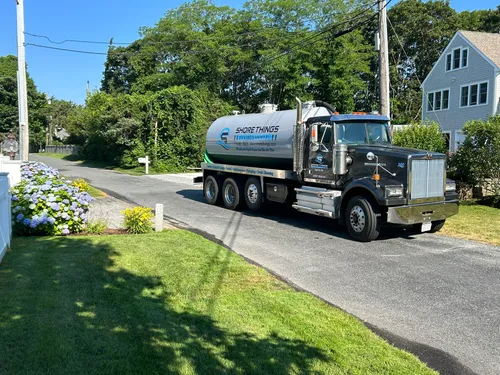
Shore Things Environmental, LLC
136 Factory Rd # 2, Harwich, MA 02645
Shore Things Environmental, LLC is a wastewater management company based in Barnstable, MA, serving Cape Cod, the Islands, Plymouth, and Bristol Counties. They specialize in septic system design, installation, maintenance, and grease trap cleaning for residential and commercial clients. The company is an authorized dealer of SludgeHammer systems, which use advanced aerobic bacterial technology to reduce nitrogen and phosphate levels in wastewater, helping to protect local ecosystems. With over 80 years of combined experience, Shore Things Environmental offers innovative solutions to extend septic system lifespan and reduce environmental impact.

Wall Septic Services
Harwich Port, MA 02646
Wall Septic Services is a family owned and operated contractor serving Barnstable, MA, and the surrounding Cape Cod and Central Massachusetts areas since 1943. They provide a range of services including pumping and cleaning septic tanks, cesspools, grease tanks, grease traps, and leach pits. The company also handles clearing clogged drains, repairing septic system components, installing and servicing sewage pumps, and conducting licensed Title V inspections and certifications. Their thorough cleaning process includes removing scum, wastewater, and sludge, followed by inspection of system components to ensure proper function.
Understanding Barnstable's Grease Interceptor Requirements
The foundation of compliance in Barnstable starts with having the correctly sized and constructed grease interceptor. The town mandates a minimum capacity of 1,000 gallons for any grease trap. Alternatively, the size can be calculated based on a flow rate of 15 gallons per seat, per day, whichever calculation results in a greater capacity. This substantial minimum size reflects the town's proactive approach to preventing FOG-related issues.
Beyond size, construction standards are explicit. All interceptors must be:
- Watertight to prevent leaks and groundwater contamination.
- Constructed of approved, durable materials suitable for long-term burial and contact with grease and wastewater.
- Equipped with a minimum 20-inch manhole cover to allow for proper access for inspection and pumping 1.
These specifications ensure that the primary device capturing your kitchen's FOG is robust and effective from the outset.
Mandatory Maintenance Schedules and Procedures
Installing a proper interceptor is only the first step. Consistent, documented maintenance is the law. Barnstable's regulations distinguish between internal and external traps, each with its own cleaning schedule.
For Internal Grease Traps: These smaller units, often located under sinks, must be opened and cleaned manually on a monthly basis by your kitchen management or staff 2. This routine prevents immediate buildup from entering the plumbing lines.
For External Grease Interceptors: These larger, in-ground units require professional service. They must be checked monthly and pumped out by a licensed hauler at least every three months (quarterly). More frequent pumping is required if the accumulated FOG reaches 25% of the trap's capacity before the quarterly date 3 4. Never allow grease to fill more than a quarter of the interceptor.
A cornerstone of the maintenance regulation is record-keeping. You are required to maintain written logs of all inspections, cleanings, and pumpings. These logs must be kept on-site and made available to Health Insputors at any time upon request. This documentation is your first line of defense during an inspection, proving your commitment to compliance.
Prohibited Practices and Proper Waste Oil Handling
To maintain the integrity of your grease interceptor and comply with town rules, certain practices are strictly forbidden. Most importantly, the use of chemicals, detergents, bleaches, ammonia, or biological additives designed to emulsify or dissolve grease is prohibited 5 6. These products may appear to clean the trap, but they simply break down grease into smaller particles that can pass through the interceptor only to re-coagulate further down the sewer line, causing blockages.
Furthermore, the disposal of grease or cooking oil down sinks, floor drains, or toilets is illegal. All food service establishments must have separate, dedicated grease barrels or containers for storing waste cooking oil. This used oil must be properly collected and given or sold to a licensed rendering company for recycling 7 8. This practice turns a waste product into a resource and is a key part of sustainable kitchen operations.
Find the perfect grease trap cleaning companies for your needs
Get personalized recommendations and expert advice
Enforcement and Consequences of Non-Compliance
The Barnstable Board of Health actively enforces these regulations through routine inspections. Inspectors will review your maintenance logs, examine the condition of your interceptor, and check for any signs of improper disposal. Viewing grease management as a serious issue, the Board has the authority to take significant administrative action against violators 9.
Potential consequences for failing to comply include:
- Substantial fines.
- Suspension of your establishment's health permit.
- Revocation of your health permit.
- A mandatory hearing where you must show cause why your permit should not be suspended or revoked 10 11.
The financial and operational impact of a permit suspension can be devastating for a business. Proactive, consistent grease trap maintenance is a far more manageable and cost-effective path.
The Cost of Compliance and Professional Services
The investment in professional grease trap cleaning services is a necessary and predictable cost of doing business in Barnstable. Specific pricing depends on several factors, primarily the volume of your interceptor (remember, the minimum is 1,000 gallons), the frequency of service required (quarterly or more often), and the rates of your chosen licensed hauler 12 13 14. While costs vary, budgeting for this essential service protects you from the exponentially higher costs associated with emergency plumbing repairs, sewer surcharges, and regulatory fines.
Choosing a reliable service provider is crucial. Look for companies experienced with Barnstable's specific codes, who provide detailed service reports that you can add to your logbook. A good partner will help you schedule regular pump-outs before you reach the 25% capacity threshold, ensuring uninterrupted compliance and peace of mind.
Building a Comprehensive FOG Management Program
Successful grease management extends beyond just scheduling pump-outs. It involves a whole-kitchen approach:
- Train Staff: Educate all kitchen employees on proper scrap practices-scraping food waste into trash bins before washing.
- Use Pre-Sink Strainers: Install and maintain strainers in all sink drains to catch solid food particles.
- Dry Wipe Pots and Pans: Before rinsing, wipe cookware with a paper towel to absorb excess grease.
- Maintain Waste Oil Barrels: Ensure your used cooking oil storage is clearly labeled, in good condition, and regularly collected by your renderer.
By integrating these best practices with strict adherence to the town's pumping and record-keeping schedule, you create a culture of compliance that safeguards your business, your plumbing, and Barnstable's infrastructure.
Frequently asked questions
Sources
Footnotes
-
§ 201-4 . Installation and maintenance of grease traps and ... - https://www.northbridgemass.org/board-of-health/files/grease-interceptors ↩
-
BOARD OF HEALTH - https://www.townofhudson.org/DocumentCenter/View/419/Grease-Interceptor-Regulation-PDF ↩
-
Nonresidential Septic System Users - Mass.gov - https://www.mass.gov/guides/nonresidential-septic-system-users ↩
-
Commercial Kitchen Grease Trap Guidelines - https://www.bwsc.org/business-customers/programs-guidelines-assistance/commercial-kitchen-grease-trap-guidelines ↩
-
Best Management Practices for Food Service Establishments - https://www.newbedford-ma.gov/public-infrastructure/wastewater/fog-program/best-management-practices-food-service-establishments/ ↩
-
Grease Trap Cleaning and Maintenance Services - Service ... - https://www.servicepumpingdrain.com/services/grease-trap-maintenance/ ↩
-
Grease Contamination - Town of Barnstable, MA - eCode360 - https://ecode360.com/6561411 ↩
-
Minimum Sanitation Standards - Town of Barnstable, MA - https://ecode360.com/6561354 ↩
-
Complying with UK Grease Trap Regulations - Universal Tankers - https://www.universaltankers.co.uk/blog/complying-with-uk-grease-trap-regulations ↩
-
Grease Contamination - Town of Barnstable, MA - eCode360 - https://ecode360.com/6561411 ↩
-
Chapter 12.36 SKAGIT COUNTY FOOD ESTABLISHMENTS - https://www.codepublishing.com/WA/SkagitCounty/html/SkagitCounty12/SkagitCounty1236.html ↩
-
Untitled - https://www.winthropma.gov/DocumentCenter/View/1418/Regulation-Concerning-Grease-Trap-Requirements-for-Food-Establishments ↩
-
GREASE TRAP PUMPING - https://elvisservicecompany.com/grease-trap-pumping-grease-trap-cleaning/ ↩
-
Ultimate Albuquerque Grease Trap Cleaning Guide For Facility Managers - myshyft.com - https://www.myshyft.com/blog/grease-trap-cleaning-albuquerque-new-mexico/ ↩