
Find the Best Grease Trap Cleaning Companies for Your Business
No obligation • Fast responses • Nationwide coverage

Why you can trust Restaurant Waste Disposal
Restaurant Waste Disposal is a leading U.S. resource for comparing restaurant composting, food-waste recycling, grease trap cleaning, and used cooking oil collection services. Our editorial team researches providers, checks credentials, and organizes unbiased information so operators can make informed decisions. Companies cannot pay to change ratings or placement.
Search providers near you
Top Grease Trap Cleaning Companies in Boston, Massachusetts Ranked
For any restaurant, café, or commercial kitchen in Boston, managing fats, oils, grease, and solids (FOGS) is not just a matter of kitchen hygiene-it's a strict legal requirement. The city mandates that all food service establishments install and maintain grease traps or interceptors to prevent these substances from entering the public sewer system, where they can cause costly blockages and environmental damage. Effective grease trap maintenance is a critical operational routine, enforced through regular inspections and documentation by the Boston Water & Sewer Commission (BWSC). Understanding the local regulations, cleaning schedules, and associated costs is essential for Boston food service operators to remain compliant, avoid significant fines, and ensure their business runs smoothly.
Rooterman
Boston, MA
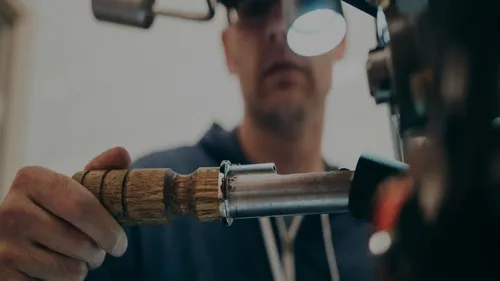
Rooterman is a plumbing and drain cleaning company serving Boston, MA, with over 50 years of experience. They offer a range of services including grease trap cleaning, emergency plumbing, water damage cleanup, and water heater repair and replacement. Rooterman uses advanced techniques such as power drain snakes, high-pressure water jets, and video inspections to locate and resolve plumbing issues efficiently. Their technicians are available for emergencies, including nights, weekends, and holidays.
Elite drains llc
468 Wood Ln, North Andover, MA 01845
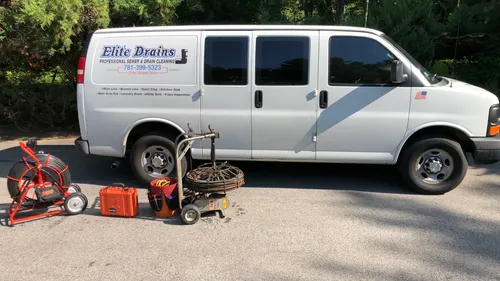
Elite Drains LLC is a drain and sewer cleaning company based in Lawrence, MA, serving the North Shore area and traveling up to 60 miles for clients. They specialize in sewer and drain cleaning, including main line, branch line, and connection plumbing, and offer professional video inspections to assess plumbing conditions. The company provides 24/7 emergency service for both residential and commercial properties, ensuring availability for urgent drain and sewer issues. Their team is fully insured and trained to handle jobs of any size with advanced tools and technology.
Rooter Man
46 Portland St, Lawrence, MA 01843
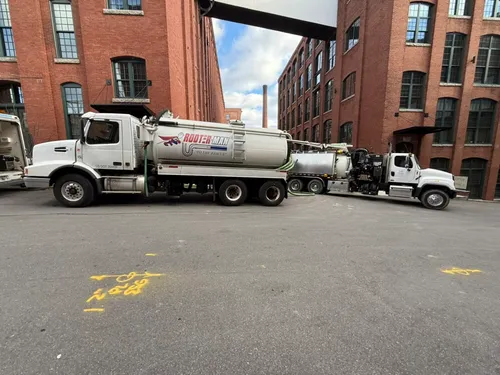
Rooter Man is a service provider based in Lawrence, MA, specializing in commercial and residential septic, sewer, and drain services. They serve Northeast Massachusetts and Southern New Hampshire, offering a wide range of services including grease trap cleaning, high-pressure jetting, video camera inspections up to 36 inches, pipe locating, and septic tank pumping. The company also provides 24/7 emergency rodding services for clogged drains, sewer backups, and septic overflows. Rooter Man supports both homes and businesses such as restaurants and office buildings, with preventive maintenance scheduling available to help maintain systems and prevent issues.
Roto-Rooter Plumbing & Water Cleanup
50 Franklin St #407, Boston, MA 02110
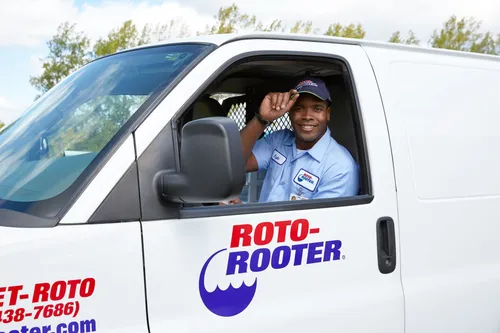
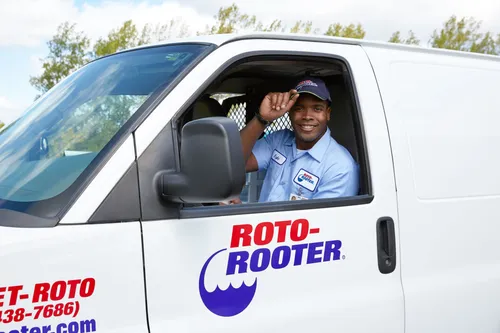
Roto-Rooter Plumbing & Water Cleanup provides comprehensive plumbing and water cleanup services in Boston, MA. They handle a wide range of needs including floodwater cleanup, sewer and drain cleaning, faucet and toilet repairs, water heater services, grease trap maintenance, and mold remediation. Serving both residential and commercial clients, their team is experienced with Boston's unique plumbing challenges, such as older infrastructure and seasonal weather impacts. Founded in 1935, Roto-Rooter offers 24/7 emergency plumbing services, ensuring assistance is available at any time. Their capabilities include high-pressure hydro-jetting for drain cleaning and extensive sewer line repairs.
Roto-Rooter Plumbing & Water Cleanup
175 Maple St, Stoughton, MA 02072
Roto-Rooter Plumbing & Water Cleanup offers comprehensive residential and commercial plumbing services in Brockton, MA. The company specializes in sewer and drain cleaning, grease trap maintenance, water heater repair and installation, and emergency flood and water damage cleanup. They provide 24/7 availability, 365 days a year, to address urgent plumbing issues including sewer backups and burst pipes. Roto-Rooter uses advanced equipment such as high-pressure water jetting (hydro-jetting) and trenchless pipe replacement techniques for efficient sewer line repairs. Serving a broad area around Brockton, they bring extensive experience and local knowledge to their work.
Boston's Grease Control Regulations
The foundation of Boston's approach to sewer system protection is a set of clear, enforceable rules for commercial kitchens. Compliance is not optional; it's a condition of operating your business.
- Mandatory Installation: Every establishment that prepares or serves food is required to have an approved grease control device. This applies to full-service restaurants, fast-food outlets, cafeterias, bakeries, and any other facility producing FOGS.
- Approved Device Types: The city recognizes two primary types of devices. Small grease traps (often called point-of-use or under-sink traps) are typically installed near dishwashing or prep sinks. Large grease interceptors are usually located outside or underground and service the entire kitchen's wastewater flow, commonly found in high-volume establishments 1.
- Construction Standards: All traps and interceptors must be constructed from impervious, temperature-resistant materials and be completely watertight. They must also have gastight covers for safety and accessibility 2.
- Chemical Restrictions: To ensure the device works as intended, the use of chemicals that break down or emulsify grease-such as bleach, enzymes, or solvents-is strictly prohibited within the trap itself. These chemicals allow grease to pass through the trap only to re-solidify further down the sewer line, defeating the purpose of the device.
Determining Your Cleaning Frequency
How often you need to schedule grease interceptor pumping or trap cleaning is not left to guesswork. Boston regulations provide a baseline schedule, though the actual need can vary based on your specific volume of FOGS.
- The Quarter-Full Rule: The universal standard, enforced in Boston, is to clean your grease control device before the accumulated FOGS and solids reach one-quarter of its capacity 3. Allowing buildup beyond this point drastically reduces the device's efficiency.
- Point-of-Use Trap Schedule: For smaller under-sink grease traps, the BWSC mandates a minimum cleaning frequency of once per month 4. High-usage kitchens may find they need service even more often to stay within the quarter-full guideline.
- Large Interceptor Schedule: For larger in-ground or outdoor grease interceptors, the required minimum cleaning frequency is quarterly, or every three months. Establishments with exceptionally high grease output may require monthly service, while some with very low output might operate on an alternative schedule if approved in writing by the BWSC.
The Inspection Process & Compliance
The Boston Water & Sewer Commission, sometimes alongside the Boston Public Health Commission (BPHC), conducts inspections to ensure compliance. Being "inspection-ready" requires more than just a clean trap.
- What Inspectors Examine: During an inspection, officials will check for visible FOGS buildup, proper drainage, the condition of hidden areas, and overall evidence of regular maintenance. They will also verify that prohibited chemicals are not being used 5 6.
- Required Documentation: A critical part of compliance is record-keeping. Boston requires food service establishments to submit cleaning and maintenance records quarterly along with their user charge bills. These records must include the date of service, the company that performed it, the volume of waste removed, and the disposal method.
- Consequences of Non-Compliance: Failing to maintain proper records or failing an inspection can result in substantial fines. In severe cases of neglect leading to sewer blockages or environmental harm, the city has the authority to issue violation notices and even force a business to cease operations until the issue is resolved.
Find the perfect grease trap cleaning companies for your needs
Get personalized recommendations and expert advice
Understanding Service Costs in Boston
The cost for professional grease trap cleaning in Boston is not a fixed price; it varies based on several key factors. Investing in regular service is almost always more cost-effective than dealing with the consequences of neglect.
- Standard Service for Maintained Traps: For a regularly serviced, accessible point-of-use grease trap, a standard pump-out and cleaning in the Boston area typically ranges from $175 to $475 per service 7. This price generally includes vacuuming out the contents, cleaning the interior, and proper disposal of the FOGS.
- Factors Influencing Price: The final cost depends on the physical size (capacity in gallons) of your trap or interceptor, its location and accessibility (e.g., under heavy equipment, outdoors in a confined space), the amount of solidified material present, and the frequency of your service contract.
- Cost of Neglect: The price escalates significantly for emergency or one-time cleanings of severely neglected systems. When FOGS and solids are allowed to harden and accumulate over time, the job requires more labor, specialized equipment, and potentially even hydro-jetting. This can easily cost two to three times more than a routine cleaning, with reports of emergency service reaching $800 to $1,200 or more in the region 8 9.
- Long-Term Value: Consistent, scheduled maintenance prevents the "shock" of a massive emergency bill, helps you avoid city fines, and extends the lifespan of your grease control equipment. It is a fundamental cost of responsible restaurant operation.
Choosing the Right Service Provider
Selecting a reliable company for your grease management needs is a crucial business decision. Look for providers who understand Boston's specific regulatory landscape.
- Licensing and Insurance: Always verify that the service provider is fully licensed, insured, and permitted to handle and transport grease waste in Massachusetts. This protects your business from liability.
- Local Regulatory Knowledge: The ideal provider will be thoroughly familiar with BWSC codes, inspection requirements, and documentation standards. They should be able to advise you on compliance, not just perform the physical cleaning.
- Service Documentation: A professional company will provide you with detailed, official service reports after every cleaning. This paperwork is your proof of compliance and is essential for your quarterly submissions to the city 10 11.
- Comprehensive Offerings: Many providers offer additional related services, such as used cooking oil collection, drain line jetting, and interceptor repairs. Consolidating these services with one knowledgeable vendor can streamline your operations.
Proper grease trap and interceptor maintenance is a non-negotiable pillar of running a food service business in Boston. By adhering to the mandated schedules, keeping impeccable records, and partnering with a knowledgeable service provider, you protect your local infrastructure, avoid costly penalties, and contribute to a cleaner, more sustainable city.
Frequently asked questions
Sources
Footnotes
-
Grease Interceptor Cleaning Services in Boston (Call Now) - https://greasetrapboston.com/grease-interceptor-cleaning/ ↩
-
Boston Grease Trap Cleaning Services - https://www.servicepumpingdrain.com/service-areas/boston/ ↩
-
Grease Trap Management - City of Revere, Massachusetts - https://www.revere.org/departments/health/greasetrap ↩
-
How to Clean a Grease Trap (and How Often You Should) - https://greaseconnections.com/how-to-clean-a-grease-trap-and-how-often-you-should/ ↩
-
Grease Trap Cleaning - Thrillshare - https://files-backend.assets.thrillshare.com/documents/asset/uploaded_file/4608/Toa/6868d5f2-1615-4166-96e7-bfe294b5d0a1/grease_trap_cleaning.docx?disposition=inline ↩
-
Inspection-Ready Kitchen Cleaning Blueprint for Boston ... - https://www.partnerfacility.com/inspection-ready-the-kitchen-cleaning-blueprint-every-boston-restaurant-needs/ ↩
-
Restaurant Grease Trap & Interceptor Cleaning Cost - https://greasemanagement.org/pricing.html ↩
-
How Much Does a Proper Grease Trap Cleaning Cost? - https://hulseyenvironmental.com/how-much-does-a-proper-grease-trap-cleaning-partner-cost/ ↩
-
Ultimate Grease Trap Pumping Cost Guide: Essential Money-Saving ... - https://www.texwaywastewater.com/grease-trap-pumping-cost/ ↩
-
Commercial Kitchen Grease Trap Guidelines | Boston Water and Sewer Commission - https://www.bwsc.org/business-customers/programs-guidelines-assistance/commercial-kitchen-grease-trap-guidelines ↩
-
Deep Cleaning for Boston Restaurants How Often Should It Be Done - https://www.partnerfacility.com/deep-cleaning-for-boston-restaurants-how-often-should-it-be-done/ ↩