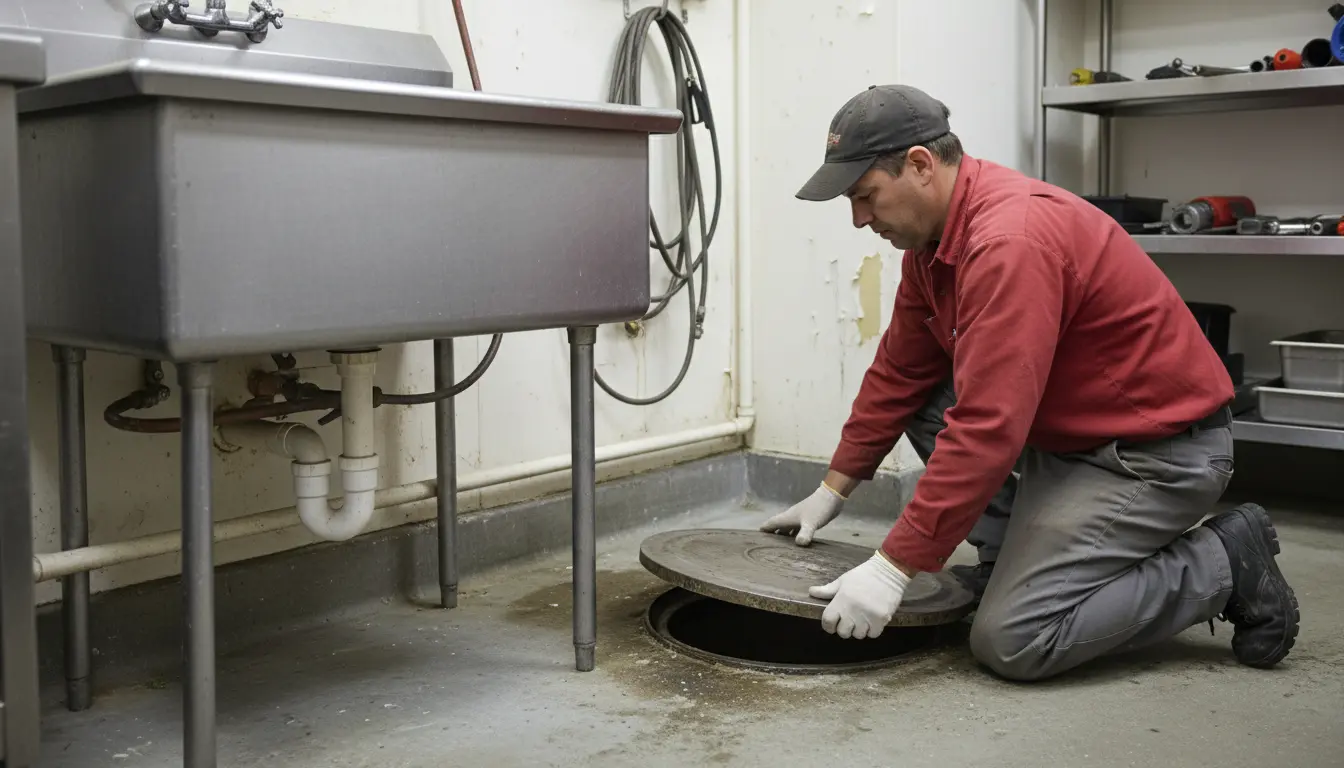
Find the Best Grease Trap Cleaning Companies for Your Business
No obligation • Fast responses • Nationwide coverage

Why you can trust Restaurant Waste Disposal
Restaurant Waste Disposal is a leading U.S. resource for comparing restaurant composting, food-waste recycling, grease trap cleaning, and used cooking oil collection services. Our editorial team researches providers, checks credentials, and organizes unbiased information so operators can make informed decisions. Companies cannot pay to change ratings or placement.
Search providers near you
Top Grease Trap Cleaning Companies in Brockton, Massachusetts Ranked
For any restaurant, food service establishment, or commercial kitchen in Brockton, managing fats, oils, and grease (FOG) is a critical operational and legal requirement. Proper grease trap and grease interceptor maintenance is not just about avoiding unpleasant odors or slow drains; it's a mandated part of protecting the city's sewer infrastructure from costly blockages and backups. Local health and sewer authorities enforce strict regulations to ensure that grease waste is properly contained, cleaned, and disposed of by licensed professionals. Non-compliance can lead to significant fines, operational disruptions, and expensive emergency remediation costs. This guide outlines the essential knowledge for Brockton food service operators to stay compliant, avoid penalties, and maintain a smooth-running kitchen.
Establishments that discharge FOG into the public sewer system are required to install and maintain approved grease control devices. These devices, commonly called grease traps or interceptors, work by cooling wastewater, allowing fats and oils to solidify and food solids to settle out before the water enters the sewer lines. The accumulated waste must then be regularly removed. The specific rules in Brockton are designed to align with Massachusetts Department of Environmental Protection (MassDEP) guidelines and are enforced by the local Board of Health (BOH). The cornerstone of compliance is a consistent service schedule with a licensed hauler, meticulous record-keeping, and an understanding that shortcuts like chemical additives are not a substitute for physical cleaning.
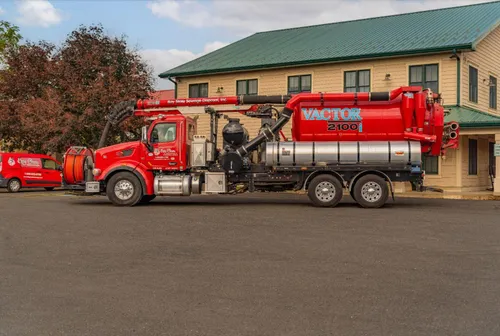
Bay State Sewage Disposal, Inc. Environmental Services Company
105 Kingman St, Lakeville, MA 02347
Bay State Sewage Disposal, Inc. Environmental Services Company is a family-owned business based near Plymouth, MA, specializing in residential and commercial septic system services. They serve southeastern Massachusetts, Rhode Island, Cape Cod, and surrounding areas, offering septic pumping, repairs, maintenance, grease trap cleaning, and sewer line services. Their capabilities include commercial vactor truck services and video drain and sewer line inspections. Established in 1984, the company provides 24/7 emergency services with fully licensed technicians.
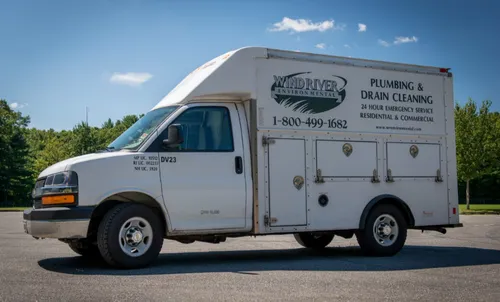
Wind River Environmental of Carver, MA
245 Plymouth St, Carver, MA 02330
Wind River Environmental of Carver, MA provides septic, plumbing, and grease trap cleaning services to residential, commercial, and municipal clients in Plymouth, MA. The company offers a wide range of wastewater management solutions including septic pumping, grease trap cleaning, drain cleaning, and lift station maintenance. With over 75 years of combined experience through its network, Wind River Environmental is familiar with local regulations and environmental considerations. They provide 24/7 emergency services to address urgent septic and grease issues.
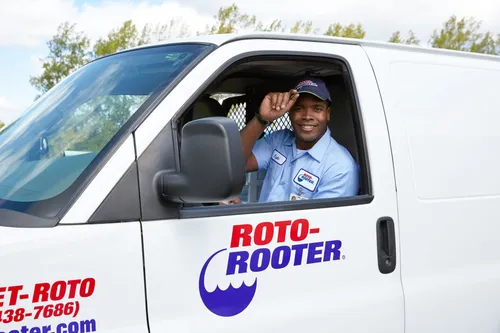
Roto-Rooter Plumbing & Water Cleanup of Plymouth
32 Court St Unit 204, Plymouth, MA 02360
Roto-Rooter Plumbing & Water Cleanup of Plymouth provides comprehensive plumbing services in Plymouth, MA, covering both residential and commercial needs. Their offerings include emergency flood services, sewer and drain cleaning, grease trap maintenance, water heater repairs, and mold remediation. The company uses advanced technologies such as HD inspection cameras and trenchless pipe replacement to address complex plumbing issues efficiently. Established in 1935, Roto-Rooter combines decades of experience with 24/7 emergency availability to support customers anytime.
Roto-Rooter Plumbing & Water Cleanup
50 Franklin St #407, Boston, MA 02110
Roto-Rooter Plumbing & Water Cleanup provides comprehensive plumbing and water cleanup services in Boston, MA. They handle a wide range of needs including floodwater cleanup, sewer and drain cleaning, faucet and toilet repairs, water heater services, grease trap maintenance, and mold remediation. Serving both residential and commercial clients, their team is experienced with Boston's unique plumbing challenges, such as older infrastructure and seasonal weather impacts. Founded in 1935, Roto-Rooter offers 24/7 emergency plumbing services, ensuring assistance is available at any time. Their capabilities include high-pressure hydro-jetting for drain cleaning and extensive sewer line repairs.
Roto-Rooter Plumbing & Water Cleanup
1195 Broad St, Providence, RI 02905
Roto-Rooter Plumbing & Water Cleanup provides comprehensive plumbing services in Providence, RI, serving both residential and commercial clients. Their offerings include floodwater cleanup, sewer and drain cleaning, water heater repair and installation, grease trap maintenance, and mold remediation. The company is equipped with advanced tools such as hydro-jetting and video camera inspections to address complex plumbing issues. Roto-Rooter has extensive experience handling plumbing challenges in older and modern buildings throughout Providence and offers 24/7 emergency services year-round.
Understanding Brockton's Grease Trap Regulations
Brockton's regulations for grease interceptors are in place to prevent sewer overflows, which pose public health risks and can lead to substantial municipal cleanup expenses. While the city may reference state codes and neighboring town frameworks (like those from Millis, MA), enforcement is local. The core principles are consistent: mandatory installation for applicable businesses, a defined cleaning frequency, the use of permitted haulers, and thorough documentation.
Key Regulatory Pillars:
- Mandatory Installation: Any food service establishment generating grease-laden wastewater is required to have a properly sized and permitted grease trap or interceptor.
- Cleaning Frequency: Traps must be pumped and cleaned before grease and solids accumulate to 25% of the unit's effective depth. For most smaller, under-sink grease traps, this typically means monthly service. Larger in-ground interceptors may be on a quarterly schedule, but frequency is ultimately determined by your establishment's volume and inspection results1 2 3.
- Licensed Haulers Only: All grease waste must be pumped and transported by a hauler licensed by the Brockton Board of Health. These haulers have the permits required to legally dispose of the collected FOG at approved treatment facilities 4.
- Detailed Record Keeping: You must maintain a service log on-site, using forms often provided by the BOH. This log should include the date of service, the hauler's name and license number, the volume of waste removed, and the disposal location. This log must be readily available for health inspectors during routine or complaint-driven visits.
- Prohibition on Additives: The use of enzymes, emulsifiers, or solvents designed to "dissolve" grease is generally prohibited. These chemicals can cause grease to re-solidify further down the sewer line, creating worse blockages, and they interfere with the wastewater treatment process5 6 7.
The Inspection and Enforcement Process
The Brockton Board of Health conducts inspections to ensure compliance. These can be part of a routine schedule, a follow-up to a previous violation, or triggered by a complaint or a sewer line issue traced to your establishment.
During an inspection, an officer will typically:
- Request your grease trap maintenance log for review.
- Physically inspect the grease trap to assess the accumulation level and overall condition.
- Verify that your service provider is on the city's list of approved, licensed haulers.
Consequences of Non-Compliance: Failing to meet these standards can result in escalating penalties. Initial violations often come with fines and a mandate to schedule immediate cleaning. Repeated or severe violations, especially those leading to a sewer obstruction, can result in heftier fines, the revocation of your food service permit, and being held liable for emergency cleanup costs charged by the city or utility8 9. Proactive maintenance is far less costly than reactive penalties.
Service Expectations and Cost Factors
Engaging a licensed professional for regular grease trap pumping is a necessary business expense. The cost for this essential service in Brockton varies based on several key factors.
What Influences the Price?
- Trap Size and Type: A small, indoor 20-50 gallon grease trap costs less to service than a large, buried 1,000+ gallon interceptor.
- Accessibility: Easily accessible traps are quicker to service. Those in cramped basements or with locked covers may incur additional labor charges.
- Condition and Frequency: A trap on a regular maintenance schedule is straightforward to pump. One that is severely neglected, packed with solidified grease and solids, requires more labor-intensive hydro-jetting and cleaning, dramatically increasing the price.
- Service Contract vs. One-Time Service: Many providers offer discounted rates for customers who sign up for a scheduled service plan (e.g., monthly, quarterly), which also helps ensure you never miss a service date.
Estimated Cost Ranges: For planning purposes, Brockton restaurant owners can expect the following ballpark figures for routine service10 11 12 13:
- Routine Pumping of a Standard Trap: $200 - $400 per service visit is a common range for the routine cleaning of a typical under-sink or in-floor grease trap.
- Emergency or Major Cleaning: Addressing a severely clogged or overflowing trap can cost $800 to $1,200 or more, as it requires more time, equipment, and labor.
- Large Interceptor Service: Pumping a substantial in-ground interceptor will be at a higher price point, often starting in the $400+ range depending on volume.
Find the perfect grease trap cleaning companies for your needs
Get personalized recommendations and expert advice
Best Practices for Brockton Restaurant Operators
Beyond simply scheduling service, adopting these operational habits will maximize your grease trap's efficiency and keep you in good standing with inspectors.
- Scrape and Dry-Wipe First: The less solid food waste and grease that goes down the drain, the better. Scrape plates and cookware into trash or compost bins before rinsing.
- Use Strainers: Install and consistently use sink basket strainers to catch food particles. Empty them into the trash, not the dishwasher.
- Post "No Grease" Signs: Educate your staff. Place clear signs above sinks and dish pits reminding everyone that no grease, oil, or food scraps should be poured down the drain.
- Maintain a "Golden Record" Binder: Keep your grease trap service logs, hauler licenses, and any correspondence with the BOH in a single, dedicated binder that is always available for inspection.
- Schedule a Pre-Inspection: Consider having your licensed service provider perform a courtesy inspection between official BOH visits. They can identify potential issues early.
Choosing a Licensed Service Provider in Brockton
Your choice of grease hauler is a critical business decision. Always verify that a provider is currently licensed by the Brockton Board of Health before contracting with them. A reputable, licensed provider will:
- Provide proof of their local hauler permit.
- Offer clear, written service agreements outlining frequency and scope of work.
- Provide detailed service reports after each visit for your records.
- Dispose of waste at a MassDEP-approved facility and provide documentation.
- Be knowledgeable about local Brockton regulations and inspection requirements.
Taking the time to establish a relationship with a reliable, licensed professional is your best defense against compliance issues and sewer problems.
Frequently asked questions
Sources
Footnotes
-
Grease Trap Regulations - Millis MA | - https://www.millisma.gov/board-health/files/grease-trap-regulations ↩
-
Massachusetts Septage Management Study - Mass.gov - https://www.mass.gov/doc/pfas-and-residuals-technology-and-management-study-part-2-technical-memorandum/download ↩
-
Commercial Kitchen Grease Trap Guidelines - https://www.bwsc.org/sites/default/files/2019-01/commercial_kitchen_grease_trap_guidelines.pdf ↩
-
Grease Trap 101: Grease Hauling Permits - https://foodgreasetrappers.com/2016/02/grease-trap-101-grease-hauling-permits/ ↩
-
Commercial Kitchen Grease Trap Guidelines | Boston Water and Sewer Commission - https://www.bwsc.org/business-customers/programs-guidelines-assistance/commercial-kitchen-grease-trap-guidelines ↩
-
Nonresidential Septic System Users - Mass.gov - https://www.mass.gov/guides/nonresidential-septic-system-users ↩
-
Massachusetts Codes and Regulations Regarding Grease Traps - FGT - https://foodgreasetrappers.com/2021/03/massachusetts-codes-and-regulations-regarding-grease-traps/ ↩
-
Massachusetts Restaurant Facing Grease Trap Pumping Fines - https://replaceyourgarbagedisposal.com/grease-trap-pumping/massachusetts-restaurant-facing-fines-over-grease-trap-pumping/ ↩
-
Grease Traps for Restaurants: The Essential Guide - https://therestaurantwarehouse.com/blogs/restaurant-equipment/grease-trap-for-restaurant-guide ↩
-
Grease Trap Regulations and Compliance: What You Need to Know - https://www.texwaywastewater.com/grease-trap-regulations-and-compliance/ ↩
-
Ultimate Grease Trap Pumping Cost Guide: Essential Money-Saving ... - https://www.texwaywastewater.com/grease-trap-pumping-cost/ ↩
-
How Much Does a Proper Grease Trap Cleaning Cost? - https://hulseyenvironmental.com/how-much-does-a-proper-grease-trap-cleaning-partner-cost/ ↩
-
Grease Trap Cleaning Prices | Guide on the Industry Average - https://grease-cycle.com/grease-trap-pumping-cost/ ↩