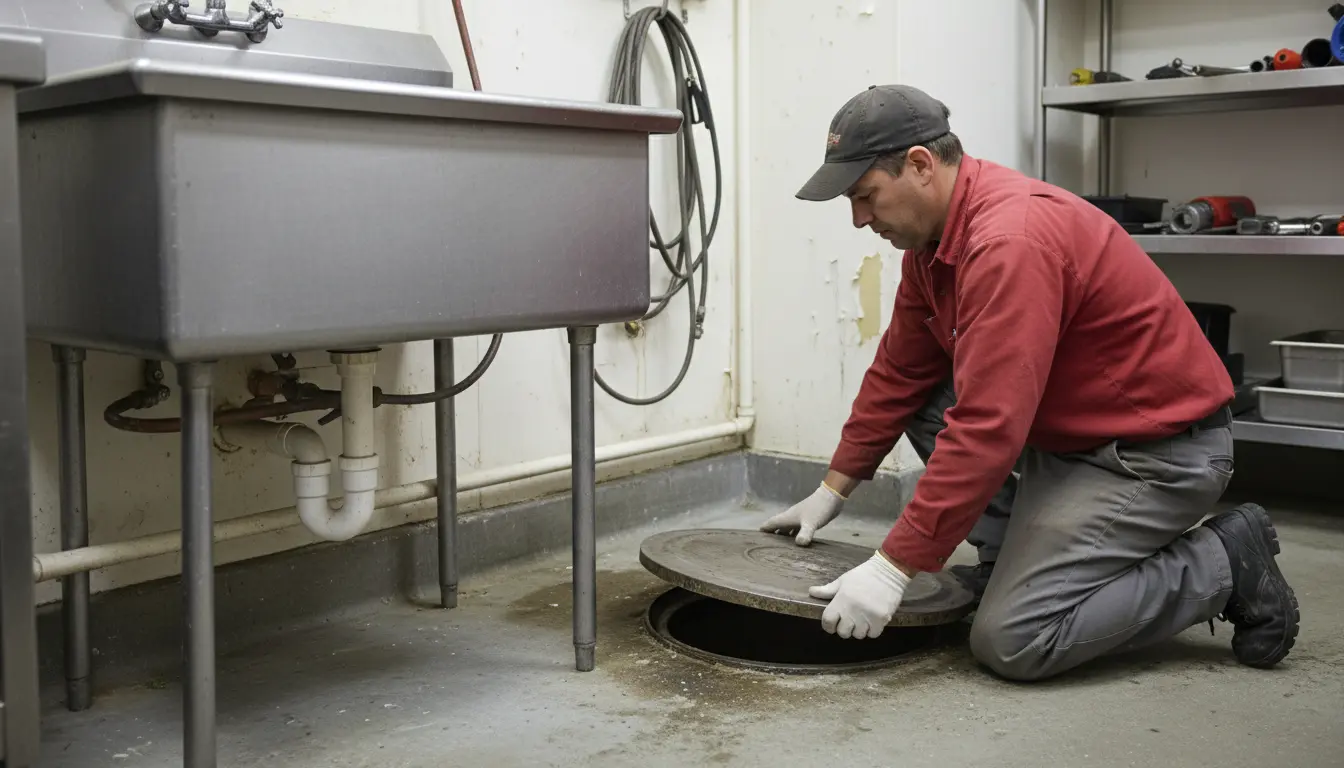
Find the Best Grease Trap Cleaning Companies for Your Business
No obligation • Fast responses • Nationwide coverage

Why you can trust Restaurant Waste Disposal
Restaurant Waste Disposal is a leading U.S. resource for comparing restaurant composting, food-waste recycling, grease trap cleaning, and used cooking oil collection services. Our editorial team researches providers, checks credentials, and organizes unbiased information so operators can make informed decisions. Companies cannot pay to change ratings or placement.
Search providers near you
Top Grease Trap Cleaning Companies in Cambridge, Massachusetts Ranked
For any restaurant, café, or food service establishment in Cambridge, maintaining a properly functioning grease trap or interceptor is not just a matter of kitchen hygiene-it's a legal requirement with significant environmental and financial implications. The City of Cambridge and the Commonwealth of Massachusetts enforce strict plumbing and health codes designed to prevent fats, oils, and grease (FOG) from entering the public sewer system, where they can cause costly blockages, sewer overflows, and environmental damage. Effective grease interceptor maintenance involves a clear understanding of local regulations, a consistent service schedule, and diligent record-keeping to ensure compliance and avoid penalties.
Regular, professional grease trap pumping and cleaning is the cornerstone of a compliant kitchen waste management plan. By partnering with a licensed hauler for scheduled service, Cambridge food establishments protect their operations from unexpected shutdowns, hefty fines from the Board of Health, and the much higher costs associated with emergency repairs and sewer line backups.
Rooterman
Boston, MA
Rooterman is a plumbing and drain cleaning company serving Boston, MA, with over 50 years of experience. They offer a range of services including grease trap cleaning, emergency plumbing, water damage cleanup, and water heater repair and replacement. Rooterman uses advanced techniques such as power drain snakes, high-pressure water jets, and video inspections to locate and resolve plumbing issues efficiently. Their technicians are available for emergencies, including nights, weekends, and holidays.
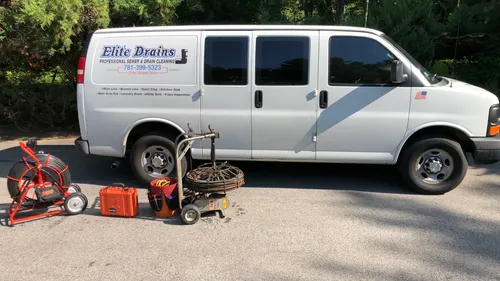
Elite drains llc
468 Wood Ln, North Andover, MA 01845
Elite Drains LLC is a drain and sewer cleaning company based in Lawrence, MA, serving the North Shore area and traveling up to 60 miles for clients. They specialize in sewer and drain cleaning, including main line, branch line, and connection plumbing, and offer professional video inspections to assess plumbing conditions. The company provides 24/7 emergency service for both residential and commercial properties, ensuring availability for urgent drain and sewer issues. Their team is fully insured and trained to handle jobs of any size with advanced tools and technology.
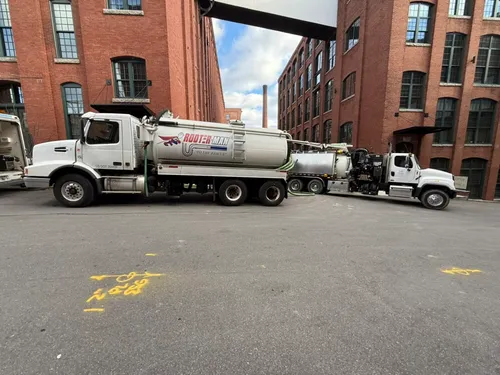
Rooter Man
46 Portland St, Lawrence, MA 01843
Rooter Man is a service provider based in Lawrence, MA, specializing in commercial and residential septic, sewer, and drain services. They serve Northeast Massachusetts and Southern New Hampshire, offering a wide range of services including grease trap cleaning, high-pressure jetting, video camera inspections up to 36 inches, pipe locating, and septic tank pumping. The company also provides 24/7 emergency rodding services for clogged drains, sewer backups, and septic overflows. Rooter Man supports both homes and businesses such as restaurants and office buildings, with preventive maintenance scheduling available to help maintain systems and prevent issues.
Roto-Rooter Plumbing & Water Cleanup
50 Franklin St #407, Boston, MA 02110
Roto-Rooter Plumbing & Water Cleanup provides comprehensive plumbing and water cleanup services in Boston, MA. They handle a wide range of needs including floodwater cleanup, sewer and drain cleaning, faucet and toilet repairs, water heater services, grease trap maintenance, and mold remediation. Serving both residential and commercial clients, their team is experienced with Boston's unique plumbing challenges, such as older infrastructure and seasonal weather impacts. Founded in 1935, Roto-Rooter offers 24/7 emergency plumbing services, ensuring assistance is available at any time. Their capabilities include high-pressure hydro-jetting for drain cleaning and extensive sewer line repairs.
Roto-Rooter Plumbing & Water Cleanup
175 Maple St, Stoughton, MA 02072
Roto-Rooter Plumbing & Water Cleanup offers comprehensive residential and commercial plumbing services in Brockton, MA. The company specializes in sewer and drain cleaning, grease trap maintenance, water heater repair and installation, and emergency flood and water damage cleanup. They provide 24/7 availability, 365 days a year, to address urgent plumbing issues including sewer backups and burst pipes. Roto-Rooter uses advanced equipment such as high-pressure water jetting (hydro-jetting) and trenchless pipe replacement techniques for efficient sewer line repairs. Serving a broad area around Brockton, they bring extensive experience and local knowledge to their work.
Understanding Cambridge and Massachusetts Grease Trap Regulations
Compliance begins with knowing the rules. In Cambridge, regulations are guided by both state plumbing code (310 CMR 15) and local Department of Public Works (DPW) guidelines. The fundamental rule is that all food service establishments must have an adequately sized and properly located grease control device 1.
- Mandatory Devices: Whether it's a small under-sink grease trap or a large in-ground interceptor, a device is required to capture FOG before wastewater leaves your facility.
- Sizing and Capacity: State code (310 CMR 15.230) specifies minimum requirements, often calling for a 1,000-gallon capacity and a minimum liquid depth of 4 feet for larger interceptors, designed to handle a 24-hour flow2 3.
- Accessibility: A critical but sometimes overlooked rule is that your grease interceptor must be easily accessible for both inspection and maintenance. It cannot be buried under equipment or obstructed.
The Cambridge DPW and the Board of Health are the primary entities overseeing compliance. They provide guidelines and enforce rules to keep the city's sewers "fat-free"4 5.
Types of Grease Interceptors and Their Maintenance Needs
The type of interceptor you have dictates its specific maintenance schedule. The two primary categories are internal and external traps.
Internal Grease Traps (Under-Sink or In-Kitchen): These are smaller units, typically 20 to 50 gallons, located inside the kitchen, often near the dishwashing or prep sinks. According to guidelines, the owner or operator is responsible for cleaning these internal traps monthly 6. This involves manually removing accumulated grease and solids. While this is often an in-house task, some service providers can handle it.
External/In-Ground Grease Interceptors: These are large tanks, usually 500 gallons or more, installed outside or underground. They service the entire kitchen's wastewater flow. Maintenance for these units is more intensive and must be performed by a licensed waste hauler. The universal rule is that they must be pumped out at least quarterly (every three months) or whenever the grease and oil layer reaches 25% of the tank's liquid depth, whichever comes first7 8. Relying on a professional service ensures the waste is disposed of properly with the required manifests.
The Owner's Responsibilities: Inspection, Records, and Compliance
As a food establishment owner or manager in Cambridge, your duties extend beyond just hiring a pump-out service. Proactive oversight is key.
- Monthly Inspection: You should visually inspect your grease interceptor monthly, checking for grease accumulation, signs of blockages, or any damage to the unit.
- Record-Keeping: This is non-negotiable. Maintain a detailed logbook of all cleaning and pumping activities. This includes dates, the volume of waste removed, the name of the service company, and copies of waste manifests. The Board of Health may request these records during inspections.
- Using Licensed Haulers: Always verify that your service provider is licensed to collect and transport grease trap waste in Massachusetts. Using an unlicensed hauler can result in liability and compliance issues for your business.
- Preventive Best Practices: Train kitchen staff on best practices like scraping plates into trash bins before washing and avoiding pouring grease down any drain. This extends the time between necessary pump-outs and improves interceptor efficiency.
Find the perfect grease trap cleaning companies for your needs
Get personalized recommendations and expert advice
Cost of Grease Trap Cleaning Services in Cambridge
The cost for professional grease interceptor maintenance in Cambridge varies based on the size of your unit, its location, and the service frequency. Understanding these costs helps in budgeting and prevents surprises.
- Small Under-Sink Traps (20-50 gallons): A manual cleaning service for an internal trap typically ranges from $75 to $200 per service.
- In-Ground Interceptors (500-1,500+ gallons): Pumping a standard external interceptor generally costs between $250 and $900+ per service. The final price depends on the tank's capacity and the amount of waste to be removed 9.
- Additional Service Fees:
- Line Jetting: If a blockage has occurred in the inlet or outlet pipes, hydro-jetting may be needed, costing approximately $150 to $400 per hour.
- Emergency/After-Hours Service: Requests for immediate service outside normal business hours often incur a significant surcharge.
- Environmental/Manifest Fees: Most haulers add a small fee (typically $5 to $50) to cover the cost of proper disposal and documentation10.
Key Financial Takeaway: Investing in regular, scheduled maintenance is almost always cheaper than paying for emergency repairs, city fines, or a potential business interruption due to a sewer backup11. A consistent service plan is a cost-effective strategy for operational stability.
Consequences of Non-Compliance
Failing to adhere to grease trap regulations carries serious risks for Cambridge restaurants. The Board of Health has the authority to enforce compliance through:
- Fines: Monetary penalties for violations can be substantial.
- Operational Shutdowns: In cases of severe neglect or repeat violations, the health department can order a business to cease operations until the grease interceptor system is brought into compliance 12.
- Sewer Surcharges: If FOG from your establishment contributes to a sewer line blockage, you may be held financially responsible for the city's cleanup costs.
- Environmental Harm: Beyond regulatory consequences, FOG discharges can lead to sanitary sewer overflows, polluting local waterways like the Charles River.
Creating a Proactive Maintenance Plan
A successful plan combines regulatory knowledge with practical action.
- Identify & Document: Know the type, size, and location of all grease interceptors in your facility.
- Schedule Professional Pump-Outs: Contract with a licensed hauler for quarterly (or more frequent) service of external interceptors. Mark these dates on your calendar.
- Establish In-House Routines: Assign a staff member to perform monthly internal trap cleanings and inspections. Use a checklist.
- Maintain the Logbook: File every service receipt and manifest immediately after service. Keep this logbook on-site and readily available for inspectors.
- Educate Your Team: Regular staff training on proper waste disposal is one of the most effective ways to reduce grease interceptor problems.
By treating grease trap maintenance as a critical, non-negotiable component of your daily operations, you ensure your Cambridge food service business runs smoothly, remains in good standing with local authorities, and contributes to the health of the city's infrastructure.
Frequently asked questions
Sources
Footnotes
-
Massachusetts Codes and Regulations Regarding Grease Traps - https://foodgreasetrappers.com/2021/03/massachusetts-codes-and-regulations-regarding-grease-traps/ ↩
-
Grease Trap Cleaning and Maintenance Services - Service Pumping and Drain Co., Inc.™ - https://www.servicepumpingdrain.com/services/grease-trap-maintenance/ ↩
-
Code of Massachusetts Regulations, Subpart C, Section 15.230 - https://regulations.justia.com/states/massachusetts/310-cmr/title-310-cmr-15-000/subpart-c/section-15-230/ ↩
-
FAT-FREE SEWERS - the City of Cambridge - https://www.cambridgema.gov/-/media/Files/publicworksdepartment/stormwatermanagement/Resources/foggreasecommercialaccessibledocument122617.pdf ↩
-
FOOD WASTES AND GREASE - the City of Cambridge - https://www.cambridgema.gov/-/media/Files/publicworksdepartment/Brochures/commercialfogbrochure.pdf ↩
-
Commercial Kitchen Grease Trap Guidelines | Boston Water and Sewer Commission - https://www.bwsc.org/business-customers/programs-guidelines-assistance/commercial-kitchen-grease-trap-guidelines ↩
-
310 CMR, § 15.351 - System Pumping and Routine Maintenance - https://www.law.cornell.edu/regulations/massachusetts/310-CMR-15-351 ↩
-
Massachusetts Grease Trap Regulations Proposed - https://replaceyourgarbagedisposal.com/grease-trap-pumping/massachusetts-grease-trap-regulations-proposed/ ↩
-
Cost of Cleaning Restaurant Grease Trap - Grease Interceptors - https://thegreasecompany.com/blog/greasetrapcleaningcost/ ↩
-
Restaurant Waste Services in Cambridge, MA - https://restaurantdisposal.com/grease-liquid-waste/ma/cambridge-ma ↩
-
Ultimate Grease Trap Pumping Cost Guide: Essential Money-Saving ... - https://www.texwaywastewater.com/grease-trap-pumping-cost/ ↩
-
Grease Trap Regulations - Millis MA | - https://www.millisma.gov/board-health/files/grease-trap-regulations ↩