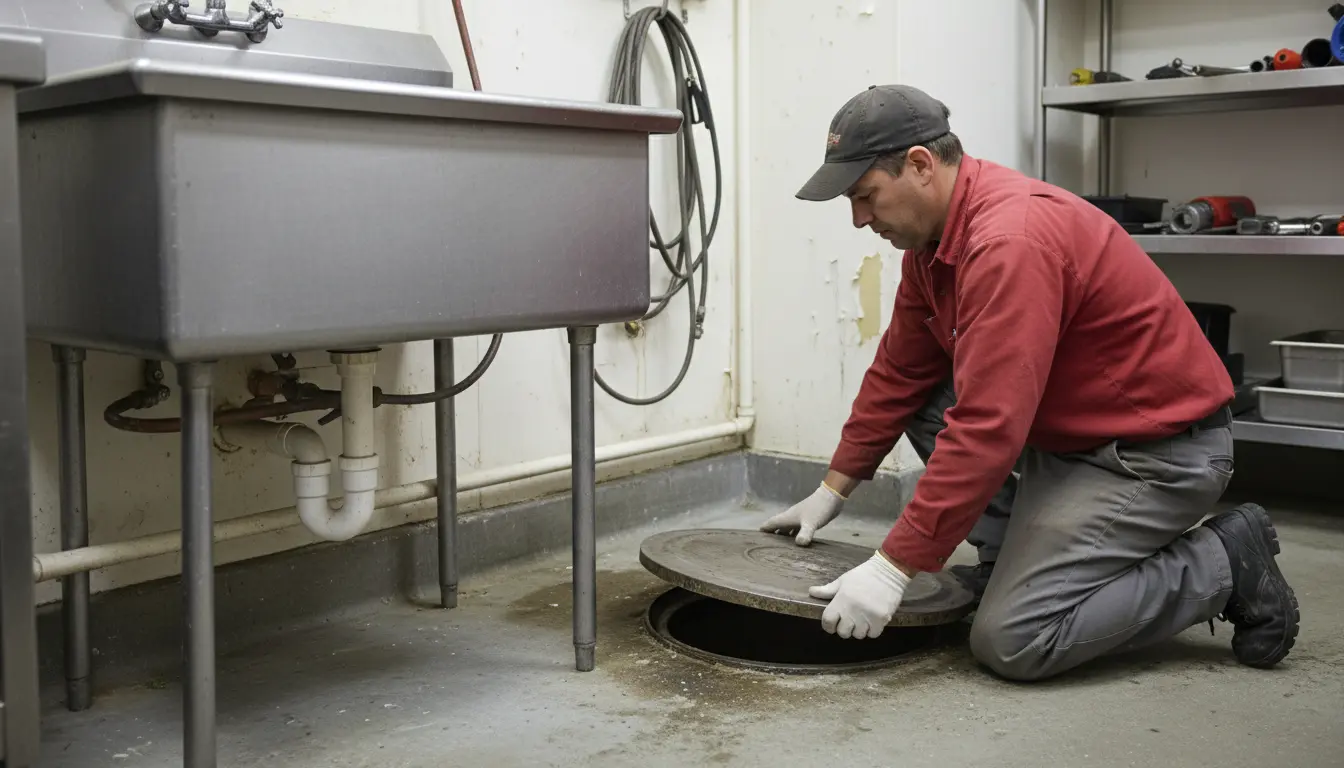
Find the Best Grease Trap Cleaning Companies for Your Business
No obligation • Fast responses • Nationwide coverage

Why you can trust Restaurant Waste Disposal
Restaurant Waste Disposal is a leading U.S. resource for comparing restaurant composting, food-waste recycling, grease trap cleaning, and used cooking oil collection services. Our editorial team researches providers, checks credentials, and organizes unbiased information so operators can make informed decisions. Companies cannot pay to change ratings or placement.
Search providers near you
Top Grease Trap Cleaning Companies in Leominster, Massachusetts Ranked
For any restaurant or food service establishment in Leominster, managing fats, oils, and grease (FOG) is a critical operational and regulatory responsibility. Proper grease trap and interceptor maintenance is not just a best practice-it's a legal requirement enforced by both state law and the local Board of Health. Failure to comply can lead to severe sewer backups, environmental harm, and significant financial penalties. This guide outlines the essential regulations, schedules, and processes for effective grease management to keep your Leominster business running smoothly and in full compliance.
Rooterman
Boston, MA
Rooterman is a plumbing and drain cleaning company serving Boston, MA, with over 50 years of experience. They offer a range of services including grease trap cleaning, emergency plumbing, water damage cleanup, and water heater repair and replacement. Rooterman uses advanced techniques such as power drain snakes, high-pressure water jets, and video inspections to locate and resolve plumbing issues efficiently. Their technicians are available for emergencies, including nights, weekends, and holidays.
Wind River Environmental
Worcester, MA
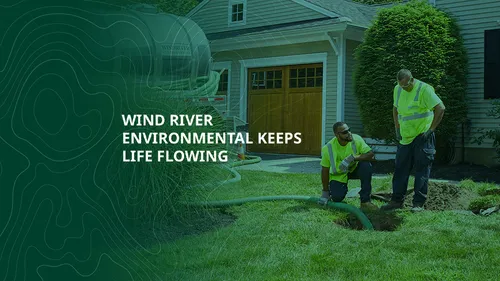
Wind River Environmental is a commercial septic and grease trap cleaning company based in Worcester, MA, serving the Eastern Seaboard and surrounding areas. They provide septic tank pumping, grease trap maintenance, full-system replacements, and other wastewater services for residential, commercial, municipal, and industrial clients. The company operates 24/7 to handle emergency septic situations and emphasizes compliance with local environmental regulations. Wind River Environmental is part of a larger network of industry partners, combining local expertise with specialized skills to support businesses of all sizes across various industries.
Granite State Sewer & Drain Cleaning
4 Candy Ln #10, Hudson, NH 03051
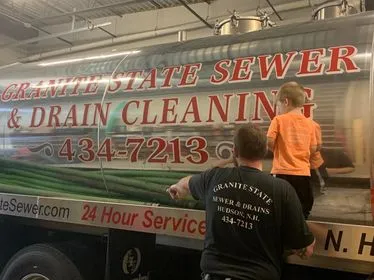
Granite State Sewer & Drain Cleaning is a family- and veteran-owned business serving Nashua, NH, and nearby areas. Since 1988, they have provided residential and commercial drainage solutions, including grease trap cleaning, sewer line services, and septic tank maintenance. Their team specializes in confined space entry and uses advanced camera technology to diagnose and address drainage issues efficiently. The company offers 24/7 emergency services to handle urgent situations at any time.
Advanced Drain Cleaning, Inc.
2 Courthouse Ln, Chelmsford, MA 01824
Advanced Drain Cleaning, Inc. is a drain cleaning company serving Lowell, MA, and surrounding areas. They specialize in residential and commercial drain cleaning, including grease trap cleaning and sewer line maintenance. The company uses advanced technology such as video pipe inspections and hydro jetting to diagnose and clear blockages effectively. With a focus on long-term solutions, they address issues like grease buildup, tree root intrusion, and slow drains to prevent costly damage. Advanced Drain Cleaning, Inc. offers 24/7 emergency services to ensure continuous flow and minimize disruptions for homes and businesses.
Chase Harris Septic Services
85 Dudley Rd, Sutton, MA 01590
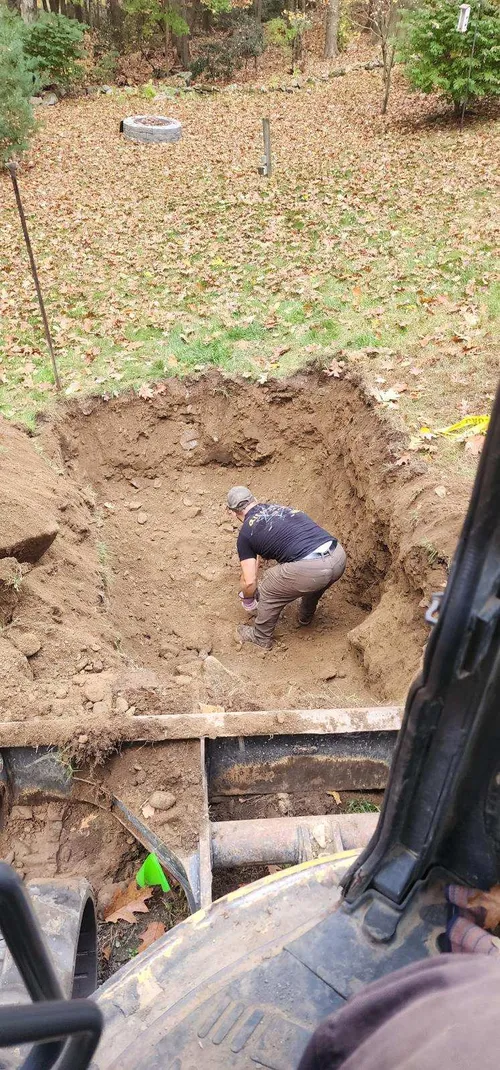
Chase Harris Septic Services is a family-owned business providing septic system solutions in Worcester, MA, and surrounding communities. They offer a range of services including septic pumping, system repairs, installations, Title 5 inspections, grease trap cleaning, portable toilet rentals, excavation, and site preparation. With decades of experience, the company ensures systems meet local codes and regulations, including Title 5 standards. Their team uses advanced equipment and techniques to maintain and repair septic systems efficiently, helping extend system life and prevent costly issues.
Understanding Massachusetts and Leominster Regulations
Compliance starts with knowing the rules. In Massachusetts, grease trap and interceptor standards are primarily governed by state environmental and plumbing codes, which are then enforced at the local level by your city or town's Board of Health.
Key State Requirements:
- Mandatory Use: Any facility that discharges FOG from food preparation, cooking, or cleaning is required to have a properly sized and functioning grease trap or interceptor.
- Minimum Standards: State plumbing code (310 CMR 15.230) specifies that grease traps must have a minimum 4-foot depth, a 1,000-gallon capacity, and provide a 24-hour detention time for kitchen wastewater to allow grease to separate and solidify 1.
- Accessibility: The unit must be easily accessible at all times for inspection, cleaning, and maintenance by both your service provider and health inspectors.
Your Leominster Board of Health is the local authority that will inspect your facility and ensure you are meeting these state mandates. They may also have additional local bylaws, so it is always prudent to contact them directly for specific guidance.
Required Inspection and Pumping Schedule
Adhering to a strict maintenance schedule is the cornerstone of compliance. Massachusetts regulations set clear, non-negotiable timelines for servicing your grease control system.
Monthly Inspections: You are required to inspect your grease trap or interceptor at least once per month. This involves checking for any damage, leaks, or blockages and, most importantly, measuring the accumulated grease and solids layer. The state mandates action when this layer reaches 25% of the unit's effective liquid depth.
Pumping Frequency: Regardless of the monthly inspection level, external grease interceptors must be fully pumped out by a licensed hauler at least every three months (quarterly). The "25% rule" is a trigger for more immediate service; you must pump the trap whenever it reaches 25% full or at the three-month mark, whichever comes first 2 3 4. This regular, proactive pumping prevents overflows and ensures the system functions as designed.
The Importance of Meticulous Recordkeeping
If you service it, you must document it. Maintaining detailed records is a critical part of the regulatory process and your first line of defense during a Board of Health inspection.
Your service log should include:
- The name and license number of the pumping/hauling company.
- The date of each service (inspection or pumping).
- The volume of waste (grease, solids, and water) removed during pumping.
- The disposal location (the permitted facility where the waste was taken).
Keep these records in an organized binder or logbook on-site. The Leominster Board of Health can request to review these logs at any time to verify compliance. Incomplete or missing records can be grounds for penalties, just as if the service was never performed.
Enforcement and Consequences of Non-Compliance
The Leominster Board of Health takes grease management seriously because failures have public health and infrastructure consequences. Enforcement actions are designed to compel compliance and protect the city's sewer system.
Potential penalties for violations include:
- Fines: Establishments can face substantial fines. While amounts vary, some Massachusetts municipalities impose fines on a per-day basis until the violation is corrected (e.g., $50 per day) 5.
- Violation Notices: You may receive a formal notice ordering immediate corrective action.
- Legal Action: In cases of severe or repeated non-compliance, such as illegal bypasses or discharges, the Board of Health can pursue more stringent legal actions.
Investing in consistent, documented maintenance is far less costly than facing enforcement actions, not to mention the business disruption and reputational damage that can accompany them.
What Constitutes a Proper Grease Trap Cleaning?
A proper service is more than just removing liquid from the top. To be effective and compliant, a full cleaning must involve several key steps performed by a licensed waste hauler.
The Standard Process:
- Complete Evacuation: All contents-water, grease (FOG), and solid food scraps-are pumped out of the trap or interceptor.
- Manual Scraping: The service technician must manually scrape all interior surfaces, including the walls, baffles, and lid, to remove adhered grease and solids. This step is crucial for maintaining capacity and efficiency 6.
- Inspection: The empty trap is inspected for structural integrity, cracks, and any damaged components.
- Water Flush & Test: A gallon of clean water is flushed through the system to verify that the trap drains properly and that there are no blockages post-cleaning 7.
Using a licensed and permitted hauler is non-optional. These professionals are authorized to handle and transport the waste to approved processing or disposal facilities, providing you with the necessary documentation for your records.
Find the perfect grease trap cleaning companies for your needs
Get personalized recommendations and expert advice
Understanding Service Costs in Leominster
The cost for grease trap pumping and cleaning in Leominster is not fixed; it varies based on several factors. However, understanding the typical range can help you budget effectively.
Primary Cost Factors:
- Trap Size: A small under-sink grease trap will cost less to service than a large, in-ground 1,500-gallon interceptor.
- Accessibility: Easy, above-ground access typically costs less than service that requires special equipment or labor to reach a buried unit.
- Frequency: Establishing a regular service contract often provides more predictable pricing compared to one-time emergency calls.
- Amount of Waste: The volume of grease and solids removed can impact the price.
Cost Estimates: For a standard external interceptor (common for restaurants), pumping and cleaning can range from $200 to over $500 per service 8 9 10. For larger or more complex systems, costs will be higher. Always request detailed, written quotes from licensed providers that specify what the service includes.
Proactive Steps for Leominster Restaurant Owners
- Know Your System: Identify the type, size, and location of your grease trap or interceptor.
- Establish a Contract: Partner with a licensed, reputable grease hauler to set up a quarterly pumping schedule that also includes monthly inspection support.
- Create a Logbook: Dedicate a binder solely for grease maintenance records and train your staff on how to update it after every service.
- Contact the Authorities: Reach out to the Leominster Board of Health to confirm local requirements and ensure your maintenance plan meets all specifications.
- Educate Your Kitchen Staff: Proper grease management starts at the source. Train staff to scrape plates into trash bins and avoid pouring fats and oils down any drain.
By following these guidelines, you transform grease trap maintenance from a regulatory burden into a routine part of your successful operation, safeguarding your business, your community, and the environment.