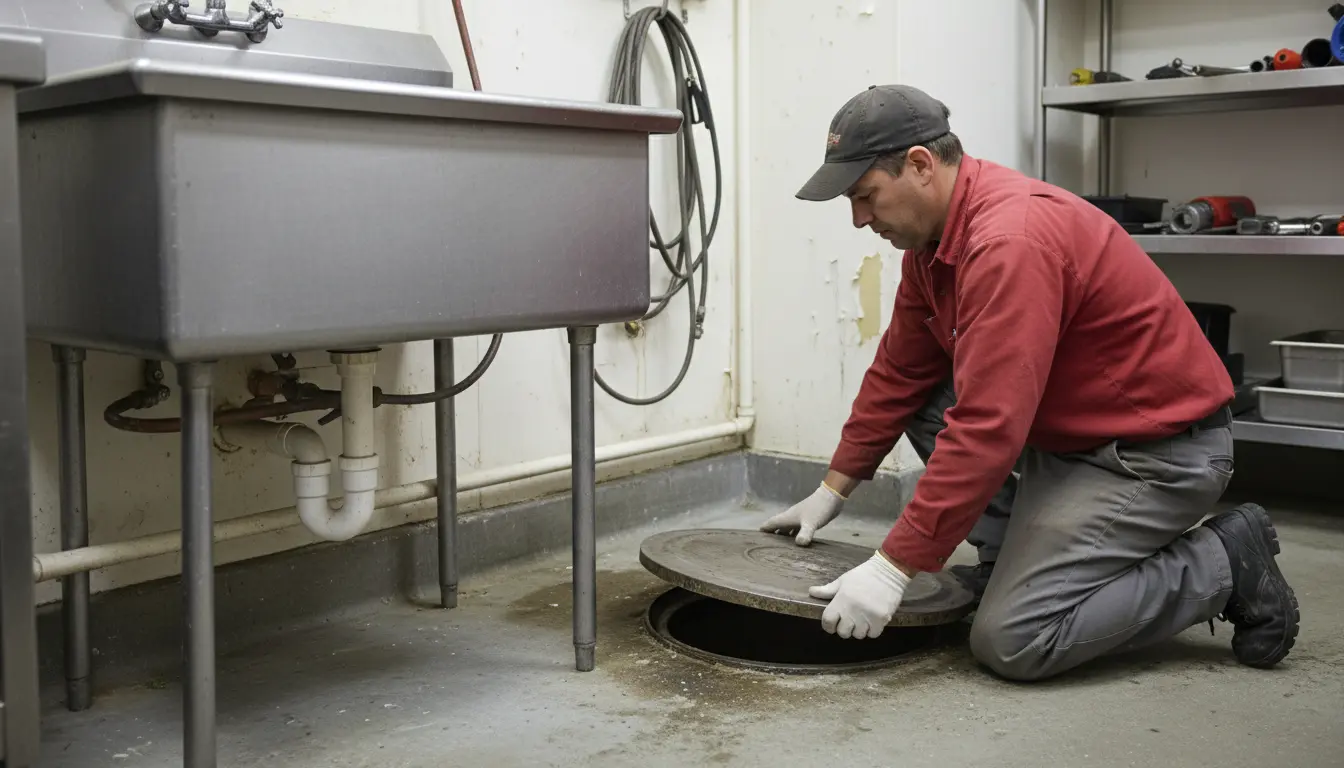
Find the Best Grease Trap Cleaning Companies for Your Business
No obligation • Fast responses • Nationwide coverage

Why you can trust Restaurant Waste Disposal
Restaurant Waste Disposal is a leading U.S. resource for comparing restaurant composting, food-waste recycling, grease trap cleaning, and used cooking oil collection services. Our editorial team researches providers, checks credentials, and organizes unbiased information so operators can make informed decisions. Companies cannot pay to change ratings or placement.
Search providers near you
Top Grease Trap Cleaning Companies in Wyoming, Michigan Ranked
For any restaurant, food service establishment, or commercial kitchen in Wyoming, Michigan, managing fats, oils, and grease (FOG) is a critical operational and regulatory responsibility. Proper grease trap cleaning and maintenance is not just a best practice for plumbing health; it's a legal requirement enforced by local ordinances to protect the city's sewer infrastructure from costly blockages and environmental damage. Failure to comply can result in significant fines, operational disruptions, and damage to your business's reputation. This guide outlines the essential knowledge for Wyoming business owners regarding grease interceptor service, from local code specifics and inspection protocols to practical maintenance schedules and associated costs.
Understanding and adhering to Wyoming's specific regulations is the first step toward compliance. Local codes typically mandate that any facility involved in food preparation, cooking, or dishwashing must install an appropriately sized grease trap or interceptor. These devices are designed to capture FOG before it enters the wastewater stream. It is strictly prohibited to pour grease, oils, or food scraps down any drain 1. The City of Wyoming, likely through its Department of Public Works or utility department, sets the exact rules governing installation capacity, cleaning frequency, and record-keeping. Proactively contacting these local authorities is crucial to ensure your facility meets all current requirements and avoids violations.
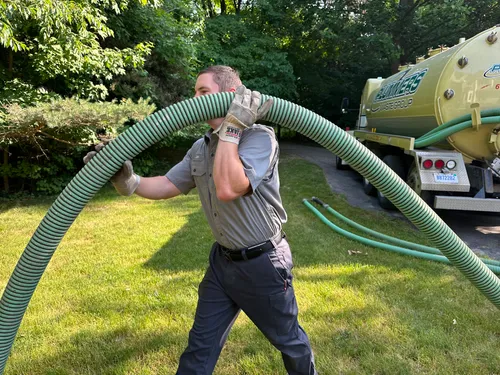
Plummers Septic and Sewer
4525 Clay Ave SW, Grand Rapids, MI 49548
Plummers Septic and Sewer is a family-owned waste management company based in Grand Rapids, MI, serving West Michigan including Lowell, Ionia, Sparta, Wyoming, and Dorr. Established in 1957, they provide septic tank cleaning, sewer and drain cleaning, and grease trap cleaning services for residential and commercial clients. Their capabilities include operating a privately owned waste disposal treatment facility and a fleet of specialized trucks to ensure efficient service across their coverage area. Plummers emphasizes environmental compliance and cost control through integrated waste collection and disposal solutions.
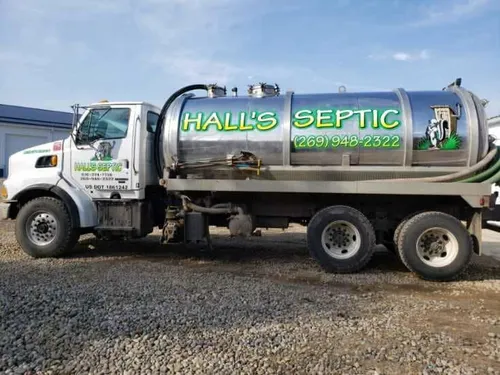
Hall's Septic Service
1690 E State St, Hastings, MI 49058
Hall's Septic Service is a licensed and insured company based in Georgetown, MI, providing septic system services throughout west Michigan. They offer a range of services including septic tank inspections, installations, pumping, grease trap cleaning, and porta john rentals. Their team is trained to handle both commercial and residential septic system care efficiently.
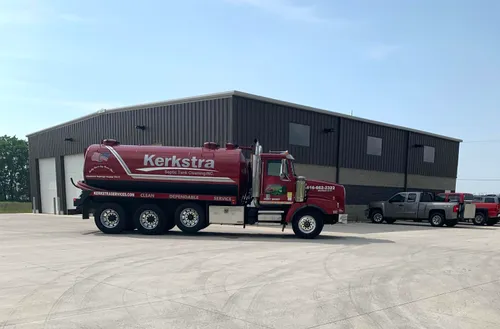
Kerkstra Septic Tank Cleaning
5324 Rich St, Allendale, MI 49401
Kerkstra Septic Tank Cleaning provides septic tank and grease trap cleaning services in Georgetown, MI, and surrounding counties including Kent, Ottawa, and Muskegon. The company offers routine septic pumping, system inspections for real estate transactions, and grease trap cleaning to prevent kitchen clogs. Kerkstra is known for its thorough septic system evaluations and dependable cleaning services. They have been serving homeowners in the area for over 10 years.
Robinson Septic Tank Cleaning
113 S Union St Apartment 2, Sparta, MI 49345
Robinson Septic Tank Cleaning is a family-owned business serving Georgetown, MI, and surrounding counties. They offer residential and commercial septic cleaning, grease trap cleaning, well and septic evaluations for home sales, portable toilet rentals, and lift pump service. Founded in 1979 in Pierson, MI, the company has over 30 years of experience and expanded with a location in Sparta, MI in 2003. They provide service across Montcalm, Mecosta, Muskegon, Newaygo, Kent, Ionia, and Ottawa counties. Robinson Septic Tank Cleaning is available 24/7 for routine and emergency septic services.
Understanding Local Grease Trap Ordinances
Wyoming's local ordinances are designed to prevent sewer system overflows and backups, which can be a public health hazard and incur massive cleanup costs for the municipality. These rules are enforceable, meaning inspectors can and will check for compliance. The cornerstone of these regulations is the proper installation and maintenance of grease control devices. The required capacity of your grease interceptor is not arbitrary; it is calculated based on your kitchen's volume, the type of food service you provide, and your water usage 2. A common requirement is for traps to be multi-compartment and easily accessible for service technicians and inspectors alike.
The most critical aspect of the ordinance for day-to-day operations is the mandated cleaning schedule. While specific frequency can vary, the general rule is that traps must be pumped and cleaned before the accumulated FOG and solids reach 25% of the unit's capacity 3 4. For many medium-volume restaurants in Wyoming, this translates to service every 30 to 90 days. However, high-volume kitchens, such as those in large banquet halls or 24-hour diners, will require much more frequent cleaning-potentially every month or even more often 5 6. You cannot simply guess at this schedule; it must be based on your actual usage and in line with local directives.
The Importance of Regular Maintenance and Pumping
Skipping or delaying scheduled grease trap service is a costly mistake. A neglected interceptor will eventually fail, allowing grease to solidify in your building's pipes or, worse, in the city's main sewer line. This leads to slow drains, unpleasant odors, and severe blockages that can cause sewage backups into your establishment or neighboring properties. The expense of an emergency plumbing repair far exceeds the routine cost of a pump-out. Furthermore, a fully clogged trap loses its efficiency, putting you in immediate violation of local codes and at high risk for enforcement action during an inspection.
Regular professional pumping involves completely evacuating the contents of the trap, including all FOG, food solids, and wastewater. The service provider will then thoroughly clean the interior baffles and walls of the unit before refilling it with clean water. This process restores the trap to full working capacity. It's important to note that "cleaning" is not the same as simple "pumping." A proper service includes a comprehensive cleaning to prevent residual grease from accelerating the re-accumulation process. Establishing a consistent relationship with a licensed and insured grease trap cleaning service is one of the best investments you can make in your business's operational continuity.
Navigating Inspections and Record-Keeping Requirements
The City of Wyoming conducts inspections to ensure compliance with its FOG control program. When an inspector arrives, they will ask to see your maintenance records. This is non-negotiable. You are required to maintain detailed cleaning logs for a minimum period, often at least three years. These logs should include the date of service, the name of the servicing company, the volume of waste removed, and the disposal method or manifest number.
Find the perfect grease trap cleaning companies for your needs
Get personalized recommendations and expert advice
Proper documentation is your primary defense during an inspection. It provides tangible proof of your commitment to compliance. Enforcement for non-compliance can be severe. Initial violations typically come with substantial fines. Repeated or egregious failures to maintain your grease trap can lead to more drastic measures, including the issuance of a cease-and-desist order, which forces a temporary closure of your kitchen until the issue is resolved and re-inspected 7 8. The financial impact of such a closure, combined with fines and repair costs, can be devastating for a business. Proactive maintenance and meticulous record-keeping are your best strategies for a smooth, successful inspection.
Cost Considerations for Grease Trap Service
The cost of grease trap cleaning in Wyoming is an operational expense that varies based on several factors. For a standard pump-out and cleaning service on a typical commercial trap, restaurants can expect to pay between $100 and $300 per service. This is the baseline cost for routine, scheduled maintenance performed on a monthly, quarterly, or bi-annual basis depending on your establishment's needs.
Several variables can influence this price. The physical size and gallon capacity of your interceptor is a major factor; larger traps used by institutional kitchens or high-volume restaurants cost more to service. Location and accessibility also play a role-a trap located in a tight basement or a confined outdoor vault may require more labor. The most significant cost increase comes from emergency service. A call for an urgent pump-out due to a backup or an impending inspection can cost between $800 and $1,200 or more 9 10. This stark difference highlights the immense value of adhering to a preventive maintenance schedule. Investing in regular service is far more economical than reacting to a crisis.
Best Practices for FOG Management
Beyond hiring a professional service, your kitchen staff plays a vital role in effective FOG management. Implementing simple best practices can extend the time between pump-outs, reduce odors, and keep your system running smoothly. First and foremost, educate all employees that the sink is not a garbage disposal. Scrape all food scraps from plates, pots, and pans into the trash or compost bin before washing. Use strainers in sink drains to catch solid particles.
Consider installing a under-sink grease recovery device (GRD) for pre-treatment, especially in areas like pot-washing stations. Most importantly, never pour used cooking oil or liquid grease down the drain. Instead, collect it in a dedicated, sealed container for proper recycling or disposal by your grease trap service provider or a licensed used cooking oil collector. These proactive steps minimize the load on your primary grease interceptor, improve its efficiency, and contribute directly to your compliance with Wyoming's efforts to maintain a healthy sewer system.
Frequently asked questions
Sources
Footnotes
-
020-25 Wyo. Code R. §§ 25-10 - Septic Tanks and Other Treatment ... - https://www.law.cornell.edu/regulations/wyoming/020-25-Wyo-Code-R-SS-25-10 ↩
-
Wyoming Administrative Code, Chapter 25, Section 25-10 - Septic ... - https://regulations.justia.com/states/wyoming/agency-020/sub-agency-0011/chapter-25/section-25-10/ ↩
-
Tips on Grease Trap/Interceptor Cleaning Frequency - https://www.villageofpennyan.com/uploads/1/2/3/8/123892065/grease-trap-cleaning-maintenance.pdf ↩
-
Grease Trap Regulations and Compliance: What You Need to Know - https://www.texwaywastewater.com/grease-trap-regulations-and-compliance/ ↩
-
Cost of Delayed Grease Trap Cleaning - PowerVac of Michigan - https://yourworkorder.com/the-cost-of-delayed-grease-trap-cleaning-for-michigan-businesses/ ↩
-
Fat, Oil, and Grease Program - Cheyenne Board of Public Utilities - https://www.cheyennebopu.org/Sewer/Industrial-Pretreatment-Program-IPP/Fat-Oil-and-Grease-Program ↩
-
Grease Trap Cleaning Michigan: How to Comply with State ... - https://dpoolecleaning.com/grease-trap-cleaning-michigan-how-to-comply-with-state-regulations/ ↩
-
Michigan Town Implementing Grease Trap Cleaning Ordinance - https://replaceyourgarbagedisposal.com/grease-trap-cleaning/michigan-town-implementing-grease-trap-cleaning-ordinance/ ↩
-
Ultimate Grease Trap Pumping Cost Guide: Essential Money-Saving ... - https://www.texwaywastewater.com/grease-trap-pumping-cost/ ↩
-
How Much Does It Cost To Clean A Grease Trap? - https://www.greasecollection.com/blog/how-much-does-it-cost-to-clean-a-grease-trap/ ↩