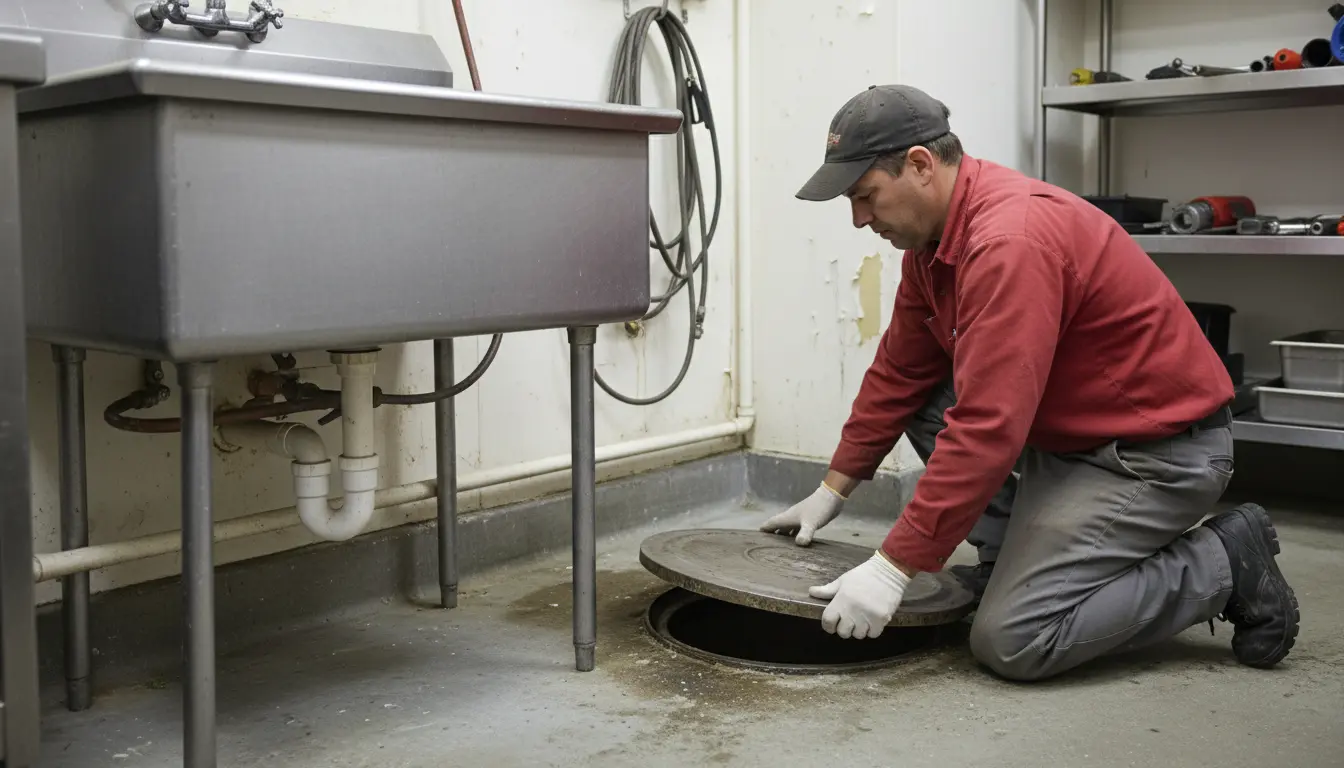
Find the Best Grease Trap Cleaning Companies for Your Business
No obligation • Fast responses • Nationwide coverage

Why you can trust Restaurant Waste Disposal
Restaurant Waste Disposal is a leading U.S. resource for comparing restaurant composting, food-waste recycling, grease trap cleaning, and used cooking oil collection services. Our editorial team researches providers, checks credentials, and organizes unbiased information so operators can make informed decisions. Companies cannot pay to change ratings or placement.
Search providers near you
Top Grease Trap Cleaning Companies in Battle Creek, Michigan Ranked
For any restaurant, cafeteria, or commercial kitchen in Battle Creek, managing fats, oils, and grease (FOG) is a critical operational and legal responsibility. Grease trap cleaning is not just a maintenance task; it's a mandatory requirement under Michigan and local codes to prevent sewer blockages, environmental harm, and costly penalties. This essential service involves the professional pumping and cleaning of grease interceptors to ensure your establishment remains compliant, functional, and free from disruptive backups. Understanding the local regulations, scheduling requirements, and service options helps you protect your business, your plumbing, and the community's wastewater system.
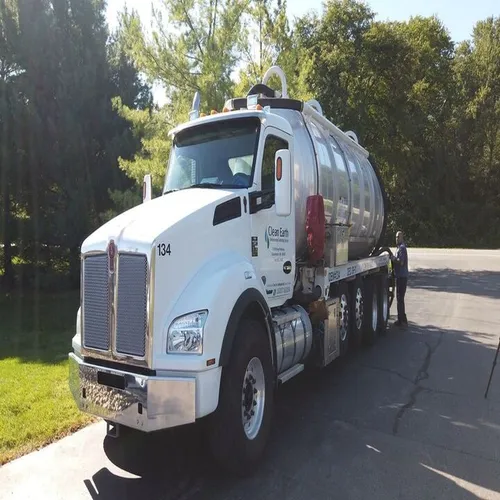
Clean Earth Environmental Contracting Services
5189 King Hwy, Kalamazoo, MI 49048
Clean Earth Environmental Contracting Services is based in Kalamazoo, MI, providing environmental and grease trap cleaning services throughout West Michigan and Northern Indiana. The company offers a range of services including sanitary and storm sewer cleaning, hydro-vacuum excavation, septic tank maintenance, and restaurant grease trap cleaning and disposal. They use advanced methods such as closed circuit TV pipe inspection and a no-dig pipe relining technique. Established in 1982, Clean Earth Environmental Contracting Services operates with a focus on environmental care and legal compliance in waste disposal. Their technicians are available 24/7 for emergency services.

Drain Monkeys
8322 Newells Ln, Portage, MI 49002
Drain Monkeys is a drain cleaning company based in Kalamazoo, MI, serving Portage, Battle Creek, and surrounding communities. They specialize in residential and commercial drain cleaning, including grease trap cleaning, sewer and drain cleaning, cable rodding, and hydro jetting at 4,000 PSI to clear roots, grease, and other obstructions. With over 26 years of experience, Drain Monkeys offers 24/7 emergency service to address urgent clogged drain issues at any time.
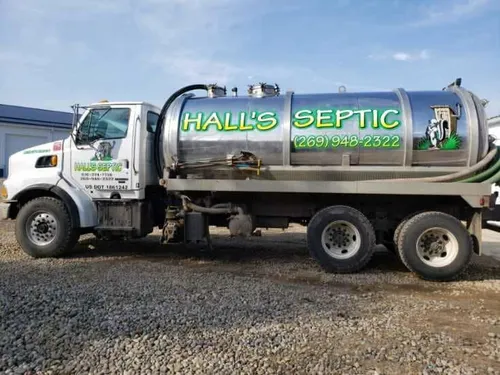
Hall's Septic Service
1690 E State St, Hastings, MI 49058
Hall's Septic Service is a licensed and insured company based in Georgetown, MI, providing septic system services throughout west Michigan. They offer a range of services including septic tank inspections, installations, pumping, grease trap cleaning, and porta john rentals. Their team is trained to handle both commercial and residential septic system care efficiently.

Rooter-Man
14578 Renton Rd, Battle Creek, MI 49015
Rooter-Man in Battle Creek, MI, offers a wide range of drain cleaning and septic services for both residential and commercial clients. Their services include grease trap cleaning, water jetting, pipe locating, sewer cleaning, and sewer odor detection. The company is equipped to handle jobs of any size, from chain stores to industrial complexes. With over 40 years of experience, Rooter-Man provides specialized solutions and maintains quality standards. They offer 24/7 availability, including emergency services, ensuring support at any time.
Why Grease Interceptor Maintenance is Non-Negotiable in Battle Creek
In Battle Creek, like all Michigan municipalities, food service establishments are legally required to install and maintain grease traps or interceptors. These devices capture FOG before it enters the sewer lines, where it can solidify and cause major blockages. The Mid-Michigan District Health Department and local city ordinances enforce strict rules regarding the frequency of grease trap pumping and record-keeping. Non-compliance isn't taken lightly; inspectors can issue fines, mandate immediate service, or even order a closure until violations are corrected, which can severely damage a restaurant's reputation and revenue.
Proactive maintenance with a licensed hauler is the only way to ensure compliance. It transforms a potential regulatory headache into a simple, scheduled part of your operations. Regular servicing prevents the accumulation of solids and grease that can lead to overflows, foul odors in your kitchen, and emergency calls that are significantly more expensive than routine cleanings.
Understanding Local Regulations and Inspection Protocols
Navigating the rules starts with knowing who sets them. In Battle Creek, regulations stem from the Michigan Plumbing Code, local amendments, and health department guidelines. Key requirements include:
- Mandatory Installation: Any facility involved in food preparation that generates FOG must have a properly sized grease interceptor1.
- Service Frequency: Cleaning is generally required every 1 to 3 months, but high-volume kitchens may need monthly grease trap service. The exact schedule depends on your interceptor's size, your establishment's output, and the specific determinations of local inspectors.
- Record Keeping: You must maintain detailed logs of every cleaning for a minimum of three years. These logs should include the date, the name of the servicing company, the volume of waste removed, and the disposal method. Health inspectors will review these records during routine food establishment inspections.
- Approved Disposal: Grease and solids removed from the trap must be handled by a licensed waste hauler. It is illegal to pour collected grease down a drain or dispose of it improperly2.
Find the perfect grease trap cleaning companies for your needs
Get personalized recommendations and expert advice
The Cost of Grease Trap Service: Routine vs. Reactive
Investing in regular grease interceptor maintenance is far more economical than dealing with the consequences of neglect. Service costs in Battle Creek vary based on several factors, but understanding the typical ranges helps in budgeting.
For routine, scheduled maintenance:
- Basic Cleaning: For a standard-sized trap on a monthly or quarterly schedule, costs typically range from $175 to $400+ per visit 3.
- Factors Influencing Price: The final cost depends on the physical size (capacity in gallons) of your interceptor, its accessibility, the amount of grease and solids to be removed, and your location within the Battle Creek area.
For larger systems or emergency situations:
- Larger Traps & Emergency Service: Cleaning a large, neglected, or completely full interceptor is a more intensive job. Prices for these services can range from $500 to $2,500 or more4 5. An emergency call-out for a clogged or overflowing trap, often requiring after-hours service, will be at the highest end of this scale.
- The True Cost of Delay: Postponing service leads to thicker sludge buildup, which is harder and more time-consuming to pump. This increases the labor cost. Furthermore, the risk of a sewer line backup or a violation notice from an inspector can lead to fines and lost business that dwarf the cost of proactive cleaning 6.
Best Practices for Battle Creek Restaurant Managers
Staying ahead of grease trap requirements is straightforward with a systematic approach.
- Verify Local Rules: Start by contacting the Battle Creek Department of Public Works or the Mid-Michigan District Health Department to confirm the specific ordinances and expected service frequency for your establishment 7.
- Schedule Proactively: Don't wait for a problem or an inspection notice. Establish a regular cleaning schedule with a reputable, licensed local hauler. Many companies offer automated scheduling and reminders.
- Keep Impeccable Records: Use a dedicated logbook or digital system to track every service event. This documentation is your first line of defense during an inspection and helps you monitor your trap's performance8.
- Train Your Staff: Ensure kitchen staff understand what should and should not go down the drain. Scraping plates into trash bins and using sink strainers can significantly reduce the load on your grease interceptor, potentially extending the time between necessary pump-outs9.
Choosing a Service Provider for Interceptor Maintenance
Selecting the right partner for your grease management is crucial. Look for a provider that is fully licensed and insured to handle and transport grease trap waste in Michigan. They should be familiar with Battle Creek's specific codes and inspection expectations. A reliable company will offer clear service agreements, provide detailed documentation (waste manifests) after each cleaning for your records, and be available for questions or emergency support. Their expertise can be invaluable in helping you determine the optimal service frequency and avoid compliance issues.
Frequently asked questions
Sources
Footnotes
-
2021 Michigan Plumbing Code - 1003.3.1 Grease interceptors and ... - https://codes.iccsafe.org/s/MIPC2021P1/chapter-10-traps-interceptors-and-separators/MIPC2021P1-Ch10-Sec1003.3.1 ↩
-
Restaurant Grease Trap Cleaning FAQs - Mahoney Environmental - https://www.mahoneyes.com/restaurant-grease-trap-cleaning-faqs/ ↩
-
The Cost To Clean A Grease Trap For Restaurants - https://thegreasecompany.com/blog/greasetrapcleaningcost/ ↩
-
Cost of Delayed Grease Trap Cleaning - PowerVac of Michigan - https://yourworkorder.com/the-cost-of-delayed-grease-trap-cleaning-for-michigan-businesses/ ↩
-
Ultimate Grease Trap Pumping Cost Guide: Essential Money ... - https://www.texwaywastewater.com/grease-trap-pumping-cost/ ↩
-
How to Clean Out a Grease Trap | PowerVac of Michigan - https://yourworkorder.com/the-ultimate-guide-to-restaurant-grease-trap-cleaning/ ↩
-
Grease Trap Cleaning Michigan: How to Comply with State ... - https://dpoolecleaning.com/grease-trap-cleaning-michigan-how-to-comply-with-state-regulations/ ↩
-
§ 52.19 GREASE, OIL AND SAND INTERCEPTORS. - https://codelibrary.amlegal.com/codes/bigrapidsmi/latest/bigrapids_mi/0-0-0-1642 ↩
-
How to Clean a Grease Trap (and How Often You Should) - https://greaseconnections.com/how-to-clean-a-grease-trap-and-how-often-you-should/ ↩