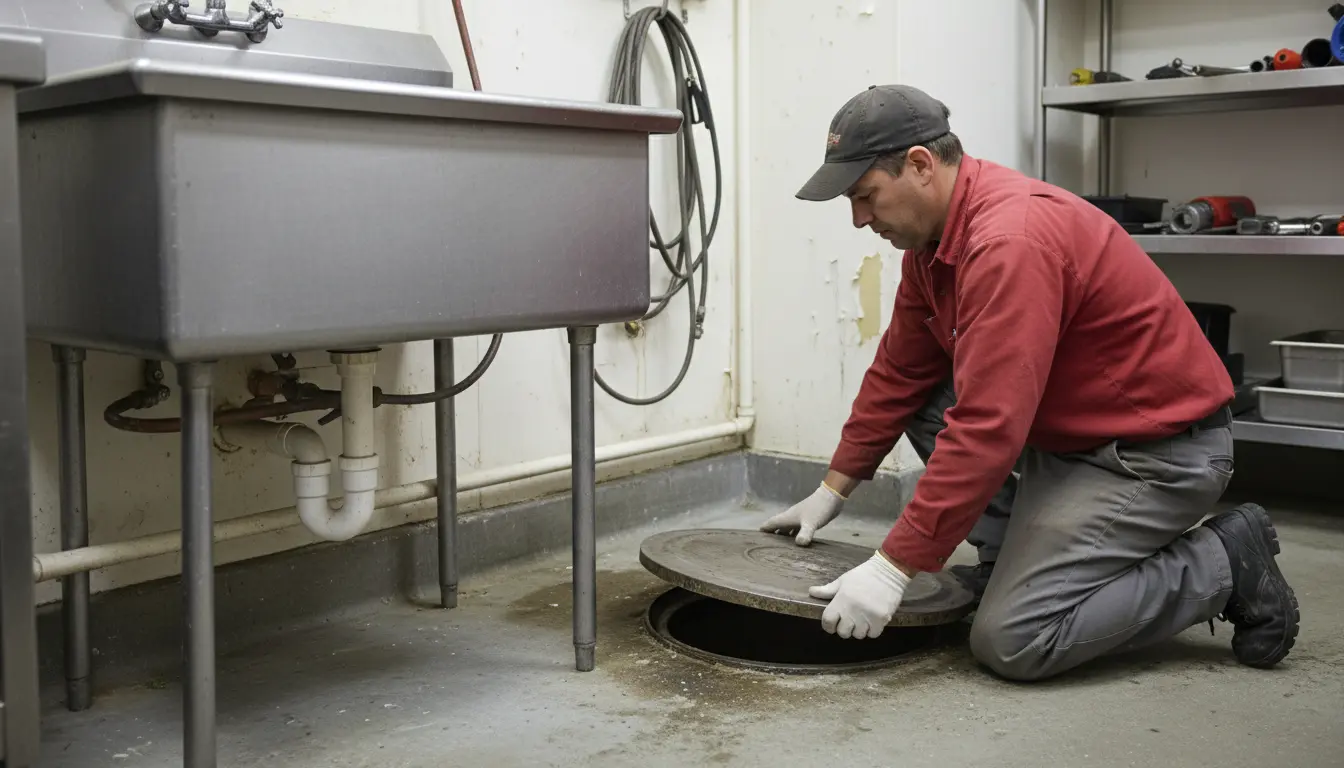
Find the Best Grease Trap Cleaning Companies for Your Business
No obligation • Fast responses • Nationwide coverage

Why you can trust Restaurant Waste Disposal
Restaurant Waste Disposal is a leading U.S. resource for comparing restaurant composting, food-waste recycling, grease trap cleaning, and used cooking oil collection services. Our editorial team researches providers, checks credentials, and organizes unbiased information so operators can make informed decisions. Companies cannot pay to change ratings or placement.
Search providers near you
Top Grease Trap Cleaning Companies in Commerce, Michigan Ranked
For any restaurant or food service establishment in Commerce Township, maintaining your grease trap or interceptor isn't just a messy chore-it's a critical regulatory requirement. Local ordinances in Oakland County mandate regular cleaning and meticulous record-keeping to prevent Fats, Oils, and Grease (FOG) from entering the public sewer system. Failure to comply can lead to severe consequences, including hefty fines and even business closure. This guide outlines what Commerce business owners need to know about local regulations, best practices for maintenance, and how to choose a reliable service provider to keep your kitchen running smoothly and in compliance.
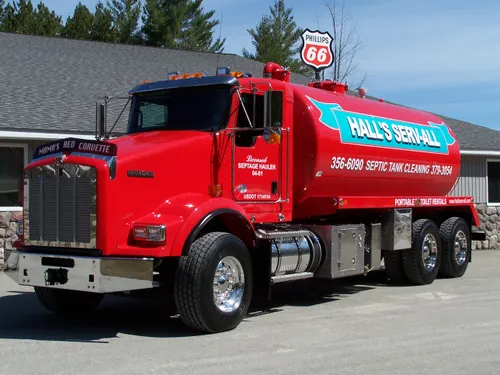
Understanding Local FOG Regulations in Commerce Township
Commerce Township, like many municipalities in Oakland County, enforces specific rules to protect its wastewater infrastructure. The primary goal is FOG source control, preventing blockages that can cause costly and unsanitary sewer overflows. These regulations are typically enforced through a combination of local health department and Department of Public Works (DPW) inspections 1.
Key local requirements include:
- Mandatory Installation: All food service establishments (FSEs) that generate FOG must have an approved grease interceptor system. This is usually a grease trap for indoor, under-sink applications or a larger grease interceptor for outdoor, in-ground installations.
- Licensed Hauler Mandate: Pumping and disposal must be performed by a licensed, approved hauler. You cannot simply have a staff member empty the contents down a drain or into a dumpster 2.
- Strict Record-Keeping: You are required to maintain detailed service records for a minimum of three years. These logs should include the date of service, the name of the licensed hauler, the volume of waste removed, and the disposal location. Inspectors will ask to see these records during routine or unannounced visits.
How Often Should You Clean Your Grease Trap?
The frequency of grease interceptor maintenance is not a one-size-fits-all schedule. While many establishments in Commerce find a monthly cleaning necessary, the official standard is based on capacity. Local codes often require cleaning before FOG and solids accumulate to 25% of the trap's total volume, ensuring it remains at least 75% empty 3. The right schedule for your business depends on several factors:
- The volume of cooking: A high-turnover diner will fill a trap faster than a low-volume cafe.
- The type of food prepared: Establishments serving fried foods or dishes with high fat content will generate more FOG.
- The size and type of your interceptor: A small under-sink trap has less capacity than a large in-ground interceptor.
Regular, proactive cleaning is far less expensive than the cost of an emergency service call for a clogged line or the fines associated with a compliance violation 4.
The Inspection Process and Enforcement
Inspections in Commerce Township are often unannounced and tied to broader health and sanitation checks. An inspector will typically:
- Review your maintenance and pumping logs.
- Visually inspect the grease trap/interceptor and the surrounding area for signs of leaks, odors, or pest attraction.
- Check for best practices in the kitchen, such as the use of drain screens and proper waste disposal to minimize FOG entering the system.
Enforcement actions for non-compliance can escalate from a written warning and a fine to, in severe cases of repeated violations or major sewer blockages, a temporary suspension of your business license. Proactive maintenance is your best defense against these outcomes.
Cost Factors for Grease Trap Pumping Services
The cost for commercial grease trap cleaning in the Commerce area varies. It's important to view this not as an optional expense but as a necessary cost of doing business that protects you from much larger financial penalties. Prices are influenced by:
- Trap Size and Location: A small indoor trap is less expensive to service ($125 - $200 per cleaning) than a large outdoor interceptor ($250 - $400+ per service) 5 6 7.
- Accessibility: Easily accessible traps cost less than those requiring special equipment or extensive labor to reach.
- Frequency: Establishing a regular service contract can sometimes lead to more predictable pricing compared to one-time emergency calls.
- Service Provider: Rates differ between licensed haulers based on their equipment, disposal fees, and service area.
Find the perfect grease trap cleaning companies for your needs
Get personalized recommendations and expert advice
Choosing a Licensed Service Provider in Oakland County
Selecting the right partner for your FOG management is crucial. Here are key considerations:
- Verify Licensing: Always ask for proof that the hauler is licensed and approved for waste disposal in accordance with local and state regulations.
- Check for Insurance: Ensure the company carries adequate liability insurance to protect your property during service.
- Review Service Documentation: A reputable provider will supply detailed service reports that you can add to your compliance logs, including pump-out volumes and disposal receipts.
- Ask About Emergency Services: Know their policy and rates for emergency call-outs in case of a sudden backup.
Best Practices for Kitchen Staff
Compliance starts with daily habits in your kitchen. Educate your staff on these essential grease trap care practices to extend time between pump-outs and reduce problems:
- Scrape, Don't Rinse: Scrape all food scraps and solids into the trash or compost bin before washing dishes.
- Use Drain Screens: Install and regularly clean strainers in all sink drains to catch solids.
- Never Pour Grease Down the Drain: Collect cooled frying oil and pan grease in sealed containers for proper disposal or recycling.
- Minize Garbage Disposal Use: Disposals send pulverized solids into your trap, filling it faster. Compost food scraps when possible.
Consequences of Neglecting Grease Trap Maintenance
Delaying or skipping regular interceptor cleaning leads to predictable and costly issues:
- Foul Odors and Pest Infestations: A full, decaying grease trap produces bad smells that can permeate your dining area and attract flies and rodents.
- Slow Drains and Kitchen Stoppages: This is the most common early warning sign that your trap is full and FOG is moving into your building's pipes.
- Sewer Backups and Property Damage: Severe blockages can cause sewage to back up into your kitchen or basement, resulting in extensive clean-up costs and business interruption.
- Regulatory Fines and Legal Liability: If your FOG output contributes to a public sewer main blockage, your business can be held financially responsible for the municipal cleanup costs, on top of any fines 8.
Frequently asked questions
Sources
Footnotes
-
Restaurant Inspections: Grease Trap Requirements - https://foodgreasetrappers.com/2016/11/restaurant-inspections-grease-trap-requirements/ ↩
-
How to Clean a Grease Trap (and How Often You Should) - https://greaseconnections.com/how-to-clean-a-grease-trap-and-how-often-you-should/ ↩
-
Grease Trap Cleaning Michigan: How to Comply with State ... - https://dpoolecleaning.com/grease-trap-cleaning-michigan-how-to-comply-with-state-regulations/ ↩
-
How to Clean Out a Grease Trap | PowerVac of Michigan - https://yourworkorder.com/the-ultimate-guide-to-restaurant-grease-trap-cleaning/ ↩
-
Cost of Delayed Grease Trap Cleaning - PowerVac of Michigan - https://yourworkorder.com/the-cost-of-delayed-grease-trap-cleaning-for-michigan-businesses/ ↩
-
Ultimate Grease Trap Pumping Cost Guide: Essential Money-Saving ... - https://www.texwaywastewater.com/grease-trap-pumping-cost/ ↩
-
Grease Trap Cleaning Prices | Guide on the Industry Average - https://grease-cycle.com/grease-trap-pumping-cost/ ↩
-
Waterford Township Department of Public Works Fats, Oil, and ... - https://waterfordmi.gov/DocumentCenter/View/188/Best-Restaurant-Practices-Regarding-Fats-Oils-and-Grease-PDF ↩