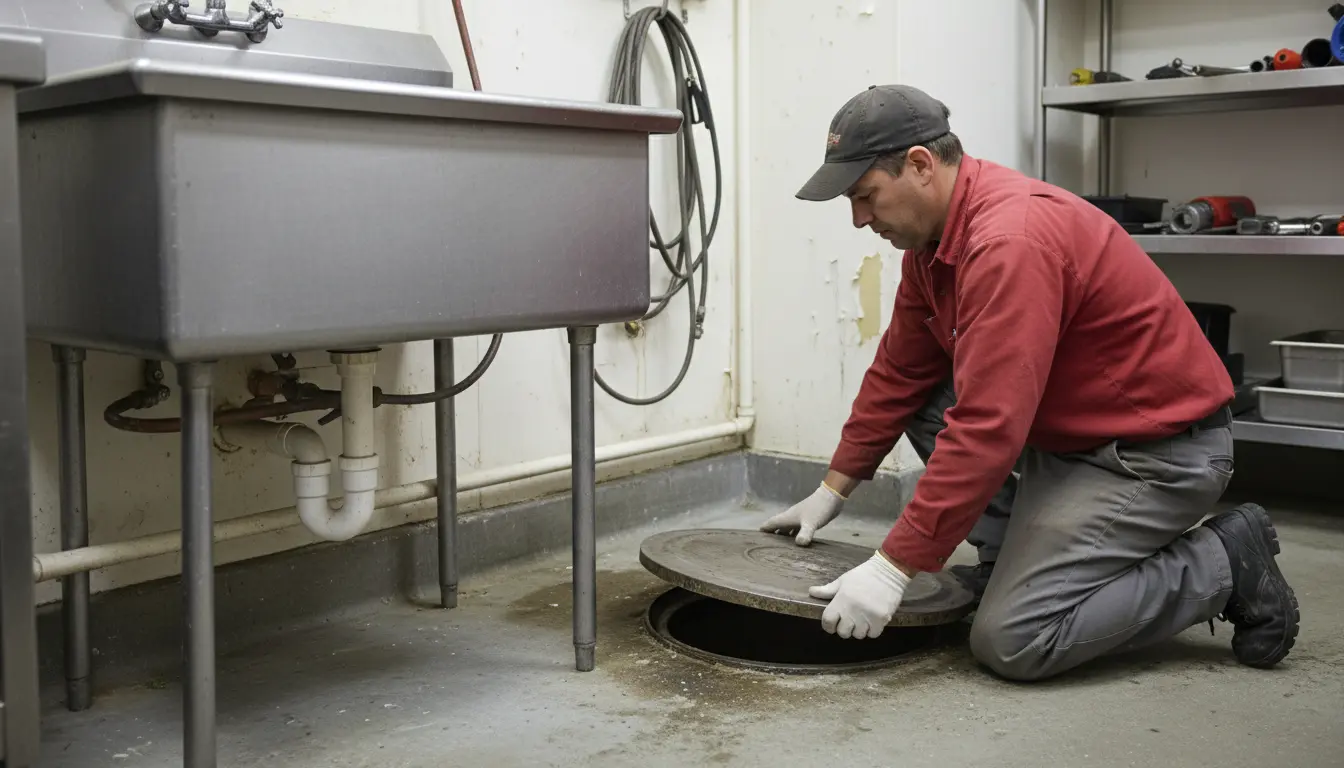
Find the Best Grease Trap Cleaning Companies for Your Business
No obligation • Fast responses • Nationwide coverage

Why you can trust Restaurant Waste Disposal
Restaurant Waste Disposal is a leading U.S. resource for comparing restaurant composting, food-waste recycling, grease trap cleaning, and used cooking oil collection services. Our editorial team researches providers, checks credentials, and organizes unbiased information so operators can make informed decisions. Companies cannot pay to change ratings or placement.
Search providers near you
Top Grease Trap Cleaning Companies in Flint, Michigan Ranked
For any restaurant or food service establishment in Flint, managing fats, oils, and grease (FOG) is a critical operational and legal responsibility. Proper grease interceptor maintenance is not just about preventing clogs; it's a mandatory requirement under Michigan state plumbing codes and Flint's local ordinances designed to protect the city's sewer infrastructure from costly and disruptive "fatberg" blockages. Failure to adhere to these regulations can result in significant fines, enforcement actions, and even business interruptions. This guide outlines the essential knowledge for Flint food service operators to ensure compliance, avoid penalties, and maintain a smoothly running kitchen.
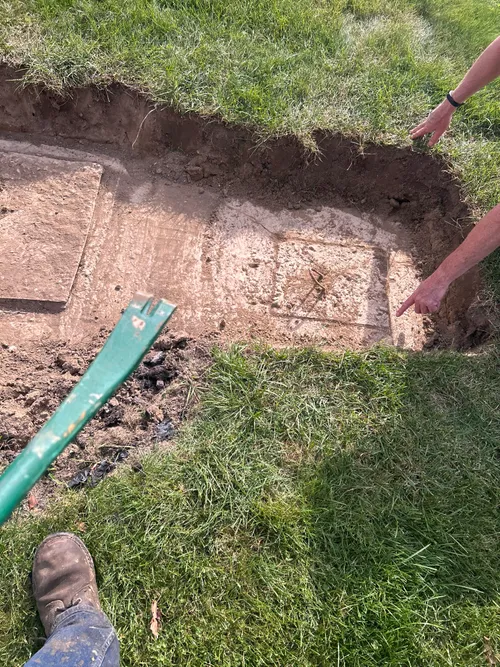
KD's Septic Services | Septic Pump, Septic Cleanout, Grease Trap
12369 Lapeer Rd, Davison, MI 48423
KD's Septic Services provides a range of septic system solutions in Flint, MI, including septic tank cleaning, inspections, repairs, and grease trap cleaning. They also offer new septic system installations, excavating services, and rental of septic and RV holding tanks. The team uses advanced technology such as camera inspections and hydro jetting to address septic and sewer issues efficiently. KD's Septic Services emphasizes quality workmanship and customer satisfaction in all their projects.
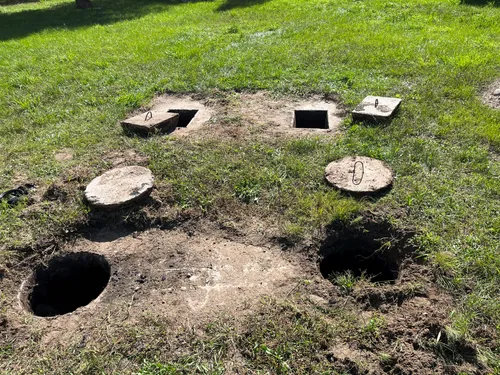
KD's Septic Services | Septic Pump | Septic Cleanout, Grease Trap
6192 N Linden Rd, Mount Morris Township, MI 48458
KD's Septic Services | Septic Pump | Septic Cleanout, Grease Trap provides septic system design, installation, maintenance, and repair services in Flint, MI. The company offers a range of services including septic tank cleaning, inspections, drain field repair, sewer and water line installation, camera inspections, and water jetting for clogged pipes. They also provide rental services for septic and RV holding tanks. Their team uses advanced technology and quality materials to ensure dependable septic systems and efficient service. KD's Septic Services operates an office in Mt Morris and serves the surrounding area.

ROOT-A-WAY Drain Cleaning
4101 Circle Dr, Flint, MI 48507
ROOT-A-WAY Drain Cleaning is a sewer, drain, and septic service provider based in Flint, MI. They serve residential, commercial, industrial, and multi-family properties throughout Genesee County, with commercial services extending to surrounding counties. Their offerings include sewer and drain cleaning, septic field installation and repair, sewer camera line inspections, and grease trap cleaning. The company has over 40 years of experience in the industry and provides emergency services for commercial properties with issues such as clogged grease traps or backed-up drains.
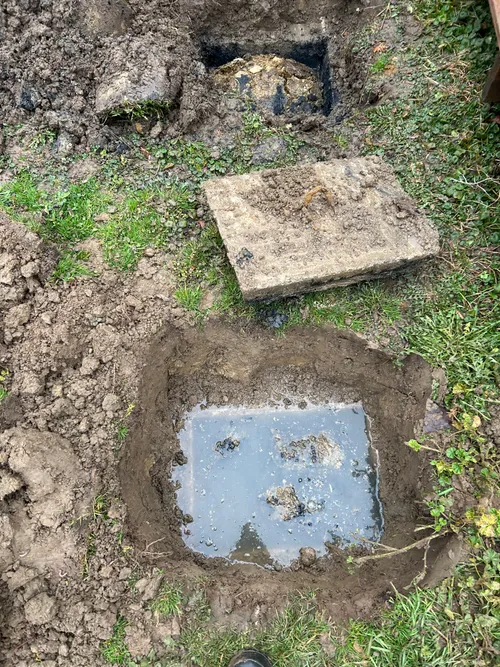
KD's Septic Services | Septic Pump | Septic Cleanout, Grease Trap
2350 Indian Rd, Lapeer, MI 48446
KD's Septic Services | Septic Pump | Septic Cleanout, Grease Trap provides a range of septic system solutions in Flint, MI. They offer services including septic tank cleaning, inspections, repairs, drain field maintenance, and grease trap cleaning. The company also handles septic system installations, excavating, sewer and water line installation, camera inspections, hydro jetting, and septic tank rentals. Their team uses advanced technology to address septic issues efficiently and safely, aiming to restore system functionality promptly. KD's Septic Services serves the South East Michigan area and supports various septic needs with experienced technicians.
Understanding Flint's Grease Trap Regulations
At the state level, the Michigan Plumbing Code mandates that any facility producing grease-laden waste must install an approved grease interceptor on relevant drain lines 1. However, local municipalities like Flint have the authority to enforce stricter or more specific rules. Flint's City Ordinances dictate the exact maintenance frequency, documentation standards, and inspection protocols for grease traps 2 1 3. A common local rule is the "25% full" guideline, which requires cleaning before the trap reaches one-quarter of its capacity. The ultimate authority for enforcement typically lies with the Flint Water Department and/or county health inspectors, who conduct routine inspections 2.
Key Compliance Steps:
- Contact the Flint Water Department: Your first step should be to obtain a copy of the city's specific grease control ordinance to understand all local requirements.
- Install Approved Equipment: Ensure your grease interceptor is correctly sized, installed, and approved for use in a commercial kitchen.
- Hire Licensed Haulers: All waste must be pumped and disposed of by a licensed grease hauler. These professionals provide detailed service reports that serve as your proof of compliance.
Creating a Compliant Maintenance Schedule
There is no one-size-fits-all schedule, as cleaning frequency depends entirely on your establishment's volume. High-volume restaurants like busy diners or pizzerias may require monthly pump-outs, while lower-volume cafes might manage with quarterly service. The most reliable method is to have your licensed service provider recommend a schedule based on your trap's size and observed fill rate. They can help you determine the optimal interval to stay ahead of the 25% rule and avoid emergencies.
Sticking to a proactive, scheduled maintenance plan is the cornerstone of effective grease management. Inspectors will review your maintenance logs, so meticulous record-keeping is non-negotiable. You should retain all service receipts and detailed reports from your hauler for a minimum of three years to demonstrate due diligence during an inspection 4.
The Cost of Compliance vs. Non-Compliance
Investing in regular grease trap cleaning is far more economical than facing the consequences of neglect. In the Flint area, scheduled pump-out services typically range from $175 to $400+ per service, with factors like trap size (e.g., a 1000-1500 gallon unit) and accessibility influencing the final price 5 6.
Find the perfect grease trap cleaning companies for your needs
Get personalized recommendations and expert advice
Contrast this with the cost of non-compliance. An emergency service call for a completely clogged or overflowing trap can cost $800 to $1,200 or more7 8. More significantly, regulatory fines for violations can be substantial and recur until the issue is resolved. In severe cases, the city can mandate immediate cleaning at the owner's expense or even issue a cease-and-desist order that halts business operations 9 10. The financial and reputational damage from a sewer backup or forced closure dwarfs the predictable expense of routine maintenance.
Choosing a Service Provider in Flint
Selecting a reliable, licensed grease trap cleaning service is a critical business decision. Look for providers with proven experience serving commercial clients in Genesee County and who are familiar with Flint's specific reporting requirements. A quality hauler will do more than just pump the trap; they will provide a comprehensive service report detailing the volume removed, the condition of the interceptor, and recommendations for future service, which is invaluable for your records 11.
When evaluating local companies, such as those listed on local business directories, verify their licensing and insurance. Don't hesitate to ask for references from other restaurant clients in the area. A reputable provider will be transparent about their pricing, service offerings, and the documentation they supply to help you stay compliant 12.
Best Practices for Ongoing Grease Management
Beyond scheduled pump-outs, kitchen staff training is your first line of defense. Implementing simple best practices can significantly reduce the load on your interceptor and extend time between services.
Essential Kitchen Practices:
- Scrape, Don't Rinse: Thoroughly scrape food scraps from plates, pots, and pans into the trash before washing.
- Use Strainers: Install and regularly clean sink strainers to catch solid food particles.
- Never Pour Grease Down the Drain: Collect all cooled fryer oil, cooking grease, and pan drippings in a dedicated container for proper disposal or recycling.
- Educate Your Team: Ensure every employee understands the importance of these practices and the high cost of grease-related problems.
By combining regular professional cleaning with diligent in-house practices, Flint restaurant owners can turn grease trap compliance from a regulatory burden into a routine part of successful, sustainable operations.
Frequently asked questions
Sources
Footnotes
-
2021 Michigan Plumbing Code - 1003.3.1 Grease interceptors and ... - https://codes.iccsafe.org/s/MIPC2021P1/chapter-10-traps-interceptors-and-separators/MIPC2021P1-Ch10-Sec1003.3.1 ↩ ↩2
-
Grease Trap Cleaning Michigan: How to Comply with State ... - https://dpoolecleaning.com/grease-trap-cleaning-michigan-how-to-comply-with-state-regulations/ ↩ ↩2
-
City Regulations/Local Ordinance for Grease Interceptors - https://www.greaseguardianusa.com/city-grease-trap-codes/ ↩
-
The Ultimate Guide to Restaurant Grease Trap Cleaning - https://mokherplumbing.com/ultimate-guide-restaurant-grease-trap-cleaning/ ↩
-
Avoiding Regulatory Fines Through Proper Grease ... - https://evergreengrease.com/posts/avoiding-fines-through-proper-grease-management ↩
-
Grease Trap Cleaning Prices | Guide on the Industry Average - https://grease-cycle.com/grease-trap-pumping-cost/ ↩
-
Ultimate Grease Trap Pumping Cost Guide: Essential Money-Saving ... - https://www.texwaywastewater.com/grease-trap-pumping-cost/ ↩
-
The Cost To Clean A Grease Trap For Restaurants - https://thegreasecompany.com/blog/greasetrapcleaningcost/ ↩
-
Michigan Town Implementing Grease Trap Cleaning Ordinance - https://replaceyourgarbagedisposal.com/grease-trap-cleaning/michigan-town-implementing-grease-trap-cleaning-ordinance/ ↩
-
Grease Trap Regulations and Compliance: What You Need to Know - https://www.texwaywastewater.com/grease-trap-regulations-and-compliance/ ↩
-
Grease Trap Cleaning in Flint MI | Grease Interceptor Pumping - https://greasetrapcleaninggrandblanc.com/flint-mi.html ↩
-
TOP 10 BEST Grease Trap Cleaning in Flint, MI - Updated 2025 - Yelp - https://m.yelp.com/search?find_desc=Grease+Trap+Cleaning&find_loc=Flint%2C+MI ↩