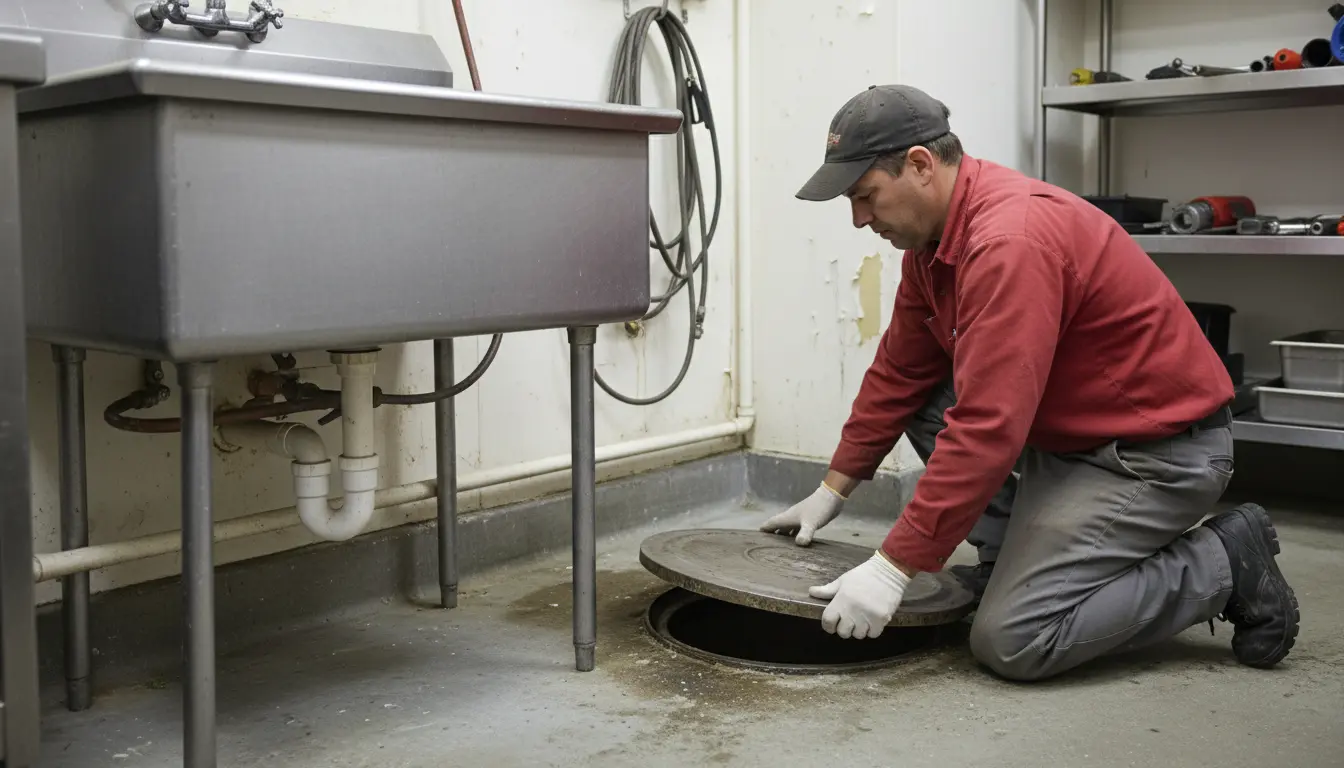
Find the Best Grease Trap Cleaning Companies for Your Business
No obligation • Fast responses • Nationwide coverage

Why you can trust Restaurant Waste Disposal
Restaurant Waste Disposal is a leading U.S. resource for comparing restaurant composting, food-waste recycling, grease trap cleaning, and used cooking oil collection services. Our editorial team researches providers, checks credentials, and organizes unbiased information so operators can make informed decisions. Companies cannot pay to change ratings or placement.
Search providers near you
Best Grease Trap Cleaning Companies in Michigan Ranked
For any restaurant, cafeteria, or food service establishment (FSE) in Michigan, managing kitchen grease is a critical operational and legal responsibility. Proper grease trap and interceptor maintenance is not just about preventing clogs and odors; it's a mandated part of protecting the state's water infrastructure from harmful fats, oils, and grease (FOG). Compliance involves understanding specific state and local regulations, adhering to strict cleaning schedules, and maintaining thorough records. This guide outlines the essential rules, best practices, and cost considerations for effective grease management across the Great Lakes State.
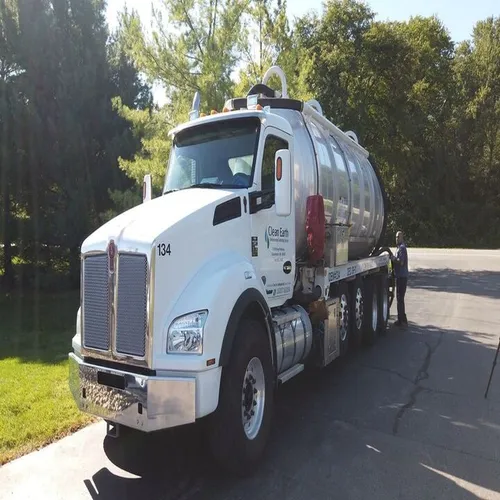
Clean Earth Environmental Contracting Services
5189 King Hwy, Kalamazoo, MI 49048
Clean Earth Environmental Contracting Services is based in Kalamazoo, MI, providing environmental and grease trap cleaning services throughout West Michigan and Northern Indiana. The company offers a range of services including sanitary and storm sewer cleaning, hydro-vacuum excavation, septic tank maintenance, and restaurant grease trap cleaning and disposal. They use advanced methods such as closed circuit TV pipe inspection and a no-dig pipe relining technique. Established in 1982, Clean Earth Environmental Contracting Services operates with a focus on environmental care and legal compliance in waste disposal. Their technicians are available 24/7 for emergency services.
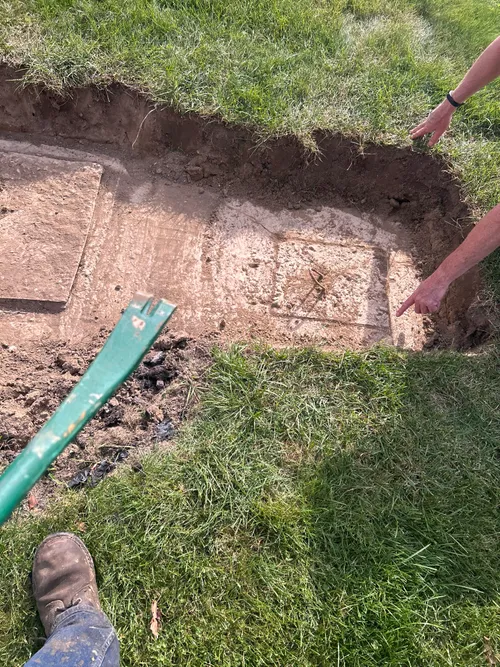
KD's Septic Services | Septic Pump, Septic Cleanout, Grease Trap
12369 Lapeer Rd, Davison, MI 48423
KD's Septic Services provides a range of septic system solutions in Flint, MI, including septic tank cleaning, inspections, repairs, and grease trap cleaning. They also offer new septic system installations, excavating services, and rental of septic and RV holding tanks. The team uses advanced technology such as camera inspections and hydro jetting to address septic and sewer issues efficiently. KD's Septic Services emphasizes quality workmanship and customer satisfaction in all their projects.
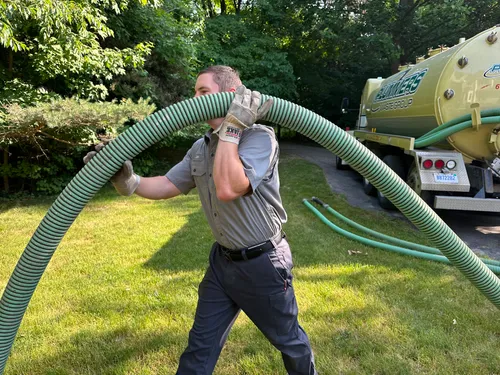
Plummers Septic and Sewer
4525 Clay Ave SW, Grand Rapids, MI 49548
Plummers Septic and Sewer is a family-owned waste management company based in Grand Rapids, MI, serving West Michigan including Lowell, Ionia, Sparta, Wyoming, and Dorr. Established in 1957, they provide septic tank cleaning, sewer and drain cleaning, and grease trap cleaning services for residential and commercial clients. Their capabilities include operating a privately owned waste disposal treatment facility and a fleet of specialized trucks to ensure efficient service across their coverage area. Plummers emphasizes environmental compliance and cost control through integrated waste collection and disposal solutions.
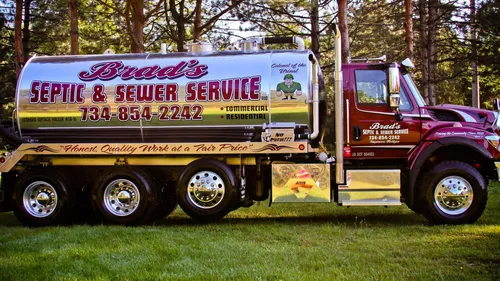
Brad's Septic & Sewer Service, LLC
3115 Rauch Rd, Temperance, MI 48182
Brad's Septic & Sewer Service, LLC is a septic tank and drain line cleaning company based in West Bloomfield, MI. They offer a range of services including septic tank pumping, certified septic system inspections, pump and haul contracting, sewer and drain line cleaning, pipe and tank repairs, sump pump services, septic lift station repairs, and grease trap pumping. Serving multiple counties including Monroe, Lenawee, Lucas, and Wood, the company has been operating since 1988 and provides emergency services as well.

Drain Monkeys
8322 Newells Ln, Portage, MI 49002
Drain Monkeys is a drain cleaning company based in Kalamazoo, MI, serving Portage, Battle Creek, and surrounding communities. They specialize in residential and commercial drain cleaning, including grease trap cleaning, sewer and drain cleaning, cable rodding, and hydro jetting at 4,000 PSI to clear roots, grease, and other obstructions. With over 26 years of experience, Drain Monkeys offers 24/7 emergency service to address urgent clogged drain issues at any time.
Understanding Michigan's Grease Trap Regulations
Michigan's approach to grease management is designed to prevent FOG from entering public sewer systems, where it can solidify, cause blockages, and lead to costly sanitary sewer overflows (SSOs). While the state provides a framework, local municipalities often enforce more detailed ordinances. The cornerstone of compliance is the 25% rule: traps and interceptors must be cleaned when the combined grease and solids accumulate to 25% of the liquid depth of the unit 1. Allowing accumulation beyond this point, or any visible discharge of FOG into the drain line, is a violation.
Key regulatory pillars include:
- Permitting and Registration: Many cities, including Detroit and Big Rapids, require FSEs to register their grease control devices with the local public works or water department. This registration is often a prerequisite for obtaining or renewing a business license.
- Use of Licensed Haulers: Waste grease and solids must be removed by a licensed liquid waste hauler. These professionals are equipped to pump out the full contents-solids, grease mat, and liquids-and dispose of them at approved facilities 2.
- Chemical Treatment Restrictions: The use of emulsifying bacteria, enzymes, or solvents is typically prohibited unless a municipality grants written approval. These products can liquefy grease, allowing it to pass through the trap only to re-solidify further down the sewer line, exacerbating problems.
- Mandatory Record Keeping: Facilities must maintain detailed logs, often for a minimum of three years. These records include pump-out reports, waste manifests from haulers, and any maintenance invoices. They must be available for review during routine health or public works inspections 3.
Determining Your Cleaning Frequency
There is no universal "once-a-year" mandate. Cleaning frequency is determined by your trap's capacity and your kitchen's FOG production. High-volume operations, especially those serving fried foods or doing significant meat preparation, will require much more frequent service.
- High-Volume Kitchens: Often require pump-outs every 1 to 3 months. Some under-sink grease traps in busy establishments may need weekly cleaning 4.
- Standard Restaurants: Monthly or quarterly service is common. A licensed service provider can assess your output and recommend a compliant schedule during an initial inspection.
- The Proactive Approach: The most cost-effective and compliant strategy is proactive, scheduled maintenance. Waiting for a clog, backup, or odor means you've likely already violated the 25% rule and risk fines. Regular service prevents emergencies and keeps your kitchen running smoothly 5 6.
Costs of Grease Trap Pumping in Michigan
The cost for professional grease interceptor cleaning varies significantly based on the size and location of the unit, accessibility, and the frequency of service. Establishing a regular maintenance contract often provides cost savings compared to emergency calls.
- Indoor Grease Traps (Under-Sink): Smaller units typically range from $115 to $475 per pump-out.
- Outdoor Grease Interceptors: Larger in-ground interceptors cost more due to higher volume and labor, generally ranging from $325 to over $1,040 per service.
- Service Contracts: Many providers offer discounted rates (e.g., 10-15% off) for monthly or quarterly scheduled service agreements.
- Emergency Premiums: Reacting to a clog or backup can incur a 50% to 100% premium on the standard pumping rate, plus potential fines from the municipality 7 8.
Find the perfect grease trap cleaning companies for your needs
Get personalized recommendations and expert advice
Best Practices for Restaurant Owners and Managers
Beyond scheduling regular pump-outs, a comprehensive grease management program involves daily kitchen practices.
- Staff Training: Educate all kitchen staff on what should never go down the drain. This includes cooking oils, meat fats, dairy products, food scraps, and grease from pans. Install and use sink strainers.
- Dry Wiping: Before washing, scrape and dry-wipe pots, pans, and dishes to remove excess grease and food solids into the trash.
- Pre-Rinse Spray Valves: Use low-flow, efficient pre-rinse spray valves to minimize the volume of water entering the trap, which can help reduce how quickly it fills.
- Maintain a Logbook: Keep a dedicated binder for all grease-related documents: service reports, hauler manifests, and any correspondence with the city. This demonstrates due diligence during inspections.
- Know Your Local Ordinance: Contact your local water authority or public works department to obtain a copy of the specific FOG control ordinance for your city. Rules in Detroit, Grand Rapids, Ann Arbor, or Lansing may have unique requirements 9.
Consequences of Non-Compliance
Failing to adhere to grease trap regulations can lead to serious consequences for a food service business:
- Substantial Fines: Municipalities can levy significant fines for violations of the 25% rule, illegal discharges, or lack of registration.
- Operational Shutdown: In severe cases, particularly for repeat violations or major SSO contributions, a health department or public works agency can suspend a restaurant's sewer discharge permit, effectively forcing a closure until the issue is remedied.
- Costly Repairs: Grease blockages can back up into your own facility, causing damage to floors, equipment, and inventory. Clearing severe blockages in private or public lines is expensive.
- Environmental Impact Fees: If a blockage from your FOG contributes to a sanitary sewer overflow, your business may be held responsible for clean-up costs and environmental remediation fees.
In summary, effective grease trap cleaning in Michigan is a non-negotiable aspect of responsible restaurant ownership. It requires a partnership between your kitchen staff, a licensed hauler, and local regulators. By implementing a proactive schedule, enforcing best practices in the kitchen, and meticulously maintaining records, you can avoid penalties, protect your local environment, and ensure the uninterrupted operation of your business.
Frequently asked questions
Sources
Footnotes
-
§ 52.19 GREASE, OIL AND SAND INTERCEPTORS. - https://codelibrary.amlegal.com/codes/bigrapidsmi/latest/bigrapids_mi/0-0-0-1642 ↩
-
Grease Traps for Commercial Kitchens in Michigan | PowerVac - https://yourworkorder.com/jet-vac/grease-trap-cleaning/restaurant-cleaning-services/ ↩
-
Waterford Township Department of Public Works Fats, Oil, and ... - https://waterfordmi.gov/DocumentCenter/View/188/Best-Restaurant-Practices-Regarding-Fats-Oils-and-Grease-PDF ↩
-
How to Clean a Grease Trap (and How Often You Should) - https://greaseconnections.com/how-to-clean-a-grease-trap-and-how-often-you-should/ ↩
-
Grease Trap Cleaning Michigan: How to Comply with State Regulations - https://dpoolecleaning.com/grease-trap-cleaning-michigan-how-to-comply-with-state-regulations/ ↩
-
Avoiding Regulatory Fines Through Proper Grease ... - https://evergreengrease.com/posts/avoiding-fines-through-proper-grease-management ↩
-
Ultimate Grease Trap Pumping Cost Guide: Essential Money-Saving ... - https://www.texwaywastewater.com/grease-trap-pumping-cost/ ↩
-
Grease Trap Pumping Cost vs. Grease Trap Maintenance Cost - https://www.stateindustrial.com/video/cost-comparison-pumping-v-chemicals-to-maintain-a-grease-trap/ ↩
-
Why Grease Trap Cleaning Detroit Restaurants Can't Wait - https://dpoolecleaning.com/detroit-restaurants-grease-trap-cleaning/ ↩