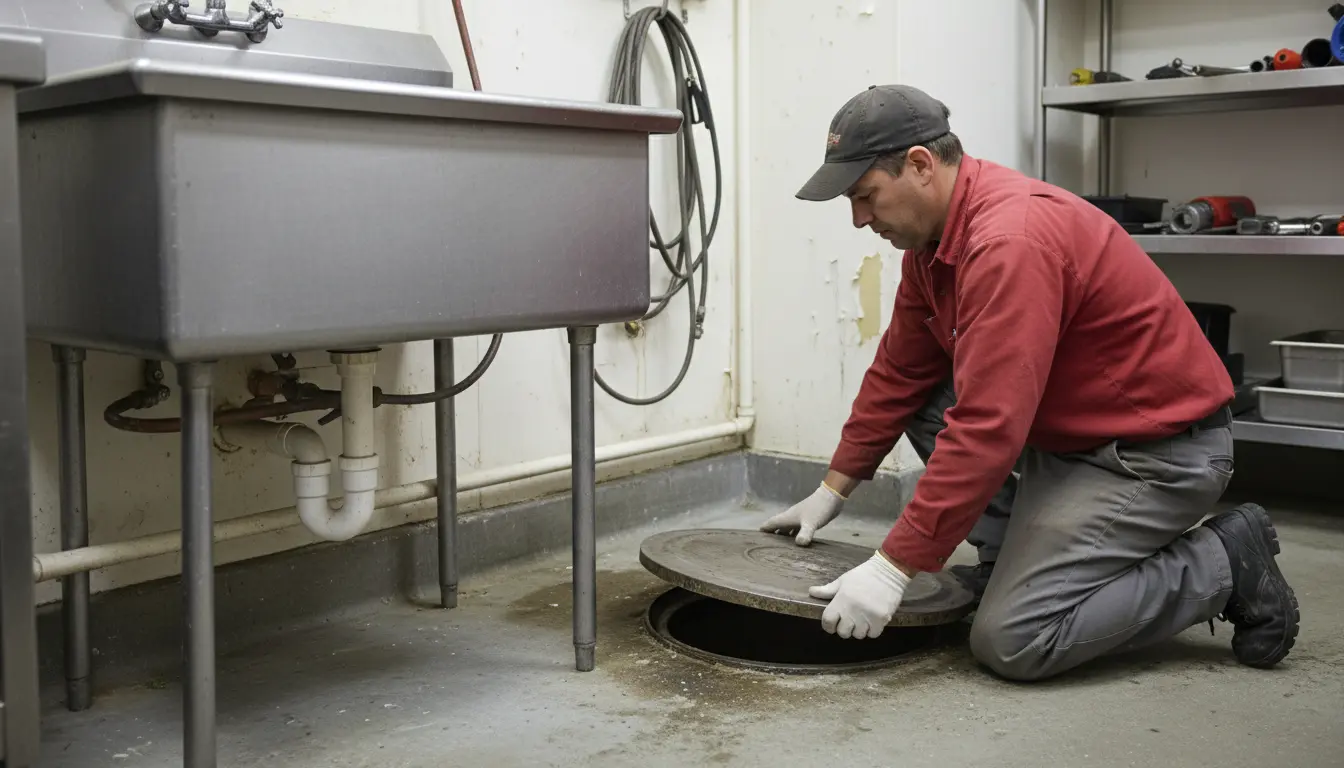
Find the Best Grease Trap Cleaning Companies for Your Business
No obligation • Fast responses • Nationwide coverage

Why you can trust Restaurant Waste Disposal
Restaurant Waste Disposal is a leading U.S. resource for comparing restaurant composting, food-waste recycling, grease trap cleaning, and used cooking oil collection services. Our editorial team researches providers, checks credentials, and organizes unbiased information so operators can make informed decisions. Companies cannot pay to change ratings or placement.
Search providers near you
Top Grease Trap Cleaning Companies in Waltham, Massachusetts Ranked
For every restaurant, café, and food service establishment in Waltham, managing fats, oils, and grease (FOG) is a critical operational and legal requirement. Proper grease interceptor maintenance is not just about preventing clogs; it's a mandatory compliance issue governed by strict state and local regulations. Failing to adhere to these rules can lead to severe sewer backups, environmental harm, and significant fines from the City of Waltham's Board of Health and Inspectional Services Department. This guide outlines the essential knowledge for Waltham food service operators regarding grease trap cleaning, inspection schedules, legal codes, and best practices to keep your business running smoothly and in full compliance.
Understanding and following the guidelines for grease interceptor service protects your investment, your local sewer system, and the broader environment of the Charles River watershed. The regulations stem from the Massachusetts State Plumbing Code (310 CMR 15.230), the Massachusetts Water Resources Authority (MWRA) sewer use rules, and Waltham's own city ordinances. These rules are enforced locally, making it imperative for business owners to partner with knowledgeable, licensed service providers.
Rooterman
Boston, MA
Rooterman is a plumbing and drain cleaning company serving Boston, MA, with over 50 years of experience. They offer a range of services including grease trap cleaning, emergency plumbing, water damage cleanup, and water heater repair and replacement. Rooterman uses advanced techniques such as power drain snakes, high-pressure water jets, and video inspections to locate and resolve plumbing issues efficiently. Their technicians are available for emergencies, including nights, weekends, and holidays.
Elite drains llc
468 Wood Ln, North Andover, MA 01845
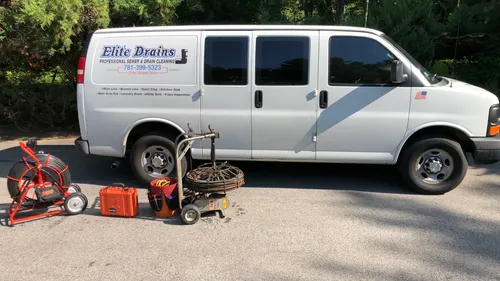
Elite Drains LLC is a drain and sewer cleaning company based in Lawrence, MA, serving the North Shore area and traveling up to 60 miles for clients. They specialize in sewer and drain cleaning, including main line, branch line, and connection plumbing, and offer professional video inspections to assess plumbing conditions. The company provides 24/7 emergency service for both residential and commercial properties, ensuring availability for urgent drain and sewer issues. Their team is fully insured and trained to handle jobs of any size with advanced tools and technology.
Rooter Man
46 Portland St, Lawrence, MA 01843
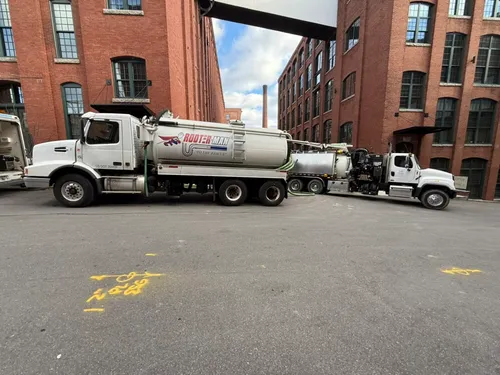
Rooter Man is a service provider based in Lawrence, MA, specializing in commercial and residential septic, sewer, and drain services. They serve Northeast Massachusetts and Southern New Hampshire, offering a wide range of services including grease trap cleaning, high-pressure jetting, video camera inspections up to 36 inches, pipe locating, and septic tank pumping. The company also provides 24/7 emergency rodding services for clogged drains, sewer backups, and septic overflows. Rooter Man supports both homes and businesses such as restaurants and office buildings, with preventive maintenance scheduling available to help maintain systems and prevent issues.
Roto-Rooter Plumbing & Water Cleanup
50 Franklin St #407, Boston, MA 02110
Roto-Rooter Plumbing & Water Cleanup provides comprehensive plumbing and water cleanup services in Boston, MA. They handle a wide range of needs including floodwater cleanup, sewer and drain cleaning, faucet and toilet repairs, water heater services, grease trap maintenance, and mold remediation. Serving both residential and commercial clients, their team is experienced with Boston's unique plumbing challenges, such as older infrastructure and seasonal weather impacts. Founded in 1935, Roto-Rooter offers 24/7 emergency plumbing services, ensuring assistance is available at any time. Their capabilities include high-pressure hydro-jetting for drain cleaning and extensive sewer line repairs.
Roto-Rooter Plumbing & Water Cleanup
175 Maple St, Stoughton, MA 02072
Roto-Rooter Plumbing & Water Cleanup offers comprehensive residential and commercial plumbing services in Brockton, MA. The company specializes in sewer and drain cleaning, grease trap maintenance, water heater repair and installation, and emergency flood and water damage cleanup. They provide 24/7 availability, 365 days a year, to address urgent plumbing issues including sewer backups and burst pipes. Roto-Rooter uses advanced equipment such as high-pressure water jetting (hydro-jetting) and trenchless pipe replacement techniques for efficient sewer line repairs. Serving a broad area around Brockton, they bring extensive experience and local knowledge to their work.
Waltham's Grease Trap Regulations: What You Must Know
In Waltham, grease trap or interceptor installation and maintenance are not optional. Any facility that discharges FOG into the sanitary sewer is required to have an approved pretreatment unit. The specific design and capacity must be approved by the City Plumbing Inspector and must comply with the state's minimum requirements, which often mandate a 24-hour detention capacity and a minimum depth of four feet for larger systems 1. Furthermore, compliance with MWRA regulations (360 CMR 10.016) is essential, as Waltham is within the authority's service area 2.
The cornerstone of local enforcement is the maintenance logbook. The City of Waltham and the Board of Health have the right to inspect your grease interceptor and its associated records at any time. Without proper documentation, your establishment is considered non-compliant, regardless of whether the trap has been serviced.
Mandatory Cleaning Frequency and Inspection Schedules
The rule of thumb for cleaning frequency in Massachusetts is clear: interceptors must be pumped out whenever grease and solids accumulate to 25% of the liquid depth, or at least every three (3) months, whichever comes first 3 4 5. For high-volume kitchens-common in Waltham's vibrant restaurant scene-this often means monthly cleaning for smaller point-of-use traps under sinks.
Establishments must conduct monthly internal inspections. This involves checking for signs of damage, leaks, blockages, and measuring the grease and sludge buildup. These internal checks are your first line of defense against overflows and compliance issues 6 7 8.
The Critical Importance of Maintenance Logs
Your service log is your legal proof of compliance. For every cleaning or pumping service, you must record:
- The date of service.
- The volume of grease, solids, and wastewater removed (in gallons).
- The printed name and signature of the hauler or service technician.
- The disposal method or receiving facility.
This logbook must be kept on-site and made available immediately to health inspectors upon request. Incomplete or missing logs can trigger enforcement actions just as easily as a full, neglected trap.
Consequences of Non-Compliance: Fines and Enforcement
The City of Waltham takes sewer system integrity seriously. Enforcement typically follows a path of education and warnings, but persistent non-compliance leads to fines. These fines can be substantial and are levied as a last resort after attempts to gain voluntary compliance fail 9. Beyond city fines, improper FOG management can cause catastrophic sewer backups in your own establishment or the municipal lines, leading to costly repairs, business interruption, and potential liability.
Find the perfect grease trap cleaning companies for your needs
Get personalized recommendations and expert advice
Understanding Grease Interceptor Service Costs in Waltham
The cost for grease trap pumping and cleaning services in Waltham varies based on the type and size of your interceptor, its location, and the service frequency. Generally, contracted, regular service is more cost-effective than emergency one-off cleanings.
- Indoor Grease Traps (30-200 gallon capacity): For a standard under-sink or in-floor trap, regularly scheduled service typically ranges from $125 to $240 per cleaning. One-time or emergency cleaning for the same unit can cost between $190 and $240.
- Outdoor Grease Interceptors (Large Capacity): Larger in-ground concrete or fiberglass interceptors that service entire facilities have a wider cost range, from $325 to over $1,000 per pumping, depending on size and accessibility 10 11.
Investing in regular maintenance is far less expensive than dealing with the fines, cleanup costs, and reputational damage of a major sewer incident or health code violation.
Choosing a Service Provider: Key Considerations
When selecting a company for grease interceptor maintenance in Waltham, ensure they are fully licensed and insured to operate in Massachusetts. They should be intimately familiar with 310 CMR 15.230, MWRA regulations, and Waltham's local codes. A reputable provider will not only pump the trap but also:
- Perform a thorough inspection of the unit and inlet/outlet lines.
- Provide a detailed, professional service ticket that includes all information required for your logbook.
- Properly dispose of the collected FOG at a licensed facility, often for recycling into biofuels.
- Offer advice on best kitchen practices to reduce grease load.
Best Practices to Extend Service Intervals
While cleaning is mandatory, you can influence how quickly your trap fills. Implementing simple kitchen practices can improve efficiency and reduce costs:
- Scrape, Don't Rinse: Scrape all food scraps into compost or trash before washing dishes.
- Use Strainers: Place strainers in all sink drains to catch solids.
- Dry Wipe: Use paper towels to wipe down greasy pots, pans, and surfaces before washing.
- Educate Staff: Ensure all kitchen staff understand the importance of keeping FOG out of the drains.
The Environmental Impact in Waltham
Proper FOG management has a direct positive impact on Waltham's environment. When grease enters the sewer system, it cools and solidifies, creating "fatbergs" that block pipes. This can lead to sanitary sewer overflows (SSOs), where untreated wastewater discharges into streets, basements, and local waterways like the Charles River. By maintaining your grease interceptor, you are directly contributing to the health of the local ecosystem and reducing the burden on the city's wastewater treatment infrastructure.
Frequently asked questions
Sources
Footnotes
-
310 CMR, § 15.230 - Pretreatment Units - Grease Traps - https://www.law.cornell.edu/regulations/massachusetts/310-CMR-15-230 ↩
-
City of Waltham, MA Prohibited Discharges - eCode360 - https://ecode360.com/26935475 ↩
-
Commercial Kitchen Grease Trap Guidelines | Boston Water and ... - https://www.bwsc.org/business-customers/programs-guidelines-assistance/commercial-kitchen-grease-trap-guidelines ↩
-
Nonresidential Septic System Users - Mass.gov - https://www.mass.gov/guides/nonresidential-septic-system-users ↩
-
Massachusetts Codes and Regulations Regarding Grease Traps - FGT - https://foodgreasetrappers.com/2021/03/massachusetts-codes-and-regulations-regarding-grease-traps/ ↩
-
The Ultimate Guide to Restaurant Grease Trap Cleaning - https://mokherplumbing.com/ultimate-guide-restaurant-grease-trap-cleaning/ ↩
-
Commercial Kitchen Grease Trap Guidelines - https://www.bwsc.org/sites/default/files/2019-01/commercial_kitchen_grease_trap_guidelines.pdf ↩
-
Grease Trap Regulations - Millis MA | - https://www.millisma.gov/board-health/files/grease-trap-regulations ↩
-
Massachusetts Restaurant Facing Grease Trap Pumping Fines - https://replaceyourgarbagedisposal.com/grease-trap-pumping/massachusetts-restaurant-facing-fines-over-grease-trap-pumping/ ↩
-
Grease Trap Cleaning Prices | Guide on the Industry Average - https://grease-cycle.com/grease-trap-pumping-cost/ ↩
-
Grease Trap Pumping Cost vs. Grease Trap Maintenance Cost - https://www.stateindustrial.com/video/cost-comparison-pumping-v-chemicals-to-maintain-a-grease-trap/ ↩