
Find the Best Grease Trap Cleaning Companies for Your Business
No obligation • Fast responses • Nationwide coverage

Why you can trust Restaurant Waste Disposal
Restaurant Waste Disposal is a leading U.S. resource for comparing restaurant composting, food-waste recycling, grease trap cleaning, and used cooking oil collection services. Our editorial team researches providers, checks credentials, and organizes unbiased information so operators can make informed decisions. Companies cannot pay to change ratings or placement.
Search providers near you
Top Grease Trap Cleaning Companies in Somerville, Massachusetts Ranked
For restaurant owners and property managers in Somerville, proper grease interceptor maintenance is a critical operational and legal responsibility. The City of Somerville enforces strict local and state regulations to manage Fats, Oils, and Grease (FOG), protecting the municipal sewer system from blockages and costly overflows. Compliance isn't optional; it involves scheduled cleanings by licensed haulers, meticulous record-keeping, and adherence to specific installation and maintenance protocols. Failure to comply can result in significant fines, mandated system upgrades, and the far higher costs of emergency service. This guide outlines the essential requirements and best practices for effective grease management in Somerville's vibrant food service scene.
Rooterman
Boston, MA
Rooterman is a plumbing and drain cleaning company serving Boston, MA, with over 50 years of experience. They offer a range of services including grease trap cleaning, emergency plumbing, water damage cleanup, and water heater repair and replacement. Rooterman uses advanced techniques such as power drain snakes, high-pressure water jets, and video inspections to locate and resolve plumbing issues efficiently. Their technicians are available for emergencies, including nights, weekends, and holidays.
Elite drains llc
468 Wood Ln, North Andover, MA 01845
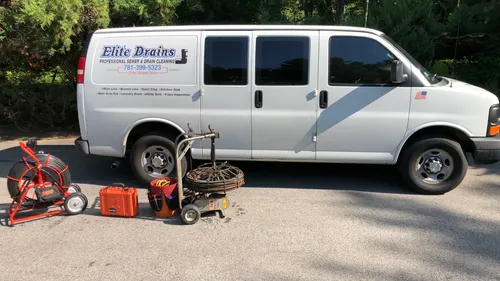
Elite Drains LLC is a drain and sewer cleaning company based in Lawrence, MA, serving the North Shore area and traveling up to 60 miles for clients. They specialize in sewer and drain cleaning, including main line, branch line, and connection plumbing, and offer professional video inspections to assess plumbing conditions. The company provides 24/7 emergency service for both residential and commercial properties, ensuring availability for urgent drain and sewer issues. Their team is fully insured and trained to handle jobs of any size with advanced tools and technology.
Rooter Man
46 Portland St, Lawrence, MA 01843
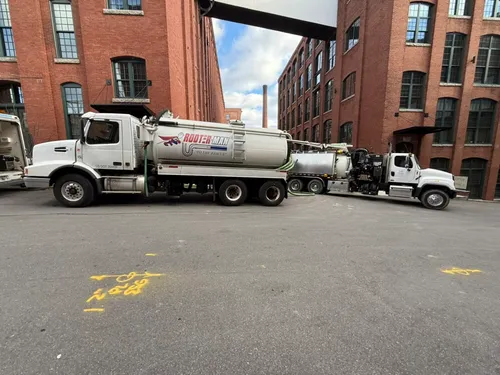
Rooter Man is a service provider based in Lawrence, MA, specializing in commercial and residential septic, sewer, and drain services. They serve Northeast Massachusetts and Southern New Hampshire, offering a wide range of services including grease trap cleaning, high-pressure jetting, video camera inspections up to 36 inches, pipe locating, and septic tank pumping. The company also provides 24/7 emergency rodding services for clogged drains, sewer backups, and septic overflows. Rooter Man supports both homes and businesses such as restaurants and office buildings, with preventive maintenance scheduling available to help maintain systems and prevent issues.
Roto-Rooter Plumbing & Water Cleanup
50 Franklin St #407, Boston, MA 02110
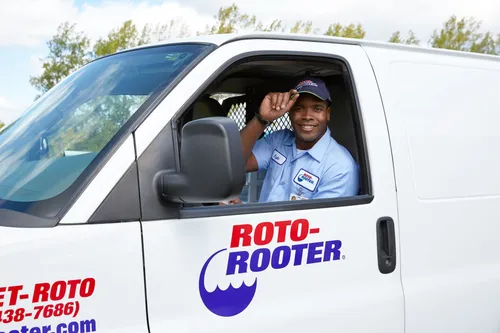
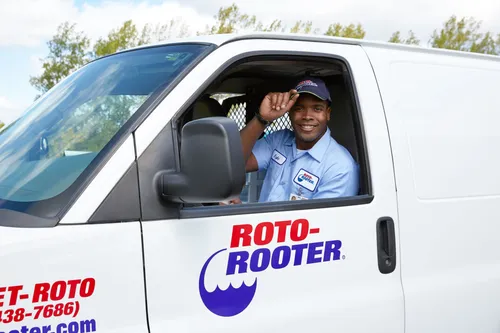
Roto-Rooter Plumbing & Water Cleanup provides comprehensive plumbing and water cleanup services in Boston, MA. They handle a wide range of needs including floodwater cleanup, sewer and drain cleaning, faucet and toilet repairs, water heater services, grease trap maintenance, and mold remediation. Serving both residential and commercial clients, their team is experienced with Boston's unique plumbing challenges, such as older infrastructure and seasonal weather impacts. Founded in 1935, Roto-Rooter offers 24/7 emergency plumbing services, ensuring assistance is available at any time. Their capabilities include high-pressure hydro-jetting for drain cleaning and extensive sewer line repairs.
Roto-Rooter Plumbing & Water Cleanup
175 Maple St, Stoughton, MA 02072
Roto-Rooter Plumbing & Water Cleanup offers comprehensive residential and commercial plumbing services in Brockton, MA. The company specializes in sewer and drain cleaning, grease trap maintenance, water heater repair and installation, and emergency flood and water damage cleanup. They provide 24/7 availability, 365 days a year, to address urgent plumbing issues including sewer backups and burst pipes. Roto-Rooter uses advanced equipment such as high-pressure water jetting (hydro-jetting) and trenchless pipe replacement techniques for efficient sewer line repairs. Serving a broad area around Brockton, they bring extensive experience and local knowledge to their work.
Understanding Somerville's FOG Regulations
Somerville's FOG program is designed to prevent sewer line blockages and backups, which can cause environmental damage and public health issues. The regulations are based on the Massachusetts state code, specifically 310 CMR 15.351, but with local enforcement through the Somerville Board of Health (BOH) 1. Any food service establishment that discharges grease-laden wastewater is required to install and maintain an appropriately sized grease removal device, commonly called a grease trap or interceptor.
The Board of Health is the primary oversight body. They conduct inspections, review maintenance logs, and have the authority to issue fines or mandate more frequent cleaning schedules if violations are found. The goal is proactive prevention, and the regulations provide a clear framework to help businesses avoid the severe consequences of non-compliance, which extend beyond fines to include potential operational shutdowns and reputational damage.
Key Requirements for Compliance
Staying compliant involves more than just occasionally pumping out your trap. Somerville's guidelines specify detailed rules for sizing, installation, maintenance procedures, and documentation.
Proper Grease Interceptor Sizing and Installation
An undersized trap is a common cause of immediate failure. In Somerville, grease interceptors must be sized to handle the flow rate of the connected fixtures, with a common standard being a capacity to handle 2 pounds of grease per gallon per minute (GPM) of flow. The trap must also be at least 40% of the total fixture capacity it serves 2. Installation must be on a compacted base with crushed stone and must be easily accessible for service and inspection-poor placement can lead to skipped maintenance and violations 3.
Strict Maintenance and Pumping Schedules
The cornerstone of compliance is a regular maintenance schedule. The owner/operator is required to inspect the grease interceptor monthly 4. Professional pumping by a licensed hauler must occur at least every three months (quarterly) for large interceptors 5. However, the rule is "whichever comes first": if grease and solids accumulate to 25% of the liquid depth before the quarterly date, it must be pumped immediately 4 6. High-volume establishments like busy pizzerias or diners may require service as often as daily to stay within limits 7.
Prohibited Practices: The Chemical Ban
A crucial rule for Somerville businesses is the strict prohibition of using chemicals to treat grease. This includes bleach, emulsifiers, enzymes, or solvents designed to "dissolve" grease 8. These substances may appear to clean the trap, but they simply pass the grease downstream where it re-solidifies, causing blockages in the city's sewer mains. Compliance means mechanical removal of FOG through pumping and scraping only.
Mandatory Documentation and Record-Keeping
You must prove your compliance. The Board of Health requires establishments to maintain detailed logs on-site, typically for three years. These logs must include:
- Dates and results of monthly inspections.
- Dates of every pumping/service event.
- The name of the licensed hauler who performed the service.
- The volume of waste removed.
- The disposal location (receipts from the hauler). During an inspection, a BOH agent will request these records. Incomplete or missing logs can be grounds for a violation as serious as having an overfull trap.
The Cost of Compliance vs. Non-Compliance
Investing in regular maintenance is far more economical than facing the consequences of neglect. Costs for grease trap services in Somerville align with regional averages and are influenced by the size of the unit and the frequency of service.
Preventative, Scheduled Pumping: For a regularly maintained indoor grease trap, routine pumping costs typically range from $175 to $475 per service. Larger exterior interceptors may cost $250 to $400 or more for a standard quarterly cleanout.
Emergency Service: If a trap overflows, causes a backup, or is discovered to be in violation during a health inspection, the cost for emergency service skyrockets. Emergency cleaning can range from $800 to $1,200 or more, not including any fines or repair costs for damaged plumbing 9 10.
Fines and Mandated Upgrades: The Board of Health can levy fines for violations of the FOG regulations 11. Furthermore, if a system is consistently non-compliant, the BOH can mandate costly upgrades to the interceptor itself or require a much more frequent (and expensive) pumping schedule 12.
Find the perfect grease trap cleaning companies for your needs
Get personalized recommendations and expert advice
Best Practices for Effective Grease Management
Beyond meeting the legal minimums, adopting these operational habits will extend the life of your equipment and simplify compliance.
Pre-Scrape and Dry Wipe: The first line of defense is in the kitchen. Train staff to scrape food scraps into compost or trash bins and to dry-wipe pots, pans, and dishes before they enter the sink. This significantly reduces the solid load entering the trap.
Proper In-House Maintenance: During the required monthly inspection, don't just look at the grease level. Scrape down the walls and baffles, remove any large solids, and flush the unit with water to check for proper drainage 13. This helps maintain efficiency between professional pumpings.
Choose a Licensed and Reputable Hauler: Your service provider is a key partner. Ensure they are licensed to operate in Massachusetts and can provide detailed service reports and waste manifests. These documents are essential for your compliance logs. A good hauler can also advise you if your service frequency is adequate for your volume.
Understand Your System's Capacity: Know the size (in gallons) of your grease interceptor and its location. Track how quickly it fills to 25% capacity. This data will help you and your hauler determine if the quarterly schedule is sufficient or if you need more frequent service to avoid violations.
Navigating Board of Health Inspections
A BOH inspection focused on FOG compliance is a routine part of operating a food service business in Somerville. Being prepared can make the process smooth.
- Have Logs Ready: Keep your inspection and pumping logs in a dedicated, easily accessible binder.
- Ensure Accessibility: Make sure the inspector has clear, safe access to the grease interceptor.
- Ask Questions: If an inspector notes a concern or recommends a change, ask for clarification. It's an opportunity to correct issues proactively.
- Respond Promptly to Violations: If you receive a violation notice, address it immediately. Schedule the required service and submit proof of correction to the BOH by their deadline to avoid escalating fines.
The Environmental and Community Impact
Compliance with grease trap regulations is not just a bureaucratic hurdle. It directly protects Somerville's infrastructure and environment. When FOG enters sewers, it combines with other debris to form massive "fatbergs" that block pipes, leading to sewage overflows into basements, streets, and local waterways like the Mystic River. By properly maintaining your grease interceptor, you contribute to the city's broader public health and environmental sustainability goals, ensuring the community's sewer system functions reliably for everyone.
Frequently asked questions
Sources
Footnotes
-
The Essential Guide to Grease Trap Cleaning for Restaurants and Property Managers - https://filtakleenco.com/essential-guide-to-grease-trap-cleaning/ ↩
-
Regulation of Fats, Oils, and Greases (FOG) | City of Somerville - https://www.somervillema.gov/fog ↩
-
Commercial Kitchen Grease Trap Guidelines | Boston Water and Sewer Commission - https://www.bwsc.org/business-customers/programs-guidelines-assistance/commercial-kitchen-grease-trap-guidelines ↩
-
CITY OF SOMERVILLE, MASSACHUSETTS - Amazon S3 - https://s3.amazonaws.com/somervillema-live/s3fs-public/FOG-information-for-Operators.pdf ↩ ↩2
-
310 CMR, § 15.351 - System Pumping and Routine Maintenance - https://www.law.cornell.edu/regulations/massachusetts/310-CMR-15-351 ↩
-
Grease Trap Regulations and Compliance: What You Need to Know - https://www.texwaywastewater.com/grease-trap-regulations-and-compliance/ ↩
-
Massachusetts Codes and Regulations Regarding Grease Traps - FGT - https://foodgreasetrappers.com/2021/03/massachusetts-codes-and-regulations-regarding-grease-traps/ ↩
-
Fats, OH and Grease Pretreatment Guidelines Somerville, MA Pa.rt 1 - https://s3.amazonaws.com/somervillema-live/s3fs-public/fats-oils-grease-regulations.pdf ↩
-
Ultimate Grease Trap Pumping Cost Guide: Essential Money-Saving ... - https://www.texwaywastewater.com/grease-trap-pumping-cost/ ↩
-
Restaurant Grease Trap & Interceptor Cleaning Cost - https://greasemanagement.org/pricing.html ↩
-
Massachusetts Restaurant Facing Grease Trap Pumping Fines - https://replaceyourgarbagedisposal.com/grease-trap-pumping/massachusetts-restaurant-facing-fines-over-grease-trap-pumping/ ↩
-
Grease Trap Regulations - Millis MA | - https://www.millisma.gov/board-health/files/grease-trap-regulations ↩
-
Grease Trap Cleaning and Maintenance Services - Service Pumping and Drain Co., Inc.™ - https://www.servicepumpingdrain.com/services/grease-trap-maintenance/ ↩