Find the Best Grease Trap Cleaning Companies for Your Business
No obligation • Fast responses • Nationwide coverage

Why you can trust Restaurant Waste Disposal
Restaurant Waste Disposal is a leading U.S. resource for comparing restaurant composting, food-waste recycling, grease trap cleaning, and used cooking oil collection services. Our editorial team researches providers, checks credentials, and organizes unbiased information so operators can make informed decisions. Companies cannot pay to change ratings or placement.
Search providers near you
Top Grease Trap Cleaning Companies in Pittsfield, Massachusetts Ranked
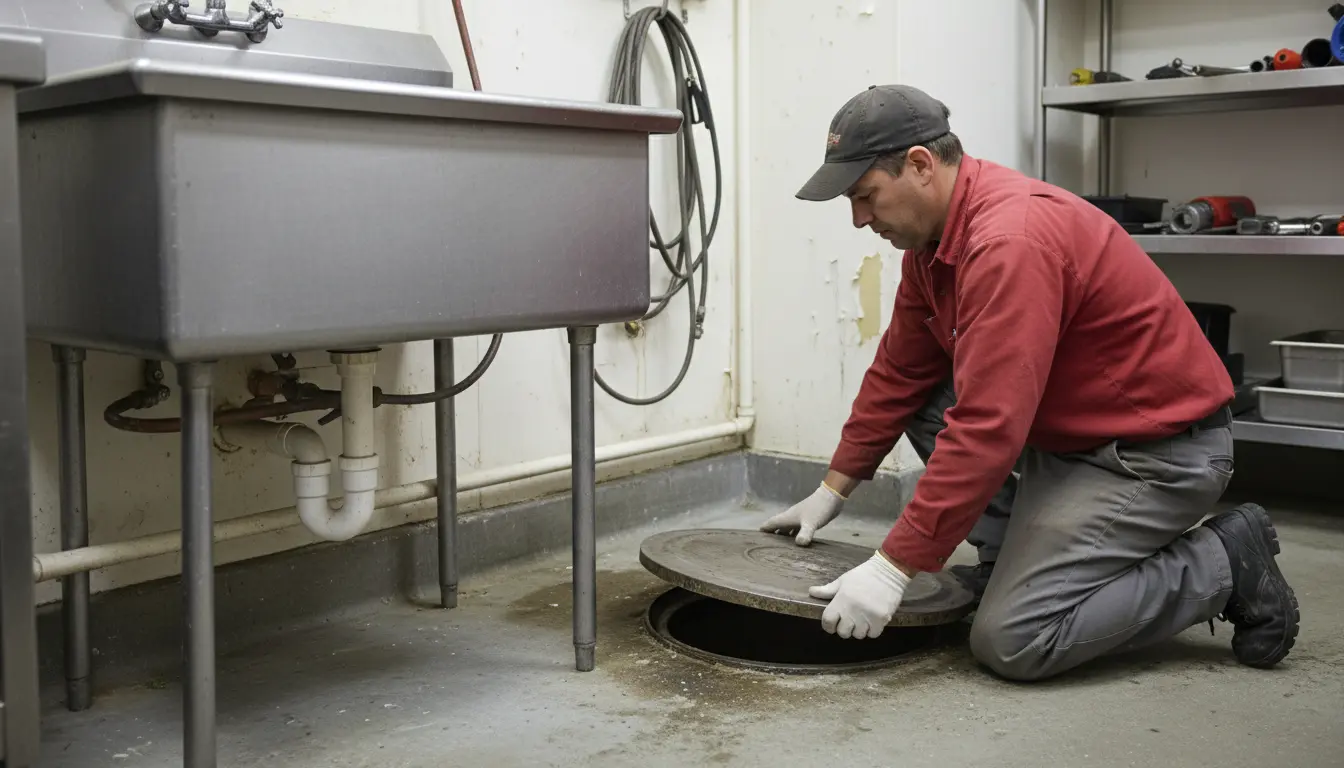
For restaurant owners and food service operators in Pittsfield, maintaining a compliant and efficient grease trap system is a critical, non-negotiable aspect of daily operations. The local Board of Health enforces strict state regulations designed to protect the city's sewer infrastructure from costly and disruptive blockages caused by fats, oils, and grease (FOG). Proactive, scheduled grease interceptor maintenance is not just a legal requirement; it's a smart business practice that prevents emergency shutdowns, avoids significant fines, and ensures your establishment runs smoothly. This guide outlines the essential regulations, best practices, and cost considerations for effective FOG management in Pittsfield.
Understanding and adhering to the specific codes is the first step toward compliance. In Massachusetts, all grease trap and interceptor systems must conform to the state's environmental code, specifically 310 CMR 15.230 1 2. This regulation sets the standard for design, installation, and maintenance that local boards, like Pittsfield's, enforce. Key design mandates include minimum capacity requirements (often 1,000 gallons or more for larger establishments) and proper access points via manholes for thorough cleaning 3 4. The most critical maintenance rule is the "one-quarter full" guideline: traps must be pumped out by a licensed hauler before the combined FOG and solid layer reaches 25% of the liquid depth 1 5. It is strictly prohibited to use emulsifiers, enzymes, or other chemicals to dissolve grease as a bypass to physical removal, as these substances simply pass the problem downstream 3 2.
Local Enforcement and Inspection Protocols
The Pittsfield Board of Health (BOH) is the primary authority responsible for ensuring food service facilities comply with these state grease trap regulations. Health inspectors or their designated agents conduct regular inspections, which can occur monthly for high-volume producers or quarterly for others 6. During an inspection, you will be required to present detailed service records. These records must include the date of service, the name of the licensed hauler, the volume of waste removed, and the disposal location. Keeping this documentation organized and readily available is paramount. Non-compliance during an inspection-such as an overfull trap, missing records, or evidence of chemical bypass-can trigger enforcement actions. These actions typically begin with a notice of violation and can escalate to substantial fines and penalties if not corrected promptly 6.
Scheduling and Service Frequency
Determining the right pumping schedule for your establishment is essential for both compliance and cost control. The required frequency is not one-size-fits-all; it depends entirely on your kitchen's grease production volume. A high-turnover restaurant or a pizzeria with significant fryer use will likely require monthly grease interceptor service 7. A lower-volume cafe or bakery may find that quarterly cleanings are sufficient. The best practice is to work with your licensed service provider to establish an initial schedule based on your operations and then adjust it based on the condition of the trap at each service. Adhering to a preventive maintenance schedule is far more reliable than waiting for the trap to hit the 1/4-full mark, as it prevents emergencies and keeps costs predictable.
Understanding Service Costs and Value
Investing in regular grease trap maintenance is a definitive cost-saving strategy. The price for scheduled pumping of a standard 1,000 to 1,500-gallon interceptor in the Massachusetts area typically ranges from $250 to $400 per service 8 9. This cost covers the labor, equipment, and proper disposal of the FOG waste at a licensed facility. In stark contrast, emergency service calls-required when a trap is severely clogged or backing up-can cost between $800 and $1,200 or more due to after-hours premiums and the increased labor involved 8 10. When you factor in the potential for a BOH fine, which can amount to hundreds of dollars per violation, and the lost revenue from an unexpected kitchen closure, the value of a scheduled maintenance contract becomes overwhelmingly clear. Consistent service extends the life of your plumbing system and prevents the much higher expenses associated with sewer line repairs or replacements caused by grease blockages.
Find the perfect grease trap cleaning companies for your needs
Get personalized recommendations and expert advice
Choosing a Licensed Service Provider in Pittsfield
Not all waste haulers are authorized to service grease traps in Pittsfield. It is imperative to hire a hauler licensed by the local Board of Health to ensure they meet all regulatory standards for waste handling and disposal. When evaluating providers, look for companies with a strong reputation for reliability and detailed record-keeping. They should provide you with a comprehensive service report after each cleaning that you can file for inspections. Before signing a contract, obtain quotes from several licensed haulers. Discuss your specific operation volume, trap size, and location to get an accurate estimate for a regular service plan. A reputable provider will also offer guidance on best practices for your kitchen staff, such as proper scraping of dishes and the use of drain screens, to minimize grease entering the system between professional cleanings.
Best Practices for In-House Maintenance
While professional pumping is mandatory, daily kitchen practices play a huge role in the effectiveness of your grease management system. Staff training is the first line of defense. Implement a "scrape, screen, and dry-wipe" policy: all dishes, pots, and pans should be scraped into a trash bin before rinsing, sink drains should be fitted with baskets to catch food solids, and fryer grease should never be poured down any drain. Regularly inspect and clean the grease trap baffles and inlet/outlet tees if it is within your staff's capability and safety protocols. Maintaining a simple logbook of these daily and weekly checks can demonstrate proactive management to a health inspector. These practices reduce the load on your interceptor, potentially extending the time between required pump-outs and lowering your annual service costs.
Navigating Compliance and Record-Keeping
Full compliance is an ongoing process. Your first action should be to contact the Pittsfield Board of Health directly to confirm any local forms or specific procedural requirements beyond the state code. Once you have a licensed hauler on a regular schedule, create a dedicated compliance binder. This binder should contain your hauler contract, every service receipt/report, your in-house maintenance logs, and a copy of the relevant regulations (310 CMR 15.230). During an inspection, present this binder immediately. If you receive a notice of violation, address it with your hauler and the BOH without delay to prevent fines from escalating. Proactive communication with both your service provider and the health department is the best way to ensure your restaurant remains in good standing, avoiding the headaches and financial strain of non-compliance.
Frequently asked questions
Sources
Footnotes
-
Grease Trap Regulations - Millis MA | - https://www.millisma.gov/board-health/files/grease-trap-regulations ↩ ↩2
-
310 CMR, § 15.230 - Pretreatment Units - Grease Traps - https://www.law.cornell.edu/regulations/massachusetts/310-CMR-15-230 ↩ ↩2
-
Massachusetts Codes and Regulations Regarding Grease ... - https://foodgreasetrappers.com/2021/03/massachusetts-codes-and-regulations-regarding-grease-traps/ ↩ ↩2
-
Grease Trap Cleaning and Maintenance Services - Service ... - https://www.servicepumpingdrain.com/services/grease-trap-maintenance/ ↩
-
How to Clean a Grease Trap (and How Often You Should) - https://greaseconnections.com/how-to-clean-a-grease-trap-and-how-often-you-should/ ↩
-
Grease Trap Regulations and Compliance: What You Need to Know - https://www.texwaywastewater.com/grease-trap-regulations-and-compliance/ ↩ ↩2
-
Massachusetts Restaurant Facing Grease Trap Pumping Fines - https://replaceyourgarbagedisposal.com/grease-trap-pumping/massachusetts-restaurant-facing-fines-over-grease-trap-pumping/ ↩
-
Ultimate Grease Trap Pumping Cost Guide: Essential Money-Saving ... - https://www.texwaywastewater.com/grease-trap-pumping-cost/ ↩ ↩2
-
Grease Trap Cleaning Prices | Guide on the Industry Average - https://grease-cycle.com/grease-trap-pumping-cost/ ↩
-
Massachusetts Septage Management Study - Mass.gov - https://www.mass.gov/doc/pfas-and-residuals-technology-and-management-study-part-2-technical-memorandum/download ↩