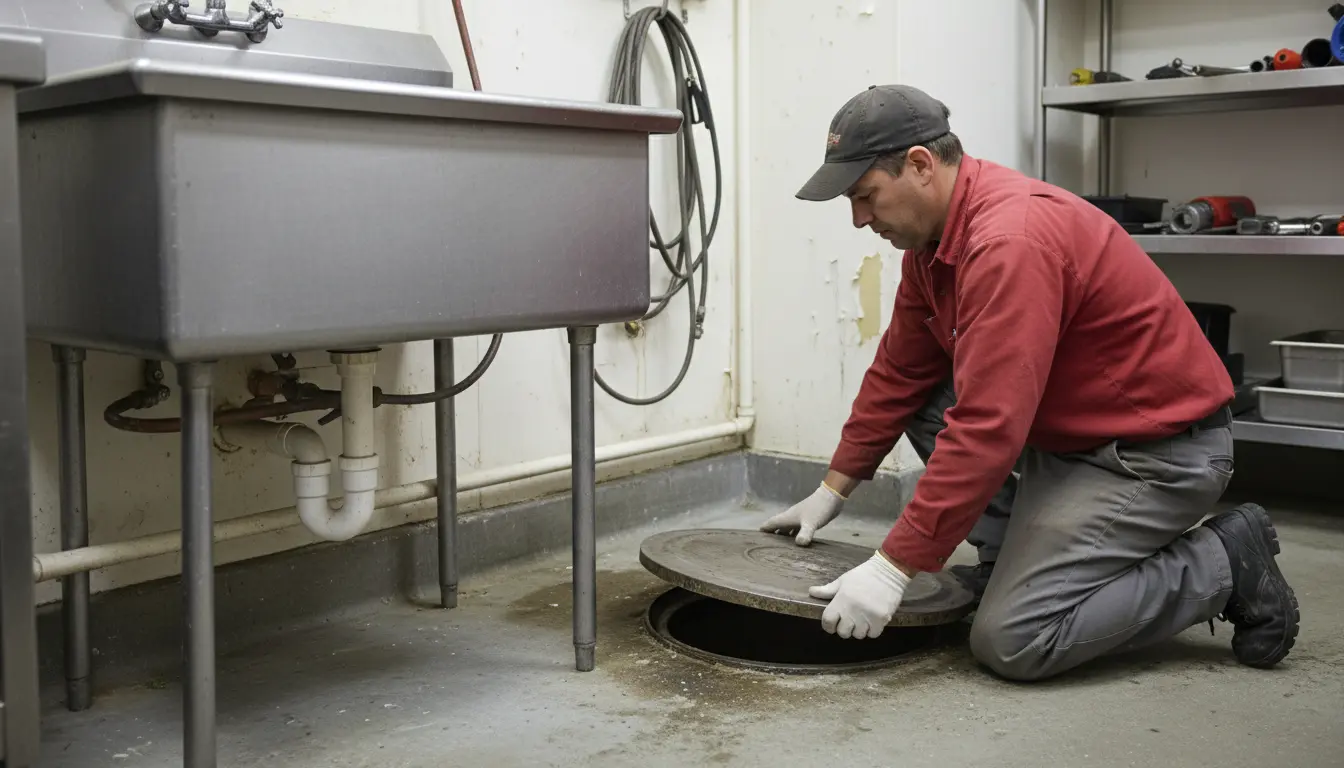
Find the Best Grease Trap Cleaning Companies for Your Business
No obligation • Fast responses • Nationwide coverage

Why you can trust Restaurant Waste Disposal
Restaurant Waste Disposal is a leading U.S. resource for comparing restaurant composting, food-waste recycling, grease trap cleaning, and used cooking oil collection services. Our editorial team researches providers, checks credentials, and organizes unbiased information so operators can make informed decisions. Companies cannot pay to change ratings or placement.
Search providers near you
Top Grease Trap Cleaning Companies in Malden, Massachusetts Ranked
For any restaurant or food service establishment in Malden, managing fats, oils, and grease (FOG) is a critical operational and legal requirement. Proper grease trap and interceptor maintenance is not just about preventing clogs; it's a mandated part of local and state health codes designed to protect the city's sewer infrastructure. The Malden Board of Health enforces strict regulations, which align with Massachusetts state law, requiring regular pumping, detailed record-keeping, and the use of licensed haulers. Failure to comply can lead to significant fines, sewer backups, and operational disruptions. This guide outlines the essential knowledge for maintaining compliance and ensuring your kitchen runs smoothly.
Rooterman
Boston, MA
Rooterman is a plumbing and drain cleaning company serving Boston, MA, with over 50 years of experience. They offer a range of services including grease trap cleaning, emergency plumbing, water damage cleanup, and water heater repair and replacement. Rooterman uses advanced techniques such as power drain snakes, high-pressure water jets, and video inspections to locate and resolve plumbing issues efficiently. Their technicians are available for emergencies, including nights, weekends, and holidays.
Elite drains llc
468 Wood Ln, North Andover, MA 01845
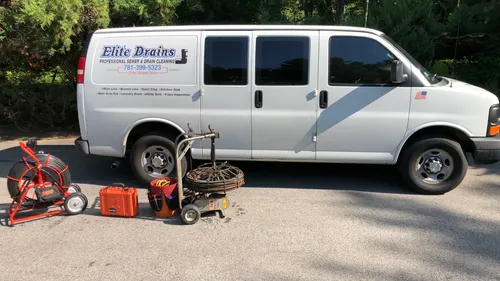
Elite Drains LLC is a drain and sewer cleaning company based in Lawrence, MA, serving the North Shore area and traveling up to 60 miles for clients. They specialize in sewer and drain cleaning, including main line, branch line, and connection plumbing, and offer professional video inspections to assess plumbing conditions. The company provides 24/7 emergency service for both residential and commercial properties, ensuring availability for urgent drain and sewer issues. Their team is fully insured and trained to handle jobs of any size with advanced tools and technology.
Rooter Man
46 Portland St, Lawrence, MA 01843
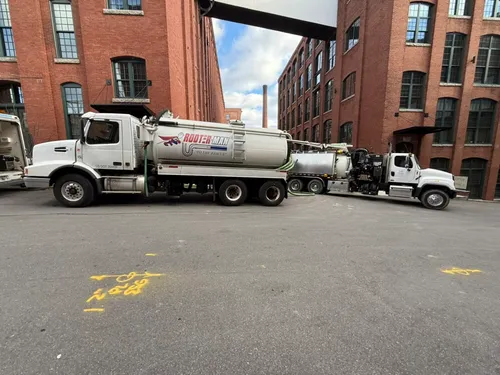
Rooter Man is a service provider based in Lawrence, MA, specializing in commercial and residential septic, sewer, and drain services. They serve Northeast Massachusetts and Southern New Hampshire, offering a wide range of services including grease trap cleaning, high-pressure jetting, video camera inspections up to 36 inches, pipe locating, and septic tank pumping. The company also provides 24/7 emergency rodding services for clogged drains, sewer backups, and septic overflows. Rooter Man supports both homes and businesses such as restaurants and office buildings, with preventive maintenance scheduling available to help maintain systems and prevent issues.
Roto-Rooter Plumbing & Water Cleanup
50 Franklin St #407, Boston, MA 02110
Roto-Rooter Plumbing & Water Cleanup provides comprehensive plumbing and water cleanup services in Boston, MA. They handle a wide range of needs including floodwater cleanup, sewer and drain cleaning, faucet and toilet repairs, water heater services, grease trap maintenance, and mold remediation. Serving both residential and commercial clients, their team is experienced with Boston's unique plumbing challenges, such as older infrastructure and seasonal weather impacts. Founded in 1935, Roto-Rooter offers 24/7 emergency plumbing services, ensuring assistance is available at any time. Their capabilities include high-pressure hydro-jetting for drain cleaning and extensive sewer line repairs.
Roto-Rooter Plumbing & Water Cleanup
175 Maple St, Stoughton, MA 02072
Roto-Rooter Plumbing & Water Cleanup offers comprehensive residential and commercial plumbing services in Brockton, MA. The company specializes in sewer and drain cleaning, grease trap maintenance, water heater repair and installation, and emergency flood and water damage cleanup. They provide 24/7 availability, 365 days a year, to address urgent plumbing issues including sewer backups and burst pipes. Roto-Rooter uses advanced equipment such as high-pressure water jetting (hydro-jetting) and trenchless pipe replacement techniques for efficient sewer line repairs. Serving a broad area around Brockton, they bring extensive experience and local knowledge to their work.
Understanding Local and State Regulations
Navigating the regulatory landscape is the first step to effective grease management. In Malden, you must comply with both the Massachusetts State Plumbing Code, specifically 310 CMR 15.230, and the local ordinances enforced by the Malden Board of Health.
The state code sets the baseline requirements for grease interceptors. It mandates that these devices must have a minimum liquid depth of 4 feet, a capacity of at least 1,000 gallons, and provide a minimum of 24 hours of detention time for wastewater 1 2. For ongoing maintenance, the rule requires that traps be cleaned when the grease and solids accumulate to 25% of the liquid depth or at least every three months, whichever comes first 1 3.
Locally, the Malden Board of Health incorporates these state rules into its own regulations 4. Their oversight ensures that all food establishments have properly sized and located grease traps, often required for operations with three-compartment sinks. The Board emphasizes that permits for food establishments are contingent on demonstrating a compliant FOG control program. For complex projects or plans, the Board reserves the right to engage an outside engineering consultant for review, with the cost borne by the applicant 4.
The Critical Importance of Regular Maintenance
Why is such a strict schedule enforced? Grease trap servicing prevents FOG from entering the public sewer lines. When grease cools, it solidifies, creating blockages that can lead to costly and unsanitary sewer overflows-a problem for both your business and the community. The Boston Water and Sewer Commission (BWSC), whose guidelines are often referenced in the region, sets a strict limit for FOG discharge at under 100 mg/L and discourages the use of chemical additives that merely emulsify grease, passing the problem downstream 5 6.
Beyond avoiding violations, consistent maintenance extends the life of your grease interceptor, prevents foul odors, and reduces the likelihood of needing emergency, high-cost pumping services. A well-maintained system is a hallmark of a professionally run kitchen.
Establishing a Compliant Service and Record-Keeping Routine
Compliance is demonstrated through action and documentation. Here's a practical routine to follow:
- Monthly Inspections: It is highly recommended that you or your staff visually inspect the grease trap monthly to check the accumulation level. This proactive check helps you schedule cleanings before hitting the 25% threshold 7.
- Professional Pumping: Cleaning must be performed by a licensed waste hauler. These professionals pump out the full contents of the trap-grease, solids, and wastewater-for proper disposal at a licensed facility.
- Meticulous Records: This is non-negotiable. After each service, you must obtain a detailed receipt or manifest from the hauler. The Malden Board of Health requires these records to be kept on-site in a dedicated log or binder, readily available for inspection. The record should include the date, company name, volume removed, and the disposal facility used.
Find the perfect grease trap cleaning companies for your needs
Get personalized recommendations and expert advice
Cost Factors for Grease Trap Cleaning Services
The cost for grease interceptor pumping in Malden varies based on several key factors. Understanding these can help you budget effectively and avoid surprise expenses.
- Trap Size and Location: A small, indoor grease trap under a sink is less expensive to service than a large, buried outdoor interceptor, which requires more labor and equipment.
- Maintenance Level: The most significant cost driver is the condition of your trap. A regularly maintained trap on a preventative schedule is far less expensive to service.
- Frequency and Volume: How often you need service and how much FOG is collected impacts the price.
Based on industry estimates and local service provider data, here is a general cost range for the Malden area 8 9 10 11:
- Routine Preventative Cleaning: For a well-maintained trap cleaned on a regular schedule (monthly or quarterly), costs typically range from $175 to $400+ per service visit.
- Neglected or Emergency Cleaning: If a trap is severely clogged or requires emergency service outside normal hours, prices can jump to $800 to $1,200 or more.
Investing in routine maintenance is unequivocally the most cost-effective strategy, preventing higher emergency fees and potential fines from the Board of Health.
Best Practices for Kitchen Staff Training
Technology and service contracts are only part of the solution. Your staff plays a vital role in grease management. Implement these practices to reduce the load on your trap:
- Scrape, Don't Rinse: All food solids should be scraped into compost or trash bins before warewashing.
- Use Drain Screens: Install and clean screens in all sink drains to catch solids.
- No Grease Down the Drain: Never pour used cooking oil, grease, or fatty liquids down any drain. Collect them in sealed containers for proper recycling or disposal by your hauler.
- Avoid Chemical "Solutions": Do not use enzyme or chemical treatments that claim to dissolve grease. These often violate local guidelines (like BWSC's) as they don't remove FOG; they just break it into smaller particles that can re-coagulate farther down the sewer line 12.
Steps to Ensure Your Malden Business is Compliant
- Review Your System: Confirm the size, type, and location of your grease trap or interceptor. Ensure it meets the minimum state standards.
- Hire a Licensed Professional: Contract with a reputable, licensed grease hauler familiar with Massachusetts and Malden-specific regulations. They should provide detailed service manifests.
- Create a Documentation Binder: Dedicate a binder solely for grease trap records, including all pump-out manifests and any inspection notes. Keep it accessible.
- Train Your Team: Conduct regular training with kitchen staff on proper FOG disposal practices.
- Consult the Board of Health: When in doubt, or for new construction/renovation plans, contact the Malden Board of Health directly to confirm your specific requirements and submit any necessary plans for review.
Frequently asked questions
Sources
Footnotes
-
Nonresidential Septic System Users - Mass.gov - https://www.mass.gov/guides/nonresidential-septic-system-users ↩ ↩2
-
Code of Massachusetts Regulations, Subpart C, Section 15.230 - https://regulations.justia.com/states/massachusetts/310-cmr/title-310-cmr-15-000/subpart-c/section-15-230/ ↩
-
RULES and REGULATIONS FOR OIL & GREASE TRAPS / ... - https://lunenburgma.gov/DocumentCenter/View/810/Grease-Trap-Regulations-PDF ↩
-
City of Malden Massachusetts - https://www.cityofmalden.org/DocumentCenter/View/701/Section-18-Board-of-Health-Regulations-Food-Regulations-PDF ↩ ↩2
-
Commercial Kitchen Grease Trap Guidelines | Boston Water and Sewer Commission - https://www.bwsc.org/business-customers/programs-guidelines-assistance/commercial-kitchen-grease-trap-guidelines ↩
-
Commercial Kitchen Grease Trap Guidelines - https://www.bwsc.org/sites/default/files/2019-01/commercial_kitchen_grease_trap_guidelines.pdf ↩
-
Grease Trap Regulations - Millis MA | - https://www.millisma.gov/board-health/files/grease-trap-regulations ↩
-
Ultimate Grease Trap Pumping Cost Guide: Essential Money-Saving ... - https://www.texwaywastewater.com/grease-trap-pumping-cost/ ↩
-
The Cost To Clean A Grease Trap For Restaurants - https://thegreasecompany.com/blog/greasetrapcleaningcost/ ↩
-
Grease Trap Cleaning in Malden, MA - https://greasetrapcleaningpeabody.com/malden-ma.html ↩
-
Restaurant Grease Trap & Interceptor Cleaning Cost - https://greasemanagement.org/pricing.html ↩
-
Grease Trap Regulations and Compliance: What You Need to Know - https://www.texwaywastewater.com/grease-trap-regulations-and-compliance/ ↩