Find the Best Used Cooking Oil Collection Companies for Your Business
No obligation • Fast responses • Nationwide coverage

Why you can trust Restaurant Waste Disposal
Restaurant Waste Disposal is a leading U.S. resource for comparing restaurant composting, food-waste recycling, grease trap cleaning, and used cooking oil collection services. Our editorial team researches providers, checks credentials, and organizes unbiased information so operators can make informed decisions. Companies cannot pay to change ratings or placement.
Search providers near you
Top Used Cooking Oil Collection Companies in Vancouver, Washington Ranked
For restaurants and food service establishments in Vancouver, managing used cooking oil (UCO) is a critical operational task that goes beyond simple disposal. Proper handling of this waste stream is essential for maintaining kitchen safety, adhering to health codes, and contributing to a more sustainable local economy. By partnering with a professional grease collection service, Vancouver businesses can ensure their used fryer oil is securely stored, regularly collected, and transformed into valuable resources like biodiesel. This process not only keeps your facility compliant with Washington State Department of Ecology regulations but can also turn a waste product into a potential revenue stream. Implementing a reliable UCO management system protects your business from fines, prevents messy and hazardous spills, and supports the Pacific Northwest's growing biofuel industry.
Scout Septic, Grease & Drain
15535 SE 287th Ave, Boring, OR 97009
Scout Septic, Grease & Drain provides septic tank pumping, installation, repair, grease trap cleaning, and drain services in Portland, OR. They serve both residential and commercial clients, offering pipe and drain cleaning including hydro jetting, as well as excavation and grading services. The company uses modern equipment and techniques to maintain and repair wastewater systems efficiently. Scout Septic, Grease & Drain is fully licensed and insured, offers 24/7 availability, and has a satisfaction guarantee.
Northwest Biofuel
2223 N Randolph Ave, Portland, OR 97227
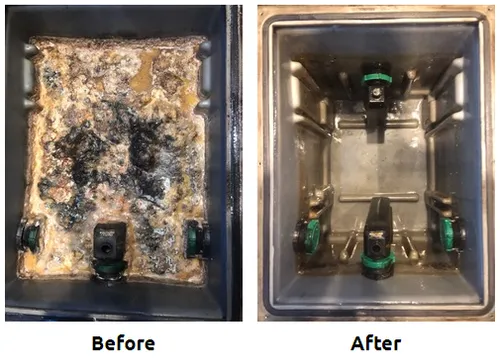
Northwest Biofuel is a locally owned company based in Portland, OR, specializing in grease trap cleaning and used cooking oil collection. They serve restaurants and commercial properties throughout Oregon and Washington, offering bundled services that include grease trap cleaning, cooking oil collection, drain cleaning, line jetting, and grease trap repair. The company ensures that 100% of the oil and grease collected is recycled locally into feedstock and clean-burning biodiesel. Northwest Biofuel provides 24/7 emergency service and works with clients to schedule service at convenient times.

Oregon Oils, Inc
2515 NW 28th Ave, Portland, OR 97210
Oregon Oils, Inc is a family-owned company based in Portland, OR, providing used cooking oil collection and grease trap cleaning services. Serving businesses across Oregon and Southwest Washington, they offer customizable solutions including grease trap maintenance and used oil recycling. Their Fryer to Fuel program converts collected cooking oil into biodiesel, supporting sustainable practices. With over 30 years of experience since 1992, Oregon Oils emphasizes environmental responsibility and offers emergency service within one business day.

VeggieScout Oil LLC - Portland
Portland, OR
VeggieScout Oil LLC - Portland offers used cooking oil collection, grease trap cleaning, and septic and drain services in Portland, OR. The company provides grease trap pumping, cleaning, and maintenance along with septic tank pumping, installation, repair, and pipe and drain cleaning using advanced equipment. They also handle excavation and grading projects. VeggieScout Oil LLC emphasizes careful maintenance to prevent backups and clogs and offers 24/7 availability for emergency services.
Baker Commodities Inc
9901 N Hurst Ave, Portland, OR 97203
Baker Commodities Inc is based in Portland, OR, and specializes in used cooking oil collection and recycling services. The company supports the food production and restaurant industries by converting food by-products and used cooking oil into valuable products such as feeding fats, tallow, protein meal, and yellow grease. They also provide rendering, restaurant grease collection, jetting, and fat and bone collection services. With over 75 years of experience, Baker Commodities focuses on sustainability and environmental responsibility through their recycling efforts.
Why Professional Grease Collection is Essential
Improper disposal of used vegetable oil or animal fats can lead to significant problems for your business and the community. Pouring oil down drains is a primary cause of sewer blockages and can result in costly municipal fines 1. Storing oil haphazardly poses fire risks and attracts pests. A professional used cooking oil recycling service mitigates these risks by providing a structured, compliant, and clean solution.
Key benefits include:
- Regulatory Compliance: Services ensure your waste oil handling meets all local Vancouver health department and Washington State Ecology dangerous waste guidelines, helping you avoid violations 2.
- Enhanced Safety: Eliminates slip hazards and reduces fire risk associated with improper storage.
- Sustainability Leadership: Your oil is diverted from landfills and wastewater systems to be recycled, directly supporting the production of renewable biodiesel fuel.
- Operational Cleanliness: Regular, scheduled pickups prevent overflow and keep your storage area tidy.
How the Grease Recycling Process Works
Engaging with a used cooking oil collector in Vancouver is a straightforward process designed for minimal disruption to your kitchen's workflow.
- Service Sign-Up: You establish a partnership with a local recycler like NW Biofuel or Grand Natural Inc. 3. They will assess your volume and needs to create a customized schedule.
- Container Delivery: The provider supplies specialized collection containers, often at no cost. These are typically lockable, durable tanks sized for your weekly output and can be placed indoors or in a secure outdoor area 4.
- Daily Oil Transfer: Your kitchen staff filters out food particulates and transfers cooled used oil from fryers into the provided container. Proper transfer practices are key to maintaining oil quality.
- Scheduled Pickup: On a pre-arranged schedule (weekly, bi-weekly, or monthly), a service driver arrives to pump the oil directly from your container into their collection truck. Most reputable companies also offer emergency pick-up services if needed 5.
- Recycling & Transformation: The collected oil is transported to a local processing facility where it is cleaned and converted into biodiesel, a clean-burning alternative to petroleum diesel, or other industrial products 6 7.
Find the perfect used cooking oil collection companies for your needs
Get personalized recommendations and expert advice
Best Practices for On-Site Oil Storage
Secure and proper storage is the cornerstone of an effective UCO management program. It protects your asset, ensures safety, and maximizes the value of your oil.
- Use Provided Containers: Always store oil in the purpose-built, lockable containers supplied by your recycler. This prevents theft, deters contamination, and simplifies the collection process.
- Ensure Clear Labeling: Containers should be clearly marked "Used Cooking Oil" to prevent accidental misuse and to comply with safety regulations.
- Prevent Spills and Contamination: Place containers on a stable, level surface in a dedicated area to prevent tipping. Keep lids securely closed to keep out water and debris, as contamination can significantly reduce the oil's recycling value and potential rebate 8.
- Maintain Accessibility: While containers should be secure, ensure they are in a location easily accessible for both your staff and the collection driver.
Understanding Costs and Potential Revenue
A common misconception is that used cooking oil disposal is a pure cost center. In reality, with the right volume and quality, it can help offset service fees or even generate income.
- Free Pickup Services: Many collectors offer free scheduled pickup for establishments that generate a qualifying minimum volume, often around 100 gallons per month or more.
- Rebate Programs: The highest financial return comes from rebates. Recyclers pay for high-quality, uncontaminated oil. Rebate rates can vary but often range based on market prices for feedstock used in biodiesel production 9 10. Maintaining clean oil-free from excess water, food scraps, or other solvents-is crucial to qualifying for these payments.
- Service Bundles: Some providers offer discounted rates if you bundle your used oil collection with other services like grease trap cleaning, providing a comprehensive and cost-effective waste management solution 11.
- Flexible Agreements: Look for services that offer simple, month-to-month agreements without long-term contracts or cancellation fees, giving your business flexibility 12.
Choosing a Service Provider in Vancouver
Selecting the right partner for your grease collection needs involves a few key considerations. Look for a provider with a strong local presence and a proven track record of reliable service in Clark County. They should offer containers that fit your space constraints and a pickup schedule that matches your production volume to prevent overflow. Transparency in pricing is essential-understand whether the service is free, fee-based, or rebate-eligible based on your oil's quality and quantity. Finally, ensure the company is fully permitted and can clearly explain how they maintain compliance with all Washington State and local Vancouver regulations, providing you with necessary documentation for your records.
Environmental Impact and Community Benefits
When you recycle your used cooking oil in Vancouver, you're contributing to a circular economy with tangible local benefits. The oil collected from local restaurants is processed into biodiesel, a renewable fuel that reduces greenhouse gas emissions compared to fossil fuels. This supports energy independence and creates green jobs within the regional economy. Furthermore, by ensuring oil is properly collected, you help protect the local watershed, including the Columbia River, from pollution caused by improper disposal. It's a simple operational decision that reinforces your business's commitment to environmental stewardship in the Pacific Northwest.
Frequently asked questions
Sources
Footnotes
-
Disposal of Fats, Oils and Grease at Home - Metro Vancouver - https://metrovancouver.org/services/liquid-waste/what-to-do-with-fats-oils-and-grease ↩
-
Used oil - Washington State Department of Ecology - https://ecology.wa.gov/regulations-permits/guidance-technical-assistance/dangerous-waste-guidance/common-dangerous-waste/used-oil ↩
-
Used Cooking Oil Pickup and Recycling Services in Washington - https://www.grandnatural.com/locations/used-cooking-oil-recycling-in-washington.html ↩
-
Used Cooking Oil Collection Vancouver - https://www.grandnaturalinc.com/locations/used-cooking-oil-recycling-in-vancouver.html ↩
-
Used Cooking Oil (UCO) Collection Service For Restaurants - https://thegreasecompany.com/blog/restaurant-used-cooking-oil-collection/ ↩
-
Recycling Used Cooking Oil With Green Grease Environmental - https://www.youtube.com/watch?v=KP05Yx-GkHk ↩
-
What happens with the used oil from restaurants and fast-food ... - https://www.quora.com/What-happens-with-the-used-oil-from-restaurants-and-fast-food-chains-Is-there-any-sort-of-recycling ↩
-
Storage of Solid Waste and Food Wastes (Including Cooking Grease) - https://your.kingcounty.gov/dnrp/library/water-and-land/stormwater/stormwater-pollution-prevention-manual/a08-jul21.pdf ↩
-
Used Cooking Oil Disposal: Complete Guide to Grease Pickups - https://greaseconnections.com/used-cooking-oil-disposal-guide-grease-pickups/ ↩
-
Used Restaurant Deep Fryer Cooking Oil Disposal Tips - NW Biofuel - https://nwbiofuel.com/blog/used-restaurant-deep-fryer-cooking-oil-disposal-tips/ ↩
-
Restaurant Used Cooking Oil Recycling & Disposal Guide - https://greaseconnections.com/restaurant-used-cooking-oil-disposal-recycling-revenue-guide/ ↩
-
Used Cooking Oil Collection, Disposal, & Recycling - NW Biofuel - https://nwbiofuel.com/used-cooking-oil-collection/ ↩