Find the Best Used Cooking Oil Collection Companies for Your Business
No obligation • Fast responses • Nationwide coverage

Why you can trust Restaurant Waste Disposal
Restaurant Waste Disposal is a leading U.S. resource for comparing restaurant composting, food-waste recycling, grease trap cleaning, and used cooking oil collection services. Our editorial team researches providers, checks credentials, and organizes unbiased information so operators can make informed decisions. Companies cannot pay to change ratings or placement.
Search providers near you
Top Used Cooking Oil Collection Companies in Puyallup, Washington Ranked
For restaurants and food service establishments in Puyallup, managing used cooking oil (UCO) is a critical operational and environmental responsibility. Proper grease trap and UCO collection practices are not just about cleanliness; they are mandated by local and state regulations to protect the city's sewer infrastructure and waterways. Partnering with a professional used cooking oil recycling service transforms this necessary task into a streamlined process that can even generate revenue, while ensuring your business remains in compliance with Washington State Department of Ecology and City of Puyallup codes.
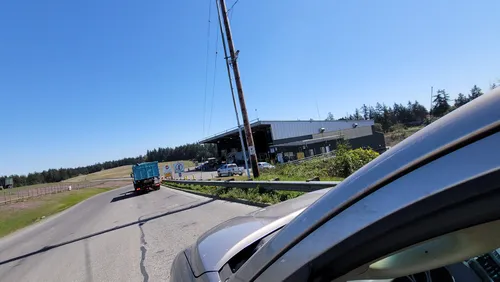
Thurston County Waste and Recovery Center (WARC)
2420 Hogum Bay Rd NE, Lacey, WA 98516
Thurston County Waste and Recovery Center (WARC) is a waste management facility located in Lacey, WA. It serves the local community by providing solid waste disposal and recycling services. The center previously offered a used cooking oil collection program but has suspended this service due to new traceability guidelines from its recycling vendor. WARC also manages other waste programs and is involved in exploring new transfer station developments to improve waste handling in the region.
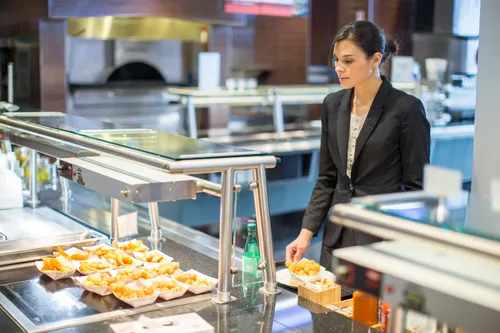
Restaurant Technologies
19437 66th Ave S, Kent, WA 98032
Restaurant Technologies is a used cooking oil collection company based in Kent, WA. They provide an end-to-end cooking oil management system that includes bulk oil delivery, filtration, and recycling. Their automatic system installs tanks and controls in commercial kitchens to safely deliver fresh oil and remove used oil without manual handling. This service helps reduce hazards and improve safety in back-of-house operations while supporting sustainability initiatives.
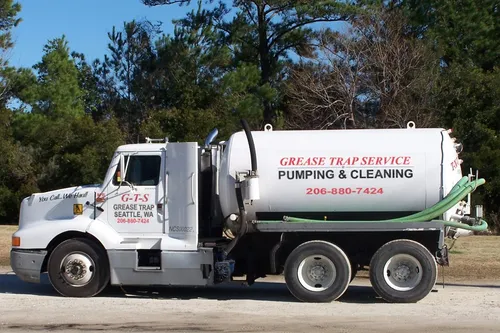
Seattle Grease Trap Services
107 Cherry St #310, Seattle, WA 98104
Seattle Grease Trap Services provides comprehensive grease trap and interceptor cleaning, pumping, installation, and repair services in Seattle, WA. Serving commercial kitchens, restaurants, schools, and industrial facilities, they cover Seattle and surrounding areas including King and Pierce Counties. With over 15 years of experience, the company offers licensed and environmentally responsible grease trap maintenance, ensuring compliance with local regulations. Their fleet of pump trucks and trained technicians handle grease trap measurement, pumping, cleaning, and record keeping to support smooth kitchen operations and prevent blockages or fines.

West Coast Renewables
2211 W Valley Hwy E, Sumner, WA 98390
West Coast Renewables is a grease trap cleaning and used cooking oil collection company based in Puyallup, WA. They serve a wide area across Western Washington, including cities like Seattle, Bellevue, Tacoma, and Olympia. Their services include grease trap pumping, maintenance, repair, and hydro-jetting, which uses high-pressure water to clear clogs and improve system performance. The company emphasizes proactive FOG (fats, oils, and grease) management to help commercial kitchens maintain hygiene and comply with local regulations. West Coast Renewables offers 24/7 emergency services to minimize disruptions for food service businesses.
Baker Commodities Inc
5795 S 130th Pl, Seattle, WA 98178
Baker Commodities Inc is a grease removal and used cooking oil collection company based in Seattle, WA. They serve the Pacific Northwest region, providing restaurant grease pickup, grease trap cleaning, and animal by-product recycling services. Their capabilities include using vacuum pumps and hydrojetters to clean grease traps efficiently, helping to prevent sewer clogs and promote environmental sustainability. The company offers 24-hour emergency rendering and grease collection services to support local food service businesses and protect the community's natural surroundings.
Understanding Puyallup's Grease Management Rules
Compliance starts with understanding local requirements. The City of Puyallup Municipal Code (PMC) mandates that all Food Service Establishments (FSEs) install and maintain properly sized grease interceptors or traps 1. These devices are essential for capturing fats, oils, and grease (FOG) before they enter the sewer system, where they can cause costly blockages and overflows.
Key regulations include:
- No Sewer Disposal: It is illegal to pour used fryer oil, grease, or any FOG waste down sinks, floor drains, or into storm drains.
- Proper Interceptor Maintenance: Grease interceptors must be regularly pumped and maintained by a licensed hauler to function correctly.
- Spill Preparedness: Facilities must have a plan and materials ready to contain and clean up any accidental spills of used cooking oil, preventing environmental contamination.
The Step-by-Step Process for Oil Collection and Recycling
Implementing a professional UCO collection system is straightforward and typically involves the following steps, often managed entirely by your service provider:
- Initial Partnership: You contract with a certified used cooking oil recycling company that services the Puyallup area 2.
- Container Provision: The provider delivers and places dedicated, leak-proof storage containers or tanks on your property, usually at no cost 3. These are sized to your volume (common sizes range from 40 to 300 gallons) and should be located away from drains and heavy traffic.
- Daily Oil Transfer: Your kitchen staff safely pours cooled UCO from fryers into the provided container, taking care to minimize food debris and water contamination, which can affect oil quality.
- Scheduled Pickup: On a regular schedule (weekly, bi-weekly, or monthly), the collection driver arrives, often during early morning hours to avoid disrupting operations. They use a hose system to pump the oil from your container into their truck.
- Recycling & Transformation: The collected oil is transported to a processing facility where it is filtered and purified. The primary end product is biodiesel, a renewable fuel, closing the loop on a valuable resource.
Benefits Beyond Compliance: Cost Savings and Revenue
A professional UCO service offers significant advantages that go beyond simply checking a regulatory box.
- Free Pickup and Containers: Most providers offer free scheduled pickups and complimentary container rental for businesses that generate a minimum volume, typically around 40 gallons per month or more 4. This eliminates the hassle and cost of self-hauling.
- Potential for Rebates: For establishments producing higher volumes of clean oil (e.g., 100-300+ gallons monthly), many recyclers offer rebate programs. You can earn payments based on the market value of the oil, which can range from $0.10 to $0.65 per gallon, turning a waste product into a minor revenue stream or a credit against service fees 5 6 7.
- Compliance Documentation: Reputable services provide detailed documentation of each pickup, including volume collected and date. This paperwork is crucial for demonstrating compliance during health department or city inspections.
Find the perfect used cooking oil collection companies for your needs
Get personalized recommendations and expert advice
Choosing the Right Service Provider in Puyallup
When selecting a used cooking oil collector, consider factors that ensure reliability and value.
- Licensing and Certification: Verify the hauler is licensed to operate in Washington State and complies with Department of Ecology regulations for transporting used oil 8.
- Service Reliability: Look for a provider known for consistent, on-time pickups to prevent container overflows.
- Container Maintenance: Ensure they clean and maintain the containers they provide, keeping your back-of-house area tidy and odor-free.
- Transparent Agreements: Understand the terms of your contract, including any fees, rebate structures, and what happens if your oil volume changes.
Best Practices for On-Site Oil Management
Maximize safety, efficiency, and oil quality with these operational tips:
- Designate a Storage Area: Place your UCO collection container on a stable, level surface with secondary containment (like a spill pallet) to catch any leaks. Keep it accessible for staff but away from delivery and customer traffic areas 9.
- Keep Oil Clean: Strain oil when transferring it from fryers to the storage container to remove large food particles. Never mix used cooking oil with water, soap, or other liquids, as this contaminates the batch and reduces its recycling value 10.
- Secure Lids: Always keep collection container lids securely closed when not in use. This prevents rainwater ingress, deters pests, and minimizes odors.
- Train Your Staff: Ensure all kitchen employees understand the proper procedure for disposing of UCO and the importance of keeping contaminants out. A brief training session can prevent costly mistakes 11.
The Environmental Impact of Proper UCO Recycling
Choosing to recycle your used cooking oil has a direct positive impact on the local and global environment. When UCO is converted into biodiesel, it creates a cleaner-burning alternative to petroleum diesel, reducing greenhouse gas emissions and reliance on fossil fuels. Furthermore, by ensuring oil is collected and recycled, you are actively preventing it from entering Puyallup's sewer system, where it could contribute to blockages, sanitary sewer overflows, and pollution in the nearby Puyallup River and Puget Sound 12. This responsible practice supports broader sustainability goals for the community.
Frequently asked questions
Sources
Footnotes
-
APPENDIX H Pre-Treatment Policy - Puyallup, WA - https://www.cityofpuyallup.org/DocumentCenter/View/84/Appendix-H-Pre-Treatment-Policy-PDF ↩
-
Restaurant Grease Pick Up and Disposal Services in Seattle WA - https://www.mahoneyes.com/fryer-oil-disposal-recycling-seattle-wa/ ↩
-
Used Cooking Oil (UCO) Collection Service For Restaurants - https://thegreasecompany.com/blog/restaurant-used-cooking-oil-collection/ ↩
-
Used Cooking Oil Pickup vs Drop-Off-What's Best for Restaurants? - https://www.greaseprosrecycling.com/used-cooking-oil-pickup-vs-drop-off/ ↩
-
Used Cooking Oil Collection, Disposal, & Recycling - NW Biofuel - https://nwbiofuel.com/used-cooking-oil-collection/ ↩
-
Used Cooking Oil Disposal: Complete Guide to Grease Pickups - https://greaseconnections.com/used-cooking-oil-disposal-guide-grease-pickups/ ↩
-
Restaurant Used Cooking Oil Recycling & Disposal Guide - https://greaseconnections.com/restaurant-used-cooking-oil-disposal-recycling-revenue-guide/ ↩
-
Used oil - Washington State Department of Ecology - https://ecology.wa.gov/regulations-permits/guidance-technical-assistance/dangerous-waste-guidance/common-dangerous-waste/used-oil ↩
-
GREASE INTERCEPTOR USED COOKING OIL SPILL PREPARATION - https://www.puyallupwa.gov/DocumentCenter/View/778 ↩
-
Recycling Used Cooking Oil With Green Grease Environmental - https://www.youtube.com/watch?v=KP05Yx-GkHk ↩
-
Grease Collection Service: What is it - https://www.grandnaturalinc.com/blog/what-is-grease-collection-service.html ↩
-
A Guide to Restaurant Grease Management - https://apps.lhwmp.org/IRAC/eDoc.ashx?DocID=Xb9va1HRGBg%3D ↩