Find the Best Used Cooking Oil Collection Companies for Your Business
No obligation • Fast responses • Nationwide coverage

Why you can trust Restaurant Waste Disposal
Restaurant Waste Disposal is a leading U.S. resource for comparing restaurant composting, food-waste recycling, grease trap cleaning, and used cooking oil collection services. Our editorial team researches providers, checks credentials, and organizes unbiased information so operators can make informed decisions. Companies cannot pay to change ratings or placement.
Search providers near you
Best Used Cooking Oil Collection Companies in Washington Ranked
For restaurants, food trucks, and commercial kitchens across Washington, managing used cooking oil (UCO) is a critical operational and environmental responsibility. Proper collection and recycling of this material not only ensures compliance with state and local regulations but also transforms a waste product into valuable renewable fuels like biodiesel. This guide outlines the essential steps for safe storage, legal disposal, and effective partnership with professional collection services in Washington, helping your business operate smoothly and sustainably.
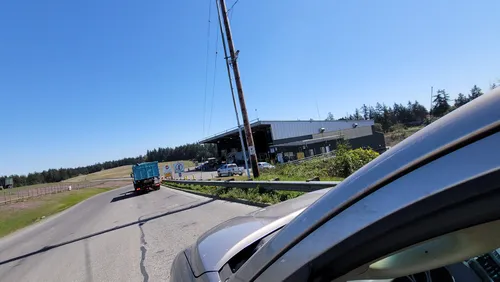
Thurston County Waste and Recovery Center (WARC)
2420 Hogum Bay Rd NE, Lacey, WA 98516
Thurston County Waste and Recovery Center (WARC) is a waste management facility located in Lacey, WA. It serves the local community by providing solid waste disposal and recycling services. The center previously offered a used cooking oil collection program but has suspended this service due to new traceability guidelines from its recycling vendor. WARC also manages other waste programs and is involved in exploring new transfer station developments to improve waste handling in the region.
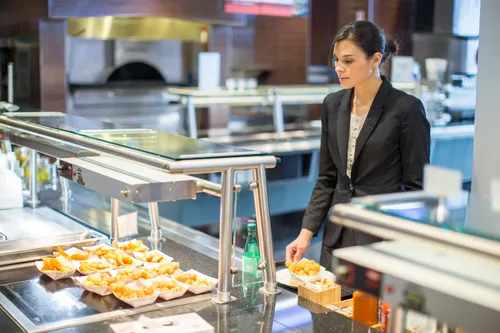
Restaurant Technologies
19437 66th Ave S, Kent, WA 98032
Restaurant Technologies is a used cooking oil collection company based in Kent, WA. They provide an end-to-end cooking oil management system that includes bulk oil delivery, filtration, and recycling. Their automatic system installs tanks and controls in commercial kitchens to safely deliver fresh oil and remove used oil without manual handling. This service helps reduce hazards and improve safety in back-of-house operations while supporting sustainability initiatives.
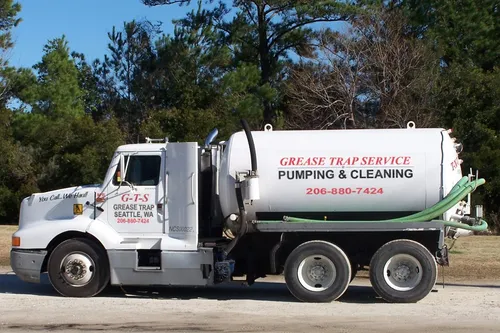
Seattle Grease Trap Services
107 Cherry St #310, Seattle, WA 98104
Seattle Grease Trap Services provides comprehensive grease trap and interceptor cleaning, pumping, installation, and repair services in Seattle, WA. Serving commercial kitchens, restaurants, schools, and industrial facilities, they cover Seattle and surrounding areas including King and Pierce Counties. With over 15 years of experience, the company offers licensed and environmentally responsible grease trap maintenance, ensuring compliance with local regulations. Their fleet of pump trucks and trained technicians handle grease trap measurement, pumping, cleaning, and record keeping to support smooth kitchen operations and prevent blockages or fines.

West Coast Renewables
2211 W Valley Hwy E, Sumner, WA 98390
West Coast Renewables is a grease trap cleaning and used cooking oil collection company based in Puyallup, WA. They serve a wide area across Western Washington, including cities like Seattle, Bellevue, Tacoma, and Olympia. Their services include grease trap pumping, maintenance, repair, and hydro-jetting, which uses high-pressure water to clear clogs and improve system performance. The company emphasizes proactive FOG (fats, oils, and grease) management to help commercial kitchens maintain hygiene and comply with local regulations. West Coast Renewables offers 24/7 emergency services to minimize disruptions for food service businesses.
Mahoney Environmental Restaurant Oil Recycling
9610 E Montgomery Ave, Spokane Valley, WA 99206
Mahoney Environmental Restaurant Oil Recycling is a used cooking oil collection company based in Spokane, WA. They focus on collecting used cooking oil from restaurants to support environmental sustainability and resource recovery. The company aims to help businesses manage waste oil responsibly while contributing to environmental improvement.
Understanding Washington's Regulations for Used Oil
In Washington, used cooking oil is regulated as a "dangerous waste" when it is discarded, placing specific obligations on businesses that generate it. The Washington State Department of Ecology enforces rules designed to prevent environmental harm, particularly to waterways and sewer systems. Key regulatory points include:
- Proper Storage: UCO must be stored in sealed, structurally sound containers that are clearly labeled. Containers should be kept in a designated, secure area to prevent spills, leaks, and unauthorized access.
- Drain Prevention: It is illegal to pour used cooking oil down any drain, including sinks, floor drains, or storm drains. This practice can cause severe blockages, sewer overflows, and environmental contamination.
- Licensed Haulers: Businesses must use a licensed used oil transporter or recycling company for pickup and disposal. This ensures the oil is tracked and recycled properly, keeping your business in compliance.
- Volume Thresholds: Special attention is required if your location stores over 55 gallons of used oil at any time. At this volume, a business may be classified as a "used oil transporter" or "marketer" and must adhere to additional record-keeping and handling requirements, such as maintaining shipment records or obtaining analysis of the oil's specifications.
Adhering to these regulations is not just about avoiding fines; it's a fundamental part of responsible business operations in the Evergreen State.
Best Practices for Storage and Safety
Safe and compliant storage is the first step in effective used cooking oil management. Following these best practices protects your staff, your facility, and the environment.
- Use Approved Containers: Store oil in dedicated, sealable containers or bins provided by your recycling service. Never use makeshift or unapproved containers that may leak or degrade.
- Cool Before Handling: Always allow oil to cool below 120°F before transferring it to a storage container. This minimizes the risk of burns and fires 1.
- Ensure a Secure Location: Place storage containers in a well-ventilated area with secondary containment (like a spill pallet) to catch any potential leaks. The area should be clean, dry, and clearly marked to prevent slip-and-fall accidents.
- Prevent Contamination: Keep used cooking oil separate from other wastes. Do not mix it with garbage, chemicals, or water, as this can complicate the recycling process and may create hazardous conditions 2 3.
Find the perfect used cooking oil collection companies for your needs
Get personalized recommendations and expert advice
The Professional Collection and Recycling Process
Partnering with a professional used cooking oil collection service simplifies compliance and ensures your oil is handled correctly from your kitchen to its next life as renewable fuel.
- Collect and Store: After cooling, transfer the used oil into the secure, labeled containers supplied by your service provider.
- Schedule Regular Pickup: Your provider will establish a pickup schedule-whether weekly, bi-weekly, or monthly-based on your volume of oil production. Reliable services ensure your containers never overflow.
- Professional Pickup: On the scheduled day, a trained technician will safely collect the full containers and replace them with clean, empty ones. They handle all transportation logistics in accordance with Washington state regulations 4.
- Recycling into Biofuel: The collected oil is transported to a processing facility where it is filtered and refined. In Washington, a significant portion is converted into biodiesel or renewable diesel, cleaner-burning alternatives to petroleum-based fuels.
Service Options and Cost Considerations
Costs for used cooking oil collection in Washington can vary based on your location, the volume of oil you generate, and the service provider you choose. Many companies offer tailored plans, and some models can even turn a cost center into a minor revenue stream.
- Typical Service Models: Most providers offer a full-service package that includes supplying storage containers, regular scheduled pickups, and responsible recycling. This is often the most hassle-free option for busy food service operations.
- Potential Cost Ranges (Monthly):
- Small Operations (producing 10-20 gallons per week): May see fees in the range of $60-$120 per month.
- Medium Operations (producing 30-50 gallons per week): Fees often range from $150-$300 per month.
- Large Restaurants or Institutions (producing 75+ gallons per week): Can expect costs from $300 to over $600 monthly 5 6 7.
- Free Pickup & Buyback Programs: Notably, some recyclers, especially those focused on biofuel production, may offer free pickup services. They supply the containers and collect the oil at no charge, and may even pay the restaurant a small amount for the high-quality used oil, as it is a valuable feedstock for their operations 8. It's important to get detailed quotes from several licensed providers in your area to understand the available options.
Integrating Oil Collection with Overall Grease Management
For comprehensive kitchen waste management, consider coordinating your used cooking oil collection with grease trap or grease interceptor maintenance. While used oil is collected from fryers and cookware, grease traps capture fats, oils, and grease (FOG) from dishwater and drain lines. Some service providers offer both services, allowing for streamlined scheduling and potentially better rates. Keeping both systems functioning prevents plumbing disasters, maintains compliance with sewer authority regulations, and contributes to a cleaner, more efficient operation 9 10.
Frequently asked questions
Sources
Footnotes
-
Managing Used Oil: Answers to Frequent Questions for Businesses - https://www.epa.gov/hw/managing-used-oil-answers-frequent-questions-businesses ↩
-
Used oil - Washington State Department of Ecology - https://ecology.wa.gov/regulations-permits/guidance-technical-assistance/dangerous-waste-guidance/common-dangerous-waste/used-oil ↩
-
Restaurant Oil Disposal: Explained - Eazy Grease - https://eazygrease.com/how-do-restaurants-get-rid-of-their-oil/ ↩
-
Why Food Trucks Need Cooking Oil Collection Services - NW Biofuel - https://nwbiofuel.com/blog/why-food-trucks-need-cooking-oil-collection-services/ ↩
-
Used Cooking Oil Pick Up & Recycling Service in Seattle WA - https://www.mahoneyes.com/waste-oil-pickup-recycling-seattle-wa/ ↩
-
Used Cooking Oil Collection, Disposal, & Recycling - NW Biofuel - https://nwbiofuel.com/used-cooking-oil-collection/ ↩
-
Why Cooking Oil Collection is Essential for Fast Food ... - https://ecooilrecycling.com/why-cooking-oil-collection-essential-fast-food-restaurants/ ↩
-
Used Cooking Oil Pickup vs Drop-Off-What's Best for Restaurants? - https://www.greaseprosrecycling.com/used-cooking-oil-pickup-vs-drop-off/ ↩
-
Used Cooking Oil Disposal: Complete Guide to Grease Pickups - https://greaseconnections.com/used-cooking-oil-disposal-guide-grease-pickups/ ↩
-
Restaurant Grease Pick Up and Disposal Services in Seattle WA - https://www.mahoneyes.com/fryer-oil-disposal-recycling-seattle-wa/ ↩