Find the Best Used Cooking Oil Collection Companies for Your Business
No obligation • Fast responses • Nationwide coverage

Why you can trust Restaurant Waste Disposal
Restaurant Waste Disposal is a leading U.S. resource for comparing restaurant composting, food-waste recycling, grease trap cleaning, and used cooking oil collection services. Our editorial team researches providers, checks credentials, and organizes unbiased information so operators can make informed decisions. Companies cannot pay to change ratings or placement.
Search providers near you
Top Used Cooking Oil Collection Companies in Lacey, Washington Ranked
For restaurants and food service businesses in Lacey, managing used cooking oil (UCO) is a critical operational and environmental responsibility. Proper handling of this waste stream is not just about cleanliness; it's a regulated component of stormwater pollution prevention and dangerous waste management overseen by local and state authorities. By implementing correct storage practices and partnering with licensed grease hauling services, Lacey businesses can ensure compliance, contribute to a circular economy, and potentially offset disposal costs. This guide outlines the essential steps for effective UCO management, from on-site best practices to the final recycling process that transforms waste into valuable biofuels.
Thurston County Waste and Recovery Center (WARC)
2420 Hogum Bay Rd NE, Lacey, WA 98516
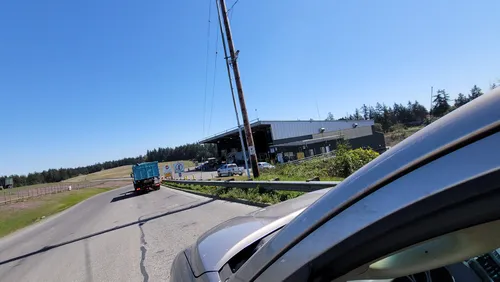
Thurston County Waste and Recovery Center (WARC) is a waste management facility located in Lacey, WA. It serves the local community by providing solid waste disposal and recycling services. The center previously offered a used cooking oil collection program but has suspended this service due to new traceability guidelines from its recycling vendor. WARC also manages other waste programs and is involved in exploring new transfer station developments to improve waste handling in the region.

West Coast Renewables
2211 W Valley Hwy E, Sumner, WA 98390
West Coast Renewables is a grease trap cleaning and used cooking oil collection company based in Puyallup, WA. They serve a wide area across Western Washington, including cities like Seattle, Bellevue, Tacoma, and Olympia. Their services include grease trap pumping, maintenance, repair, and hydro-jetting, which uses high-pressure water to clear clogs and improve system performance. The company emphasizes proactive FOG (fats, oils, and grease) management to help commercial kitchens maintain hygiene and comply with local regulations. West Coast Renewables offers 24/7 emergency services to minimize disruptions for food service businesses.
DAR PRO Solutions
2041 Marc Ave, Tacoma, WA 98421
DAR PRO Solutions is a used cooking oil collection company based in Tacoma, WA. They provide collection services for used cooking oil, helping businesses manage their waste oil efficiently. DAR PRO Solutions is known for professional and prompt service in the Tacoma area.
Understanding Local Regulations and Source Control
In Lacey, used cooking oil management falls under the city's source control program, which is designed to protect water quality by preventing pollutants from entering the storm drain system. The City of Lacey references the Washington State Department of Ecology's guidelines, treating used oil as a potential dangerous waste that requires careful handling. The core principle is containment: ensuring that no grease or oil ever reaches a storm drain, sanitary sewer, or the ground. Non-compliance can result in significant fines, making a proactive approach essential for every commercial kitchen.
The foundational rules are part of the city's Best Management Practices (BMPs). These are not mere suggestions but expected standards for operation. Key mandates include storing UCO in dedicated, clearly labeled containers (marked "Used Oil") that are kept closed when not in use. Containers must be situated away from floor drains and should ideally be placed within secondary containment-such as a spill pallet or berm-to capture any accidental leaks or overflows. Furthermore, it is imperative never to mix used fryer oil with other liquids like solvents, detergents, or solid waste, as mixing can alter its chemical properties and classify it as a more hazardous, difficult-to-recycle material.
On-Site Storage and Handling Best Practices
Effective grease trap cleaning and oil collection start with proper on-site protocols. The first line of defense is the storage container itself. Most professional rendering companies or grease collection services will provide a dedicated, lockable collection tank or bin. These containers should be positioned in a designated area, such as a concrete pad or within secondary containment, to isolate them from environmental exposure and prevent slip hazards.
Staff training is a crucial, often overlooked, component. Kitchen employees should be instructed on safe oil transfer procedures-allowing oil to cool completely before handling, using funnels to avoid spills, and ensuring the collection container's lid is securely fastened after each use. Regular visual inspections of the storage area for leaks, spills, or overfilled containers can prevent larger issues. Any spills should be cleaned up immediately using absorbent materials like clay or pads, and those saturated materials must then be disposed of as dangerous waste, not in the regular trash. Maintaining a log of oil collection dates and hauler visits can also aid in compliance tracking and service management.
The Role of Licensed Grease Haulers and Collection Services
Restaurants in Lacey are required to use licensed professionals for the pickup and transport of used cooking oil. These grease collection providers are registered with the state and understand the specific regulatory landscape of Thurston County and Washington. Partnering with a licensed hauler ensures that your waste stream is handled legally from pickup through to final processing, with all necessary documentation provided for your records.
The service model typically works on a scheduled basis. A hauler will provide the exterior storage tank and establish a regular pickup frequency-weekly, bi-weekly, or monthly-based on your establishment's volume. On service day, a technician will pump out the accumulated yellow grease, clean up any minor drips around the tank, and leave an empty, clean container. They then transport the collected oil in specialized trucks to a processing facility. It's important to verify that your chosen service provider is properly licensed and insured, and to understand the terms of your service agreement, which should outline responsibilities, schedules, and cost structures.
Find the perfect used cooking oil collection companies for your needs
Get personalized recommendations and expert advice
The Recycling Journey: From Waste to Biofuel
Once collected, the used cooking oil from Lacey restaurants begins its transformation into valuable commodities. At a recycling facility, the oil undergoes several stages of processing. First, it is heated and filtered to remove food particles, water, and other impurities. Advanced facilities then use centrifugation to further separate any remaining solids and water, resulting in a purified grease stock.
This cleaned product, often called "yellow grease," is a sought-after feedstock for the biofuel industry. The primary end product is renewable diesel, a drop-in fuel that is chemically identical to petroleum diesel but with a significantly lower carbon footprint1 2 3. It can also be processed into biodiesel or used in the production of animal feed, cosmetics, and other industrial products. This recycling process closes the loop, turning a potential waste liability into a resource that supports regional sustainability goals and reduces dependence on fossil fuels.
Cost Considerations and Potential Value
The financial model for used cooking oil collection can vary. Many haulers charge a service fee for regular pickups, which covers the cost of equipment rental, transportation, and processing. However, the inherent value of the cleaned grease as a commodity can influence this structure. Some service providers may offer a credit or even a payment to restaurants that generate large volumes of high-quality, uncontaminated oil4 5.
The key to maximizing potential value or minimizing cost is maintaining oil quality. As mentioned, avoiding contamination with water, soap, or other materials is critical. Clean, well-managed oil is more valuable to recyclers. When evaluating service proposals, Lacey business owners should look beyond just the pickup fee and consider the overall value proposition, including reliability, compliance assurance, and any revenue-sharing or credit programs. It's also worth noting that the cost of not managing oil properly-through fines, sewer backups, or environmental cleanup-far outweighs the expense of a professional service.
Compliance and Environmental Stewardship
Participating in a formal used cooking oil recycling program is a direct contribution to Lacey's environmental health. Improper disposal, such as pouring oil down a drain, can cause severe blockages in both private plumbing and public sewer lines, leading to costly repairs and sanitary sewer overflows. Dumping oil outside or into storm drains is illegal and directly pollutes local waterways, harming aquatic life in lakes like Pattison and Chambers Creek6.
The Thurston County Waste and Recovery Center has previously suspended public drop-off for used cooking oil, underscoring the importance of arranged commercial collection for businesses7. By following source control BMPs and using licensed haulers, restaurants fulfill their legal obligations under the City of Lacey's municipal code and the Washington State Department of Ecology's dangerous waste regulations8. This proactive management turns a mandatory task into a positive environmental action, supporting the community's broader goals for sustainability and pollution prevention.
Frequently asked questions
Sources
Footnotes
-
Restaurant Oil Disposal: Explained - Eazy Grease - https://eazygrease.com/how-do-restaurants-get-rid-of-their-oil/ ↩
-
What is The Process of Recycling Used Cooking Oil - https://bakercommodities.com/blog/2023/07/24/how-technology-recycles-used-cooking-oil/ ↩
-
Used Cooking Oil Recycling for Commercial Businesses - Rubicon - https://www.rubicon.com/blog/used-cooking-oil-recycling/ ↩
-
Restaurant Grease Pick Up and Disposal Services in Seattle WA - https://www.mahoneyes.com/fryer-oil-disposal-recycling-seattle-wa/ ↩
-
Cooking Oil Collection & Grease Recycling Service - https://thegreasecompany.com/oilcollection.html ↩
-
Source Control Guidance Manual | City of Lacey - https://cityoflacey.org/wp-content/uploads/sites/3/2024/07/Source-Control-Guidance-Manual.pdf ↩
-
Used Cooking Oil Recycling Suspended at Waste and ... - https://www.thurstoncountywa.gov/news/used-cooking-oil-recycling-suspended-waste-and-recovery-center ↩
-
Used oil - Washington State Department of Ecology - https://ecology.wa.gov/regulations-permits/guidance-technical-assistance/dangerous-waste-guidance/common-dangerous-waste/used-oil ↩