Find the Best Used Cooking Oil Collection Companies for Your Business
No obligation • Fast responses • Nationwide coverage

Why you can trust Restaurant Waste Disposal
Restaurant Waste Disposal is a leading U.S. resource for comparing restaurant composting, food-waste recycling, grease trap cleaning, and used cooking oil collection services. Our editorial team researches providers, checks credentials, and organizes unbiased information so operators can make informed decisions. Companies cannot pay to change ratings or placement.
Search providers near you
Top Used Cooking Oil Collection Companies in Kent, Washington Ranked
For restaurants and food service businesses in Kent, managing used cooking oil is a critical operational and environmental responsibility. Proper collection and recycling of this waste stream not only ensures compliance with local regulations but also transforms a potential liability into a resource for renewable energy. Navigating the process involves understanding specific city rules, partnering with licensed haulers, and implementing safe on-site storage practices. This guide outlines the essential steps for establishing an efficient and compliant used cooking oil management system in Kent.
Restaurant Technologies
19437 66th Ave S, Kent, WA 98032
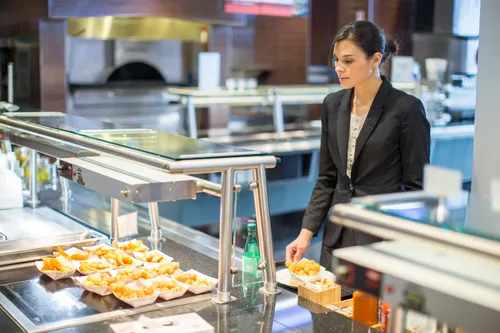
Restaurant Technologies is a used cooking oil collection company based in Kent, WA. They provide an end-to-end cooking oil management system that includes bulk oil delivery, filtration, and recycling. Their automatic system installs tanks and controls in commercial kitchens to safely deliver fresh oil and remove used oil without manual handling. This service helps reduce hazards and improve safety in back-of-house operations while supporting sustainability initiatives.
Seattle Grease Trap Services
107 Cherry St #310, Seattle, WA 98104
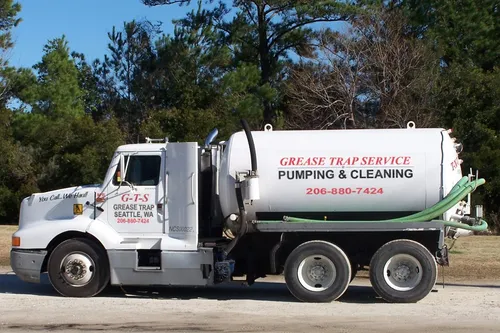
Seattle Grease Trap Services provides comprehensive grease trap and interceptor cleaning, pumping, installation, and repair services in Seattle, WA. Serving commercial kitchens, restaurants, schools, and industrial facilities, they cover Seattle and surrounding areas including King and Pierce Counties. With over 15 years of experience, the company offers licensed and environmentally responsible grease trap maintenance, ensuring compliance with local regulations. Their fleet of pump trucks and trained technicians handle grease trap measurement, pumping, cleaning, and record keeping to support smooth kitchen operations and prevent blockages or fines.

West Coast Renewables
2211 W Valley Hwy E, Sumner, WA 98390
West Coast Renewables is a grease trap cleaning and used cooking oil collection company based in Puyallup, WA. They serve a wide area across Western Washington, including cities like Seattle, Bellevue, Tacoma, and Olympia. Their services include grease trap pumping, maintenance, repair, and hydro-jetting, which uses high-pressure water to clear clogs and improve system performance. The company emphasizes proactive FOG (fats, oils, and grease) management to help commercial kitchens maintain hygiene and comply with local regulations. West Coast Renewables offers 24/7 emergency services to minimize disruptions for food service businesses.
Baker Commodities Inc
5795 S 130th Pl, Seattle, WA 98178
Baker Commodities Inc is a grease removal and used cooking oil collection company based in Seattle, WA. They serve the Pacific Northwest region, providing restaurant grease pickup, grease trap cleaning, and animal by-product recycling services. Their capabilities include using vacuum pumps and hydrojetters to clean grease traps efficiently, helping to prevent sewer clogs and promote environmental sustainability. The company offers 24-hour emergency rendering and grease collection services to support local food service businesses and protect the community's natural surroundings.
DAR PRO Solutions
2041 Marc Ave, Tacoma, WA 98421
DAR PRO Solutions is a used cooking oil collection company based in Tacoma, WA. They provide collection services for used cooking oil, helping businesses manage their waste oil efficiently. DAR PRO Solutions is known for professional and prompt service in the Tacoma area.
Understanding Local Fats, Oils, and Grease (FOG) Regulations
The City of Kent enforces specific rules under its Fats, Oils, and Grease (F.O.G.) program to protect the municipal sewer system from blockages and overflows. Compliance is not optional; it's a mandatory part of operating a food service business. Key requirements start with obtaining a plumbing permit and passing an inspection for any grease interceptor or trap installation from the City of Kent. These F.O.G. devices must be installed in a location that is easily accessible for regular cleaning and maintenance. Furthermore, all businesses in Kent must hold a valid Kent Business License. It is strictly prohibited to pour used fryer oil or any grease down drains or to mix it with regular garbage, as these actions violate city ordinances and can lead to significant fines 1.
Setting Up On-Site Storage and Handling
Safe and proper storage is the foundation of an effective oil collection system. It prevents safety hazards, maintains a clean work environment, and secures your oil from theft.
- Designated Containers: Used oil should be transferred into sealed, designated containers. Common options include indoor bins (40-55 gallons) or larger outdoor storage tanks (110-300 gallons). These containers must be durable and leak-proof to prevent environmental contamination.
- Cooling Protocol: Always allow oil to cool below 120°F before transferring it from fryers to storage containers. This simple step prevents serious burns to staff and avoids damaging plastic storage bins 2.
- Strategic Placement: Position storage containers near back doors or loading docks to provide easy, safe access for collection trucks. This minimizes disruption to your daily operations during pickup 3.
- Theft Prevention: Used cooking oil has value on the commodities market, making it a target for theft. Using locked, secured containers and partnering with a reputable hauler who provides locked collection units can mitigate this risk.
Partnering with a Licensed Collection Service
You cannot manage used cooking oil disposal alone; Washington State and local regulations require that grease and used oil be hauled by licensed professionals 4. Companies like NW Biofuel and Mahoney Environmental operate in the Kent area, providing scheduled pickup services. These licensed haulers are equipped with the proper insurance and adhere to environmental protection standards. When selecting a provider, look for those who offer transparent reporting, which can be crucial for demonstrating compliance during inspections.
The Collection and Recycling Process
Once your system is set up, the collection process follows a straightforward cycle:
- Transfer: Kitchen staff carefully pour cooled, used oil from fryer filtration systems into your on-site storage container.
- Scheduled Pickup: On a pre-arranged schedule (weekly, bi-weekly, or monthly), your hauler arrives. They will pump the oil from your storage tank directly into their specialized collection truck.
- Transportation & Recycling: The collected oil is transported to a processing facility, such as Mendota Agri-Products, where it is cleaned and converted into raw material for biodiesel or other renewable fuels. This process ensures the oil is diverted from landfills and given a productive second life.
- Documentation: A reputable service will provide you with documentation, often a manifest or service ticket, detailing the volume collected. This serves as a record for your business and for compliance purposes.
Find the perfect used cooking oil collection companies for your needs
Get personalized recommendations and expert advice
Financial Considerations: Costs and Potential Savings
The economics of used cooking oil collection can vary. Some services may charge a fee, especially for smaller volumes, while others structure their service to be cost-neutral or even generate savings for your business.
- Potential Savings: Many recyclers operate on a model that can benefit your bottom line. For instance, some providers offer discounts on deliveries of fresh cooking oil when they also handle your used oil pickup, effectively creating a savings on your supply costs 5.
- Cost Structures: Pricing can depend heavily on volume. For large producers (e.g., over 100 gallons per pickup), services might charge a per-gallon fee, with industry estimates ranging from $0.10 to $0.65 per gallon 6. For smaller volumes, many companies offer free pickup as part of their service model 6.
- Value of Compliance: Viewing proper oil management as an investment is key. The initial cost for proper storage tanks and reliable service is often offset by avoiding substantial fines for sewer violations and by taking advantage of any savings programs offered by recyclers 7 8.
Benefits Beyond Compliance
Adopting a professional used cooking oil collection system offers advantages that extend past meeting legal requirements. It significantly enhances your business's sustainability profile by ensuring waste is converted into clean, renewable biodiesel, reducing fossil fuel dependence 9 10. It also promotes kitchen safety by removing slippery, hazardous waste oil from your premises in a controlled manner. Finally, it simplifies operations, freeing your staff from the burden of improper disposal and providing peace of mind that this waste stream is handled responsibly.
Frequently asked questions
Sources
Footnotes
-
Fats, Oil and Grease - Options & restrictions - King County - https://info.kingcounty.gov/services/recycling-garbage/solid-waste/what-do-i-do-with/Restrictions?m=50 ↩
-
Used Cooking Oil Disposal: Complete Guide to Grease Pickups - https://greaseconnections.com/used-cooking-oil-disposal-guide-grease-pickups/ ↩
-
Used Cooking Oil (UCO) Collection Service For Restaurants - https://thegreasecompany.com/blog/restaurant-used-cooking-oil-collection/ ↩
-
Fats, Oils, and Grease (F.O.G.) | City of Kent - https://www.kentwa.gov/guides/fats-oils-and-grease-f-o-g ↩
-
Used Cooking Oil Pick Up & Recycling Service in Seattle WA - https://www.mahoneyes.com/waste-oil-pickup-recycling-seattle-wa/ ↩
-
Restaurant Used Cooking Oil: Disposal, Recycling & Revenue Guide - https://greaseconnections.com/restaurant-used-cooking-oil-disposal-recycling-revenue-guide/ ↩ ↩2
-
Grease Collection Service: What is it - Grand Natural Inc - https://www.grandnaturalinc.com/blog/what-is-grease-collection-service.html ↩
-
How Used Cooking Oil Collection Saves You Money - https://www.mahoneyes.com/services/used-cooking-oil-recycling/savings/ ↩
-
Used Cooking Oil Collection, Disposal, & Recycling - NW Biofuel - https://nwbiofuel.com/used-cooking-oil-collection/ ↩
-
Used Cooking Oil Disposal in Kent, WA | NW Biofuel - https://nwbiofuel.com/blog/kent-washington-used-cooking-oil-disposal-recycling/ ↩