Find the Best Used Cooking Oil Collection Companies for Your Business
No obligation • Fast responses • Nationwide coverage

Why you can trust Restaurant Waste Disposal
Restaurant Waste Disposal is a leading U.S. resource for comparing restaurant composting, food-waste recycling, grease trap cleaning, and used cooking oil collection services. Our editorial team researches providers, checks credentials, and organizes unbiased information so operators can make informed decisions. Companies cannot pay to change ratings or placement.
Search providers near you
Top Used Cooking Oil Collection Companies in Seattle, Washington Ranked
For Seattle's vibrant restaurant scene, managing used cooking oil (UCO) is a critical operational and environmental responsibility. Proper collection and recycling of this liquid waste not only ensures compliance with strict local sewer codes but also transforms a potential pollutant into valuable resources like biodiesel. Navigating the city's specific regulations for fats, oils, and grease (FOG) and selecting a reliable collection service are essential steps for any commercial kitchen. This guide outlines the key processes, rules, and benefits of establishing a responsible used cooking oil management program in Seattle.
Restaurant Technologies
19437 66th Ave S, Kent, WA 98032
Restaurant Technologies is a used cooking oil collection company based in Kent, WA. They provide an end-to-end cooking oil management system that includes bulk oil delivery, filtration, and recycling. Their automatic system installs tanks and controls in commercial kitchens to safely deliver fresh oil and remove used oil without manual handling. This service helps reduce hazards and improve safety in back-of-house operations while supporting sustainability initiatives.
Seattle Grease Trap Services
107 Cherry St #310, Seattle, WA 98104
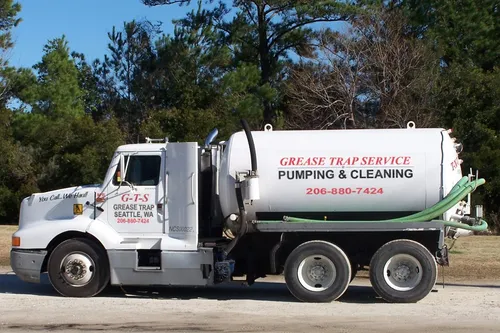
Seattle Grease Trap Services provides comprehensive grease trap and interceptor cleaning, pumping, installation, and repair services in Seattle, WA. Serving commercial kitchens, restaurants, schools, and industrial facilities, they cover Seattle and surrounding areas including King and Pierce Counties. With over 15 years of experience, the company offers licensed and environmentally responsible grease trap maintenance, ensuring compliance with local regulations. Their fleet of pump trucks and trained technicians handle grease trap measurement, pumping, cleaning, and record keeping to support smooth kitchen operations and prevent blockages or fines.

West Coast Renewables
2211 W Valley Hwy E, Sumner, WA 98390
West Coast Renewables is a grease trap cleaning and used cooking oil collection company based in Puyallup, WA. They serve a wide area across Western Washington, including cities like Seattle, Bellevue, Tacoma, and Olympia. Their services include grease trap pumping, maintenance, repair, and hydro-jetting, which uses high-pressure water to clear clogs and improve system performance. The company emphasizes proactive FOG (fats, oils, and grease) management to help commercial kitchens maintain hygiene and comply with local regulations. West Coast Renewables offers 24/7 emergency services to minimize disruptions for food service businesses.
Baker Commodities Inc
5795 S 130th Pl, Seattle, WA 98178
Baker Commodities Inc is a grease removal and used cooking oil collection company based in Seattle, WA. They serve the Pacific Northwest region, providing restaurant grease pickup, grease trap cleaning, and animal by-product recycling services. Their capabilities include using vacuum pumps and hydrojetters to clean grease traps efficiently, helping to prevent sewer clogs and promote environmental sustainability. The company offers 24-hour emergency rendering and grease collection services to support local food service businesses and protect the community's natural surroundings.
DAR PRO Solutions
2041 Marc Ave, Tacoma, WA 98421
DAR PRO Solutions is a used cooking oil collection company based in Tacoma, WA. They provide collection services for used cooking oil, helping businesses manage their waste oil efficiently. DAR PRO Solutions is known for professional and prompt service in the Tacoma area.
Understanding Seattle's FOG Regulations
Seattle enforces clear rules to protect its sewer infrastructure and waterways from blockages and pollution caused by fats, oils, and grease. The Seattle Municipal Code (SMC) strictly prohibits the discharge of FOG into the sanitary sewer system. For commercial kitchens, this means mandatory installation and maintenance of grease interceptors (commonly called grease traps). These devices capture grease and solids before wastewater enters the sewer, but they require regular monitoring and cleaning to remain effective.
A key operational requirement is that the FOG level in your interceptor must not exceed 25% of its capacity; otherwise, it requires immediate servicing 1. This rule underscores the importance of proactive maintenance. While grease interceptors handle wastewater, used cooking oil must be managed separately. It should never be poured down drains, into grease traps, or disposed of with regular trash. Proper on-site storage is the first critical step in the collection chain.
Proper Storage and On-Site Handling
Before collection can occur, used fryer oil must be stored safely and correctly. Best practices include allowing the oil to cool completely before transferring it to a dedicated, sealable container. Containers should be clearly labeled, kept closed, and stored in a secure area away from storm drains and food preparation zones 2. Using containers with secondary containment, such as a spill pallet, is highly recommended to manage any potential leaks or spills.
Many professional collection services provide restaurants with locked, specialized containers designed for used cooking oil. These containers help prevent theft, minimize odors and pests, and ensure a clean, efficient handoff during scheduled pickups. Secure storage is not just about convenience; it's a fundamental part of responsible waste management that supports the recycling process and maintains a safe, compliant kitchen environment.
The Collection and Recycling Process
Once stored, the used cooking oil is ready for pickup. Most Seattle restaurants partner with licensed hauling companies that provide regular collection services. The process typically involves a scheduled visit where a service technician collects the full container, leaves a clean replacement, and transports the oil to a processing facility.
The true value of this system is revealed in the recycling phase. Collected UCO is a valuable feedstock. At facilities like those operated by local processors, the waste oil is cleaned and converted into biodiesel, a renewable fuel. It can also be refined into ingredients for animal feed, soaps, and other industrial products 3. This circular economy model ensures that what was once a waste product is diverted from landfills and sewers to become a useful resource, reducing reliance on fossil fuels and preventing environmental harm.
Find the perfect used cooking oil collection companies for your needs
Get personalized recommendations and expert advice
Participation Options and Cost Considerations
Engagement in a used cooking oil program varies between commercial and residential generators. For restaurants and high-volume commercial kitchens, participation is often driven by both regulation and potential economic benefit. Many collection services structure their pricing based on volume. Kitchens that generate significant amounts of used oil may find that its value offsets the cost of collection, sometimes even generating a small rebate 4. Costs for pickup services can vary, often cited in a range per gallon for large volumes, making it important for businesses to evaluate service agreements based on their specific output 5 6.
For Seattle residents, the city offers a convenient and free solution. Seattle Public Utilities (SPU) provides free used cooking oil collection at the curb. Residents can pour cooled oil into a sealed, labeled container (like a plastic jug) and place up to two gallons next to their food and yard waste cart on collection day 7. This program highlights the city's commitment to making proper disposal accessible for all, preventing harmful residential pours down the sink.
Benefits of Professional UCO Management
Partnering with a professional used cooking oil collection service offers restaurants several advantages beyond basic compliance. It provides a hands-off, reliable system that ensures waste is handled consistently and legally. Professional haulers use locked containers that deter theft, a known issue where UCO is stolen for resale. This security protects your asset and ensures it goes to a legitimate recycler.
Furthermore, professional management significantly reduces environmental liability. By guaranteeing that oil is recycled into biodiesel or other products, restaurants directly contribute to sustainability goals and a cleaner community. It also simplifies operations for kitchen staff, freeing them from the hassle of managing disposal and allowing them to focus on food and service. Proper UCO management is a clear marker of a responsible, forward-thinking business.
Choosing a Service Provider in Seattle
When selecting a used cooking oil collection partner in Seattle, consider several factors. Look for providers that are fully licensed and insured, with a clear understanding of local FOG regulations 8 9. Evaluate their service offerings: Do they provide sturdy, locked containers? What is their pickup schedule and reliability? Transparency in pricing and any potential revenue-sharing models for high-volume generators is also crucial.
It's beneficial to choose a company with strong local ties and a clear end-use for the collected oil, such as conversion to biodiesel at a local facility like NW Biofuel 10. Checking references from other local restaurants can provide insight into a provider's customer service and operational consistency. The right partner acts as an extension of your business, ensuring your waste stream is managed efficiently, ethically, and in full compliance with Seattle's environmental standards.
Frequently asked questions
Sources
Footnotes
-
Fats, Oils, & Grease: Commercial Kitchens - Utilities | seattle.gov - https://www.seattle.gov/utilities/protecting-our-environment/sustainability-tips/fats-oils-and-grease-(fog)/fog-commercial-kitchens ↩
-
Used oil - Washington State Department of Ecology - https://ecology.wa.gov/regulations-permits/guidance-technical-assistance/dangerous-waste-guidance/common-dangerous-waste/used-oil ↩
-
Used Cooking Oil (UCO) Collection Service For Restaurants - https://thegreasecompany.com/blog/restaurant-used-cooking-oil-collection/ ↩
-
Restaurant Used Cooking Oil Recycling & Disposal Guide - https://greaseconnections.com/restaurant-used-cooking-oil-disposal-recycling-revenue-guide/ ↩
-
Used Cooking Oil Pickup vs Drop-Off-What's Best for Restaurants? - https://www.greaseprosrecycling.com/used-cooking-oil-pickup-vs-drop-off/ ↩
-
Eco-Friendly Cooking Oil Disposal for Seattle Restaurants - https://www.rti-inc.com/blog/how-to-dispose-of-cooking-oil-seattle/ ↩
-
What to do with fats, oils, and grease - Seattle Public Utilities - https://atyourservice.seattle.gov/2016/11/16/five-things-to-know-about-fats-oils-and-grease/ ↩
-
Grease Collection & Grease Trap Cleaning In Seattle - https://bakercommodities.com/our-locations/seattle-wa/ ↩
-
FOG Regulations in Seattle - West Coast Renewables - https://wcrenewables.com/seattle-fog-regulations/ ↩
-
Used Cooking Oil Disposal in Seattle, WA | NW Biofuel - https://nwbiofuel.com/blog/seattle-used-cooking-oil-collection-disposal-and-recycling/ ↩