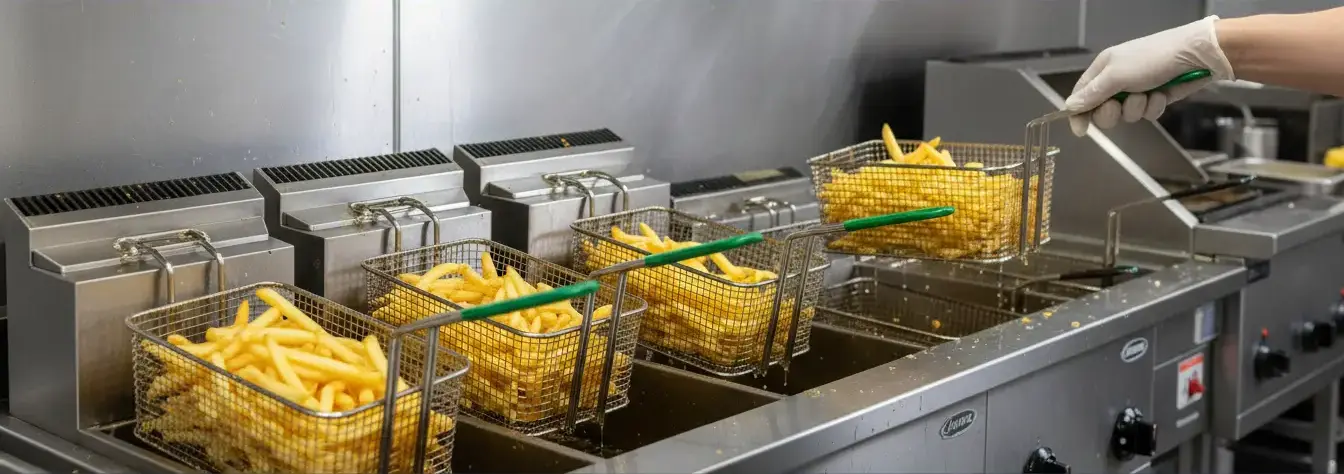
Find the Best Used Cooking Oil Collection Companies for Your Business
No obligation • Fast responses • Nationwide coverage

Why you can trust Restaurant Waste Disposal
Restaurant Waste Disposal is a leading U.S. resource for comparing restaurant composting, food-waste recycling, grease trap cleaning, and used cooking oil collection services. Our editorial team researches providers, checks credentials, and organizes unbiased information so operators can make informed decisions. Companies cannot pay to change ratings or placement.
Search providers near you
Top Used Cooking Oil Collection Companies in Georgetown, Texas Ranked
For restaurants in Georgetown, managing used cooking oil (UCO) is a critical operational and environmental responsibility. Proper disposal of this waste product is not just a best practice but a legal requirement under Texas state law, designed to protect the city's sewer infrastructure from costly blockages and damage. By partnering with a licensed grease collection service, local food service establishments can turn a waste liability into a potential revenue stream, ensuring compliance while contributing to the circular economy through recycling into biodiesel and other products. This guide outlines the essential steps for compliant UCO management, from storage and pickup to recycling and rebates.
Round Rock Recycling Center
310 Deep Wood Dr, Round Rock, TX 78681
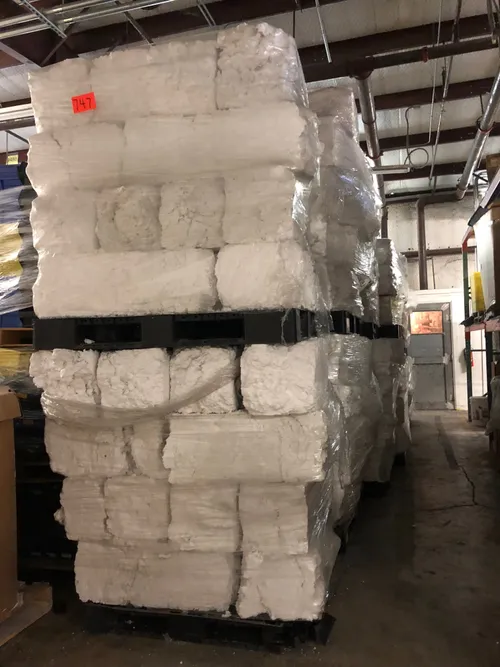
Round Rock Recycling Center in Georgetown, TX, offers a variety of recycling services including used cooking oil collection, household hazardous waste drop-off, curbside recycling, brush recycling, and Styrofoam recycling. The center accepts many types of recyclables such as aluminum, glass, paper, plastics, and scrap metal, simplifying the process by consolidating materials. It also provides a Re-USE Building where certain household hazardous waste products are made available for reuse. The center operates six days a week and serves as the city's designated drop-off location for items that cannot be recycled curbside.
Centex Grease Recovery
151 County Rd 307, Jarrell, TX 76537
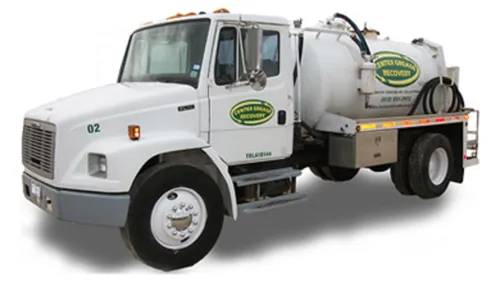
Centex Grease Recovery is a used cooking oil collection company based in Georgetown, TX. They serve restaurants throughout Central and North East Texas, including the Metroplex and San Antonio. The company collects waste vegetable oil and processes it locally into bio-diesel, a clean-burning alternative to petro-diesel. This local processing helps reduce transportation energy and supports the Central Texas economy by turning waste products into green fuel.
SouthWaste Disposal
800 Linger Ln, Austin, TX 78721
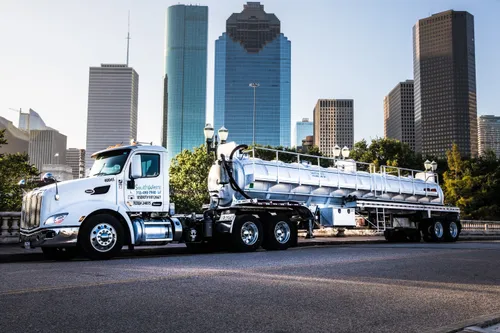
SouthWaste Disposal is a waste management company based in Austin, TX, specializing in used cooking oil collection, grease trap cleaning, and commercial plumbing services. They serve restaurants, car washes, and industrial facilities with tailored waste collection and recycling solutions. SouthWaste is licensed and permitted to handle various waste streams, including grease, grit, lint trap waste, and septic materials, ensuring compliance with local, state, and federal regulations. The company operates hydro-jetting services for drain line maintenance and repairs grease traps, backed by a licensed plumbing team. SouthWaste Disposal offers 24/7 emergency response to address urgent waste management needs promptly.

American Bio Source LLC
405 Co Rd 461, Thorndale, TX 76577
American Bio Source LLC is a used cooking oil collection company based in Georgetown, TX. They provide fryer oil collection and recycling services tailored to various industries, focusing on sustainable waste management and environmental responsibility. Their services aim to reduce environmental impact by offering customized solutions for used cooking oil recycling.
Legal Requirements for Oil Disposal in Texas
In Georgetown, restaurant oil disposal is governed by regulations from the Texas Commission on Environmental Quality (TCEQ). It is illegal to pour used fryer oil down drains, into sewers, or into storm waterways 1. This rule is strictly enforced to prevent the formation of "fatbergs"-massive congealed blockages of fat, oil, and grease that can cause sewer overflows, environmental contamination, and expensive public works repairs.
To comply, food service businesses must utilize properly maintained grease traps or interceptors and contract with licensed professionals for the regular collection and recycling of their used cooking grease. The city itself typically does not offer a direct collection program for commercial used oil; instead, compliance is managed through contracts with private, permitted hauling and recycling companies. Failure to adhere to these regulations can result in significant fines and operational disruptions.
How Used Cooking Oil Collection Works
The process for restaurant grease collection is straightforward and designed to integrate seamlessly into kitchen operations.
- Storage: After oil is used for frying, it is cooled and then transferred into a dedicated collection container. Your service provider will supply a specialized, lidded bin, typically ranging from 55 to 300 gallons in capacity, for either indoor or outdoor placement. It is crucial to keep this oil free from excess water and food debris to maintain its quality and value.
- Scheduled Pickup: Based on your establishment's volume, the collection company establishes a regular pickup schedule-whether weekly, bi-weekly, or monthly. A trained technician arrives, safely pumps the oil from your storage bin into a dedicated tank truck, and leaves you with a clean, empty container for continued use.
- Recycling & Processing: The collected oil is transported to a processing facility. There, it undergoes filtration to remove impurities. The clean UCO is then sold as a valuable feedstock, primarily for conversion into renewable biodiesel fuel, but also for use in animal feed, soaps, and industrial lubricants.
Understanding Costs and Potential Revenue
A common misconception is that used cooking oil disposal is always a cost. For many restaurants, it can be a neutral or even revenue-generating service, depending on volume and oil quality.
- Free Service for Smaller Volumes: Many collection companies offer free pickup and container rental for restaurants generating a minimum volume, often around 40 gallons or more per collection cycle2. This service is provided because the value of the recycled oil covers their operational costs.
- Rebates for Larger Volumes: As your monthly oil volume increases, so does its potential value.
- Medium Volume (e.g., 100-300 gallons/month): May qualify for a small rebate, often in the range of $0.10 to $0.25 per gallon.
- Payment Structures: Revenue from UCO typically comes as a rebate, which can be issued as a check, a direct deposit, or a credit against other services (like grease trap cleaning).
Key Factors for Maximizing Value:
- Oil Quality: Clean, uncontaminated oil free of water and food solids fetches the best price on the recycling market5.
- Consistent Volume: Steady, predictable volume allows for efficient scheduling and can strengthen your negotiating position for better rebate rates.
Find the perfect used cooking oil collection companies for your needs
Get personalized recommendations and expert advice
Best Practices for On-Site Oil Management
Proper handling before pickup protects your kitchen, ensures compliance, and maximizes the value of your oil.
- Use Designated Containers: Always store used oil in the purpose-built container provided by your hauler. Never use makeshift containers that can leak or spill.
- Strain and Cool: Allow oil to cool sufficiently before transferring it. Straining it to remove large food particles helps maintain quality.
- Keep Lids Sealed: Ensure collection bin lids are closed when not in use to prevent rainwater, debris, or pests from contaminating the oil.
- Separate Grease Trap Waste: Do not pour liquid fryer oil into your grease trap or interceptor. Grease traps are designed for the fats, oils, and grease (FOG) that congeal in dishwater, not for bulk liquid cooking oil. These require separate, professional cleaning services6.
- Maintain Records: Keep logs of pickup dates, volumes collected, and any rebate invoices. This documentation is useful for tracking trends and verifying service compliance.
Finding a Reliable Collection Service in Georgetown
When selecting a used cooking oil recycler, due diligence is important. Look for providers that are fully licensed and permitted by the TCEQ to transport and recycle UCO in Texas7. Seek out companies with a strong local presence in the Austin metro area, which includes Georgetown, as this often translates to reliable, timely service.
Start your search using terms like "Used Cooking Oil Recycling Georgetown," "Restaurant Grease Collection Austin metro," or "UCO Disposal Services Texas." Reach out to several providers to request service quotes. Be prepared to discuss your average monthly oil volume, your current storage setup, and desired pickup frequency. Reputable local and national companies serving the area include Baker Commodities, ReGrease, and Grand Natural Inc., among others 8 9.
The Environmental Impact of Proper Recycling
Choosing professional used cooking oil collection is a significant green initiative for your restaurant. Every gallon of UCO recycled into biodiesel reduces reliance on fossil fuels and lowers greenhouse gas emissions10. It also ensures this waste product is kept out of landfills and waterways, supporting local and global sustainability goals. Promoting your restaurant's commitment to proper oil recycling can also resonate positively with environmentally conscious customers in the Georgetown community.
Frequently asked questions
Sources
Footnotes
-
Used Oil Recycling Program - https://www.tceq.texas.gov/permitting/registration/used_oil/recycling.html ↩
-
Grease Collection Service: What is it - https://www.grandnaturalinc.com/blog/what-is-grease-collection-service.html ↩
-
Restaurant Used Cooking Oil Recycling & Disposal Guide - https://greaseconnections.com/restaurant-used-cooking-oil-disposal-recycling-revenue-guide/ ↩
-
Restaurant Oil Disposal: Explained - Eazy Grease - https://eazygrease.com/how-do-restaurants-get-rid-of-their-oil/ ↩
-
Used Cooking Oil Disposal: Complete Guide to Grease Pickups - https://greaseconnections.com/used-cooking-oil-disposal-guide-grease-pickups/ ↩
-
Restaurants are Required to Maintain Grease Traps - https://www.defendyourdrainsnorthtexas.org/restaurants.html ↩
-
Used Cooking Oil Regulations for Food Service Businesses - https://bakercommodities.com/blog/2024/02/08/legal-requirement-used-cooking-grease/ ↩
-
Used Cooking Oil Disposal - ReGrease - https://regrease.com/used-cooking-oil-pickup/ ↩
-
Used Cooking Oil (UCO) Collection Service For Restaurants - https://thegreasecompany.com/blog/restaurant-used-cooking-oil-collection/ ↩
-
Recycling Used Cooking Oil With Green Grease Environmental - https://www.youtube.com/watch?v=KP05Yx-GkHk ↩