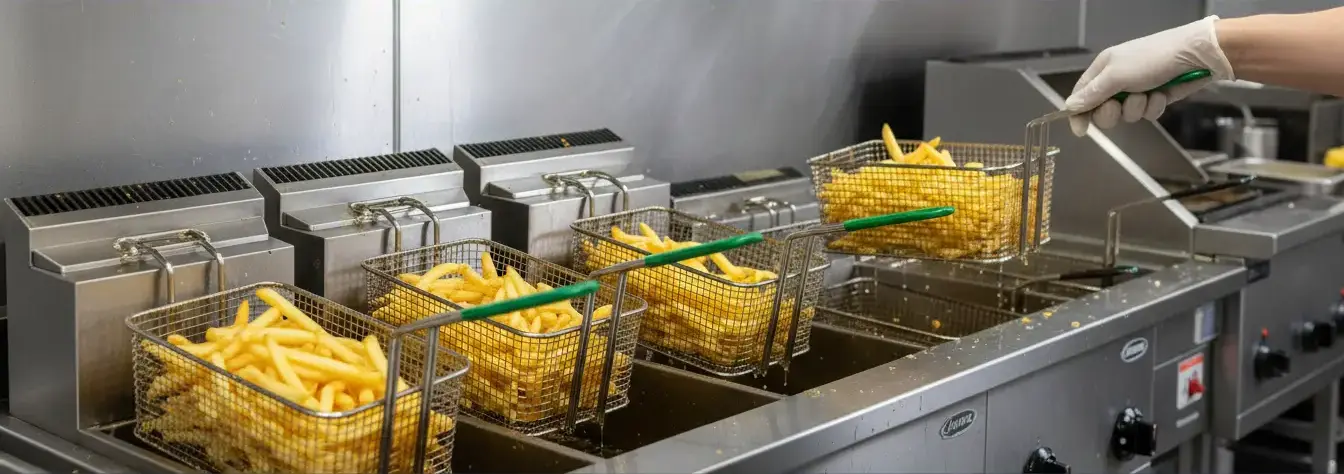
Find the Best Used Cooking Oil Collection Companies for Your Business
No obligation • Fast responses • Nationwide coverage

Why you can trust Restaurant Waste Disposal
Restaurant Waste Disposal is a leading U.S. resource for comparing restaurant composting, food-waste recycling, grease trap cleaning, and used cooking oil collection services. Our editorial team researches providers, checks credentials, and organizes unbiased information so operators can make informed decisions. Companies cannot pay to change ratings or placement.
Search providers near you
Top Used Cooking Oil Collection Companies in Corpus Christi, Texas Ranked
For restaurants and food service establishments in Corpus Christi, managing used cooking oil (UCO) is a critical operational and environmental responsibility. Proper grease collection and recycling are not only mandated by local ordinances but also present an opportunity to contribute to a circular economy, turning waste into valuable resources like biodiesel. Navigating the requirements for grease trap maintenance, secure storage, and partnering with licensed haulers ensures compliance with the city's Fats, Oils, and Grease (FOG) program while preventing costly sewer blockages and potential fines. This guide outlines the essential steps for effective UCO management, from understanding local rules to implementing best practices for storage and pickup.
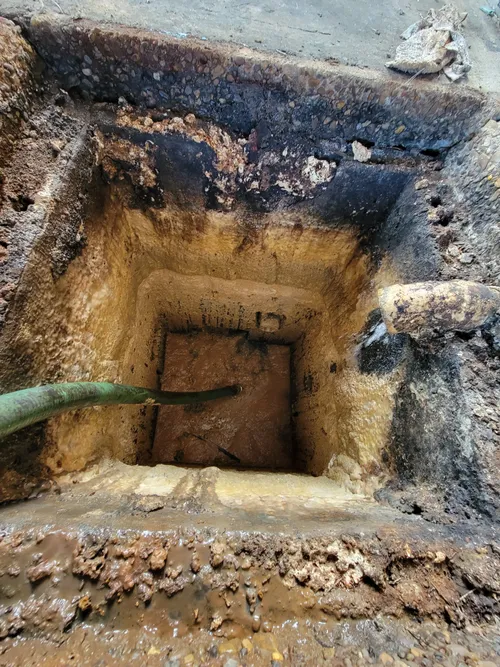
Understanding Corpus Christi's FOG Program
The City of Corpus Christi enforces a Fats, Oils, and Grease (FOG) program designed to protect the municipal sewer system from blockages that can lead to sanitary sewer overflows. All food service establishments (FSEs) are required to prevent FOG from entering drains.
Key requirements include:
- Grease Removal Devices (GRDs): You must install and maintain an approved grease trap or interceptor. This device is your first line of defense, capturing grease before wastewater leaves your facility. Maintenance, including regular pumping and cleaning, is the responsibility of the business owner to ensure continuous, effective operation.
- Licensed Haulers: Used cooking oil and grease trap waste must be removed and transported by a licensed hauler or transporter. Using an unlicensed service can result in compliance violations.
- Record-Keeping: Maintain records of all grease interceptor cleanings and used oil pickups. These documents are crucial for demonstrating compliance during city inspections.
Adhering to these regulations is foundational. The next step is establishing a reliable system for handling the oil once it leaves your fryer and before it's collected by a hauler.
Best Practices for On-Site Oil Storage & Handling
How you store and handle oil on-site directly impacts its recyclable value and the safety and cleanliness of your operation. Proper protocols also deter theft, which can be a concern for this valuable commodity.
Container and Security Protocols:
- Use Approved Containers: Store used fryer oil in dedicated, leak-proof, and non-reactive containers. Stainless steel or heavy-duty plastic drums with tight-fitting, locking lids are standard 1.
- Prioritize Security: Always lock containers and storage areas. This prevents unauthorized dumping, contamination, and theft of oil, which has a resale value on the commodities market 2.
- Choose the Right Location: Place containers in a cool, dark, and accessible area for pickup crews, away from direct heat sources and sunlight to maintain oil quality.
Staff Training for Oil Quality: The cleaner the oil you provide, the more valuable it is for recycling. Train kitchen staff on proper disposal techniques:
- Filter Solids: Use a strainer to remove food particles before transferring oil to storage containers.
- Avoid Contaminants: Never mix used cooking oil with water, soap, or other liquids. Contamination significantly reduces its value for biodiesel production.
- Designate Collection Points: Have clear, labeled stations for oil cooling and transfer to prevent accidental disposal down the drain.
Find the perfect used cooking oil collection companies for your needs
Get personalized recommendations and expert advice
The Collection and Recycling Process Explained
Partnering with a professional used cooking oil collection service streamlines the entire process from pickup to recycling. Here's how it typically works for a Corpus Christi restaurant:
- Scheduled Pickup: After setting up service, you'll receive secure collection containers. The provider will establish a regular pickup schedule-weekly, bi-weekly, or monthly-based on your volume. Some also offer on-demand pickups for unexpected needs.
- Professional Collection: On the scheduled day, a trained driver collects the full containers, leaves clean ones if needed, and provides documentation for your records. Licensed haulers ensure all transportation complies with local and state regulations 3.
- Processing into New Products: The collected oil is transported to a processing facility. There, it undergoes cleaning and refining processes, often involving centrifuges and filters, to remove impurities4. The end product is typically a feedstock for biodiesel production, animal feed supplements, or industrial lubricants, completing the recycling loop 4.
Cost Structures and Potential Rebates
The financial model for used cooking oil collection in Corpus Christi can vary. Many services offer free pickup, with revenue generated through the sale of the recycled oil. This often allows them to share rebates with restaurants that generate high volumes of quality oil.
Common Pricing and Rebate Models:
- Free Pickup with Potential Rebates: This is a prevalent model. The collection service provides equipment and pickup at no direct charge. They then sell the oil to recyclers and may pay you a rebate based on volume and quality.
- Low Volume (e.g., under 100 gallons/month): Often qualifies for free pickup but may not generate a rebate payment.
- Medium to High Volume (e.g., 100-300+ gallons/month): Can earn rebates that range from $0.10 to over $0.65 per gallon, depending on market prices and oil purity 5. For high-volume establishments, these rebates can effectively offset other waste management costs.
- Service Fee Model: Some providers, particularly for businesses with very low output or irregular needs, may charge a monthly or per-pickup service fee. These fees can range from approximately $50 to $200 or more but are sometimes waived if a rebate agreement is in place6 7.
Maximizing Your Return: The key to securing the best financial terms is maintaining high oil quality (free of water and food debris) and generating consistent volume. It's advisable to discuss both costs and potential revenue-sharing (rebates) with any service provider you consider.
Choosing a Local Collection Service
When selecting a partner for grease recycling and used oil collection in Corpus Christi, due diligence is important. Look for providers that align with your operational needs and compliance requirements.
Essential Selection Criteria:
- Proper Licensing: Verify the hauler is licensed to operate in Corpus Christi and can provide proof of insurance8.
- Service Offerings: Many companies bundle services. You may find providers that offer both used cooking oil collection and grease trap cleaning, which can simplify vendor management.
- Equipment and Reliability: Ensure they provide secure, lockable containers and have a track record of reliable, on-schedule pickups.
- Environmental Commitment: Choose a service that transparently recycles 100% of the collected oil into beneficial products like biodiesel, ensuring it doesn't end up in a landfill9 10.
Implementing a robust used cooking oil management system protects your business from regulatory issues, contributes to local environmental goals, and can provide a modest revenue stream. By understanding Corpus Christi's FOG rules, enforcing strict on-site handling, and partnering with a reputable, licensed hauler, restaurant operators can turn a waste product into a resource.
Frequently asked questions
Sources
Footnotes
-
Restaurant Oil Disposal: Explained - Eazy Grease - https://eazygrease.com/how-do-restaurants-get-rid-of-their-oil/ ↩
-
Used Cooking Oil (UCO) Collection Service For Restaurants - https://thegreasecompany.com/blog/restaurant-used-cooking-oil-collection/ ↩
-
Cooking Oil Collection & Grease Recycling Service - https://thegreasecompany.com/oilcollection.html ↩
-
What is The Process of Recycling Used Cooking Oil - https://bakercommodities.com/blog/2023/07/24/how-technology-recycles-used-cooking-oil/ ↩ ↩2
-
Restaurant Used Cooking Oil Recycling & Disposal Guide - https://greaseconnections.com/restaurant-used-cooking-oil-disposal-recycling-revenue-guide/ ↩
-
Used Cooking Oil Disposal: Complete Guide to Grease Pickups - https://greaseconnections.com/used-cooking-oil-disposal-guide-grease-pickups/ ↩
-
Used Cooking Oil Pickup vs Drop-Off - GreasePros Recycling - https://www.greaseprosrecycling.com/used-cooking-oil-pickup-vs-drop-off/ ↩
-
City of Corpus Christi Fats, Oil and Grease (FOG) Program ... - https://www.corpuschristitx.gov/media/nq4djdqv/cleanbays-fog-manual-epa.pdf ↩
-
Used Cooking Oil Pickup and Recycling Services in Corpus ... - https://www.grandnatural.com/locations/used-cooking-oil-recycling-in-corpus-christi.html ↩
-
Used Cooking Oil Collection Corpus Christi - https://www.grandnaturalinc.com/locations/used-cooking-oil-recycling-in-corpus-christi.html ↩