
Find the Best Used Cooking Oil Collection Companies for Your Business
No obligation • Fast responses • Nationwide coverage

Why you can trust Restaurant Waste Disposal
Restaurant Waste Disposal is a leading U.S. resource for comparing restaurant composting, food-waste recycling, grease trap cleaning, and used cooking oil collection services. Our editorial team researches providers, checks credentials, and organizes unbiased information so operators can make informed decisions. Companies cannot pay to change ratings or placement.
Search providers near you
Top Used Cooking Oil Collection Companies in Midland, Texas Ranked
For restaurants and food service establishments in Midland, managing used cooking oil (UCO) is a critical operational and environmental responsibility. Proper collection and recycling of this waste stream not only ensures compliance with Texas state regulations but also supports the local circular economy by transforming a waste product into valuable resources like biodiesel. Specialized service providers in the area offer comprehensive solutions, including secure storage containers, scheduled pickups, and processing, turning a potential disposal headache into a streamlined, and sometimes revenue-generating, process. Navigating the options for grease trap servicing, container types, and pickup schedules is key to finding an efficient and compliant UCO management program tailored to your kitchen's volume and needs.
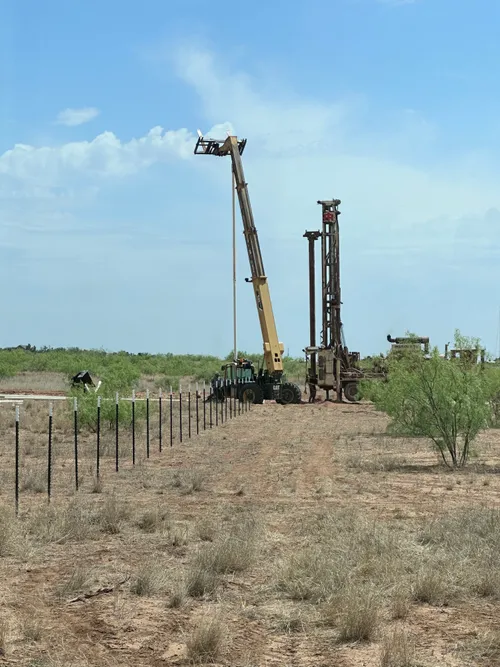
B T Energy Recycle Services
3027 W 2nd St, Odessa, TX 79763
B T Energy Recycle Services is a used cooking oil collection company based in Midland, TX. The company specializes in collecting used cooking oil for recycling and proper disposal. They serve businesses in the Midland area, helping to manage cooking oil waste in an environmentally responsible way.
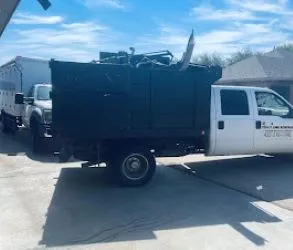
H2Oil Disposal & Recovery Svcs
north, 7975 US-385, Odessa, TX 79766
H2Oil Disposal & Recovery Svcs is a company based in Odessa, TX, specializing in the collection of used cooking oil. They focus on environmentally responsible disposal and recovery services for commercial clients in the area.
Understanding Texas Regulations for Used Oil
Compliance is the foundation of any used cooking oil management plan. In Texas, the Texas Commission on Environmental Quality (TCEQ) sets clear rules to prevent environmental contamination. It is illegal to dump used oil or oil filters into drains, onto the ground, or into the trash 1 2. The TCEQ mandates that used oil must be stored in containers or tanks that are in good condition-not leaking-and clearly labeled as "Used Oil" 1 3. Containers must also be kept covered to prevent rainwater accumulation, spills, and to deter theft 3. Adhering to these storage guidelines is not just a legal requirement; it protects your business from potential fines and contributes to community environmental safety.
Choosing the Right Storage Container
Service providers in Midland typically supply the storage containers as part of their collection service. The right choice depends on your kitchen's space and oil production volume.
- Indoor Bins: Smaller, sealed containers are ideal for kitchens with limited exterior space or lower oil output. Keeping containers indoors is also a highly effective theft-prevention strategy.
- Outdoor Bins: For establishments with higher frying volumes, larger outdoor storage bins, ranging from 110 to 300 gallons, are common. These are designed for durability and often feature locking lids to secure the valuable contents from unauthorized siphoning, a noted concern in the industry 4.
Securing your oil isn't just about loss prevention; it also ensures the oil remains uncontaminated, which is necessary for proper recycling. A locked, labeled, and covered bin is the standard for compliant and secure UCO storage in Midland.
The Collection and Recycling Process
Once your oil is stored, the collection process is handled by your service provider. Companies use specialized trucks, often equipped with vacuum systems, to efficiently pump out the used oil from your bin. Pickups can be arranged on a regular schedule (e.g., weekly, monthly) based on your usage, or on a "will call" basis when your container is full. Some advanced services even offer predictive scheduling using data to optimize pickup times.
After collection, the oil is transported to a processing facility. There, it undergoes filtering and purification to remove food particles and water. The clean oil is then a prime feedstock for the production of biodiesel, a renewable fuel, or other products like animal feed supplements and industrial lubricants. This process closes the loop, ensuring the oil from Midland's restaurants is repurposed responsibly.
Cost Structure and Potential Revenue
The financial model for used cooking oil collection varies significantly with volume. Many providers offer free equipment and pickup services, with their revenue coming from the sale of the recycled oil.
- For High-Volume Producers: Restaurants that generate large amounts of UCO may qualify for rebate programs. These rebates can range from $0.10 to $0.65 per gallon collected, which can offset disposal costs and potentially provide a small income stream 5 6.
- For Lower-Volume Establishments: If your volume is lower, you might encounter a service fee for pickup. These fees can be in the range of $0.10 to $0.25 per gallon for containers in the 100-300 gallon size 7. It's important to discuss pricing structures transparently with potential providers to understand all costs or benefits.
Find the perfect used cooking oil collection companies for your needs
Get personalized recommendations and expert advice
Service Provider Options in Midland
Several companies specialize in used cooking oil collection and related services in the Midland area. Each may offer slightly different programs, so it's beneficial to compare.
- Grand Natural Inc: Provides UCO recycling services with a focus on secure containers and compliance, also addressing grease trap cleaning 8.
- Lorco Petroleum Services: Offers used oil and used oil filter collection services for the Midland area 9.
- ReGrease: Emphasizes efficient, data-driven service with predictive pickup scheduling to optimize the collection process 10.
- January Environmental: A local provider listing waste disposal services for Midland, which can include used oil management 11.
When evaluating providers, consider their reliability, compliance record, container options, and flexibility in scheduling to find the best fit for your operation.
Integrating Grease Trap Maintenance
For a complete kitchen waste management solution, many restaurants pair used cooking oil collection with regular grease trap or grease interceptor service. While UCO should never be poured into drains, fats, oils, and grease (FOG) still enter the wastewater system through dishwashing. A clogged grease trap can lead to severe backups, odors, and regulatory violations. Some full-service providers can manage both your UCO collection and your scheduled grease trap cleaning, ensuring all aspects of grease waste are handled professionally and in compliance with local sewer ordinances.
Best Practices for Restaurant Managers
To maximize efficiency and safety, follow these key practices:
- Cool Before Transferring: Always allow oil to cool completely before transferring it from fryers to storage containers to prevent burns and fires.
- Avoid Contaminants: Do not mix used cooking oil with other liquids, chemicals, or solid waste. Contaminated oil has a lower recycling value and may incur additional handling fees.
- Monitor Fill Levels: Keep an eye on your container's fill level to schedule pickups before it overflows. An overfull bin is a spill hazard and non-compliant.
- Maintain Access: Ensure the collection driver has clear, safe access to your storage bin on pickup day.
- Keep Records: Maintain logs of pickup dates and volumes. This is helpful for internal tracking and verifying rebate calculations if you are in a revenue-sharing program.
Implementing these steps creates a smooth, safe, and compliant workflow for your kitchen staff.
The Environmental Impact of Recycling UCO
Choosing to recycle used cooking oil has a direct positive impact on the environment. Diverting this waste from landfills and waterways is the first major benefit. The subsequent conversion into biodiesel is a significant win for sustainability. Biodiesel burns cleaner than petroleum diesel, reducing greenhouse gas emissions and particulate matter 12. By participating in a UCO recycling program, Midland restaurants actively contribute to a reduction in fossil fuel dependence and support the creation of a renewable energy source, enhancing the community's environmental stewardship.
Frequently asked questions
Sources
Footnotes
-
TCEQ RG-325 Used Oil Recycling - Texas.gov - https://www.tceq.texas.gov/downloads/permitting/waste-registration/pub/rg-325.pdf/@@download/file/rg-325.pdf ↩ ↩2
-
Used Oil Recycling Program - https://www.tceq.texas.gov/permitting/registration/used_oil/recycling.html ↩
-
Used Oil: Collection - https://www.tceq.texas.gov/permitting/registration/used_oil/collection.html ↩ ↩2
-
Used Cooking Oil (UCO) Collection Service For Restaurants - https://thegreasecompany.com/blog/restaurant-used-cooking-oil-collection/ ↩
-
Used Cooking Oil Collection Midland - https://www.grandnaturalinc.com/locations/used-cooking-oil-recycling-in-midland.html ↩
-
Restaurant Used Cooking Oil Recycling & Disposal Guide - https://greaseconnections.com/restaurant-used-cooking-oil-disposal-recycling-revenue-guide/ ↩
-
Used Cooking Oil Disposal: Complete Guide to Grease Pickups - https://greaseconnections.com/used-cooking-oil-disposal-guide-grease-pickups/ ↩
-
Grease Collection Service: What is it - Grand Natural Inc - https://www.grandnaturalinc.com/blog/what-is-grease-collection-service.html ↩
-
Midland Oil Recycling - Lorco Petroleum Services - https://lorcopetroleum.com/midland-va-oil-recycling/ ↩
-
Used Cooking Oil Disposal - ReGrease - https://regrease.com/used-cooking-oil-pickup/ ↩
-
Midland TX Waste Disposal - https://januaryenv.com/locations/midland/ ↩
-
Recycling Used Cooking Oil With Green Grease Environmental - https://www.youtube.com/watch?v=KP05Yx-GkHk ↩