Find the Best Used Cooking Oil Collection Companies for Your Business
No obligation • Fast responses • Nationwide coverage

Why you can trust Restaurant Waste Disposal
Restaurant Waste Disposal is a leading U.S. resource for comparing restaurant composting, food-waste recycling, grease trap cleaning, and used cooking oil collection services. Our editorial team researches providers, checks credentials, and organizes unbiased information so operators can make informed decisions. Companies cannot pay to change ratings or placement.
Search providers near you
Top Used Cooking Oil Collection Companies in Austin, Texas Ranked
For Austin's vibrant restaurant scene, managing used cooking oil (UCO) is more than just a routine task-it's a critical component of operational compliance, environmental stewardship, and financial management. Proper collection and recycling of this liquid waste are governed by a combination of city ordinances and state regulations, designed to protect the local watershed and sewer infrastructure. By partnering with licensed haulers, restaurants can transform a waste product into a valuable commodity, primarily biodiesel, while avoiding significant penalties. This guide outlines the essential steps, best practices, and economic considerations for effective used cooking oil management in the Texas capital.
Round Rock Recycling Center
310 Deep Wood Dr, Round Rock, TX 78681
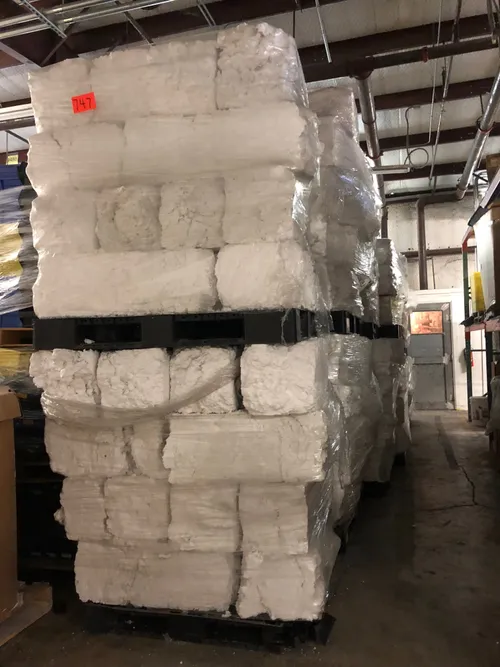
Round Rock Recycling Center in Georgetown, TX, offers a variety of recycling services including used cooking oil collection, household hazardous waste drop-off, curbside recycling, brush recycling, and Styrofoam recycling. The center accepts many types of recyclables such as aluminum, glass, paper, plastics, and scrap metal, simplifying the process by consolidating materials. It also provides a Re-USE Building where certain household hazardous waste products are made available for reuse. The center operates six days a week and serves as the city's designated drop-off location for items that cannot be recycled curbside.
SouthWaste Disposal
800 Linger Ln, Austin, TX 78721
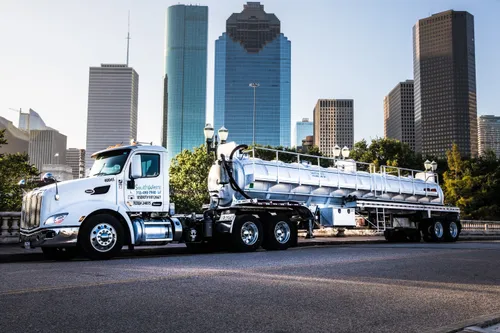
SouthWaste Disposal is a waste management company based in Austin, TX, specializing in used cooking oil collection, grease trap cleaning, and commercial plumbing services. They serve restaurants, car washes, and industrial facilities with tailored waste collection and recycling solutions. SouthWaste is licensed and permitted to handle various waste streams, including grease, grit, lint trap waste, and septic materials, ensuring compliance with local, state, and federal regulations. The company operates hydro-jetting services for drain line maintenance and repairs grease traps, backed by a licensed plumbing team. SouthWaste Disposal offers 24/7 emergency response to address urgent waste management needs promptly.
Understanding Austin's Regulatory Landscape
Navigating the rules for grease and oil disposal is the first step for any food service establishment. In Austin, commercial kitchens are legally required to use private haulers who are licensed by the Texas Commission on Environmental Quality (TCEQ) and permitted by the City of Austin for grease trap waste services 1. Dumping used fryer oil or grease trap contents into sewers, storm drains, or onto land is strictly prohibited under Texas law and can result in severe fines 2.
The city also promotes voluntary compliance standards for handling used cooking oil to encourage best practices that go beyond the minimum legal requirements 3. Furthermore, Austin's Universal Recycling Ordinance (URO) supports commercial organics diversion, which includes used cooking oil, and non-compliance can lead to penalties 4. This regulatory framework makes proper UCO collection not just an environmental choice, but a legal necessity.
The Step-by-Step Collection and Recycling Process
A streamlined process ensures oil is handled safely from your fryer to its next life as renewable fuel.
- Generation: Oil is generated daily from deep fryers, flat-top grills, and other cooking equipment. Grease is also collected in interceptors (grease traps).
- Safe Storage: Immediately after use, oil should be cooled and transferred to approved, secure storage containers. This step is crucial for safety and maintaining oil quality.
- Professional Partnership: Restaurants must contract with a licensed private hauler permitted to operate in Austin. These companies provide the collection bins and schedule pickups 5 6.
- Scheduled Pickup: The hauler collects the accumulated oil on a regular schedule-weekly, bi-weekly, or monthly-depending on the volume your kitchen produces. They ensure bins are swapped or emptied before they overflow.
- Recycling & Repurposing: The collected oil is transported to a processing facility where it is cleaned and rendered. The primary end product is biodiesel, a cleaner-burning renewable fuel, turning your waste into a valuable resource 7.
Best Practices for On-Site Storage and Handling
Proper on-site management protects your business from mess, theft, and contamination that can reduce the oil's value.
- Use the Right Containers: Store oil in dedicated, non-reactive, and leak-proof containers, such as stainless steel or heavy-duty plastic, with tight-sealing lids 8.
- Choose a Secure Location: Storage strategies vary. For smaller volumes (40-55 gallons), indoor storage in a designated area is often recommended to prevent theft. For larger operations, outdoor locking bins (typically 110-300 gallons) are standard; these specialized containers are provided by your hauler and are designed to be secure and tamper-resistant 9.
- Maintain Oil Quality: The value of your oil depends on its purity. Use drain screens and absorbent paper to filter out food particles and prevent water from entering the storage container. Clean oil free of contaminants commands a higher price from recyclers 10.
- Prevent Overflow and Theft: Work with your hauler to determine an optimal pickup frequency. Never allow bins to overfill, as this creates a spill hazard and attracts pests. Locking outdoor bins are a strong deterrent against unauthorized "grease theft," which is a common issue.
Find the perfect used cooking oil collection companies for your needs
Get personalized recommendations and expert advice
The Economics of Used Cooking Oil: Cost vs. Revenue
Used cooking oil management can swing from a minor expense to a source of revenue, largely dictated by the volume and quality of oil your restaurant produces.
- For High-Volume, High-Quality Producers: If your establishment generates significant amounts of clean used oil, you can often receive a rebate or payment from your hauler. Rates can vary, but illustrative tiers show potential revenue ranging from $0.10 to $0.65 per gallon, with higher volumes typically earning higher rates 11 12. This revenue can offset or even cover the cost of associated grease trap services.
- For Lower-Volume or Contaminated Streams: Restaurants with lower output (e.g., under 100 gallons per month) or issues with contaminated oil may not qualify for payment. In these cases, haulers might charge a fee for collection or offer free pickup as part of a bundled service agreement, with fees applied per gallon for larger amounts. The key takeaway is that proper management and maintaining clean oil directly impact your bottom line.
Environmental and Community Impact
Choosing professional used cooking oil collection has a positive ripple effect on the Austin community. Diverting this waste from landfills and sewers directly protects the city's vital waterways, including Lady Bird Lake and the Colorado River, from pollution and harmful "fatberg" formations in sewer lines. By recycling UCO into biodiesel, restaurants contribute to a circular economy, reducing reliance on fossil fuels and lowering overall carbon emissions. This commitment to sustainability aligns with Austin's broader environmental goals and enhances a business's reputation among eco-conscious patrons.
Selecting a Service Provider in Austin
When choosing a used cooking oil collection partner, due diligence is important. Always verify that the hauler holds the necessary TCEQ license and City of Austin permit. Look for providers with a strong local reputation, reliable service schedules, and clear, transparent agreements. Consider whether they provide secure, locking containers and if their service includes regular maintenance or inspection of your storage area. A good partner will help you optimize your system for both compliance and cost-effectiveness.
Frequently asked questions
Sources
Footnotes
-
Pretreatment Frequently Asked Questions | AustinTexas.gov - https://www.austintexas.gov/department/pretreatment-frequently-asked-questions ↩
-
Used Oil Recycling Program - https://www.tceq.texas.gov/permitting/registration/used_oil/recycling.html ↩
-
Austin Used Cooking Oil Initiative Voluntary Compliance ... - https://austintexas.gov/sites/default/files/files/Watershed/pollution_prevention/Austin-Used-Cooking-Oil-Initiative-Voluntary-Compliance-Standards.pdf ↩
-
Commercial Organics Diversion Requirements - AustinTexas.gov - https://www.austintexas.gov/bizorganics ↩
-
Restaurant Grease Recycling in Austin, Texas - https://bakercommodities.com/our-locations/austin-tx/ ↩
-
Restaurant Grease Disposal - Austin - ReGrease - https://regrease.com/restaurant-grease-disposal-austin/ ↩
-
Used Cooking Oil Collection Austin - Grand Natural Inc - https://www.grandnaturalinc.com/locations/used-cooking-oil-recycling-in-austin.html ↩
-
Grease Collection Service: What is it - Grand Natural Inc - https://www.grandnaturalinc.com/blog/what-is-grease-collection-service.html ↩
-
Used Cooking Oil (UCO) Collection Service For Restaurants - https://thegreasecompany.com/blog/restaurant-used-cooking-oil-collection/ ↩
-
Grease Blob - AustinTexas.gov - https://www.austintexas.gov/department/grease-blob ↩
-
Restaurant Used Cooking Oil Recycling & Disposal Guide - https://greaseconnections.com/restaurant-used-cooking-oil-disposal-recycling-revenue-guide/ ↩
-
Used Cooking Oil Pricing & Business Guide - Grease Connections - https://greaseconnections.com/used-cooking-oil-pricing-guide/ ↩