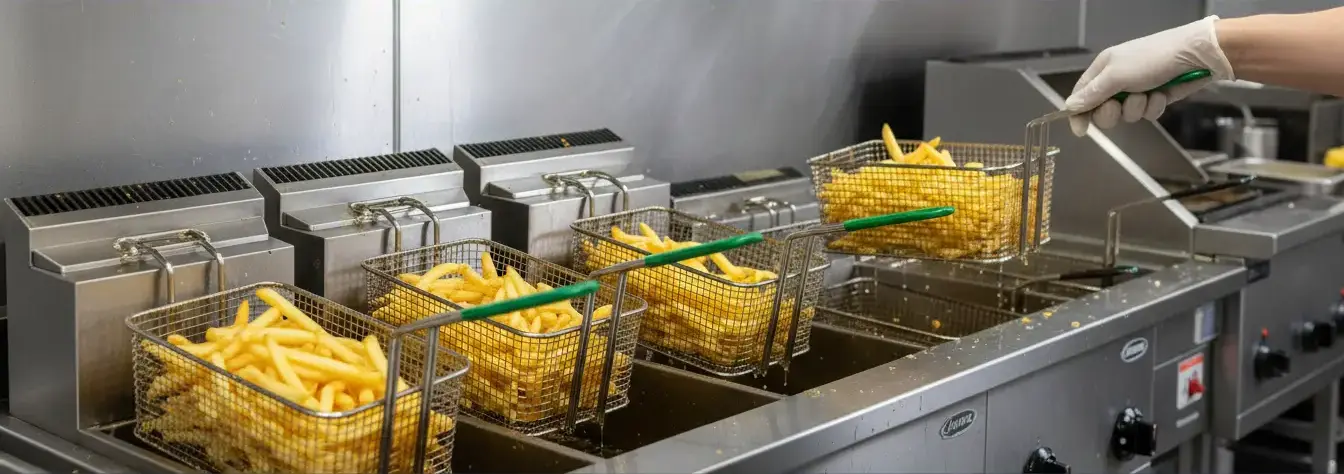
Find the Best Used Cooking Oil Collection Companies for Your Business
No obligation • Fast responses • Nationwide coverage

Why you can trust Restaurant Waste Disposal
Restaurant Waste Disposal is a leading U.S. resource for comparing restaurant composting, food-waste recycling, grease trap cleaning, and used cooking oil collection services. Our editorial team researches providers, checks credentials, and organizes unbiased information so operators can make informed decisions. Companies cannot pay to change ratings or placement.
Search providers near you
Best Used Cooking Oil Collection Companies in Texas Ranked
For Texas restaurants, managing used cooking oil (UCO) is a critical operational and environmental responsibility. Proper collection and recycling prevent costly plumbing disasters, ensure compliance with state and local regulations, and can even turn a waste product into a potential revenue stream. Navigating the rules set by the Texas Commission on Environmental Quality (TCEQ) and local municipalities is essential for legal and sustainable operations. This guide outlines the key requirements, best practices, and economic considerations for UCO management in the Lone Star State.
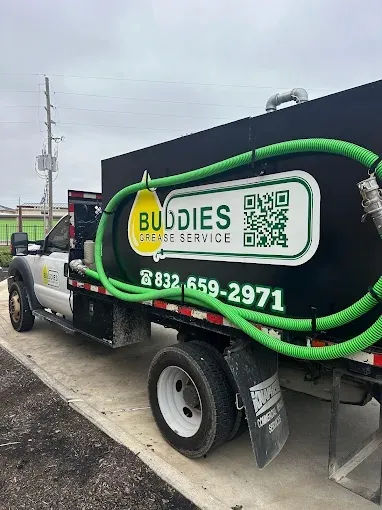
Buddies Grease Service
8419B Garvin Ave, Houston, TX 77064
Buddies Grease Service is a Houston, TX-based company specializing in used cooking oil collection, grease trap cleaning, hydro jetting, and pressure washing for commercial kitchens. They serve a wide range of businesses including restaurants, food trucks, and cafeterias, providing scheduled pickups and eco-friendly recycling that converts waste oil into renewable biofuel. Their hydro jetting service uses high-pressure water to clear grease and debris from drains, helping prevent clogs and plumbing issues. Buddies Grease Service is fully licensed and compliant with local and federal regulations, offering detailed documentation to support health and environmental compliance. They serve Houston and surrounding areas including The Woodlands, Katy, Sugar Land, and more.

Liquid Environmental Solutions
7651 Esters Blvd Suite 200, Irving, TX 75063
Liquid Environmental Solutions is a non-hazardous liquid waste management company based in Fort Worth, TX. They provide services including used cooking oil collection, grease trap and interceptor cleaning, oil water separator and grit trap cleaning, and wastewater disposal. The company serves industries such as restaurants, grocery stores, convenience stores, automotive services, and environmental services, focusing on compliance and sustainability. Founded over twenty years ago, Liquid Environmental Solutions operates with state-of-the-art equipment and facilities to support their service delivery across multiple locations.
DAR PRO Solutions
5601 N MacArthur Blvd, Irving, TX 75063
DAR PRO Solutions is a used cooking oil collection company based in Fort Worth, TX. They specialize in collecting and recycling used cooking oil for businesses in the area. While the company has served clients for several years, recent reviews indicate some challenges with service consistency.
A C S Oil Recovery
13946 Hwy 75 N, Willis, TX 77378
A C S Oil Recovery is a used cooking oil collection company based in Houston, TX. The company specializes in collecting used cooking oil from various commercial sources to support recycling and proper disposal efforts. They serve businesses in the Houston area, helping manage cooking oil waste responsibly.
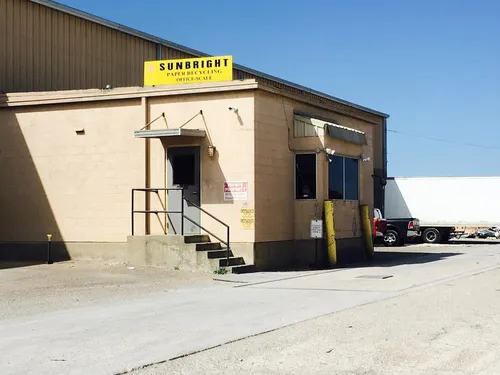
City of Waco Cobbs Recycling Center
4201 Trice Ave, Waco, TX 76710
City of Waco Cobbs Recycling Center provides self-service recycling options for residents in Waco, TX. The center accepts a variety of household recyclable materials including plastics, glass, metals, paper, used cooking oil, batteries, light bulbs, electronic waste, and more. It offers specific services for Waco residents such as used motor oil and antifreeze disposal, bulky waste drop-off, and appliance recycling with refrigerant removal. The facility supports responsible recycling with clear guidelines on acceptable and unacceptable items.
Texas Regulatory Framework for Used Oil
In Texas, used cooking oil is regulated under the state's Used Oil Recycling Program, primarily governed by TCEQ rules (30 TAC Chapter 324) and state law (Texas Health and Safety Code, Chapter 371)1. These regulations classify UCO as "used oil," which is defined as any oil that has been refined from crude or synthetic oil and, as a result of use, is contaminated by physical or chemical impurities. The rules are designed to encourage recycling while preventing environmental harm.
Key regulated parties include generators (like restaurants), collection centers, transporters, and processors/re-refiners. The law mandates proper storage, labeling, and transportation, with specific registration requirements for entities moving larger volumes. Understanding where your business fits within this framework is the first step toward compliance.
Prohibited Actions: What Not to Do
The most critical rules are prohibitions. To avoid significant fines and environmental damage, Texas restaurants must never:
- Dump UCO down drains, into sewers, or onto land. This is illegal and a major contributor to sanitary sewer overflows (SSOs), which can lead to hefty municipal penalties.
- Use UCO for dust suppression on roads or property. This practice is explicitly prohibited.
- Dispose of UCO with regular solid waste in a manner that could lead to leaks and soil contamination.
Violations can result in enforcement actions from the TCEQ or local public works departments, including notices of violation and financial penalties.
On-Site Storage and Handling Best Practices
Proper on-site management is the foundation of a successful UCO program. Following these practices minimizes safety hazards, maintains oil quality for recyclers, and ensures regulatory compliance.
- Containers: Use structurally sound, non-leaking containers made of compatible materials (e.g., stainless steel, designated plastic). Avoid containers that previously held chemicals or other incompatible substances.
- Labeling: Clearly label all containers, tanks, and fill pipes with the words "Used Oil". This simple step is a core TCEQ requirement and prevents accidental misuse.
- Location: Store containers in a cool, dark, and secure area if possible. Keep storage lids tightly sealed to prevent rainwater ingress, which can spoil the oil, and to deter pests2.
- Spill Prevention: Implement basic spill prevention measures, such as using secondary containment (drip pans or berms) for storage drums to catch any leaks or overfills3.
Transportation and Recycler Partnerships
Once you have stored UCO, arranging for its proper removal is the next step. In Texas, this involves partnering with a licensed handler.
- Generator Transportation: If your restaurant transports its own used oil (e.g., to a drop-off center), you may need to register with the TCEQ. Generators transporting more than 55 gallons of used oil at a time are required to obtain a transporter registration 4. Most restaurants use a licensed collection service to avoid this requirement.
- Choosing a Collection Service: Partner with a registered Used Oil Collection Center (UOCC). These facilities are authorized to collect, store, and prepare used oil for recycling5. Verify their TCEQ registration status. A reputable provider will handle the logistics, provide appropriate collection containers, and ensure the oil is destined for legitimate recycling into products like biodiesel, animal feed, or industrial fuels.
- Local Ordinances: Be aware of additional local rules. For example, the City of Houston integrates grease trap maintenance with its recommendations for UCO recycling to protect the sewer system. Other cities, like Flower Mound, have specific Fats, Oils, and Grease (FOG) control programs that restaurants must follow.
Find the perfect used cooking oil collection companies for your needs
Get personalized recommendations and expert advice
Cost Structure and Potential Revenue
The economics of UCO collection in Texas are highly variable and typically depend on your weekly generation volume, current market prices for recycled oil, and your service provider's model.
- Fee-Based Service: For lower volumes, services often charge a pickup fee. These fees can cover the cost of providing containers, transportation, and processing.
- Small Volume (10-20 gal/week): Estimated costs range from $60 to $120 per month.
- Medium Volume (30-50 gal/week): Estimated costs range from $150 to $300 per month.
- Large Volume (75+ gal/week): Fees can be $300 to $600 or more per month.
- Revenue/Rebate Model: For restaurants generating significant, consistent volumes of clean UCO, some recyclers may offer a rebate or payment. This is because the UCO is a valuable feedstock for biodiesel production. Payment rates fluctuate with commodity markets but have historically ranged from $0.10 to $0.65 per gallon or more6 7. Some providers offer free pickup if you generate over a certain threshold, such as 100 gallons per month6.
- Drop-Off Option: A few municipalities or recycling centers may offer free drop-off locations for small quantities, though this is less common for commercial volumes and requires the restaurant to handle transportation.
The key takeaway is to obtain quotes from several licensed providers. Clearly communicate your average weekly volume and oil quality (e.g., free of excessive water and food debris) to get accurate pricing or rebate proposals.
The High Cost of Non-Compliance
While managing UCO has a cost, the alternative-improper disposal-is far more expensive. Illegally dumping oil can lead to:
- Municipal Fines: Cities can impose substantial fines for FOG-related sewer violations 8.
- TCEQ Enforcement Actions: State penalties for violating used oil regulations can be severe9.
- Plumbing and Sewer Backup Costs: Clogged drains and sewer lines on your property or in the public system can result in expensive emergency plumbing bills, operational downtime, and potential liability.
- Environmental Cleanup Costs: If a release contaminates soil or water, the responsible party (the restaurant) may be liable for costly remediation.
Investing in proper UCO collection is a proactive measure that mitigates these significant financial and legal risks.
Building a Sustainable System
An effective UCO management program is more than just a monthly pickup. It's an integrated system:
- Train Staff: Ensure all kitchen staff know how to properly dispose of cooled UCO into the designated collection container-not down the sink or into the trash.
- Maintain Records: Keep logs of oil collection dates, volumes picked up, and your recycler's information. This documentation is valuable for demonstrating compliance.
- Coordinate with Grease Trap Maintenance: UCO collection and grease trap pumping are complementary services. Preventing UCO from entering drains is the best way to reduce grease trap maintenance frequency and costs10 11.
- Audit Periodically: Review your UCO volume and costs annually. As your menu or business volume changes, you may qualify for a better service rate or rebate.
By implementing a diligent used cooking oil collection program, Texas restaurants not only comply with the law but also contribute to a circular economy, turning waste into renewable energy and protecting the state's water infrastructure.
Frequently asked questions
Sources
Footnotes
-
chapter 371. used oil collection, management, and recycling - https://statutes.capitol.texas.gov/docs/HS/htm/HS.371.htm ↩
-
Used Cooking Oil (UCO) Collection Service For Restaurants - https://thegreasecompany.com/blog/restaurant-used-cooking-oil-collection/ ↩
-
TCEQ RG-325 Used Oil Recycling - Texas.gov - https://www.tceq.texas.gov/downloads/permitting/waste-registration/pub/rg-325.pdf/@@download/file/rg-325.pdf ↩
-
Generators of Used Oil - Texas Commission on Environmental Quality - https://www.tceq.texas.gov/permitting/registration/used_oil/generators.html ↩
-
Used Oil: Collection - https://www.tceq.texas.gov/permitting/registration/used_oil/collection.html ↩
-
Used Cooking Oil Pickup vs Drop-Off-What's Best for Restaurants? - https://www.greaseprosrecycling.com/used-cooking-oil-pickup-vs-drop-off/ ↩ ↩2
-
Restaurant Used Cooking Oil Recycling & Disposal Guide - https://greaseconnections.com/restaurant-used-cooking-oil-disposal-recycling-revenue-guide/ ↩
-
Recycle Cooking Oil - City of Houston - https://houstontx.gov/solidwaste/cookingoil_11272019.html ↩
-
Used Oil Recycling Program - Texas Commission on Environmental ... - https://www.tceq.texas.gov/permitting/registration/used_oil/recycling.html ↩
-
Fats, Oils, and Grease (FOG) Program | Flower Mound, TX - https://www.flowermound.gov/2534/Fats-Oils-and-Grease-FOG-Program ↩
-
How Restaurants Can Save Money by Recycling Grease and Oil - https://safewayusedoil.com/2024/12/how-restaurants-can-save-money-by-recycling-grease-and-oil/ ↩