Find the Best Used Cooking Oil Collection Companies for Your Business
No obligation • Fast responses • Nationwide coverage

Why you can trust Restaurant Waste Disposal
Restaurant Waste Disposal is a leading U.S. resource for comparing restaurant composting, food-waste recycling, grease trap cleaning, and used cooking oil collection services. Our editorial team researches providers, checks credentials, and organizes unbiased information so operators can make informed decisions. Companies cannot pay to change ratings or placement.
Search providers near you
Top Used Cooking Oil Collection Companies in Brownsville, Texas Ranked
For restaurants and food service businesses in Brownsville, managing used cooking oil (UCO) is more than just a routine cleanup task-it's a critical component of operational compliance, environmental responsibility, and even potential cost recovery. Proper grease trap and fryer oil disposal is strictly regulated by local and state authorities to protect the city's sewer infrastructure and waterways. By partnering with a licensed used cooking oil collection service, Brownsville establishments can turn a waste product into a valuable commodity for biodiesel production, ensure they meet all legal requirements, and avoid significant penalties. This guide outlines the essential steps for compliant UCO management, from storage and pickup to recycling and cost considerations.
Fatty Chem by Products Inc.
39808 TX-100, Los Fresnos, TX 78566
Fatty Chem by Products Inc. is a used cooking oil collection company based in Brownsville, TX. They serve a wide range of food businesses across South Texas, including restaurants, food processors, schools, and hospitals. Their services include delivering clean, secure containers, scheduled or on-call oil collection, and responsible recycling through certified sustainable channels. With over 20 years of experience, Fatty Chem is a family-grown business rooted in Los Fresnos and certified by the International Sustainability & Carbon Certification (ISCC). They also offer emergency support and competitive payouts for collected oil.
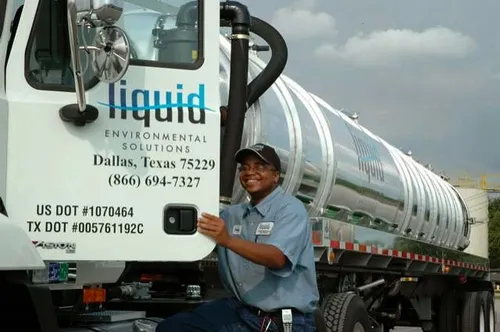
Liquid Environmental Solutions
1821 E Sugarcane Dr, Weslaco, TX 78596
Liquid Environmental Solutions is a non-hazardous liquid waste management company based in Brownsville, TX. They offer services including used cooking oil collection, grease trap and interceptor cleaning, oil water separator and grit trap cleaning, and wastewater disposal. The company serves industries such as restaurants, grocery stores, convenience stores, automotive services, and other food service operations, focusing on recycling a high percentage of the food waste they collect. Founded over twenty years ago, Liquid Environmental Solutions emphasizes compliance and environmental stewardship in their operations.
Understanding Local FOG Regulations
In Brownsville, the management of fats, oils, and grease (FOG) is governed by specific ordinances designed to prevent sewer blockages and environmental harm. The Brownsville Public Utilities Board (BPUB) FOG Ordinance prohibits the discharge of these materials into the sanitary sewer system. This aligns with Texas Commission on Environmental Quality (TCEQ) rules, which also ban the dumping of used oil into sewers or landfills. For restaurants, this means that pouring cooled fryer oil down the drain is not just ill-advised-it's illegal and can result in fines.
Key regulatory points for Brownsville businesses include:
- Licensed Haulers Required: The TCEQ mandates that used oil must be transported by a licensed hauler or taken to a registered collection center, especially for quantities over 55 gallons 1.
- Compliance Documentation: Reputable collection services often provide certificates of recycling, which can be crucial documentation for health inspections and proving compliance with local ordinances.
- Prevention of Fines: Adhering to these rules helps avoid substantial penalties. Non-compliance can lead to enforcement actions from both the BPUB and the TCEQ.
The Step-by-Step Process for Oil Collection
Implementing a proper used cooking oil management system involves a clear, ongoing process. Most professional recyclers make this straightforward by providing the necessary equipment and scheduling.
1. Secure Storage & Preparation
Before pickup, oil must be stored correctly. Licensed collectors typically provide restaurants with secure, leak-proof storage containers or tanks at no cost 2 3. These containers are durable, have lockable lids to prevent theft and contamination, and should be stored in a designated, well-ventilated area. Proper preparation is simple: allow the oil to cool below 120°F before transferring it, and scrape solid fats or food scraps into your solid waste bin instead of the oil container 3.
2. Scheduled Pickup by a Licensed Hauler
The core of the service is the regular collection. You partner with a licensed hauler who establishes a pickup schedule-weekly, bi-weekly, or monthly-based on your volume. The hauler arrives, safely pumps the oil from your container into their truck, and leaves you with an empty, clean container for continued use 4. This scheduled service eliminates the hassle and hazard of storing large quantities of oil on-site.
3. Recycling and Repurposing
Once collected, the used cooking oil is transported to a processing facility. There, it is filtered and purified. The primary end product is biodiesel, a renewable fuel 5. It can also be repurposed into ingredients for animal feed or soap. This recycling process ensures the oil is diverted from landfills and given a productive second life, contributing to a circular economy.
Cost Structure and Potential Benefits
The financial model for used cooking oil collection in Brownsville is often favorable for restaurants, as the oil itself has market value.
- Low Volume Collection: For establishments generating less than 100 gallons per month, pickup services are often free. The recycler's revenue from selling the processed oil covers the cost of service.
- Medium to High Volume: For larger producers (100-500+ gallons per month), pricing can vary. Some services may charge a small fee per gallon (ranging from $0.10 to $0.65), while others may even offer a rebate or revenue-sharing model, turning your waste into a minor income stream 6.
- Offsetting Costs: The real financial benefit comes from cost avoidance. Proper management prevents sewer backups and the resulting expensive cleanup and repair fees. More importantly, it safeguards your business from regulatory fines, which can be substantial 7.
Find the perfect used cooking oil collection companies for your needs
Get personalized recommendations and expert advice
Choosing a Service Provider in Brownsville
Selecting the right partner for your grease trap and used oil needs is crucial. Look for a service that demonstrates reliability and full compliance with Texas and Brownsville regulations.
Essential criteria include:
- TCEQ Licensing: Verify that the hauler is properly licensed by the Texas Commission on Environmental Quality to transport used oil 8 9.
- Local Experience: A provider familiar with the BPUB FOG Ordinance will ensure your program meets all local requirements.
- Service Offerings: Many full-service companies handle both used cooking oil collection and grease trap cleaning, offering convenience through a single provider.
- Container Provision: Ensure they supply secure, labeled containers as part of their service 10.
- Transparent Documentation: Choose a provider that supplies clear documentation, such as recycling certificates, for your records 11.
Best Practices for On-Site Management
Beyond the collection schedule, daily best practices keep your kitchen safe and efficient.
- Designate a Storage Area: Choose a stable, level surface indoors or in a secure outdoor enclosure for your collection container. This prevents spills and accidents.
- Train Your Staff: Ensure all kitchen staff know the procedure for cooling, filtering, and disposing of oil into the correct container. Emphasize that sinks and drains are off-limits for grease disposal.
- Maintain Your Grease Trap: Remember that used cooking oil collection is separate from grease trap maintenance. Your grease interceptor also requires regular professional cleaning to prevent clogs and odors.
- Keep Lids Locked: Always secure the lid on your UCO container. This prevents pests, minimizes odors, and deters unauthorized tampering or theft of oil.
Implementing a robust used cooking oil collection system is a smart business decision for any Brownsville restaurant. It ensures regulatory compliance, reduces environmental impact, and can positively impact your bottom line by avoiding fines and potentially generating rebates. By understanding the local rules and partnering with a qualified service, you can transform a routine waste chore into a seamless, responsible part of your operations.
Frequently asked questions
Sources
Footnotes
-
Used Oil Recycling Program: Am I Regulated? - https://www.tceq.texas.gov/permitting/registration/used_oil ↩
-
Used Cooking Oil Pickup and Recycling Services in Brownsville - https://www.grandnatural.com/locations/used-cooking-oil-recycling-in-brownsville.html ↩
-
How to Store and Prepare Used Cooking Oil for Free Pickup - https://greaseconnections.com/how-to-store-and-prepare-used-cooking-oil-for-free-pickup/ ↩ ↩2
-
Used Cooking Oil Disposal: Complete Guide to Grease Pickups - https://greaseconnections.com/used-cooking-oil-disposal-guide-grease-pickups/ ↩
-
What Do Restaurants Do with Grease? - https://www.mahoneyes.com/what-do-restaurants-do-with-grease/ ↩
-
Restaurant Used Cooking Oil Recycling & Disposal Guide - https://greaseconnections.com/restaurant-used-cooking-oil-disposal-recycling-revenue-guide/ ↩
-
ordinance number 2006-1449 - Brownsville Public Utilities Board - http://www.brownsville-pub.com/wp-content/uploads/2019/08/Fat-Oil-and-Grease-FOG-Ordinance.pdf ↩
-
TCEQ RG-325 Used Oil Recycling - Texas.gov - https://www.tceq.texas.gov/downloads/permitting/waste-registration/pub/rg-325.pdf/@@download/file/rg-325.pdf ↩
-
Used Oil Recycling Program - https://www.tceq.texas.gov/permitting/registration/used_oil/recycling.html ↩
-
ReGrease - Used Cooking Oil Recycling - Texas Triangle - https://regrease.com/ ↩
-
Used Cooking Oil (UCO) Collection Service For Restaurants - https://thegreasecompany.com/blog/restaurant-used-cooking-oil-collection/ ↩