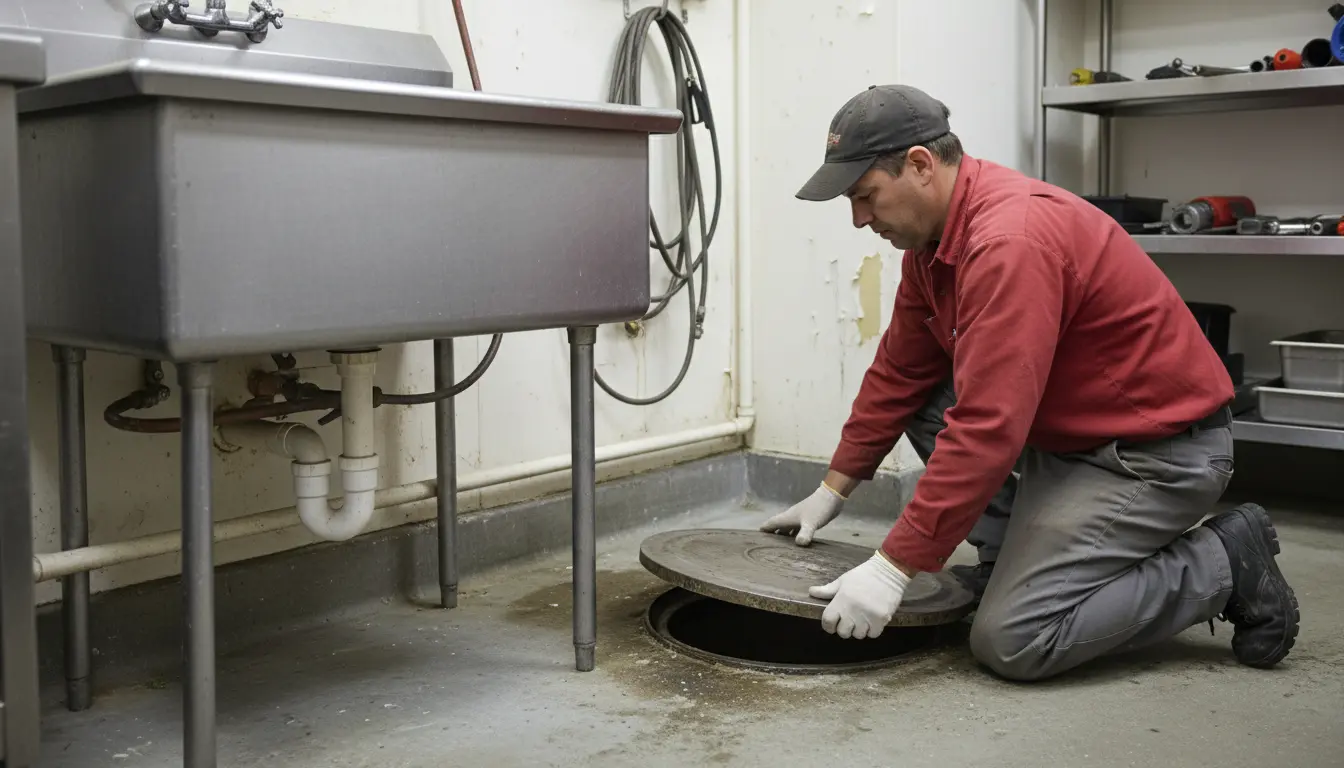
Find the Best Grease Trap Cleaning Companies for Your Business
No obligation • Fast responses • Nationwide coverage

Why you can trust Restaurant Waste Disposal
Restaurant Waste Disposal is a leading U.S. resource for comparing restaurant composting, food-waste recycling, grease trap cleaning, and used cooking oil collection services. Our editorial team researches providers, checks credentials, and organizes unbiased information so operators can make informed decisions. Companies cannot pay to change ratings or placement.
Search providers near you
Top Grease Trap Cleaning Companies in Hillsboro, Oregon Ranked
For any restaurant or food service establishment in Hillsboro, proper grease trap and interceptor maintenance is not just a best practice-it's a legal requirement enforced by the City of Hillsboro Public Works and Clean Water Services (CWS). These devices are your first line of defense against fats, oils, and grease (FOG) entering the public sewer system, where they can cause costly blockages, sewer overflows, and environmental damage. A proactive and documented maintenance plan is essential to protect your business from significant fines, potential operational shutdowns, and liability for any downstream damages. This guide outlines the local regulations, maintenance schedules, and key considerations for ensuring your kitchen remains compliant and operational.
Roto-Rooter Plumbing & Water Cleanup
519 SW Park Ave #303, Portland, OR 97205
Roto-Rooter Plumbing & Water Cleanup is a plumbing and water cleanup company serving Portland, OR. Established in 1935, it provides a wide range of residential and commercial plumbing services including drain cleaning, sewer line repair, water heater installation, and grease trap cleaning. The company uses advanced equipment such as hydro-jetting and video camera inspections to address plumbing issues efficiently. Roto-Rooter offers 24/7 emergency service throughout the year to handle urgent plumbing needs.
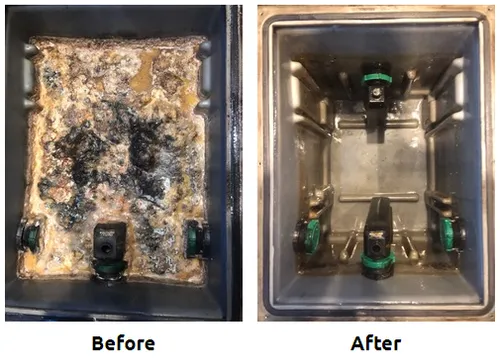
Northwest Biofuel
2223 N Randolph Ave, Portland, OR 97227
Northwest Biofuel is a locally owned company based in Portland, OR, specializing in grease trap cleaning and used cooking oil collection. They serve restaurants and commercial properties throughout Oregon and Washington, offering bundled services that include grease trap cleaning, cooking oil collection, drain cleaning, line jetting, and grease trap repair. The company ensures that 100% of the oil and grease collected is recycled locally into feedstock and clean-burning biodiesel. Northwest Biofuel provides 24/7 emergency service and works with clients to schedule service at convenient times.
River City Environmental
5410 NE 109th Ave, Portland, OR 97220
River City Environmental is a grease trap cleaning company based in Portland, OR. They provide grease trap cleaning and maintenance services, including emergency response. The company offers 24/7 emergency services and can respond quickly to urgent situations. Customers have relied on River City Environmental for timely service and practical maintenance recommendations.

Oregon Oils, Inc
2515 NW 28th Ave, Portland, OR 97210
Oregon Oils, Inc is a family-owned company based in Portland, OR, providing used cooking oil collection and grease trap cleaning services. Serving businesses across Oregon and Southwest Washington, they offer customizable solutions including grease trap maintenance and used oil recycling. Their Fryer to Fuel program converts collected cooking oil into biodiesel, supporting sustainable practices. With over 30 years of experience since 1992, Oregon Oils emphasizes environmental responsibility and offers emergency service within one business day.

VeggieScout Oil LLC - Portland
Portland, OR
VeggieScout Oil LLC - Portland offers used cooking oil collection, grease trap cleaning, and septic and drain services in Portland, OR. The company provides grease trap pumping, cleaning, and maintenance along with septic tank pumping, installation, repair, and pipe and drain cleaning using advanced equipment. They also handle excavation and grading projects. VeggieScout Oil LLC emphasizes careful maintenance to prevent backups and clogs and offers 24/7 availability for emergency services.
Understanding Local FOG Regulations and Compliance
Hillsboro's FOG control program is designed to protect the city's wastewater infrastructure. The rules are clear: all food service establishments must have properly sized and functioning grease interceptors (the common term for larger outdoor units) or grease traps (typically smaller, indoor units) 1. Compliance hinges on more than just having the equipment; it requires diligent upkeep. Key mandates include ensuring the unit is easily accessible for service providers and inspectors at all times and maintaining detailed service records that include photos, pump-out reports, and waste manifests 2. Perhaps most critically, the use of chemical or biological additives designed to emulsify or dissolve FOG is generally prohibited, as they simply push the problem further down the sewer line where it can re-solidify and cause clogs 3. Proper physical removal of FOG and solids through pumping is the only accepted method.
The Critical Role of Documentation
In the event of an inspection, your service records are your proof of compliance. Authorities can request documentation showing a consistent history of maintenance. Without it, your business may be cited even if the trap appears functional at that moment. Developing a relationship with a licensed, reputable service provider who understands local reporting requirements is a crucial step in building this compliance portfolio.
Establishing Your Cleaning and Inspection Schedule
Your required maintenance frequency is not one-size-fits-all; it is primarily determined by the type and size of your interceptor and your kitchen's FOG production volume. The City of Hillsboro and CWS guidelines provide clear baselines:
- Hydromechanical Grease Interceptors (HGI): These are typically smaller, indoor units. They must be cleaned at least every 30 days, or when FOG and solids accumulate to 75% of the unit's capacity 4 5.
- Gravity Grease Interceptors (GGI): These are larger, often underground, outdoor tanks. They require cleaning at least every 90 days, or when 25% full 6 7.
High-volume kitchens, such as those in large restaurants or institutional cafeterias, may need service more frequently than these minimums. It is the business owner's responsibility to monitor accumulation and adjust the schedule accordingly. Furthermore, pre-cleaning scraping of dishes and cookware is a vital daily practice that significantly reduces the load on your interceptor, extending time between services and reducing costs 8.
The Inspection Imperative
Scheduled pumping should always be accompanied by a thorough inspection. After a professional cleaning, a staff member should visually verify that all FOG and solids have been removed and that the baffles and flow controls are intact and functioning. This simple internal check can catch small issues before they lead to compliance failures or inefficient operation.
Consequences of Non-Compliance: Fines and Liability
The enforcement of FOG regulations in Hillsboro is taken seriously. City and CWS staff conduct inspections to ensure interceptors are properly maintained and functioning. Violations can range from minor to severe:
- Citations and Fines: Initial violations typically result in warnings or fines. Repeated non-compliance leads to escalating penalties.
- Operational Shutdowns: In cases of severe neglect, such as a grease interceptor bypassing FOG directly into the sewer, authorities have the power to suspend a business's sewer service or even shut down operations until the issue is corrected and proven to be resolved.
- Financial Liability: If a sewer backup or overflow is traced back to FOG discharged from your establishment, your business can be held financially responsible for all cleanup costs, public utility repairs, and any resulting environmental damages 9 10.
Find the perfect grease trap cleaning companies for your needs
Get personalized recommendations and expert advice
Understanding Service Costs and Provider Selection
Investing in routine grease interceptor maintenance is far less expensive than dealing with the consequences of neglect. Costs in the Hillsboro area vary based on the type and size of your unit, its location, and its condition.
- Routine Indoor Grease Trap (30-200 gallon): A standard service for a regularly maintained indoor unit typically ranges from $125 to $250 per cleaning. Many providers offer discounted rates for businesses on a scheduled maintenance contract 11 12.
- Routine Outdoor Grease Interceptor: Pumping a larger outdoor interceptor is more involved, with costs generally starting around $300 and can exceed $1,000 per service depending on size and accessibility 13.
- Emergency or Neglected Trap Cleaning: If a trap has been ignored, the cost can be two to three times higher than routine service. Heavy buildup of solidified FOG and solids requires more labor, time, and disposal fees 14.
- Compliance Reporting: Many professional services include the preparation and submission of the required compliance report to the City or CWS for an additional base fee, often around $105 or more, which is a valuable service for ensuring your paperwork is handled correctly 15.
When selecting a service provider, ensure they are licensed, insured, and familiar with Hillsboro and CWS regulations. Ask if they provide detailed documentation, including waste hauling manifests and before/after photos, which are essential for your records.
Building a Proactive FOG Management Plan
A successful strategy extends beyond just scheduling pump-outs. It involves a holistic approach:
- Staff Training: Educate every kitchen employee on the importance of FOG control. Implement practices like scraping food waste into trash bins before dishwashing and using sink strainers.
- Partner with a Professional: Establish a contract with a reliable grease trap cleaning service that understands local codes. A consistent schedule prevents emergencies.
- Maintain Impeccable Records: Keep a dedicated log or digital folder for every service report, invoice, and manifest. This is your primary evidence of compliance.
- Conduct Regular Visual Checks: Assign a manager to briefly inspect the interceptor after each professional cleaning and periodically between services to monitor accumulation rates.
By taking these steps, Hillsboro restaurant owners can turn grease trap maintenance from a regulatory burden into a routine part of successful, sustainable business operations, ensuring smooth service and protecting the community's water infrastructure 16.
Frequently asked questions
Sources
Footnotes
-
ATTENTION FOOD/BEVERAGE SERVICE ESTABLISHMENTS AND ... - https://cleanwaterservices.org/wp-content/uploads/2022/06/fog-protection-requirements.pdf ↩
-
Restaurant Grease Trap Service in Central Point, OR - https://www.roguehoodcleaning.com/restaurant-grease-trap-service ↩
-
Code Amendment 12/20/12 2011 Oregon Plumbing Specialty Code ... - https://www.oregon.gov/bcd/codes-stand/Documents/pl-11opsc-amendments.pdf ↩
-
Oregon Regulations on Grease Interceptors and Grease Traps - https://speedyseptic.com/septic-services/commercial/grease-interceptor/portland-fog-regulations/ ↩
-
Grease Trap Regulations and Compliance: What You Need to Know - https://www.texwaywastewater.com/grease-trap-regulations-and-compliance/ ↩
-
Commercial Business | City of Hillsboro, OR - https://www.hillsboro-oregon.gov/our-city/departments/public-works/sanitary-storm-sewers/sanitary-sewer/fats-oils-grease-fog/commercial-business ↩
-
Grease Trap Inspection - CCPIA - https://ccpia.org/grease-trap-inspection/ ↩
-
The Ultimate Guide to Restaurant Grease Trap Cleaning - https://mokherplumbing.com/ultimate-guide-restaurant-grease-trap-cleaning/ ↩
-
Grease Trap Compliance: What Washington & Oregon Businesses Need to Know - Drain-Pro Inc. - https://drain-proinc.com/grease-trap-compliance-what-washington-oregon-businesses-need-to-know/ ↩
-
Grease Interceptors and How to Maintain Them - Portland.gov - https://www.portland.gov/bes/preventing-pollution/fats-oil-and-grease/grease-interceptors ↩
-
Grease Trap Pumping Cost vs. Grease Trap Maintenance Cost - https://www.stateindustrial.com/video/cost-comparison-pumping-v-chemicals-to-maintain-a-grease-trap/ ↩
-
Grease Trap Cleaning Prices | Guide on the Industry Average - https://grease-cycle.com/grease-trap-pumping-cost/ ↩
-
Grease TRAP CLEANING For Restaurants & Commercial Kitchen | Grease Trap PUMPING SERVICE - https://thegreasecompany.com/greasetrapcleaning.html ↩
-
Denver Grease Trap Maintenance: Essential Facilities Management Guide - myshyft.com - https://www.myshyft.com/blog/grease-trap-cleaning-denver-colorado/ ↩
-
Grease Trap Cleaning Services - NW Biofuel - https://nwbiofuel.com/grease-trap-cleaning/ ↩
-
How to Clean a Grease Trap (and How Often You Should) - https://greaseconnections.com/how-to-clean-a-grease-trap-and-how-often-you-should/ ↩