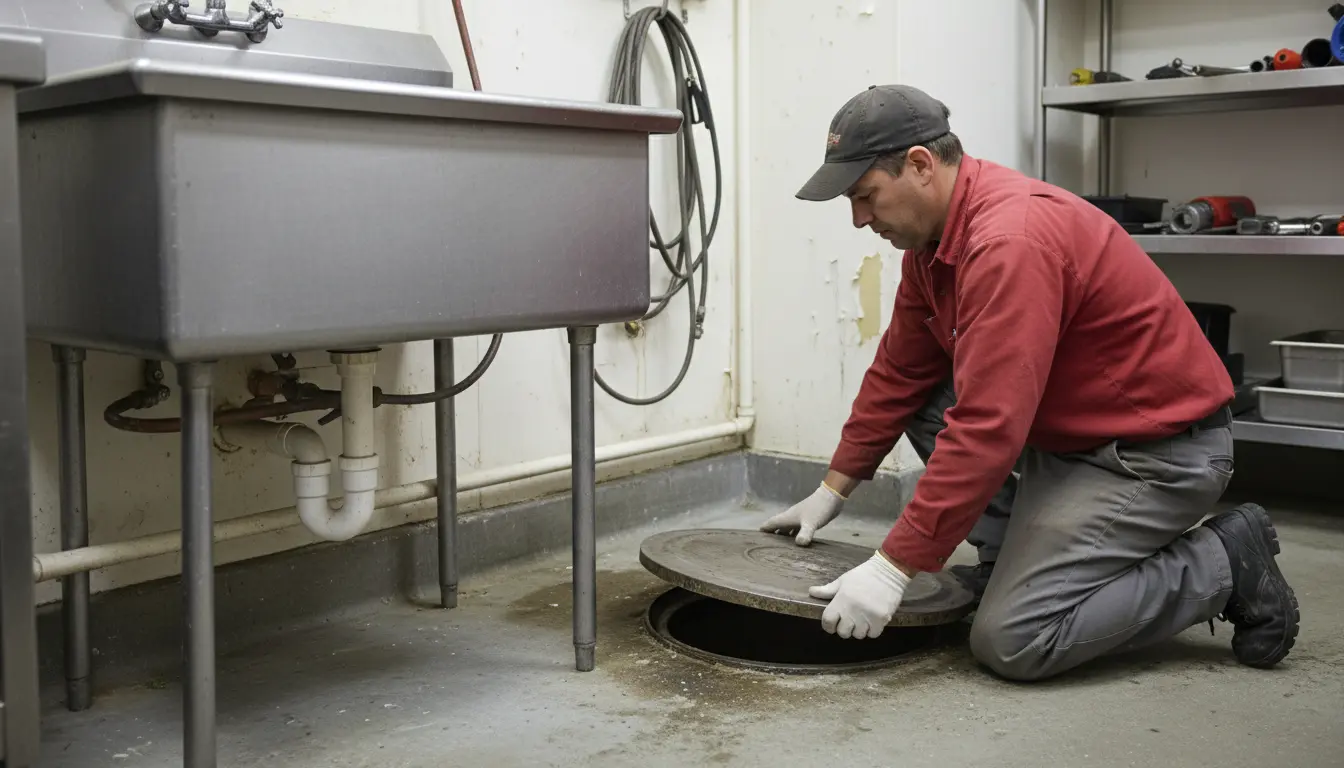
Find the Best Grease Trap Cleaning Companies for Your Business
No obligation • Fast responses • Nationwide coverage

Why you can trust Restaurant Waste Disposal
Restaurant Waste Disposal is a leading U.S. resource for comparing restaurant composting, food-waste recycling, grease trap cleaning, and used cooking oil collection services. Our editorial team researches providers, checks credentials, and organizes unbiased information so operators can make informed decisions. Companies cannot pay to change ratings or placement.
Search providers near you
Top Grease Trap Cleaning Companies in Portland, Oregon Ranked
For any restaurant, food truck, or commercial kitchen in Portland, proper grease interceptor maintenance is not just a best practice-it's a strict legal requirement enforced by the city. Portland's Bureau of Environmental Services (BES) has detailed regulations to prevent fats, oils, and grease (FOG) from entering the public sewer system, where they can cause costly blockages and environmental damage. Effective grease trap service is a critical component of daily operations, ensuring compliance, avoiding severe penalties, and protecting the local infrastructure. This guide outlines what Portland food service establishments need to know about maintaining their grease interceptors, from scheduling and costs to navigating city reporting mandates.
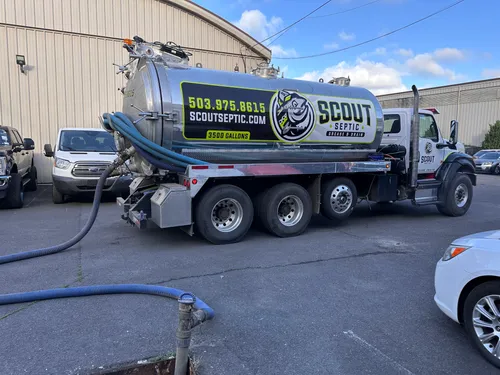
Scout Septic, Grease & Drain
15535 SE 287th Ave, Boring, OR 97009
Scout Septic, Grease & Drain provides septic tank pumping, installation, repair, grease trap cleaning, and drain services in Portland, OR. They serve both residential and commercial clients, offering pipe and drain cleaning including hydro jetting, as well as excavation and grading services. The company uses modern equipment and techniques to maintain and repair wastewater systems efficiently. Scout Septic, Grease & Drain is fully licensed and insured, offers 24/7 availability, and has a satisfaction guarantee.
Roto-Rooter Plumbing & Water Cleanup
519 SW Park Ave #303, Portland, OR 97205
Roto-Rooter Plumbing & Water Cleanup is a plumbing and water cleanup company serving Portland, OR. Established in 1935, it provides a wide range of residential and commercial plumbing services including drain cleaning, sewer line repair, water heater installation, and grease trap cleaning. The company uses advanced equipment such as hydro-jetting and video camera inspections to address plumbing issues efficiently. Roto-Rooter offers 24/7 emergency service throughout the year to handle urgent plumbing needs.
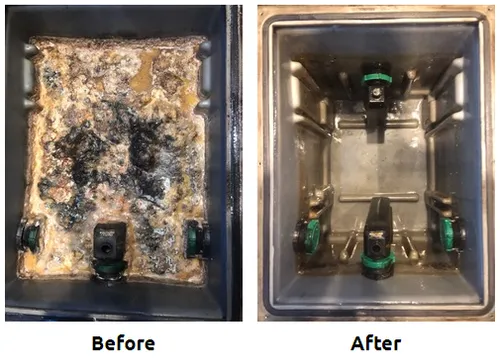
Northwest Biofuel
2223 N Randolph Ave, Portland, OR 97227
Northwest Biofuel is a locally owned company based in Portland, OR, specializing in grease trap cleaning and used cooking oil collection. They serve restaurants and commercial properties throughout Oregon and Washington, offering bundled services that include grease trap cleaning, cooking oil collection, drain cleaning, line jetting, and grease trap repair. The company ensures that 100% of the oil and grease collected is recycled locally into feedstock and clean-burning biodiesel. Northwest Biofuel provides 24/7 emergency service and works with clients to schedule service at convenient times.
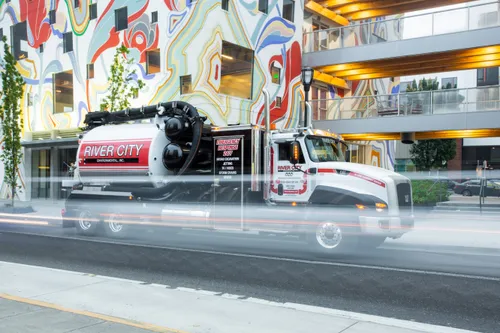
River City Environmental
5410 NE 109th Ave, Portland, OR 97220
River City Environmental is a grease trap cleaning company based in Portland, OR. They provide grease trap cleaning and maintenance services, including emergency response. The company offers 24/7 emergency services and can respond quickly to urgent situations. Customers have relied on River City Environmental for timely service and practical maintenance recommendations.

Oregon Oils, Inc
2515 NW 28th Ave, Portland, OR 97210
Oregon Oils, Inc is a family-owned company based in Portland, OR, providing used cooking oil collection and grease trap cleaning services. Serving businesses across Oregon and Southwest Washington, they offer customizable solutions including grease trap maintenance and used oil recycling. Their Fryer to Fuel program converts collected cooking oil into biodiesel, supporting sustainable practices. With over 30 years of experience since 1992, Oregon Oils emphasizes environmental responsibility and offers emergency service within one business day.
Understanding Portland's FOG Regulations
Portland's Fats, Oils, and Grease (FOG) Program is designed to protect the city's wastewater collection and treatment systems. The core rule mandates that all food and beverage service establishments must have properly sized and functioning grease interceptors (often called grease traps) on all drains except those from restrooms. The city classifies these interceptors and sets the required cleaning frequency based on the unit's type, size, and the estimated flow of wastewater from your kitchen.
A key requirement is that interceptors must be cleaned when the combined FOG and solids accumulate to 25% of the unit's liquid depth 1 2. For many establishments, this translates to a mandated pumping schedule that could be monthly, quarterly, or semi-annually. It is the business owner's responsibility to know their schedule and ensure service is completed on time, with records kept on-site for inspection.
Prohibited Practices and Best Management
To be effective, mechanical cleaning must be paired with proper kitchen practices. The city explicitly prohibits the use of emulsifiers, enzymes, or chemical additives that dissolve grease, as these substances simply pass the problem further down the sewer line where the grease can re-solidify and cause blockages. Instead, staff should be trained in "dry" methods:
- Scrape and Dry Wipe: All cookware, dishes, and kitchen equipment should be scraped and wiped free of food waste and grease with a paper towel before being rinsed or placed in a dishwasher.
- Use Strainer Baskets: Sink strainers should be used and emptied into the trash, not the garbage disposal.
- Proper Disposal: All collected grease and food solids must be placed in the trash or compost, never poured down any drain.
Scheduling and Costs for Interceptor Service
Navigating service schedules and understanding pricing is essential for budgeting and compliance. Costs can vary significantly based on the size and location of your interceptor, the service provider, and whether the service is scheduled or an emergency.
Standard Service Intervals and Pricing
For a typical restaurant with a standard-volume kitchen, the city may set a cleaning frequency of every 1 to 6 months. High-volume establishments may require monthly service.
- Base Pumping Cost: For a smaller, accessible grease trap, a standard pump-out service in Portland typically ranges from $100 to $150. This often includes the basic removal of contents.
- Scheduled Contract Service: For larger in-ground interceptors or as part of a regular maintenance contract, prices generally range from $250 to $400+ per service 3 4. Contracts often provide better value and ensure you never miss a mandated service date.
- What's Included: Reputable providers will not only pump the unit but also inspect it for damage, clean the baffles, and ensure it is operating correctly. Many now include digital photos and a detailed service report, which is crucial for your records.
Emergency Service and Compliance Fees
Neglecting regular maintenance almost guarantees more expensive problems.
- Emergency Pumping: If an interceptor overflows or causes a backup, emergency service calls can cost between $800 and $1,200 or more, depending on the time of day and severity of the issue 5 6.
- City Enforcement: Failing to comply with Portland's FOG regulations can result in substantial fines, mandatory and costly upgrades to your interceptor system, or in extreme cases, a shutdown order from the city until the issue is resolved 7.
Find the perfect grease trap cleaning companies for your needs
Get personalized recommendations and expert advice
The Mandatory Cleaning and Reporting Process
Simply having your interceptor pumped is not enough to be in compliance. Portland requires a formal chain of documentation that links your business, the service hauler, and the city.
1. Hiring a Qualified Hauler: It is your responsibility to hire a licensed liquid waste hauler to perform the cleaning. The hauler must be properly permitted to collect and dispose of FOG waste at an approved facility.
2. The Service Visit: During the pump-out, the hauler will measure and record the depth of FOG and solids. The interceptor must be fully evacuated of all contents, including the floating grease layer, settled solids, and the effluent water. After cleaning, a durable tag or label with the service date and company information should be affixed to the interceptor 8.
3. Submitting the FOG Report: This is a critical step. Within 14 days of the service, your hauler is required to submit a FOG Report directly to the Portland BES 9. This report must include:
- Your business name and address.
- The date of service.
- The hauler's company information and permit number.
- The disposal site for the collected waste.
- The depth of FOG and solids measured before pumping.
4. Keeping Your Records: You should receive a copy of this service report from your hauler. You must keep these reports on-site for a minimum of three years and make them available immediately to a city inspector upon request.
Preparing for City Inspections
The Portland BES conducts inspections to verify compliance. An inspector may visit your establishment to:
- Review your maintenance records and FOG reports.
- Check for the proper labeling on your interceptor.
- Ensure the interceptor is easily accessible for service and inspection (clear of obstructions) 10.
- Observe kitchen practices and interview staff about dry wiping and scraping procedures.
- Inspect the interceptor's physical condition and operation.
Being prepared for an inspection means having an organized file of your service reports, ensuring your interceptor is accessible and properly tagged, and demonstrating that your staff follows FOG-best management practices daily.
Choosing a Service Provider in Portland
When selecting a company for your grease interceptor maintenance, look for providers that demonstrate a clear understanding of Portland's specific codes. They should be able to:
- Explain the city's reporting requirements and confirm they handle the submission to BES.
- Provide detailed service reports with photos.
- Offer guidance on your likely service frequency based on city guidelines.
- Schedule proactive reminders for your next service date to keep you compliant. A reliable provider acts as a partner in your compliance efforts, not just a vendor.
Frequently asked questions
Sources
Footnotes
-
Grease Interceptors and How to Maintain Them | Portland.gov - https://www.portland.gov/bes/preventing-pollution/fats-oil-and-grease/grease-interceptors ↩
-
Fats, Oils, and Grease Removal Program Administrative Rules - https://www.portland.gov/sites/default/files/2020-06/enb-4-26-fog-7-19-380679.pdf ↩
-
Ultimate Grease Trap Pumping Cost Guide: Essential Money-Saving ... - https://www.texwaywastewater.com/grease-trap-pumping-cost/ ↩
-
Grease Trap Cleaning Prices | Guide on the Industry Average - https://grease-cycle.com/grease-trap-pumping-cost/ ↩
-
Grease Trap Cleaning Services - NW Biofuel - https://nwbiofuel.com/grease-trap-cleaning/ ↩
-
How Much Does It Cost To Clean A Grease Trap? - https://www.greasecollection.com/blog/how-much-does-it-cost-to-clean-a-grease-trap/ ↩
-
Portland Grease Trap Maintenance: Essential Guide For ... - https://www.myshyft.com/blog/grease-trap-cleaning-portland-oregon/ ↩
-
Code Amendment 12/20/12 2011 Oregon Plumbing Specialty ... - https://www.oregon.gov/bcd/codes-stand/Documents/pl-11opsc-amendments.pdf ↩
-
FATS, OILS, AND GREASE PROGRAM - https://content.civicplus.com/api/assets/6d6bc104-fbf3-463a-8360-e582df54f8c1 ↩
-
Cleaning of Commercial Cooking Hood and Ventilation Systems - https://www.portland.gov/policies/portland-fire-and-rescue/fixed-portable-fire-extinguishing-systems-equipment/fir-808 ↩