Find the Best Grease Trap Cleaning Companies for Your Business
No obligation • Fast responses • Nationwide coverage

Why you can trust Restaurant Waste Disposal
Restaurant Waste Disposal is a leading U.S. resource for comparing restaurant composting, food-waste recycling, grease trap cleaning, and used cooking oil collection services. Our editorial team researches providers, checks credentials, and organizes unbiased information so operators can make informed decisions. Companies cannot pay to change ratings or placement.
Search providers near you
Top Grease Trap Cleaning Companies in Rochester Hills, Michigan Ranked
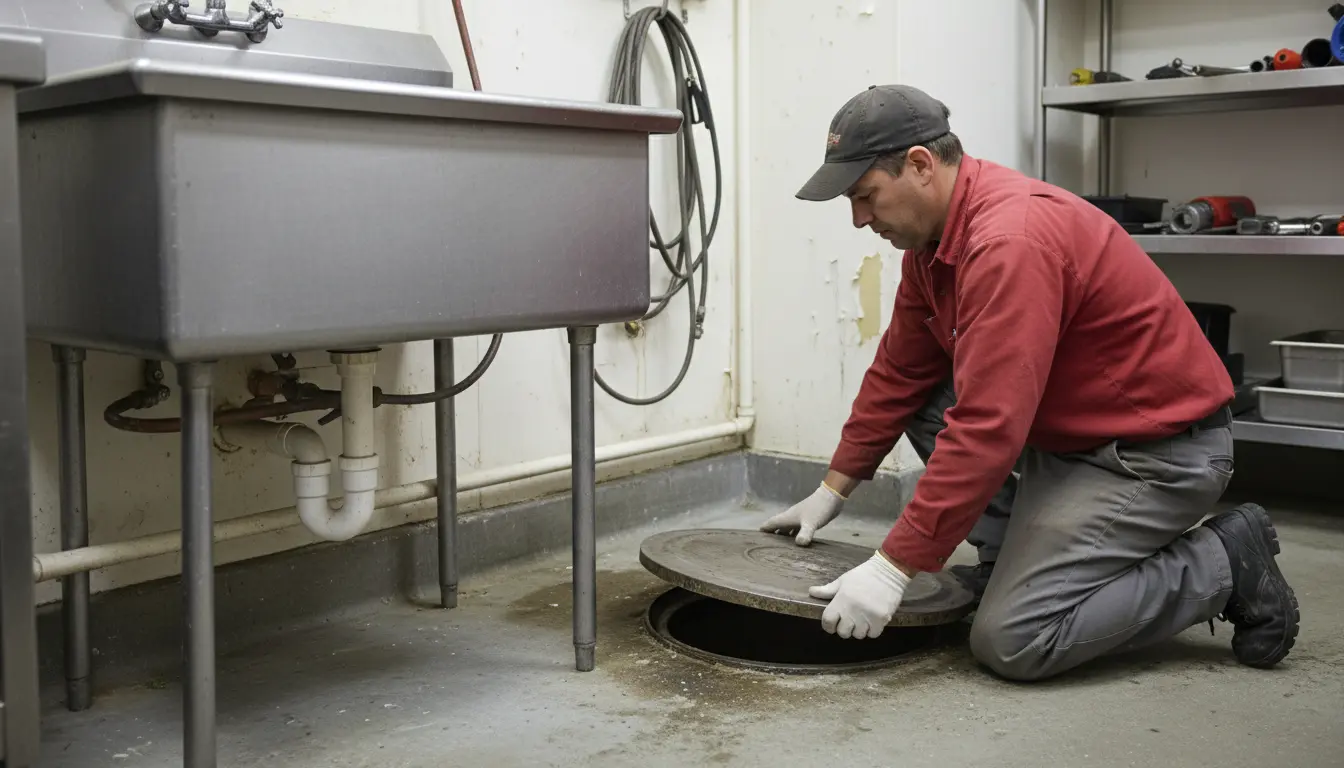
For any restaurant, commercial kitchen, or food service establishment in Rochester Hills, managing fats, oils, and grease (FOG) is a critical operational and legal responsibility. Proper grease interceptor maintenance is not just about preventing clogs; it's a mandatory requirement under Michigan law designed to protect the local sewer system and water quality. Neglecting this essential service can lead to severe plumbing backups, unpleasant odors, failed health inspections, and significant financial penalties. This guide outlines the specific regulations, best practices, and local considerations for effective grease trap and interceptor service in Rochester Hills, ensuring your business remains compliant, efficient, and protected from costly disruptions.
KD's Septic Services | Septic Pump, Septic Cleanout, Grease Trap
12369 Lapeer Rd, Davison, MI 48423
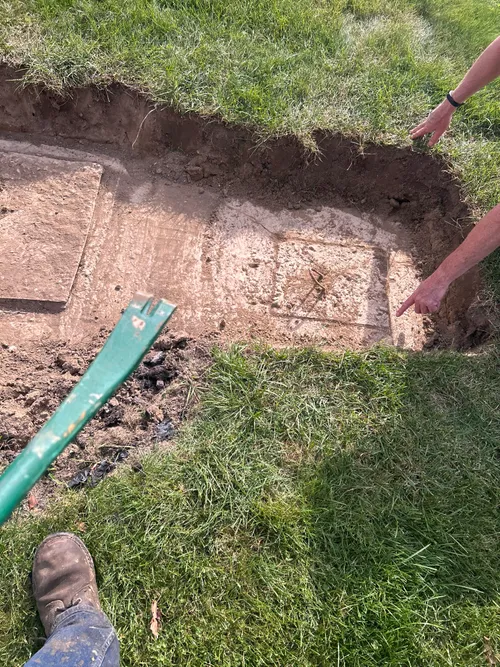
KD's Septic Services provides a range of septic system solutions in Flint, MI, including septic tank cleaning, inspections, repairs, and grease trap cleaning. They also offer new septic system installations, excavating services, and rental of septic and RV holding tanks. The team uses advanced technology such as camera inspections and hydro jetting to address septic and sewer issues efficiently. KD's Septic Services emphasizes quality workmanship and customer satisfaction in all their projects.
Roto-Rooter Plumbing & Water Cleanup
422 W Congress St, Detroit, MI 48226
Roto-Rooter Plumbing & Water Cleanup offers comprehensive residential and commercial plumbing services in Detroit, MI. Their experienced team handles a wide range of needs including sewer and drain cleaning, water heater repairs and installations, grease trap maintenance, and emergency flood and water damage cleanup. They use advanced equipment such as hydro-jetting for drain cleaning and provide both conventional and trenchless sewer line repairs. Serving Detroit and surrounding counties, Roto-Rooter is available 24/7 for emergency plumbing services to address urgent issues promptly.
Windsor Emergency Plumbing
Dearborn, MI
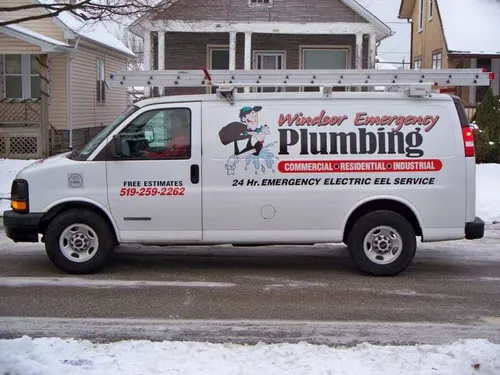
Windsor Emergency Plumbing is a plumbing service provider located in Dearborn, MI, offering 24/7 emergency plumbing solutions for commercial, residential, and industrial clients. Their services include grease trap cleaning and installations, sewer inspections with color video cameras, backflow prevention, water line repairs, and hot water system specialists. With over 35 years of experience serving Windsor, Essex, and Kent County, they provide comprehensive plumbing repairs and installations with a guarantee that jobs are done right the first time or the callback is free.
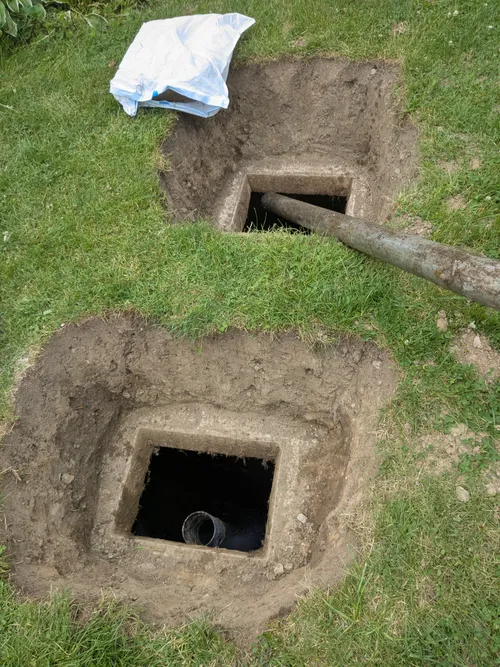
KD septic services | Septic Pump | Septic Cleanout, Grease Trap
2371 Graham Rd suite B, Imlay City, MI 48444
KD Septic Services offers a range of septic system solutions in West Bloomfield, MI, including septic tank cleaning, inspections, repairs, and grease trap cleaning. They also provide septic holding tank rentals and excavating services for construction and landscaping projects. The company uses advanced technology such as camera inspections and hydro jetting to address septic and sewer issues efficiently. KD Septic Services is committed to quality workmanship and customer satisfaction, serving the Southeast Michigan area with experienced technicians and reliable service.
Understanding Local Grease Interceptor Regulations
In Rochester Hills, grease management is governed by state and local codes, primarily the 2021 Michigan Plumbing Code and enforced by local authorities like the Oakland County Water Resources Commissioner. The rules are clear: any facility that produces grease-laden waste from food preparation must have an approved grease interceptor or trap installed 1. These devices are engineered to capture FOG before wastewater enters the public sewer, preventing blockages that can cause sanitary sewer overflows-a serious environmental and public health concern.
A cornerstone of Michigan's regulation is the "25% Rule" 2 3. This requires kitchen staff to perform weekly visual checks of the grease interceptor. When the combined volume of accumulated fats, oils, grease, and settled solids reaches 25% of the trap's total liquid capacity, it must be professionally cleaned. This proactive rule is designed to prevent the interceptor from becoming overwhelmed and losing its effectiveness, which could allow grease to pass into the sewer lines. Adherence to this rule is a frequent point of inspection.
The Critical Role of Documentation
Beyond the physical cleaning, meticulous record-keeping is a non-negotiable part of compliance. Michigan regulations require businesses to maintain detailed service logs for a minimum of three years. These records should include:
- Dates of each professional pump-out and cleaning.
- Copies of invoices and waste manifests from licensed haulers.
- Notes from weekly internal inspections documenting grease and solids levels.
- Photographic evidence before and after service can be invaluable.
During an inspection, authorities will request these documents. A lack of proper records can be viewed as non-compliance, even if the trap itself appears clean, potentially resulting in fines or other enforcement actions.
Inspection and Enforcement in Oakland County
Understanding who inspects and what they look for can help you prepare and avoid surprises. In Rochester Hills and across Oakland County, inspections are typically conducted by county health department officials or wastewater system representatives 4 5.
What Inspectors Focus On:
- Physical Condition: Is the interceptor properly installed, accessible, and in good working order? Is there evidence of grease bypassing the trap or foul odors indicating neglect?
- Compliance with the 25% Rule: Can you demonstrate through logs that weekly checks are performed and cleaning is scheduled before the limit is reached?
- Documentation: Can you promptly produce the required service records and waste hauler manifests for the past three years?
- Proper Disposal: Is the collected grease being hauled away by a licensed service provider? Improper disposal is a separate violation.
Consequences of Non-Compliance can escalate quickly 6:
- Fines: Monetary penalties for violations can be substantial.
- Failed Inspection: This can affect your establishment's health rating and reputation.
- Operational Shutdown: In severe cases, authorities can order a temporary closure until the grease management system is brought into compliance, leading to significant revenue loss.
- Plumbing Emergencies: The most immediate consequence is often a backed-up kitchen drain line, leading to unsanitary conditions and expensive emergency plumbing repairs.
Find the perfect grease trap cleaning companies for your needs
Get personalized recommendations and expert advice
Service Frequency and Cost Considerations
Determining the right cleaning schedule is key to balancing cost and compliance. While the 25% rule is your primary guide, general industry standards based on kitchen volume provide a helpful framework.
Recommended Cleaning Frequency:
- High-Volume Kitchens: (e.g., busy restaurants, large cafeterias) often require monthly service.
- Medium- to Low-Volume Kitchens: (e.g., bakeries, cafes, smaller restaurants) may be adequately served with quarterly (every 3 months) cleanings.
- Final Determination: Always base your official schedule on the observed accumulation rate during your weekly checks, as mandated by code. The type of food you prepare (e.g., fried foods vs. salads) greatly impacts how quickly grease accumulates 7.
Understanding Service Costs in Rochester Hills The cost for professional grease trap cleaning is not a flat fee; it varies based on several factors 8 9. For a typical small to medium-sized indoor grease trap commonly found in local restaurants, you can expect a starting range of $75 to $150 or more per cleaning 10 8.
Factors that influence the final price include:
- Interceptor Size and Type: Larger, outdoor grease interceptors cost significantly more to service than smaller, under-sink units.
- Accessibility: Is the trap easily reachable, or does it require moving heavy equipment?
- Amount of Accumulation: A severely neglected trap that is overly full requires more labor and time to clean.
- Service Provider: Rates vary between different licensed haulers and plumbing specialists in the Oakland County area.
It's crucial to view this not as an optional expense but as a critical investment in your business's continuity. The cost of a routine cleaning pales in comparison to the expense of an emergency plumbing call, a regulatory fine, or a temporary closure.
Best Practices for Grease Trap Maintenance
Professional cleaning is essential, but daily kitchen practices play a huge role in extending service intervals and maintaining system health.
Do:
- Scrape Plates Thoroughly: Remove food solids into trash or compost before washing.
- Use Strainers in Sinks: Catch food particles before they enter the drain.
- Collect Fryer Oil Separately: Never pour used cooking oil down the drain. Store it for pickup by a licensed used cooking oil (UCO) collector.
- Post "No Grease" Signs: Remind staff in dishwashing areas not to pour any fats, oils, or grease down sinks.
- Schedule Regular Professional Service: Partner with a reliable, licensed provider for consistent pump-outs.
Don't:
- Use Hot Water or Degreasers: This melts grease, allowing it to pass through the trap only to solidify later in colder sewer pipes, creating "fatbergs."
- Dispose of Coffee Grounds or Eggshells: These materials contribute to solid buildup.
- Ignore Weekly Checks: Consistent monitoring is your first line of defense.
Choosing a Service Provider in Rochester Hills
Selecting the right partner for grease interceptor maintenance is a business decision. Look for a provider that:
- Is fully licensed and insured to handle and transport grease waste in Michigan.
- Provides detailed documentation, including invoices and waste manifests, to support your record-keeping.
- Offers flexible scheduling to accommodate your business hours and compliance needs.
- Has local experience and understands the specific codes enforced by Oakland County.
- Can provide references from other food service establishments in the area.
Proactive, documented maintenance is the most effective strategy for Rochester Hills food service businesses. It protects your plumbing, ensures compliance with state and county regulations, and safeguards your business from the high costs and operational headaches associated with violations.
Frequently asked questions
Sources
Footnotes
-
2021 Michigan Plumbing Code - 1003.3.1 Grease interceptors and ... - https://codes.iccsafe.org/s/MIPC2021P1/chapter-10-traps-interceptors-and-separators/MIPC2021P1-Ch10-Sec1003.3.1 ↩
-
Grease Trap Cleaning Michigan: How to Comply with State ... - https://dpoolecleaning.com/grease-trap-cleaning-michigan-how-to-comply-with-state-regulations/ ↩
-
How to Clean a Grease Trap (and How Often You Should) - https://greaseconnections.com/how-to-clean-a-grease-trap-and-how-often-you-should/ ↩
-
Grease Trap Cleaning in Rochester Hills MI - https://greasetrapcleaningpontiac.com/rochester-hills-mi.html ↩
-
Grease Trap Cleaning in Rochester Hills MI - https://greasetrapcleaningmacomb.com/rochester-hills-mi.html ↩
-
The Ultimate Guide to Restaurant Grease Trap Cleaning: Smart Solutions for Commercial Kitchens - Mokher Plumbing - https://mokherplumbing.com/ultimate-guide-restaurant-grease-trap-cleaning/ ↩
-
How to Clean Out a Grease Trap - PowerVac of Michigan - https://yourworkorder.com/the-ultimate-guide-to-restaurant-grease-trap-cleaning/ ↩
-
How Much Does It Cost To Clean A Grease Trap? - https://www.greasecollection.com/blog/how-much-does-it-cost-to-clean-a-grease-trap/ ↩ ↩2
-
Grease Traps for Commercial Kitchens in Michigan | PowerVac - https://yourworkorder.com/jet-vac/grease-trap-cleaning/restaurant-cleaning-services/ ↩
-
Cost of Delayed Grease Trap Cleaning - PowerVac of Michigan - https://yourworkorder.com/the-cost-of-delayed-grease-trap-cleaning-for-michigan-businesses/ ↩