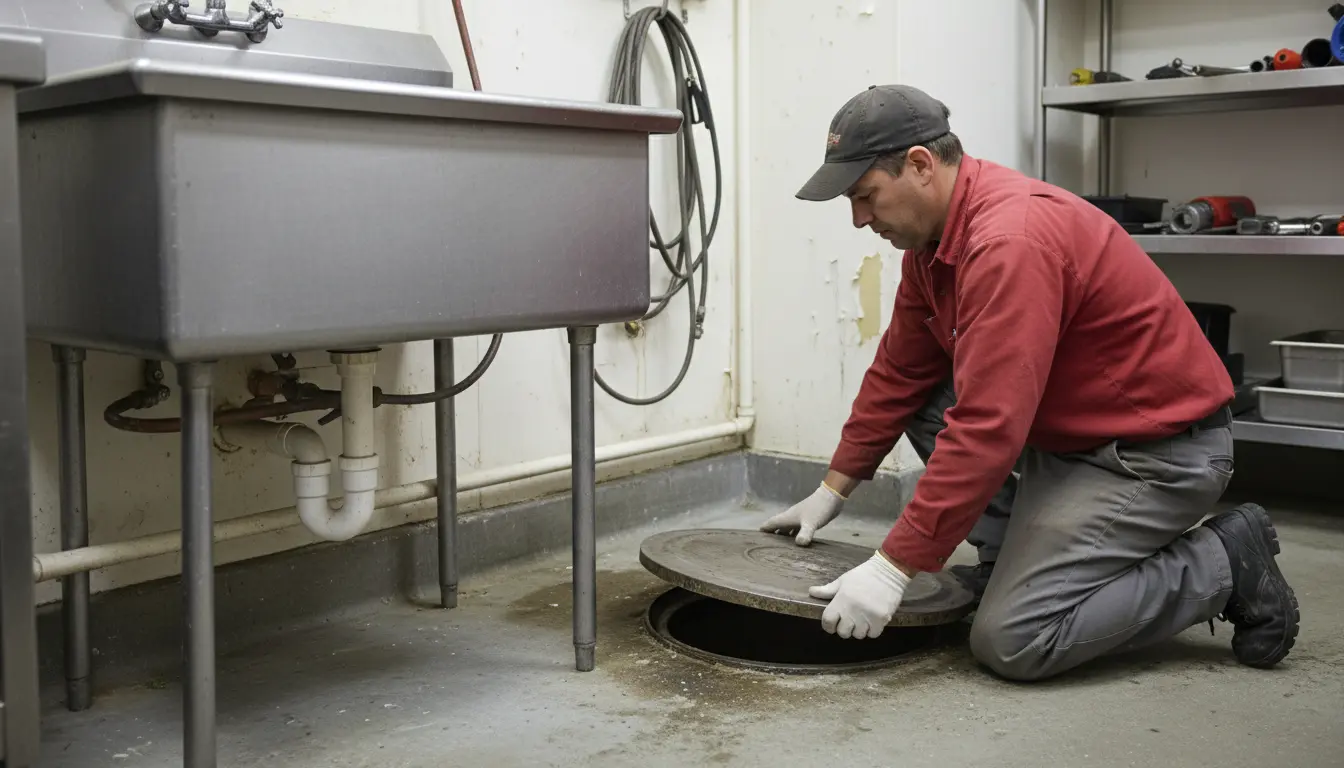
Find the Best Grease Trap Cleaning Companies for Your Business
No obligation • Fast responses • Nationwide coverage

Why you can trust Restaurant Waste Disposal
Restaurant Waste Disposal is a leading U.S. resource for comparing restaurant composting, food-waste recycling, grease trap cleaning, and used cooking oil collection services. Our editorial team researches providers, checks credentials, and organizes unbiased information so operators can make informed decisions. Companies cannot pay to change ratings or placement.
Search providers near you
Top Grease Trap Cleaning Companies in Dearborn Heights, Michigan Ranked
For any restaurant or food service establishment in Dearborn Heights, managing fats, oils, and grease (FOG) is a critical operational and legal responsibility. Proper grease interceptor maintenance is not just about avoiding unpleasant odors or slow drains; it's a mandated requirement under the Michigan Plumbing Code designed to protect the local sewer infrastructure from costly blockages and environmental damage. Regular, professional cleaning ensures your business remains in compliance with local health and sewer department regulations, helps you avoid significant fines, and keeps your kitchen running smoothly. Establishing a reliable service schedule with a licensed provider is the most effective way to manage this essential task.
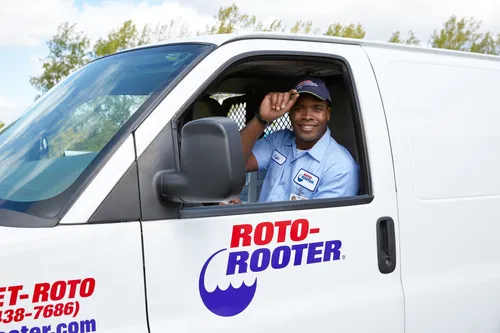
Roto-Rooter Plumbing & Water Cleanup
422 W Congress St, Detroit, MI 48226
Roto-Rooter Plumbing & Water Cleanup offers comprehensive residential and commercial plumbing services in Detroit, MI. Their experienced team handles a wide range of needs including sewer and drain cleaning, water heater repairs and installations, grease trap maintenance, and emergency flood and water damage cleanup. They use advanced equipment such as hydro-jetting for drain cleaning and provide both conventional and trenchless sewer line repairs. Serving Detroit and surrounding counties, Roto-Rooter is available 24/7 for emergency plumbing services to address urgent issues promptly.
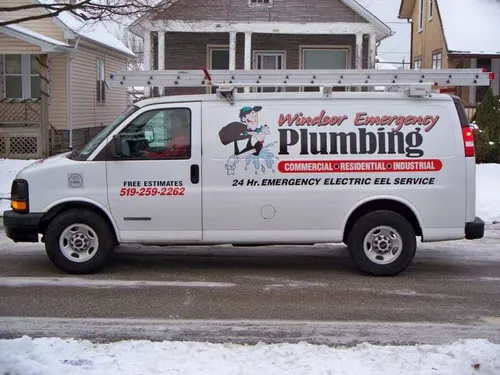
Windsor Emergency Plumbing
Dearborn, MI
Windsor Emergency Plumbing is a plumbing service provider located in Dearborn, MI, offering 24/7 emergency plumbing solutions for commercial, residential, and industrial clients. Their services include grease trap cleaning and installations, sewer inspections with color video cameras, backflow prevention, water line repairs, and hot water system specialists. With over 35 years of experience serving Windsor, Essex, and Kent County, they provide comprehensive plumbing repairs and installations with a guarantee that jobs are done right the first time or the callback is free.

Hernandez Sanitation (formerly: Orbit Septic Tank Pumping)
1325 Gore Rd, Harrow, ON N0R 1G0, Canada
Hernandez Sanitation (formerly Orbit Septic Tank Pumping) provides residential and commercial sanitation services in West Bloomfield, MI. They offer a variety of pipe and drain cleaning services including septic tank cleaning, grease trap cleaning, catch basin cleaning, holding tank cleaning, and high-pressure sewer jetting. Their team works to maintain and clear sewer lines by removing grease, scale, and debris to prevent backups and flooding. Serving the Windsor and Essex County area, Hernandez Sanitation supports both homes and businesses with specialized sanitation solutions.
Understanding Local Grease Interceptor Requirements
In Dearborn Heights, the installation and maintenance of grease traps or interceptors are governed by specific state and local codes. The Michigan Plumbing Code mandates that any fixture located in food preparation or dishwashing areas that discharges grease-laden waste must be connected to an approved grease interceptor. These devices are engineered to capture FOG before wastewater enters the public sewer system, preventing the formation of hardened "fatbergs" that can cause severe blockages and sanitary sewer overflows.
Compliance involves more than just having the equipment installed. Local inspectors from health or public works departments have the authority to review your maintenance records and the physical condition of your interceptor during routine inspections 1. Failure to demonstrate proper upkeep can result in violations, which carry the risk of substantial fines or, in severe cases, an order to cease operations until the issue is resolved. Proactive maintenance is always more cost-effective than reacting to an enforcement action.
The Critical Importance of Regular Cleaning Schedules
How often should your grease trap be serviced? There is no universal answer, as the frequency depends entirely on your kitchen's volume. For a typical Dearborn Heights restaurant, professional pumping and cleaning is generally needed every one to three months. High-volume establishments, such as busy diners or banquet halls, may require monthly or even more frequent service to prevent overflows and maintain efficiency 2.
Adhering to a preventative maintenance schedule is the single best practice for cost control and compliance. When a grease interceptor becomes too full, it loses its effectiveness, allowing FOG to escape into the sewer lines. This not only increases the risk of a violation but can also lead to emergency situations like backups into your own kitchen. Emergency service calls are significantly more expensive than scheduled maintenance, often costing two to three times as much. A scheduled program with a trusted provider ensures your interceptor is serviced before it becomes a problem.
Detailed Cost Breakdown for Service
Understanding the potential costs helps in budgeting for this necessary expense. For a standard, scheduled grease trap pumping and cleaning service in the Dearborn Heights area, restaurants can expect to pay between $250 and $400 per service visit (based on early 2025 estimates). This price can vary based on the size and accessibility of your interceptor, the amount of accumulated waste, and your specific service agreement.
It is crucial to contrast this with the cost of neglect. An emergency call-out for a clogged or overflowing trap, which often requires immediate response and more intensive labor, can range from $800 to $1,200 or more 3 4. Furthermore, the fines imposed by the city for non-compliance can far exceed the cost of many months of regular service 5. Most reputable local service companies offer free, no-obligation quotes, allowing you to get a precise estimate for your establishment's needs 6 4.
Find the perfect grease trap cleaning companies for your needs
Get personalized recommendations and expert advice
Record-Keeping: Your Proof of Compliance
One of the most overlooked yet vital aspects of grease management is documentation. The Michigan Plumbing Code and local Dearborn Heights inspectors require businesses to maintain detailed records of all grease interceptor maintenance for a minimum of three years 7. These records should include the date of service, the name of the servicing company, the volume of waste removed, and the disposal method.
During an inspection, you will be asked to present these logs. Meticulous record-keeping provides tangible proof that your business is taking its FOG control responsibilities seriously. It transforms maintenance from a physical task into a verifiable administrative process. Your service provider should supply you with a detailed service report after each visit, which you should file immediately. This simple habit can be the difference between a passing and a failing inspection.
Choosing a Professional Service Provider in Dearborn Heights
Selecting the right partner for grease interceptor maintenance is a key business decision. You need a licensed, insured, and experienced hauler who understands the specific codes and inspection expectations in Dearborn Heights and Wayne County. A professional service will do more than just pump out the trap; they will thoroughly clean the interior walls and baffles, inspect the unit for damage, and properly dispose of the collected FOG at a licensed facility 8.
Several established companies serve the Dearborn Heights area, offering comprehensive service plans that include scheduled cleanings, emergency support, and detailed documentation 9 10 11. When evaluating providers, look for those who offer free assessments and are willing to help you establish a customized maintenance schedule based on your kitchen's output. A reliable provider acts as a compliance partner, helping you navigate regulations and avoid costly pitfalls.
Consequences of Neglect: Beyond the Fine
While financial penalties are a strong motivator, the consequences of poor grease trap maintenance extend further. An overloaded interceptor can cause slow drainage and foul odors in your kitchen, creating an unpleasant environment for staff and customers. In severe cases, sewage can back up into floor drains, leading to unsanitary conditions, business interruption, and expensive cleanup and remediation costs 12.
On a community level, FOG that escapes into the sewer system contributes to blockages in city lines. These blockages can cause sewer overflows into basements or local waterways, leading to environmental contamination and triggering costly municipal repairs. These public infrastructure issues often result in increased sewer fees for all local businesses. By maintaining your grease interceptor, you are fulfilling a civic duty and contributing to the proper functioning of Dearborn Heights's wastewater system.
Establishing a Proactive Maintenance Plan
The best approach is to be proactive. Start by having your current interceptor assessed by a professional to determine its condition and optimal service frequency. Based on their recommendation, set up a recurring service schedule. Mark these dates prominently on your calendar and consider setting reminders a week in advance.
Integrate grease trap checks into your daily kitchen closing procedures. Staff should be trained to scrape food scraps into trash or compost bins, not down the drain, and to use sink strainers. Minimizing the amount of solid food waste entering the interceptor can extend the time between necessary pumpings and improve the unit's efficiency. A combination of diligent staff practices and a unwavering professional service schedule is the formula for hassle-free compliance and operational peace of mind.
Frequently asked questions
Sources
Footnotes
-
Grease Trap Cleaning Michigan: How to Comply with State ... - https://dpoolecleaning.com/grease-trap-cleaning-michigan-how-to-comply-with-state-regulations/ ↩
-
Restaurant Grease Trap Cleaning FAQs - Mahoney Environmental - https://www.mahoneyes.com/restaurant-grease-trap-cleaning-faqs/ ↩
-
Ultimate Grease Trap Pumping Cost Guide: Essential Money-Saving ... - https://www.texwaywastewater.com/grease-trap-pumping-cost/ ↩
-
Grease Trap Cleaning in Dearborn Heights MI | Grease ... - https://greasetrapcleaningdearbornheights.com/ ↩ ↩2
-
Cost of Delayed Grease Trap Cleaning - PowerVac of Michigan - https://yourworkorder.com/the-cost-of-delayed-grease-trap-cleaning-for-michigan-businesses/ ↩
-
Grease Trap Cleaning in Dearborn Heights MI - https://greasetrapcleaningypsilanti.com/dearborn-heights-mi.html ↩
-
2021 Michigan Plumbing Code - 1003.3.1 Grease interceptors and ... - https://codes.iccsafe.org/s/MIPC2021P1/chapter-10-traps-interceptors-and-separators/MIPC2021P1-Ch10-Sec1003.3.1 ↩
-
Grease Traps for Commercial Kitchens in Michigan | PowerVac - https://yourworkorder.com/jet-vac/grease-trap-cleaning/restaurant-cleaning-services/ ↩
-
Grease Trap Cleaning in Dearborn Heights MI - https://greasetrapcleaninglivonia.com/dearborn-heights-mi.html ↩
-
Grease Trap Cleaning in Dearborn Heights MI - https://greasetrapcleaninglincolnpark.com/dearborn-heights-mi.html ↩
-
Grease Trap Cleaning in Dearborn Heights MI - https://greasetrapcleaningwestland.com/dearborn-heights-mi.html ↩
-
Detroit Restaurants: The Importance of Grease Trap Maintenance - https://evergreengrease.com/posts/importance-of-grease-trap-maintenance ↩