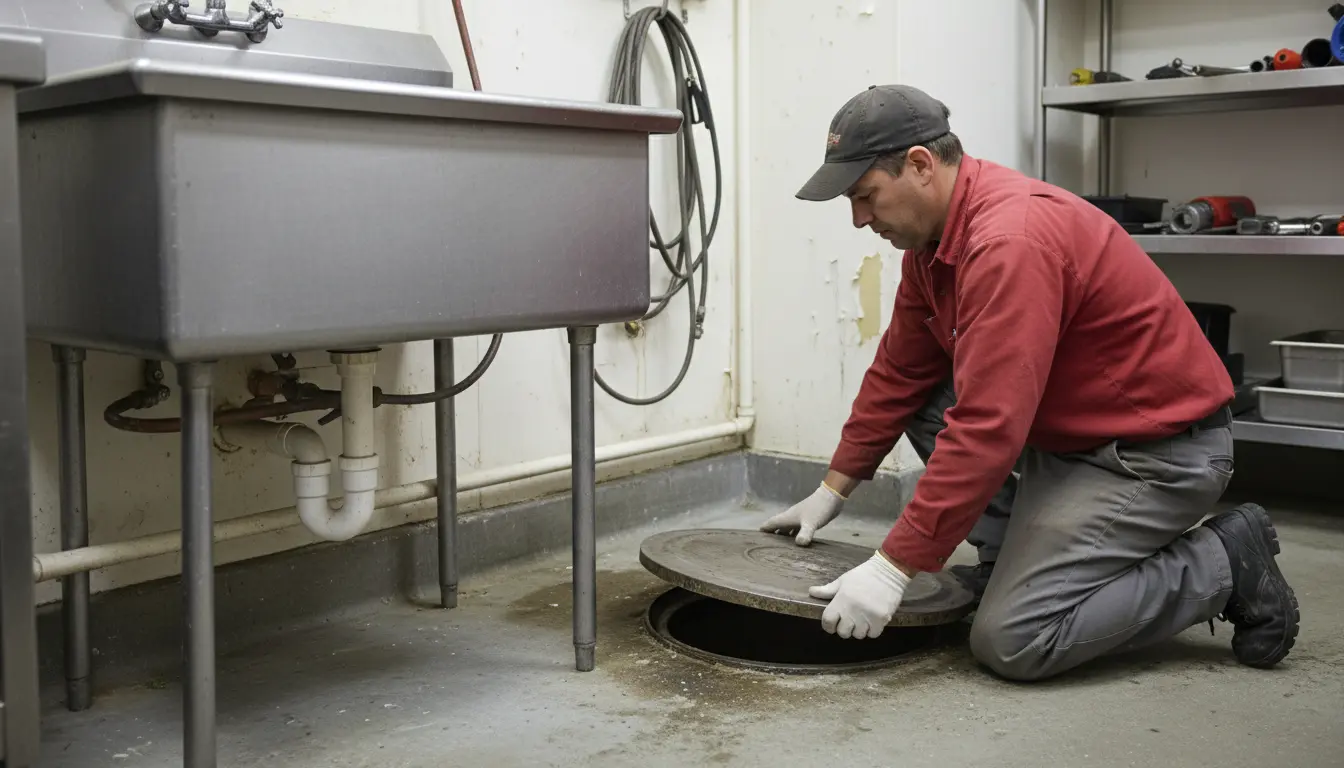
Find the Best Grease Trap Cleaning Companies for Your Business
No obligation • Fast responses • Nationwide coverage

Why you can trust Restaurant Waste Disposal
Restaurant Waste Disposal is a leading U.S. resource for comparing restaurant composting, food-waste recycling, grease trap cleaning, and used cooking oil collection services. Our editorial team researches providers, checks credentials, and organizes unbiased information so operators can make informed decisions. Companies cannot pay to change ratings or placement.
Search providers near you
Top Grease Trap Cleaning Companies in New Orleans, Louisiana Ranked
For any restaurant, food truck, or commercial kitchen in New Orleans, effective grease trap and interceptor maintenance is not just a best practice-it's a legal requirement. The city's unique infrastructure and environmental challenges have led to strict Fats, Oils, and Grease (FOG) management regulations enforced by the Sewerage & Water Board of New Orleans (SWBNO). Navigating these rules, which include mandatory permits, specific cleaning thresholds, and detailed record-keeping, is essential for operational continuity and avoiding significant penalties. Proactive, scheduled grease trap service is the most reliable way to ensure compliance, protect your plumbing, and manage costs effectively in the long run.
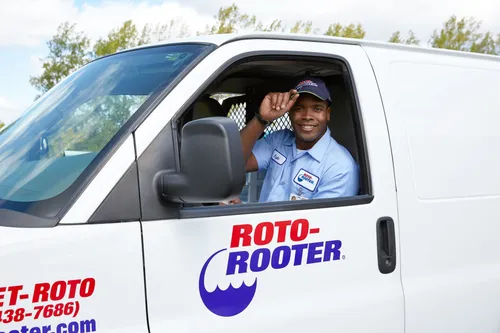
Roto-Rooter Plumbing & Water Cleanup
520 Elmwood Park Blvd Ste 190, New Orleans, LA 70123
Roto-Rooter Plumbing & Water Cleanup provides comprehensive plumbing and water damage services in New Orleans, LA. They serve both residential and commercial clients with offerings such as sewer and drain cleaning, water heater repair and installation, grease trap maintenance, floodwater cleanup, and mold remediation. Their commercial services include specialized capabilities like hydro-jetting and grease trap repairs, supporting various industries in the area. Roto-Rooter operates a 24/7 emergency plumbing service to address urgent issues like burst pipes, sewer backups, and water heater failures promptly.
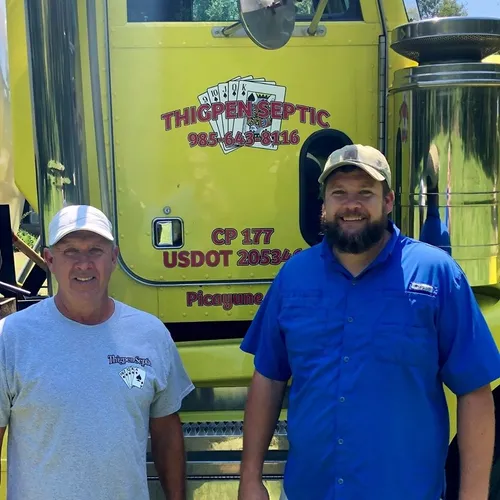
Thigpen Septic Tank Services, LLC
102 Trey Thigpen Rd, Picayune, MS 39466
Thigpen Septic Tank Services, LLC is a family-owned company serving New Orleans, LA, with over 52 years of experience in septic system solutions. They offer a full range of services including septic installations, repairs, maintenance, field drains, grease trap cleaning, and commercial system work. Known for their attention to detail and commitment to quality, they handle projects of all sizes to ensure systems operate efficiently and safely. Since 1973, Thigpen Septic Tank Services has been a trusted provider in the community, focusing on dependable septic care and customer support.
Roto Rooter Plumbing
70161 LA-59 Suite B, Abita Springs, LA 70420
Roto Rooter Plumbing is a family-owned and operated plumbing company serving New Orleans, LA, and the surrounding Northshore area. Since 1935, they have provided full-service plumbing and drain cleaning solutions for both residential and commercial customers. Their services include high-pressure water jetting, video camera inspections, plumbing repairs, sewer and drain cleaning, septic installation, backflow prevention, and excavation for underground pipe repair. The company uses advanced technology such as video camera pipeline inspections to accurately diagnose and address plumbing issues. They offer 24/7 availability without extra charges for after-hours service, ensuring help is accessible any time plumbing problems arise.
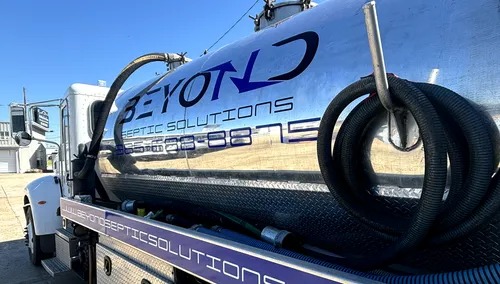
Beyond Septic Solutions
New Orleans, LA
Beyond Septic Solutions is a licensed and insured provider of septic vacuuming, grease trap cleaning, and waste oil removal services based in New Orleans, LA. They serve residential and commercial clients throughout Southern Louisiana, including Houma, Thibodaux, Grand Isle, Morgan City, and surrounding parishes. The company uses advanced equipment to maintain septic systems and grease traps, helping prevent backups and ensure compliance with local regulations. Beyond Septic Solutions also offers waste oil removal and portable toilet rentals as part of their environmentally responsible waste management solutions. With years of experience, they provide 24/7 emergency services to address urgent septic needs.
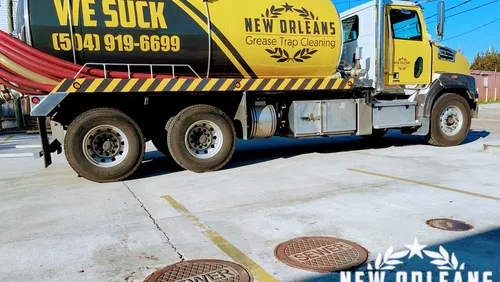
New Orleans Grease Trap Cleaning
New Orleans, LA
New Orleans Grease Trap Cleaning provides grease trap cleaning, used cooking oil recycling, and liquid waste disposal services in New Orleans, LA, and the greater Southeast Louisiana area. Their offerings include grease trap pumping, interior scraping, washout, and inspection of inlet and outlet pipes. They also provide a complimentary annual FOG 16.5 inspection report required by the Sewerage and Water Board of New Orleans. The company can service grease traps of any size or location and refers customers to licensed plumbers and specialized providers for repairs, drain cleaning, and water jetting. New Orleans Grease Trap Cleaning operates with 24/7 support and is locally owned.
Understanding New Orleans FOG Regulations
The foundation of grease management in New Orleans is the city's FOG ordinance, designed to prevent sewer blockages and overflows. Compliance is mandatory for all food service establishments.
The SWBNO Permit Every food service establishment must obtain a Grease Trap/Interceptor Discharge Permit from the SWBNO. This permit costs approximately $140 and is valid for three years before renewal is required 1. Operating without a valid permit can lead to enforcement actions.
The Critical 25% Rule The core operational regulation is the "25% rule." Grease traps and interceptors must be pumped and cleaned when the accumulation of FOG and solids reaches 25% of the trap's operating depth (measured from the outlet pipe to the bottom) 2. This is not a suggestion; it's a enforceable standard.
Mandatory Service Frequency For many busy kitchens, reaching the 25% threshold happens quickly. The regulations often mandate a minimum cleaning frequency, typically quarterly (every three months), regardless of the measured accumulation. High-volume establishments, especially those with heavy fryer use, may require monthly or bi-monthly service to stay compliant.
Inspection, Enforcement, and Record-Keeping
The SWBNO takes FOG compliance seriously, with a system in place to verify that establishments are following the rules.
Service Manifests are Your Proof After each service, your provider will issue a manifest or service report. You are required by law to keep these records on-site for a minimum of three years. These documents are the first thing an inspector will ask to see, as they provide a history of your maintenance compliance.
Sampling and Verification During a compliant cleaning service, certified technicians often take a sludge sample from the bottom of the trap after pumping 3. This sample verifies that the trap was cleaned to the proper standard and that the 25% rule was addressed.
Penalties for Non-Compliance Failing to adhere to regulations can be costly. Penalties can include fines starting at $1,000 for a first offense and escalating up to $10,000 for repeat violations 4. In severe cases of non-compliance or repeat offenses, the SWBNO has the authority to pursue business closure 4.
Cost of Grease Trap Service in New Orleans
Understanding the cost structure helps in budgeting and highlights the value of preventative maintenance. Prices vary based on trap size, location, accessibility, and the amount of waste removed.
Scheduled Maintenance Costs For a standard, scheduled cleaning service, most restaurants can expect to pay between $250 and $400 per service 5. Some companies price by volume, charging a flat trip fee (e.g., $150-$250) plus a per-gallon rate (around $0.50 per gallon) for the waste pumped out 6 5.
The High Price of Emergencies An emergency service call for a completely clogged or overflowing grease trap is exponentially more expensive. These urgent calls can cost between $800 and $1,200 or more, as they require immediate response, often after hours, and more labor-intensive work to resolve severe blockages 7 8. This stark difference underscores that scheduled cleaning is an investment that saves money.
Find the perfect grease trap cleaning companies for your needs
Get personalized recommendations and expert advice
Best Practices for Kitchen FOG Management
Proper grease trap maintenance starts in the kitchen. By reducing the amount of FOG entering the drains, you can extend the time between necessary pumpings, reduce costs, and improve overall compliance.
- Scrape, Don't Rinse: All food scraps should be scraped into compost or trash bins before warewashing. Food solids contribute significantly to sludge buildup.
- Collect Cooking Oil: Never pour used fryer oil, bacon grease, or pan drippings down any drain. All used cooking oil should be collected in dedicated containers for recycling by a licensed service 9.
- Use Sink Strainers: Install and regularly empty strainer baskets in all prep and dish sinks to catch food particles.
- Train Your Staff: Consistent training for all kitchen and dish staff on proper waste disposal is one of the most effective ways to control FOG at the source 10.
Choosing a Service Provider
Selecting a reliable grease trap cleaning company is a crucial business decision. Look for providers that demonstrate a clear understanding of local New Orleans SWBNO regulations. They should offer detailed service manifests that meet record-keeping requirements, be willing to take and document sludge samples, and provide clear explanations of their pricing. A reputable provider will act as a partner in your compliance, not just a vendor.
The Environmental and Community Impact
Proper FOG management in New Orleans has benefits beyond your kitchen. It protects the city's aging and vulnerable sewer system from costly and disruptive blockages. It also prevents FOG from contaminating local waterways, including the Mississippi River and Lake Pontchartrain. By ensuring your grease trap is serviced correctly and your oil is recycled, you contribute to the environmental health and resilience of the Greater New Orleans area.
Frequently asked questions
Sources
Footnotes
-
Services - Grease Trap and-or Interceptor Discharge Permit - https://nola.gov/grease-trap-permit/ ↩
-
GREASE TRAPS 101 - City of New Orleans - https://nola.gov/nola/media/One-Stop-Shop/SWBNO-Grease-Traps-101-Revised.pdf ↩
-
Basic Grease Trap Cleaning Steps in New Orleans - https://neworleansgreasetrapcleaning.com/grease-trap-cleaning-steps-new-orleans/ ↩
-
New Orleans Area Grease Trap Regulations - Rebirth Biofuels - https://rebirthbiofuels.com/new-orleans-area-grease-trap-regulations/ ↩ ↩2
-
Price Estimate - New Orleans Grease Trap Cleaning Service Fee - https://neworleansgreasetrapcleaning.com/our-prices/ ↩ ↩2
-
New Orleans Grease Trap Cleaning Service Frequency - https://neworleansgreasetrapcleaning.com/new-orleans-grease-trap-cleaning-service-frequency/ ↩
-
How to Clean a Grease Trap (and How Often You Should) - https://greaseconnections.com/how-to-clean-a-grease-trap-and-how-often-you-should/ ↩
-
Ultimate Grease Trap Pumping Cost Guide: Essential Money-Saving ... - https://www.texwaywastewater.com/grease-trap-pumping-cost/ ↩
-
Restaurant Grease Trap Cleaning FAQs - Mahoney Environmental - https://www.mahoneyes.com/restaurant-grease-trap-cleaning-faqs/ ↩
-
Grease Trap Cleaning Guide for Restaurant Owners - https://neworleansgreasetrapcleaning.com/grease-trap-cleaning-guide-for-restaurant-owners/ ↩