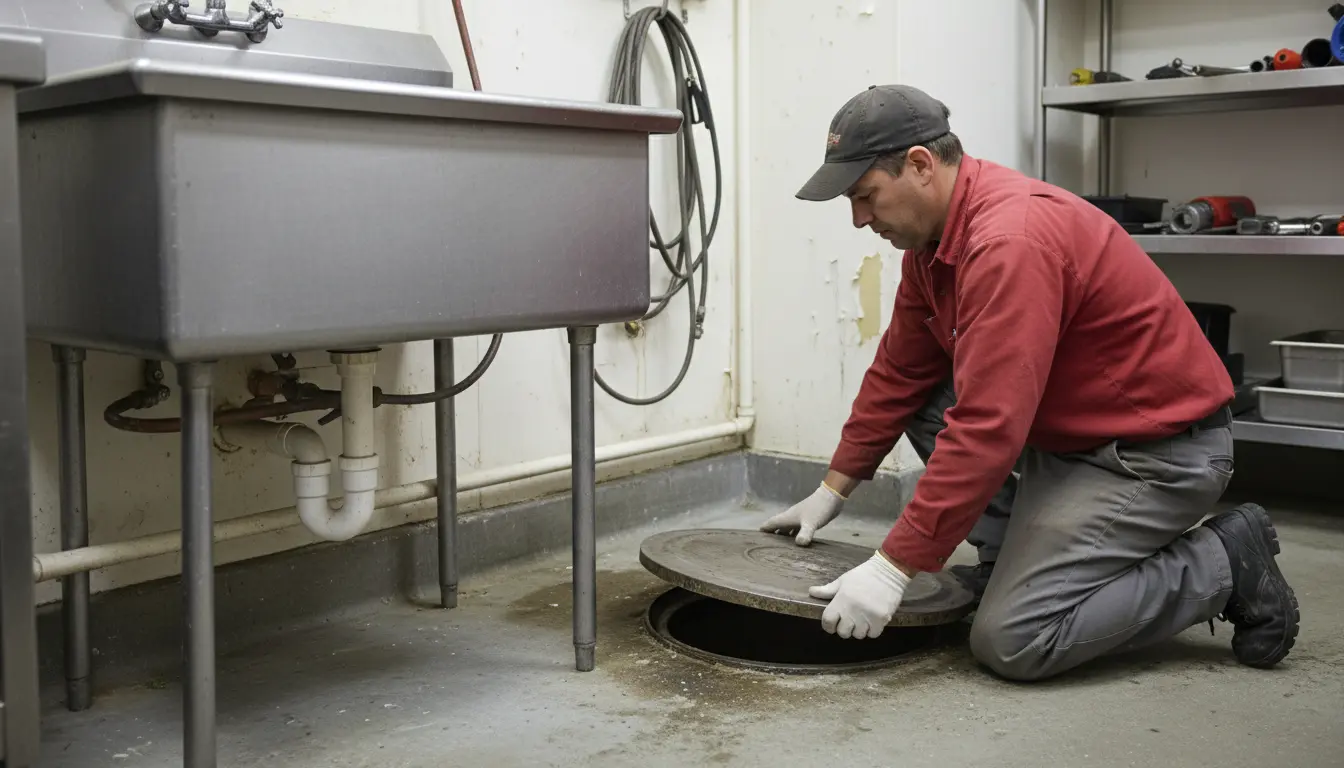
Find the Best Grease Trap Cleaning Companies for Your Business
No obligation • Fast responses • Nationwide coverage

Why you can trust Restaurant Waste Disposal
Restaurant Waste Disposal is a leading U.S. resource for comparing restaurant composting, food-waste recycling, grease trap cleaning, and used cooking oil collection services. Our editorial team researches providers, checks credentials, and organizes unbiased information so operators can make informed decisions. Companies cannot pay to change ratings or placement.
Search providers near you
Top Grease Trap Cleaning Companies in Bossier City, Louisiana Ranked
For restaurant owners and food service operators in Bossier City, maintaining a clean and compliant grease trap or interceptor is a critical operational and legal responsibility. The city, like many across Louisiana, enforces specific regulations to prevent fats, oils, and grease (FOG) from entering the public sewer system, where they can cause costly blockages and environmental issues. Proper grease management is not just about avoiding fines; it's about protecting your plumbing, ensuring smooth business operations, and contributing to the community's wastewater infrastructure. This guide outlines the local requirements, best practices, and practical considerations for keeping your grease interceptor service in top shape.
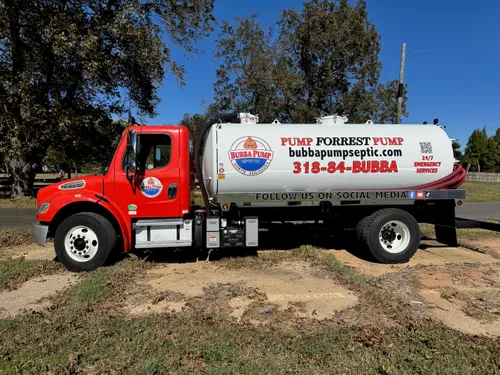
Bubba Pump Septic Co
Bossier City, LA
Bubba Pump Septic Co is a locally owned, veteran-led, and minority-operated company based in Bossier City, LA. They provide septic tank and grease trap cleaning services throughout North Louisiana. The company focuses on preventing issues before they become major problems by offering timely and efficient cleaning. Bubba Pump Septic Co emphasizes integrity and hard work in every job, treating each property with care and respect.
Enviro-Vac
702 Bester St, Shreveport, LA 71107
Enviro-Vac is a grease trap cleaning company based in Shreveport, LA. They provide grease trap cleaning services primarily for local businesses. The company has experience working with clients in the restaurant industry and offers regular maintenance schedules for grease trap pumping.
Liquid Environmental Solutions
437 Fortson St, Shreveport, LA 71107
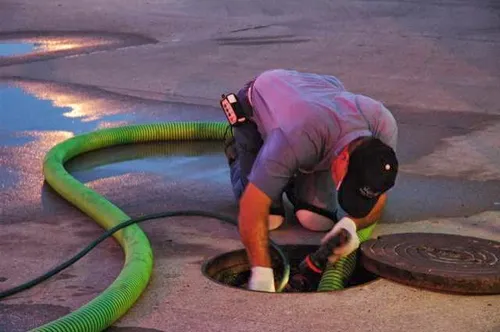
Liquid Environmental Solutions is a non-hazardous liquid waste management company based in Shreveport, LA. They provide services such as used cooking oil collection, grease trap and interceptor cleaning, oil water separator and grit trap cleaning, and wastewater disposal. The company serves industries including restaurants, grocery stores, convenience stores, automotive services, and environmental services. Founded over twenty years ago, Liquid Environmental Solutions focuses on recycling a high percentage of the food waste they collect and maintaining compliance for their clients.
Understanding Bossier City's Grease Trap Regulations
Bossier City mandates that all food service establishments maintain their grease interceptors in "efficient operating condition." The core of local compliance revolves around a permit system. Your specific cleaning frequency-whether monthly, quarterly, or on another schedule-is dictated by the conditions of your individual wastewater permit, not a one-size-fits-all city ordinance. This permit is typically based on your establishment's size, menu, and volume of FOG produced. High-volume kitchens often face more frequent required cleanings, commonly every 1 to 3 months.
A key rule is that cleaning must constitute a full pump-out. This means a licensed hauler must completely remove all contents-grease, solids, and wastewater-from the interceptor. No grease should be allowed to flow back into the plumbing system. 1 Furthermore, Louisiana state law requires that only licensed liquid waste haulers perform this service and handle the disposal. 2 3 Using an unlicensed provider can put your business out of compliance.
Record-Keeping and Inspections
Documentation is a cornerstone of compliance. Restaurant owners are required to keep detailed records on-site for a minimum of three years. This file should include:
- All service manifests and receipts from your licensed grease hauler.
- Copies of your relevant permits.
- Any internal inspection logs.
City officials have the authority to conduct on-site inspections of both your grease interceptor and these records, often without prior notice. The enforcement focus is proactive, aiming to prevent sewer blockages and the business disruptions that follow. Consistent, documented maintenance is your best defense during an inspection and your primary tool for avoiding penalties.
The Cost of Grease Interceptor Maintenance
Investing in regular grease trap pumping is far more economical than dealing with the consequences of neglect. Costs in the Bossier City area vary based on the size of your trap, its location, and how well it has been maintained.
- Small Indoor Grease Traps: For compact units that require monthly service, you can expect costs to range from approximately $75 to $200 per cleaning. 4 5
- Medium to Large Grease Interceptors: Standard outdoor interceptors serviced every 1 to 3 months typically cost between $250 and $400+ per service visit. 6
- Neglected or Emergency Service: If a trap becomes overly full, clogged, or causes a backup, emergency pump-out and cleaning costs can skyrocket, often reaching between $800 and $1,200 or more. 7 8 This stark difference highlights the significant savings offered by a strict preventative maintenance schedule.
Find the perfect grease trap cleaning companies for your needs
Get personalized recommendations and expert advice
Best Practices for Restaurant Grease Management
Adhering to regulations is the baseline; excelling at grease management can extend service intervals, reduce costs, and improve operational efficiency.
- Establish a Proactive Service Schedule: Don't wait for problems. Work with your licensed hauler to establish a pumping schedule that meets or exceeds your permit requirements. Small traps may need monthly attention, while larger ones might be on a 4- to 12-week cycle. 9
- Implement Comprehensive Staff Training: Your kitchen staff are the first line of defense. Train them to scrape all food scraps into trash or compost bins before washing, to use sink strainers, and to avoid pouring any fats, oils, or grease down the drain. 10 A simple "No Grease Down the Drain" policy can dramatically reduce the load on your interceptor.
- Maintain Impeccable Records: Designate a binder or digital folder specifically for all grease-related documents. File every service manifest immediately and keep it for the full three-year period. This organized approach makes inspections quick and painless.
- Partner with a Reputable, Licensed Provider: Choose a service provider that is fully licensed in Louisiana, offers reliable scheduling, and provides detailed documentation after every service. A good partner will help you optimize your schedule for both compliance and cost-effectiveness.
Consequences of Non-Compliance
Failing to properly maintain your grease interceptor carries multiple risks. The most immediate is a sanitary sewer overflow or a backup in your own kitchen, which can force a temporary closure-a direct hit to revenue and reputation. 11 City enforcement actions can include significant fines for permit violations. Beyond penalties, chronic FOG discharge can lead to increased sewer surcharges from your water utility. Ultimately, consistent neglect is the most expensive approach to grease trap management, both in sudden costs and long-term operational headaches.
Frequently asked questions
Sources
Footnotes
-
proceedings of the city council of bossier city - https://www.bossiercity.org/AgendaCenter/ViewFile/Minutes/_06192018-182 ↩
-
Restaurant Grease Trap Cleaning FAQs - Mahoney Environmental - https://www.mahoneyes.com/restaurant-grease-trap-cleaning-faqs/ ↩
-
Louisiana Administrative Code, Chapter 10, Section XIV-1005 - https://regulations.justia.com/states/louisiana/title-51/part-xiv/chapter-10/section-xiv-1005/ ↩
-
Ultimate Grease Trap Pumping Cost Guide: Essential Money-Saving ... - https://www.texwaywastewater.com/grease-trap-pumping-cost/ ↩
-
The Cost To Clean A Grease Trap For Restaurants - https://thegreasecompany.com/blog/greasetrapcleaningcost/ ↩
-
Grease Trap Cleaning Prices | Guide on the Industry Average - https://grease-cycle.com/grease-trap-pumping-cost/ ↩
-
Grease Trap Regulations in Louisiana - Rebirth Biofuels - https://rebirthbiofuels.com/blog/grease-trap-regulations-louisiana/ ↩
-
How Much Does It Cost To Clean A Grease Trap? - https://www.greasecollection.com/blog/how-much-does-it-cost-to-clean-a-grease-trap/ ↩
-
Grease Trap Cleaning Guide for Restaurant Owners - https://neworleansgreasetrapcleaning.com/grease-trap-cleaning-guide-for-restaurant-owners/ ↩
-
New Orleans Area Grease Trap Regulations - Rebirth Biofuels - https://rebirthbiofuels.com/new-orleans-area-grease-trap-regulations/ ↩
-
The Ultimate Guide to Restaurant Grease Trap Cleaning - https://mokherplumbing.com/ultimate-guide-restaurant-grease-trap-cleaning/ ↩