Find the Best Grease Trap Cleaning Companies for Your Business
No obligation • Fast responses • Nationwide coverage

Why you can trust Restaurant Waste Disposal
Restaurant Waste Disposal is a leading U.S. resource for comparing restaurant composting, food-waste recycling, grease trap cleaning, and used cooking oil collection services. Our editorial team researches providers, checks credentials, and organizes unbiased information so operators can make informed decisions. Companies cannot pay to change ratings or placement.
Search providers near you
Best Grease Trap Cleaning Companies in Louisiana Ranked
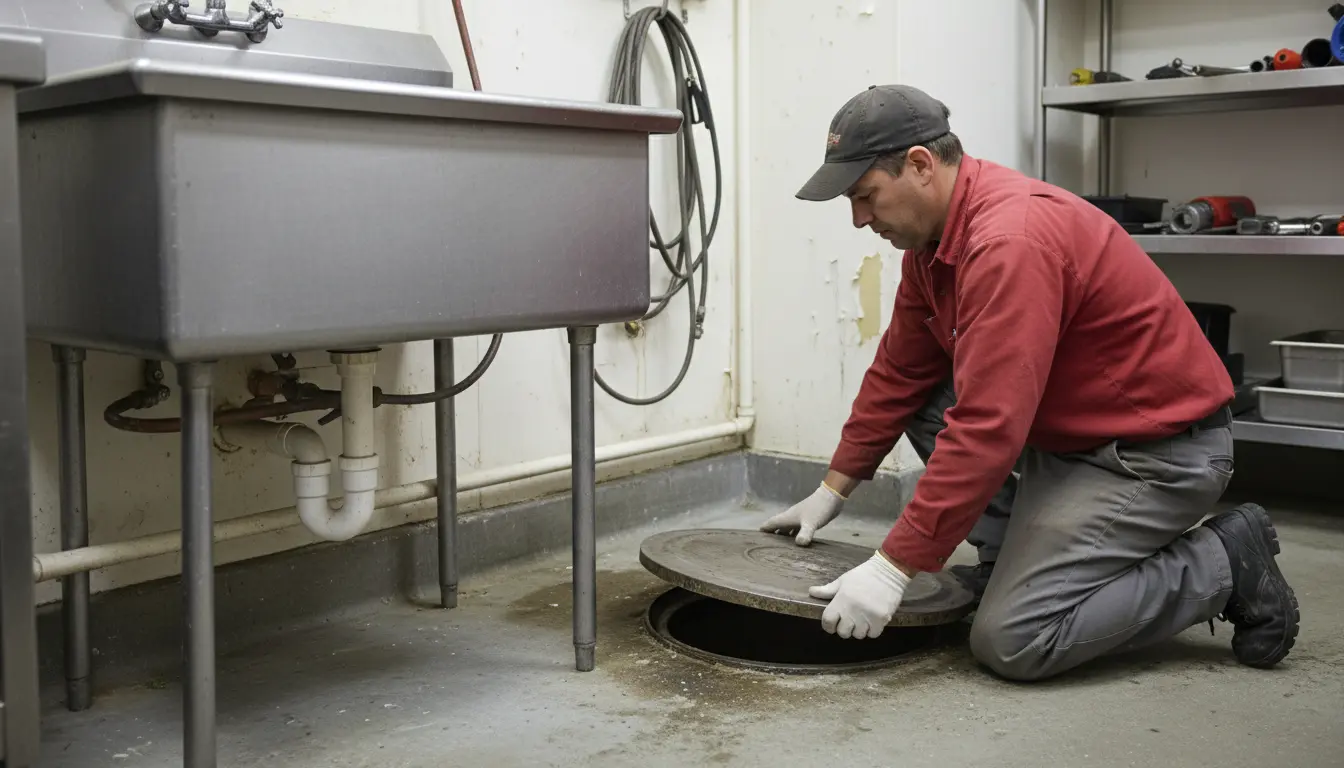
For restaurant owners and food service operators in Louisiana, managing fats, oils, and grease (FOG) is a critical operational and regulatory responsibility. Proper grease trap and interceptor maintenance is not just about preventing clogs; it's a legal requirement enforced at the local level to protect municipal sewer systems from costly blockages and environmental damage. Compliance involves understanding a patchwork of parish-specific rules, securing permits, working with licensed professionals, and maintaining meticulous records. This guide provides a clear overview of the regulations, best practices, and practical considerations for effective grease management across the state.
Roto-Rooter Plumbing & Water Cleanup
520 Elmwood Park Blvd Ste 190, New Orleans, LA 70123
Roto-Rooter Plumbing & Water Cleanup provides comprehensive plumbing and water damage services in New Orleans, LA. They serve both residential and commercial clients with offerings such as sewer and drain cleaning, water heater repair and installation, grease trap maintenance, floodwater cleanup, and mold remediation. Their commercial services include specialized capabilities like hydro-jetting and grease trap repairs, supporting various industries in the area. Roto-Rooter operates a 24/7 emergency plumbing service to address urgent issues like burst pipes, sewer backups, and water heater failures promptly.
Thigpen Septic Tank Services, LLC
102 Trey Thigpen Rd, Picayune, MS 39466
Thigpen Septic Tank Services, LLC is a family-owned company serving New Orleans, LA, with over 52 years of experience in septic system solutions. They offer a full range of services including septic installations, repairs, maintenance, field drains, grease trap cleaning, and commercial system work. Known for their attention to detail and commitment to quality, they handle projects of all sizes to ensure systems operate efficiently and safely. Since 1973, Thigpen Septic Tank Services has been a trusted provider in the community, focusing on dependable septic care and customer support.
Roto Rooter Plumbing
70161 LA-59 Suite B, Abita Springs, LA 70420
Roto Rooter Plumbing is a family-owned and operated plumbing company serving New Orleans, LA, and the surrounding Northshore area. Since 1935, they have provided full-service plumbing and drain cleaning solutions for both residential and commercial customers. Their services include high-pressure water jetting, video camera inspections, plumbing repairs, sewer and drain cleaning, septic installation, backflow prevention, and excavation for underground pipe repair. The company uses advanced technology such as video camera pipeline inspections to accurately diagnose and address plumbing issues. They offer 24/7 availability without extra charges for after-hours service, ensuring help is accessible any time plumbing problems arise.
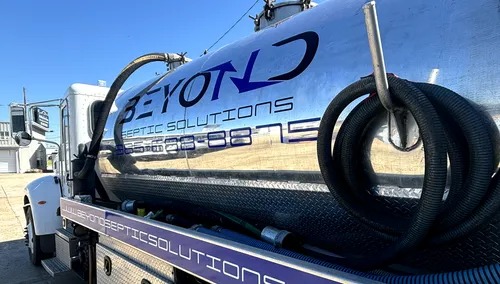
Beyond Septic Solutions
New Orleans, LA
Beyond Septic Solutions is a licensed and insured provider of septic vacuuming, grease trap cleaning, and waste oil removal services based in New Orleans, LA. They serve residential and commercial clients throughout Southern Louisiana, including Houma, Thibodaux, Grand Isle, Morgan City, and surrounding parishes. The company uses advanced equipment to maintain septic systems and grease traps, helping prevent backups and ensure compliance with local regulations. Beyond Septic Solutions also offers waste oil removal and portable toilet rentals as part of their environmentally responsible waste management solutions. With years of experience, they provide 24/7 emergency services to address urgent septic needs.
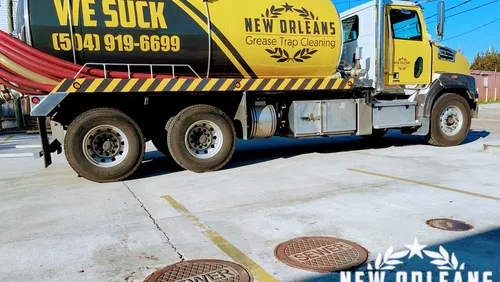
New Orleans Grease Trap Cleaning
New Orleans, LA
New Orleans Grease Trap Cleaning provides grease trap cleaning, used cooking oil recycling, and liquid waste disposal services in New Orleans, LA, and the greater Southeast Louisiana area. Their offerings include grease trap pumping, interior scraping, washout, and inspection of inlet and outlet pipes. They also provide a complimentary annual FOG 16.5 inspection report required by the Sewerage and Water Board of New Orleans. The company can service grease traps of any size or location and refers customers to licensed plumbers and specialized providers for repairs, drain cleaning, and water jetting. New Orleans Grease Trap Cleaning operates with 24/7 support and is locally owned.
Understanding Louisiana's Regulatory Landscape
In Louisiana, grease trap regulations are primarily governed by local ordinances, meaning requirements can differ significantly from one parish or city to the next. While the state provides a framework through the Louisiana Department of Environmental Quality, the day-to-day enforcement and specific rules are set by local public works or sewerage and water boards. This decentralized approach makes it essential for business owners to verify rules with their local authority.
The core principle across jurisdictions is preventing FOG from entering the public sewer system. When grease cools and solidifies in pipes, it creates severe blockages that can lead to sanitary sewer overflows (SSOs), environmental contamination, and expensive public infrastructure repairs. To mitigate this risk, local governments mandate that food service establishments install, maintain, and regularly clean approved grease interceptors.
Key Regulatory Bodies
- New Orleans: The Sewerage & Water Board of New Orleans (SWBNO) administers the Grease Trap and/or Interceptor Discharge Permit program.
- Baton Rouge: The Department of Public Works enforces Best Management Practices (BMPs) for Food Service Establishments.
- Other Parishes: Cities like Lafayette, Shreveport, and Jefferson Parish have their own public works or utility departments that set and enforce local codes.
Permits, Documentation, and Licensed Haulers
Compliance in Louisiana involves more than just periodic cleaning; it requires formal administrative steps and thorough record-keeping.
Permits: Most major municipalities require food service establishments to obtain a grease discharge permit. In New Orleans, this permit is non-transferable and must be renewed, typically on an annual basis. Similarly, Baton Rouge requires compliance with its BMP program, which functions as a permitting system. Operating without a required permit can result in significant fines.
Documentation (Manifests & Logs): After each service, a licensed hauler will provide a manifest or service report. Louisiana regulations generally require you to keep these cleaning and maintenance logs onsite for a minimum of three to five years. Inspectors can request these documents during routine checks to verify compliance with cleaning frequency rules.
Licensed Professionals: Cleaning and waste disposal must be performed by licensed plumbers or certified waste haulers 1 2. These professionals are authorized to handle the waste properly, often transporting it to approved rendering facilities or wastewater treatment plants. Using an unlicensed service not only risks non-compliance but also may lead to improper disposal and associated penalties.
Determining Your Cleaning Frequency
How often you need to clean your grease trap or interceptor is not a one-size-fits-all schedule. It is primarily driven by your kitchen's volume and the specific rules of your locality, all centered on a common performance threshold.
The 25% Rule: A universal best practice and common regulatory requirement is to clean the trap before the combined floating grease layer and settled solids reach 25% of the unit's operating liquid depth 3. Exceeding this level significantly reduces the trap's efficiency and increases the risk of FOG escaping into the sewer line.
Parish-Specific Frequencies:
- New Orleans: The SWBNO mandates cleaning at a minimum of every 90 days, or more frequently if the 25% threshold is reached sooner 4 5.
- Baton Rouge: Guidelines typically require cleaning every 30 to 90 days, ensuring compliance with the 25% rule 6 7.
- General Guidance: High-volume establishments (e.g., large restaurants, cafeterias) often require monthly service. Lower-volume operations may adequately maintain compliance with quarterly cleanings, provided the 25% threshold is not breached 8.
The most reliable method is to have your service professional measure and report the FOG and solids levels during each service, allowing you to tailor a schedule based on actual need rather than a calendar estimate.
Find the perfect grease trap cleaning companies for your needs
Get personalized recommendations and expert advice
Costs of Grease Trap Maintenance in Louisiana
The cost for professional grease trap cleaning varies based on the type and size of your unit, its accessibility, and your service frequency. Investing in regular maintenance is invariably less expensive than dealing with fines, emergency plumbing, or sewer line repairs.
Indoor Grease Traps: Smaller units located under sinks or in kitchen lines typically cost between $115 and $475 per service for routine pumping and cleaning.
Outdoor Grease Interceptors: Larger in-ground interceptors require more labor and equipment. Regular service for these units generally ranges from $325 to $1,040 or more per service 9.
It's important to note that these are market rates for cleaning services. Some providers may offer cost offsets or service contracts if they can collect and recycle your used cooking oil, which has value for biodiesel production.
Best Practices for Restaurant Owners
Beyond scheduling and paperwork, effective grease management is an operational discipline.
- Staff Training: Educate all kitchen staff to never pour grease down sinks, floor drains, or dish pits. Scrape food scraps into trash or compost bins before washing.
- Proper Sizing: Ensure your grease interceptor is correctly sized for your kitchen's maximum projected flow. An undersized trap will fail regardless of cleaning frequency.
- Preventative Maintenance: Schedule regular inspections alongside cleanings. A professional can identify issues like baffle damage, leaks, or hydraulic problems early.
- Keep Detailed Records: Maintain an organized, easily accessible file of all permits, service manifests, and inspection reports. This is your first line of defense during a regulatory inspection.
Steps for Proactive Compliance
- Identify Your Local Authority: Contact your city or parish Department of Public Works or Sewerage Board to obtain the specific grease control ordinance for your business address.
- Secure Your Permit: Apply for and obtain any required grease discharge permit before opening or as soon as possible if you are an existing business.
- Select a Licensed Provider: Vet and contract with a licensed, insured grease hauler familiar with your local regulations.
- Establish a Baseline Schedule: Work with your provider to determine an initial cleaning frequency based on your volume and local mandates (e.g., quarterly).
- Monitor and Adjust: Review service manifests after each cleaning. If the 25% threshold is consistently reached before your next scheduled service, increase the frequency.
- Prepare for Inspections: Keep your permit posted and your service logs readily available for any inspector.
Frequently asked questions
Sources
Footnotes
-
Services - Permits & Licenses - Business - Grease Trap and-or Interceptor Discharge Permit - City of New Orleans - https://nola.gov/grease-trap-permit/ ↩
-
Basic Grease Trap Cleaning Steps in New Orleans - https://neworleansgreasetrapcleaning.com/grease-trap-cleaning-steps-new-orleans/ ↩
-
Grease Trap Cleaning Guide for Restaurant Owners - https://neworleansgreasetrapcleaning.com/grease-trap-cleaning-guide-for-restaurant-owners/ ↩
-
Service Frequency of Grease Trap Cleaning in New Orleans, LA - https://neworleansgreasetrapcleaning.com/new-orleans-grease-trap-cleaning-service-frequency/ ↩
-
New Orleans Area Grease Trap Regulations - Rebirth Biofuels - https://rebirthbiofuels.com/new-orleans-area-grease-trap-regulations/ ↩
-
Ultimate Baton Rouge Grease Trap Maintenance Guide For ... - https://www.myshyft.com/blog/grease-trap-cleaning-baton-rouge-louisiana/ ↩
-
BMPs for Food Service Establishments (FSE) - BRLA.gov - https://www.brla.gov/DocumentCenter/View/618/BMPs-for-Food-Service-Establishments-PDF ↩
-
Grease Trap Cleaning Guide: 25% Rule, Schedule & Compliance - https://greaseconnections.com/how-to-clean-a-grease-trap-and-how-often-you-should/ ↩
-
Grease Trap Pumping Cost vs. Grease Trap Maintenance Cost - https://www.stateindustrial.com/video/cost-comparison-pumping-v-chemicals-to-maintain-a-grease-trap/ ↩