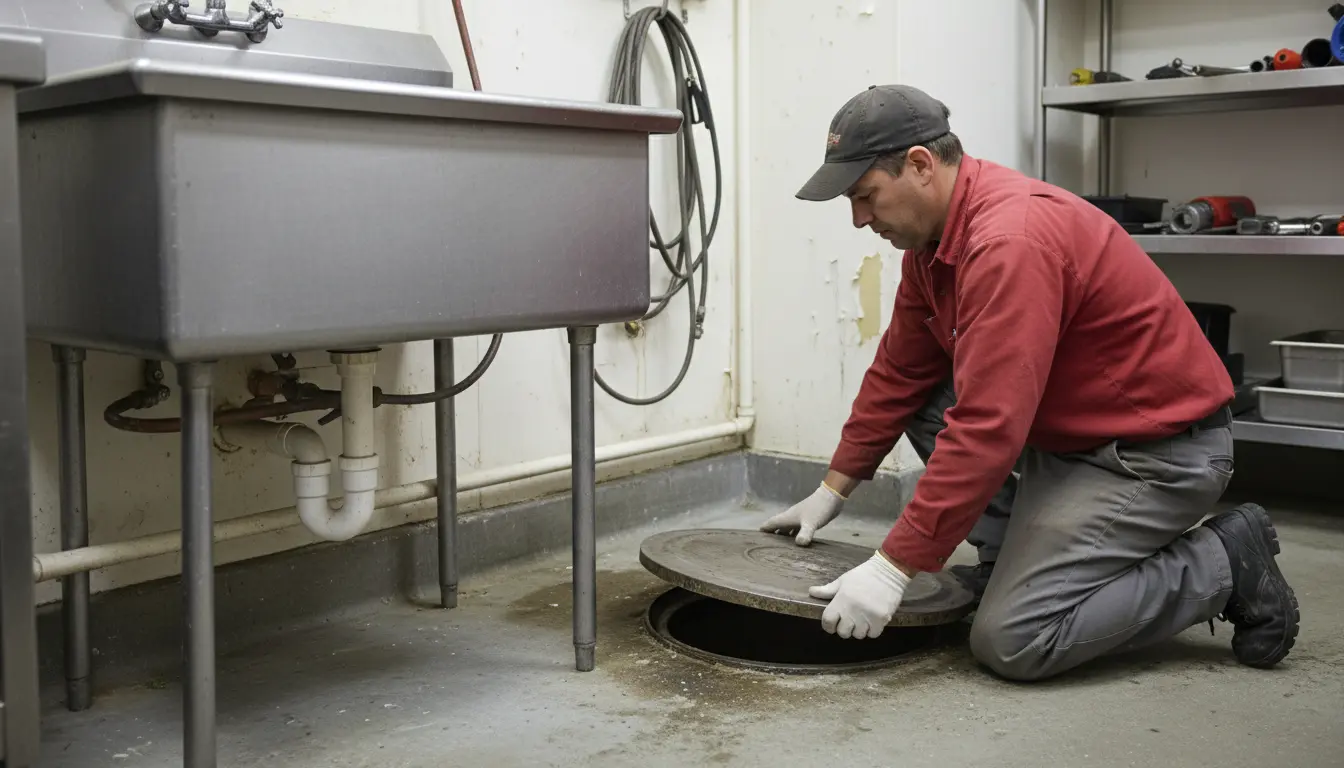
Find the Best Grease Trap Cleaning Companies for Your Business
No obligation • Fast responses • Nationwide coverage

Why you can trust Restaurant Waste Disposal
Restaurant Waste Disposal is a leading U.S. resource for comparing restaurant composting, food-waste recycling, grease trap cleaning, and used cooking oil collection services. Our editorial team researches providers, checks credentials, and organizes unbiased information so operators can make informed decisions. Companies cannot pay to change ratings or placement.
Search providers near you
Top Grease Trap Cleaning Companies in Shreveport, Louisiana Ranked
For restaurant owners and food service operators in Shreveport, maintaining a grease trap isn't just a good practice-it's a legal requirement critical to protecting the city's sewer system. Proper grease interceptor maintenance prevents costly clogs, environmental damage, and significant fines from the City of Shreveport and the State of Louisiana. This guide outlines the specific local regulations, best practices for maintenance, and the importance of professional service to keep your business compliant and running smoothly. Understanding these rules is the first step in avoiding disruptive and expensive sewer backups.
Enviro-Vac
702 Bester St, Shreveport, LA 71107
Enviro-Vac is a grease trap cleaning company based in Shreveport, LA. They provide grease trap cleaning services primarily for local businesses. The company has experience working with clients in the restaurant industry and offers regular maintenance schedules for grease trap pumping.
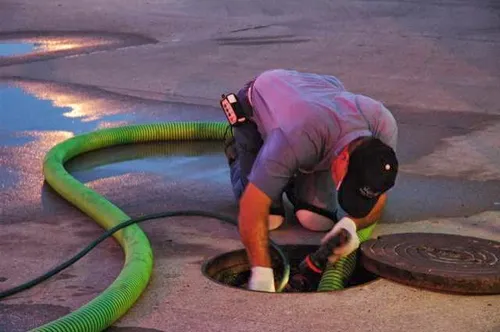
Liquid Environmental Solutions
437 Fortson St, Shreveport, LA 71107
Liquid Environmental Solutions is a non-hazardous liquid waste management company based in Shreveport, LA. They provide services such as used cooking oil collection, grease trap and interceptor cleaning, oil water separator and grit trap cleaning, and wastewater disposal. The company serves industries including restaurants, grocery stores, convenience stores, automotive services, and environmental services. Founded over twenty years ago, Liquid Environmental Solutions focuses on recycling a high percentage of the food waste they collect and maintaining compliance for their clients.
Understanding Shreveport's Grease Trap Regulations
Shreveport, like many municipalities, has strict guidelines to manage Fats, Oils, and Grease (FOG) from commercial kitchens. These rules are designed to prevent FOG from entering the public sewer lines, where it can solidify and cause major blockages, leading to sanitary sewer overflows (SSOs). Compliance is not optional; it's enforced through inspections and potential penalties.
The core regulations mandate that facility owners are responsible for the removal and proper disposal of all collected grease 1. Louisiana state law further requires that all grease interceptors be maintained in "efficient operating condition" and that no grease collected in the trap is allowed to re-enter the drainage system. For Shreveport businesses, this translates into a clear, measurable maintenance standard: the FOG layer in your trap must not exceed 25% of the total liquid depth. Once this limit is reached, the trap must be cleaned.
Inspection and Cleaning Frequency: Indoor vs. Outdoor Traps
Your required maintenance schedule depends on the type and location of your grease interceptor. Shreveport's guidelines provide a clear distinction:
- Indoor Grease Traps (Typically Under-Sink): These smaller-capacity units require weekly inspection and cleaning. Due to their size and proximity to kitchen fixtures, they fill up quickly and need diligent attention to prevent overflows into your own plumbing.
- Outdoor Grease Interceptors (In-Ground): Larger outdoor units must be inspected monthly 2 3. The inspection involves using a dipstick to measure the depth of the FOG layer and the solids at the bottom. Cleaning is required whenever the FOG layer exceeds the 25% threshold, not just on a fixed calendar schedule 4.
High-volume establishments, such as large restaurants, hotels, or institutional kitchens, may find their outdoor traps need professional pumping every 4 to 12 weeks, even with proper best practices in the kitchen.
The Cost of Compliance vs. The Cost of Neglect
Investing in regular grease trap maintenance is far less expensive than dealing with the consequences of a neglected system. Professional cleaning costs vary based on the size of your trap, its location, and its condition.
For a standard, well-maintained trap, a basic cleaning service in the Shreveport area can range from $175 to $475 5. Many businesses opt for a monthly service contract, with costs typically between $200 and $800 per month, depending on the size of your operation (e.g., a small cafe versus a large hotel kitchen) 6 7.
These costs can skyrocket if a trap has been neglected. A severely clogged or overfilled interceptor may require emergency service, more labor-intensive cleaning, and even hydro-jetting, potentially tripling the standard cost. Furthermore, failure to comply with regulations can result in direct fines from the city and, more damagingly, business disruptions from a sewer backup that forces a kitchen to close.
Find the perfect grease trap cleaning companies for your needs
Get personalized recommendations and expert advice
Best Practices for Restaurant Owners
Beyond scheduling professional cleanings, proactive in-house management is key to extending service intervals, reducing costs, and ensuring compliance.
Staff Training is Essential: Every kitchen employee should be trained on proper FOG disposal. This means never pouring grease, oil, or food scraps down any drain. Scrape plates into trash bins before washing, and use collection containers for fryer oil and pan drippings 8.
Use Licensed Professional Services: When it's time for a pump-out, always hire a licensed hauler. These professionals do more than just remove waste; they ensure the collected FOG is disposed of or recycled according to environmental regulations, providing you with documentation for your records.
Meticulous Record Keeping: Maintain a detailed logbook of all grease interceptor maintenance. This should include dates of every inspection (with dipstick measurements), dates of professional cleanings, the name of the service provider, and receipts or waste manifests. This log is your first line of defense during a city inspection, proving your commitment to compliance 9.
Consequences of Non-Compliance
Ignoring grease trap maintenance carries significant risks. The City of Shreveport can levy fines for violations of its sewer use ordinances. More critically, a clogged interceptor can lead to a backup within your own facility, creating a health hazard, unpleasant odors, and potentially shutting down your kitchen for repairs-a devastating loss of revenue.
On a broader scale, FOG that escapes into the public sewer system contributes to blockages that can cause SSOs, leading to environmental contamination and costly city-wide remediation efforts for which responsible businesses may be held financially accountable 10 11.
Choosing a Service Provider in Shreveport
When selecting a company for grease trap pumping and cleaning in Shreveport, look for providers that are fully licensed and insured. They should be familiar with both Shreveport city codes and Louisiana state regulations (specifically LA Admin Code Title 51, § XIV-1005). A reputable service will offer a clear scope of work, provide detailed service reports and waste manifests after each cleaning, and be available to answer questions about your compliance status.
Frequently asked questions
Sources
Footnotes
-
La. Admin. Code tit. 51, § XIV-1005 - Interceptors and Separators - https://www.law.cornell.edu/regulations/louisiana/La-Admin-Code-tit-51-SS-XIV-1005 ↩
-
FAQs • Environmental Services - ShreveportLa.gov - https://www.shreveportla.gov/faq.aspx?TID=18 ↩
-
FAQs • How do I maintain my grease trap? - ShreveportLa.gov - https://www.shreveportla.gov/FAQ.aspx?QID=123 ↩
-
Grease Trap Regulations in Louisiana - Rebirth Biofuels - https://rebirthbiofuels.com/blog/grease-trap-regulations-louisiana/ ↩
-
How Much Does a Proper Grease Trap Cleaning Cost? - https://hulseyenvironmental.com/how-much-does-a-proper-grease-trap-cleaning-partner-cost/ ↩
-
Ultimate Grease Trap Pumping Cost Guide: Essential Money ... - https://www.texwaywastewater.com/grease-trap-pumping-cost/ ↩
-
The Cost To Clean A Grease Trap For Restaurants - https://thegreasecompany.com/blog/greasetrapcleaningcost/ ↩
-
Grease Trap Cleaning Guide for Restaurant Owners - https://neworleansgreasetrapcleaning.com/grease-trap-cleaning-guide-for-restaurant-owners/ ↩
-
Grease Trap Restaurant: The Essential Guide - https://therestaurantwarehouse.com/blogs/restaurant-equipment/grease-trap-restaurant-guide ↩
-
Grease Traps 101: What Every Restaurant Owner Needs to Know - https://bdconservancy.com/grease-traps-101-what-every-restaurant-owner-needs-to-know/ ↩
-
How Louisiana's Grease Trap Regulations Affect Your Business - https://safewayusedoil.com/2025/03/how-louisianas-grease-trap-regulations-affect-your-business/ ↩